What a Mining Conveyor Bracket Does
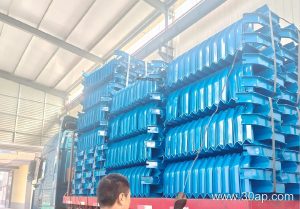
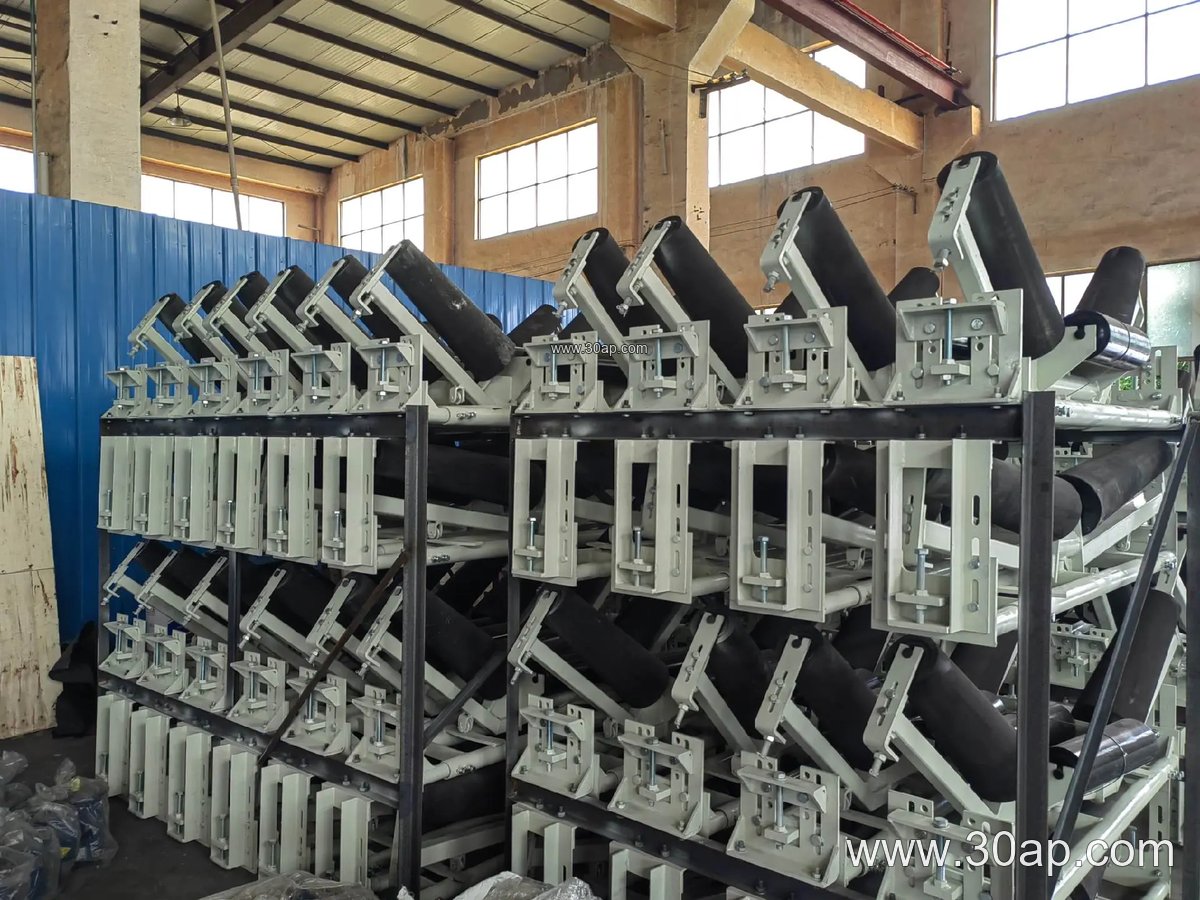
A mining conveyor bracket is the structural support that holds the idler rollers in the correct position under or over the belt. Without it, the rollers would shift, the belt would sag or misalign, and the whole conveying line would lose efficiency. In a quarry, coal preparation plant, or cement kiln feed line, this bracket is often the quiet workhorse that determines how smoothly the belt tracks and how long the rollers last. The same component is also called a conveyor idler frame or roller support bracket, and both names describe the same product.
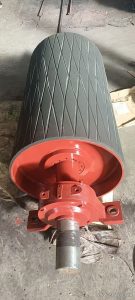
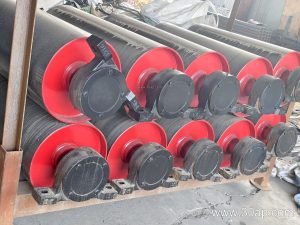
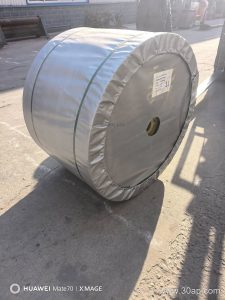
The bracket works together with the conveyor belt, the idler roller, and the conveyor pulley. Its job is simple in principle: keep the rollers at the right height, angle, and spacing so the belt carries material without spillage or excessive wear. In practice, the design must match the belt width, the load, and the environment.
Construction and Common Forms
Most brackets are fabricated from angle steel, channel steel, or folded steel plate. The material choice affects stiffness and corrosion resistance. A heavy stone crushing line may use thicker channel sections, while a lighter sand and gravel operation might use folded plate for easier handling.
The main types seen in bulk material handling include:
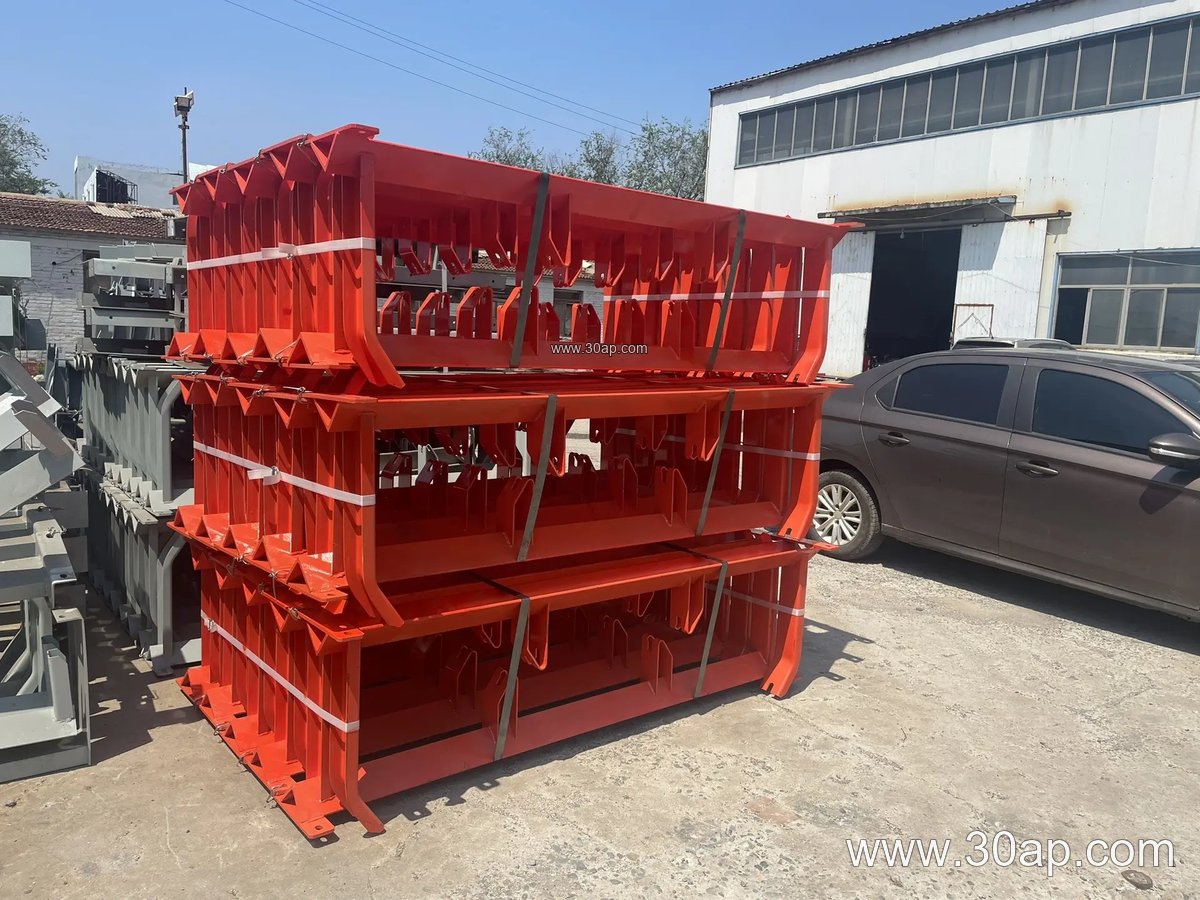
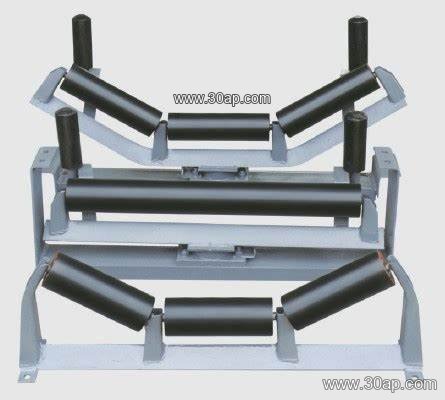
- Troughing bracket, also called a trough idler frame, which sets the belt into a trough shape
- Return bracket or flat return frame, supporting the belt on its return run
- V-return bracket, which helps center the belt on the return side
- Impact bracket, placed under loading points to absorb shock
- Self-aligning bracket, which corrects belt drift
- Transition bracket, used where the belt changes from flat to troughed
- Adjustable bracket, allowing the trough angle to be changed on site
Trough angles are commonly 20, 30, 35, or 45 degrees. An adjustable frame can move between these angles, while a fixed frame is welded or bolted to one setting. Forward-leaning brackets, often around 1.5 to 2 degrees, are used to encourage belt centering.
Matching Belt Width and Roller Diameter
Belt width and roller diameter are not locked into a single combination. A B800 belt can run with different roller sizes depending on load and speed, and a B1200 line might use Ø108 or Ø133 rollers in different sections. Common roller diameters include Ø89, Ø108, Ø133, Ø159, and Ø194. The bracket must be ordered with the correct mounting hole spacing and crossbeam length for the chosen belt width and trough angle.
| Belt Width | Trough Angle (typical) | Roller Diameter (common) | Bracket Note |
|---|---|---|---|
| B500 | 20°–35° | Ø89 | Light-duty frame |
| B650 | 30°–35° | Ø89–Ø108 | Adjustable option available |
| B800 | 30°–45° | Ø108 | Standard troughing frame |
| B1000 | 35°–45° | Ø108–Ø133 | Heavier crossbeam |
| B1200 | 35°–45° | Ø133 | Reinforced channel steel |
| B1400 | 35°–45° | Ø133–Ø159 | Impact frames at load points |
| B1600 | 35°–45° | Ø159 | Heavy-duty frame |
| B1800 | 35°–45° | Ø159–Ø194 | Large crossbeam span |
| B2000 | 35°–45° | Ø194 | Custom mounting spacing |
These values are reference examples, not fixed rules. The final hole spacing and beam length are determined by the conveyor design. A bracket that fits one belt width will not automatically fit another, and a roller diameter should be confirmed against the load and belt speed.
Where the Bracket Is Used
In an underground coal mine, flame retardant conveyor belts and sturdy brackets work together to keep the haulage route safe and continuous. In a limestone quarry, a troughing frame with impact brackets at the crusher discharge point protects both the belt and the rollers from falling rock. A power plant coal yard uses return brackets and self-aligning frames to keep long overland belts tracking straight. The same component appears in sand and gravel plants, cement clinker lines, and port ship-loading systems.
When specifying a frame, consider the belt width, the material lump size, the ambient conditions, and whether the bracket will be fixed or adjustable. A well-chosen frame supports the conveyor belt, extends idler roller life, and keeps the conveyor pulley loads balanced.
For related components such as conveyor bracket, conveyor pulley, and conveyor belt, buyers should confirm dimensions against the actual conveyor drawing rather than relying on general tables.
Buyer Checklist
- Confirm belt width and required trough angle
- Match roller diameter to the frame opening
- Choose fixed or adjustable design
- Check material and surface treatment for the site environment
- Verify mounting hole spacing and crossbeam length
- Specify impact or self-aligning frames only where needed
A mining conveyor bracket is a small part of the total conveyor cost, but it influences belt tracking, roller life, and maintenance downtime. Getting the frame right at the ordering stage is easier than correcting belt misalignment later.