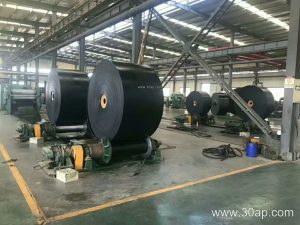
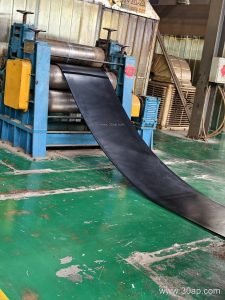
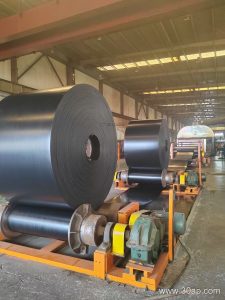
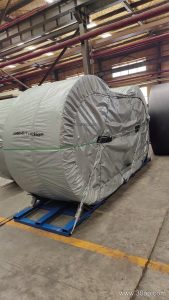
What a Cement Conveyor Belt Is
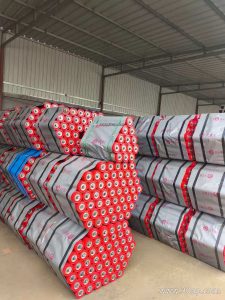
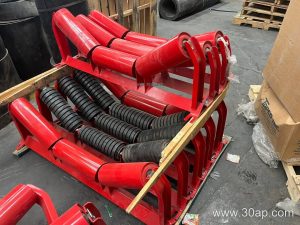
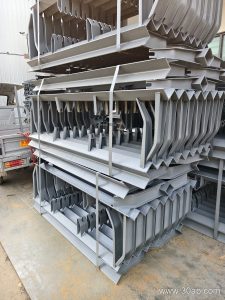
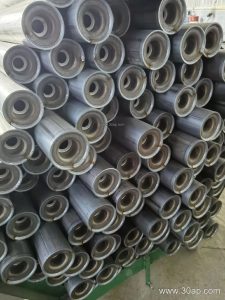
A cement conveyor belt is the endless carrying surface that moves clinker, limestone, gypsum, raw meal, and finished cement between crushers, silos, and packing lines. In cement plants, quarries, and bulk terminals, this belt is part of a continuous handling system that also includes idler rollers, conveyor pulleys, and conveyor brackets. The belt itself is a composite of a tension-bearing carcass and rubber covers, engineered to resist abrasion, heat, and fine dust.
Buyers often describe the same product as a cement plant conveyor belt or a cement industry conveyor belt. These are accurate equivalent names for the same item. The core function does not change: carry heavy, abrasive, and sometimes hot material without excessive stretch or surface wear.
Construction and Common Materials
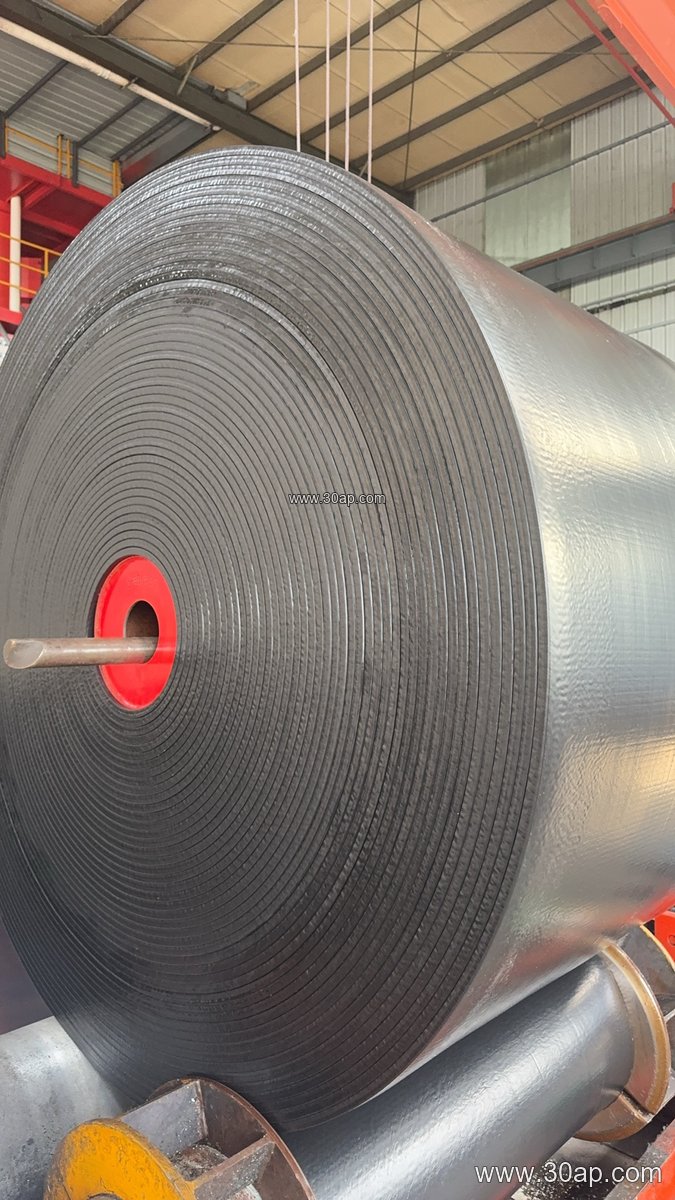
The carcass provides strength and resistance to elongation. Common options include EP conveyor belt (polyester-cotton fabric), NN conveyor belt (nylon-nylon fabric), and steel cord conveyor belt for very high tension applications. Multi-ply fabric core conveyor belt constructions are typical for cement handling, with two to six plies depending on load and center distance. Cover rubber grades are selected for abrasion resistance, heat resistance, or oil resistance as needed.
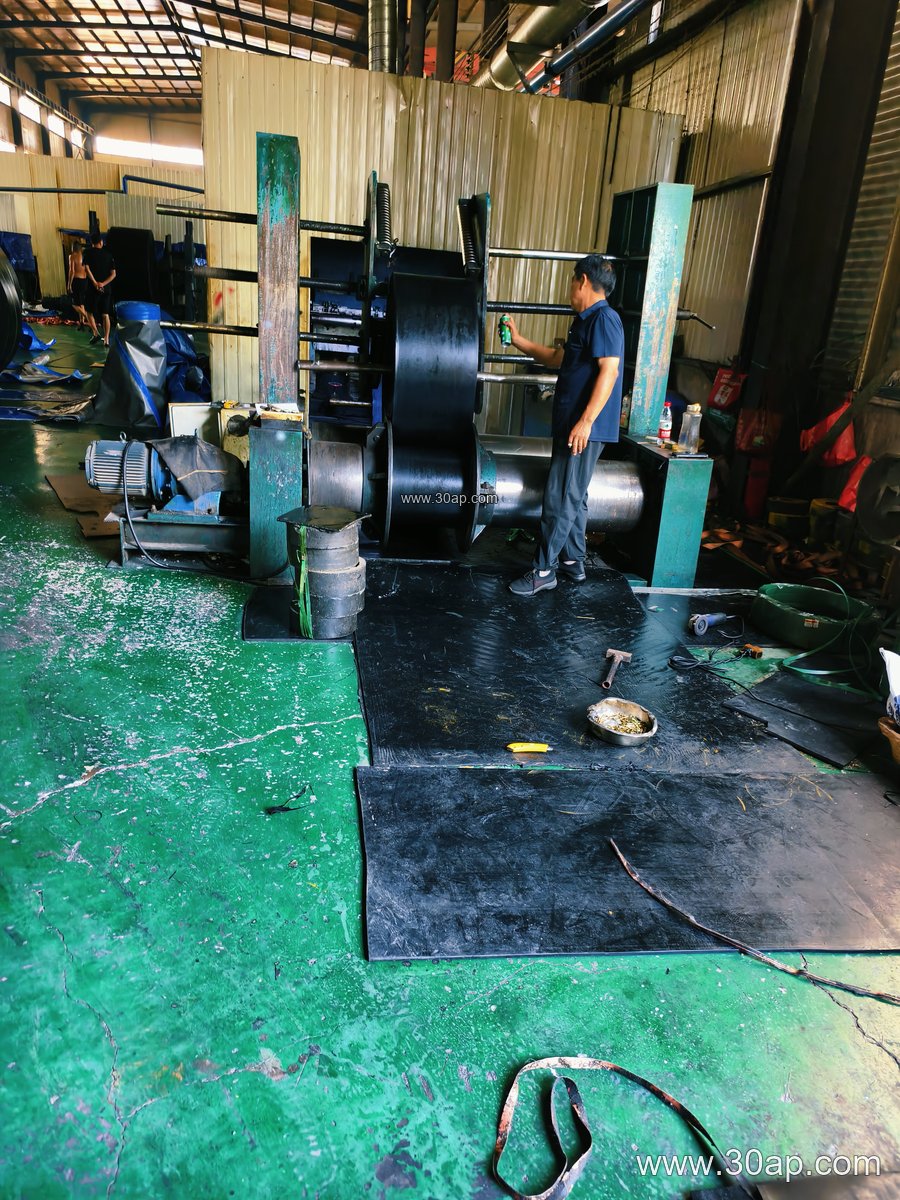
Top and bottom cover thicknesses are usually specified as a pair, such as 4+2 mm or 6+2 mm. The first number refers to the top cover, which faces the material; the second refers to the bottom cover, which runs over idler rollers. Heavier covers suit impact points under crushers, while thinner covers reduce weight on long overland sections.
Typical Specifications for Cement Duty
The table below lists reference data, not fixed combinations. Final belt width, strength grade, and cover thickness are determined by conveyor design, material lump size, and operating conditions.
| Parameter | Common Reference Values |
|---|---|
| Belt width | B500, B650, B800, B1000, B1200, B1400, B1600, B1800 |
| EP strength grades | EP200, EP315, EP400, EP500, EP630, EP800, EP1000, EP1250, EP1600 |
| Steel cord grades | ST1000, ST1250, ST1600, ST2000 (for high-tension duties) |
| Cover thickness (top+bottom) | 3+1.5 mm, 4+2 mm, 5+2 mm, 6+2 mm, 8+3 mm |
| Carcass plies | 2 to 6 plies for fabric core belts |
For hot clinker or cement cooler discharge, a heat resistant conveyor belt grade is often specified. For coal handling in a cement plant power section, a flame retardant conveyor belt may be required. Where fine dust and static buildup are concerns, an anti-static conveyor belt helps reduce ignition risk.
Where It Is Used
Cement conveyor belts appear in limestone quarries, crushing stations, raw mill feed, kiln feed, clinker transport, and cement grinding circuits. They also serve in power plants, steel plants, and port terminals that handle bulk material. In a quarry conveyor belt system, the same belt may run alongside a crusher conveyor belt and discharge onto a ship loading conveyor belt. The material is abrasive, so an abrasion resistant conveyor belt grade is common.
In underground coal mining, a flame retardant conveyor belt and anti-static properties are often mandatory. The same plant may use a rubber conveyor belt for general duty and a steel cord conveyor belt for the main trunk line. Each conveyor has its own drive pulley, tail pulley, and bend pulleys; these are not interchangeable, and belt tension must be set according to the conveyor design.
Selection and Maintenance Notes
Start with the material: lump size, temperature, moisture, and abrasiveness. Then confirm the conveyor’s belt width, trough angle, and transition distance. A wider belt does not automatically suit a narrower pulley, and no single belt width determines a fixed shaft diameter. Check that the belt’s minimum pulley diameter meets the manufacturer’s recommendation for the selected carcass and cover.
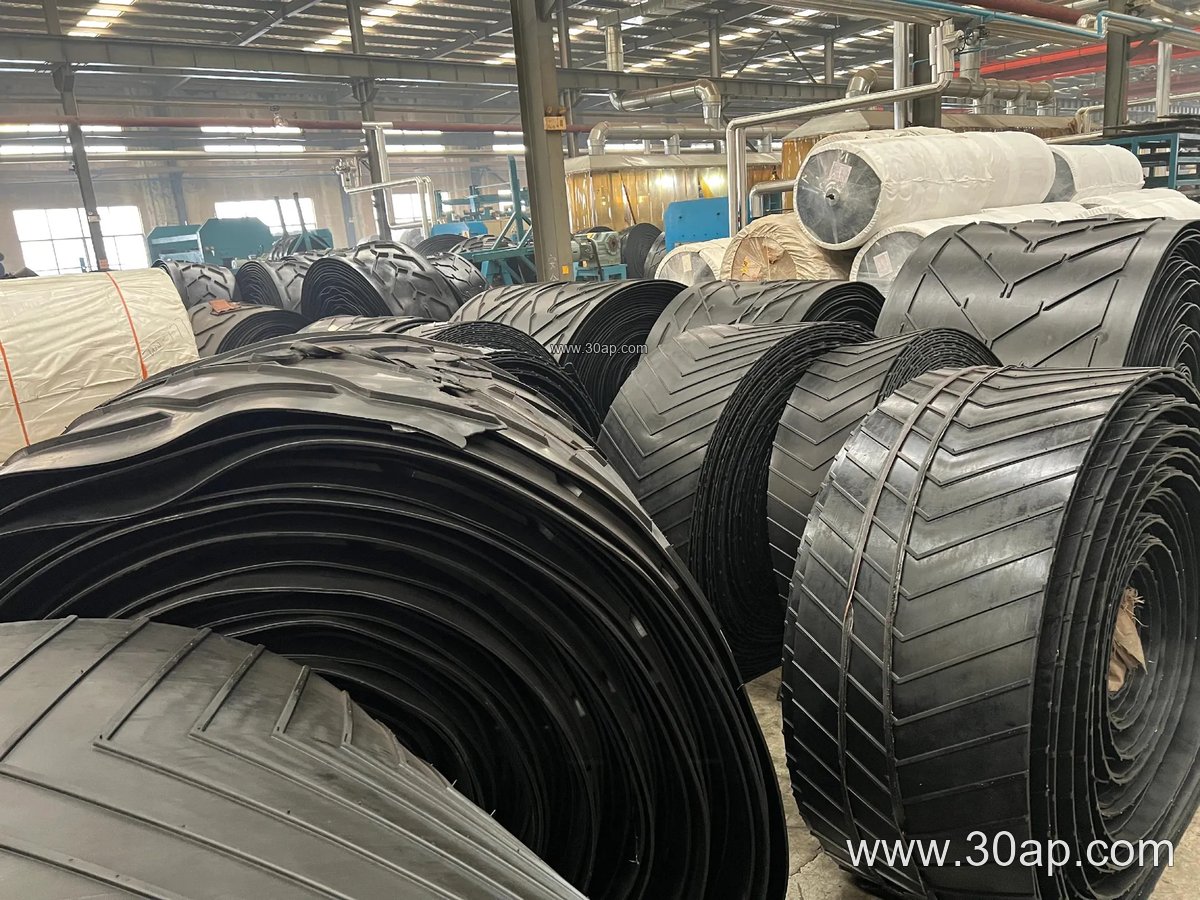
Routine checks should include belt tracking, cover wear, splice condition, and idler roller rotation. Worn idler rollers can damage the bottom cover, while misaligned conveyor pulleys cause edge wear. Keep the belt cleaner and skirt rubber adjusted to prevent spillage. For high-abrasion zones, consider a high abrasion resistant conveyor belt or a thicker top cover.
For longer conveyors, verify the strength grade against the calculated tension. An EP1000 or EP1250 belt may be adequate for a medium-length cement plant conveyor belt, while a long overland route may need a steel cord conveyor belt. Always review the conveyor drawing and confirm pulley diameters with the belt supplier.
Summary
The cement conveyor belt is a heavy-duty component selected by carcass type, strength grade, cover thickness, and environmental resistance. Whether the plant needs an abrasion resistant conveyor belt, a heat resistant conveyor belt, or a flame retardant conveyor belt, the final choice should match the conveyor design and the material being carried. For more information on conveyor belt, idler roller, and conveyor pulley options, consult the equipment supplier with your duty conditions.