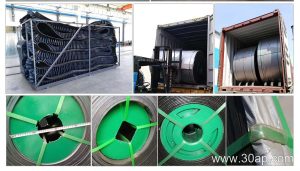
What a 600mm Conveyor Belt Is
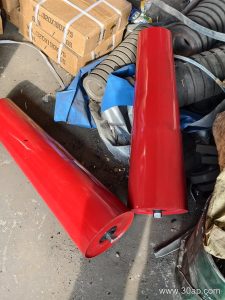
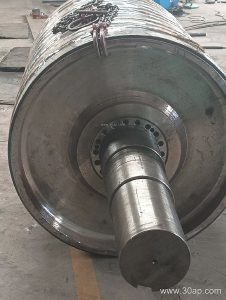
A 600mm conveyor belt is a belt with a nominal width of 600 millimeters, normally written as B600 in specifications. It sits in the smaller-to-mid range of standard belt widths, above 500mm and below 650mm and 800mm, and it is a common choice for secondary conveyors, transfer lines, screening decks and loading points where the tonnage is moderate rather than extreme. The belt is only one part of the machine: it runs over a drive pulley, a tail pulley and bend pulleys, and it is supported by idler rollers carried on conveyor brackets. Each of these parts has its own role and its own sizing logic, so a belt width alone never fixes a pulley diameter or a shaft size.
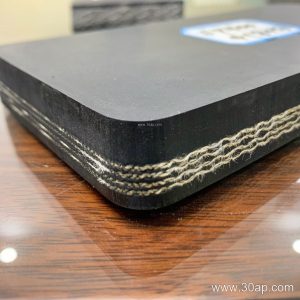
The same 600mm width can be supplied in several constructions, and buyers usually identify the belt by its carcass and cover compound rather than by width alone. A rubber conveyor belt with an EP carcass is the most common general-purpose choice, while NN, multi-ply fabric core and steel cord designs appear where tension or impact demands are higher.
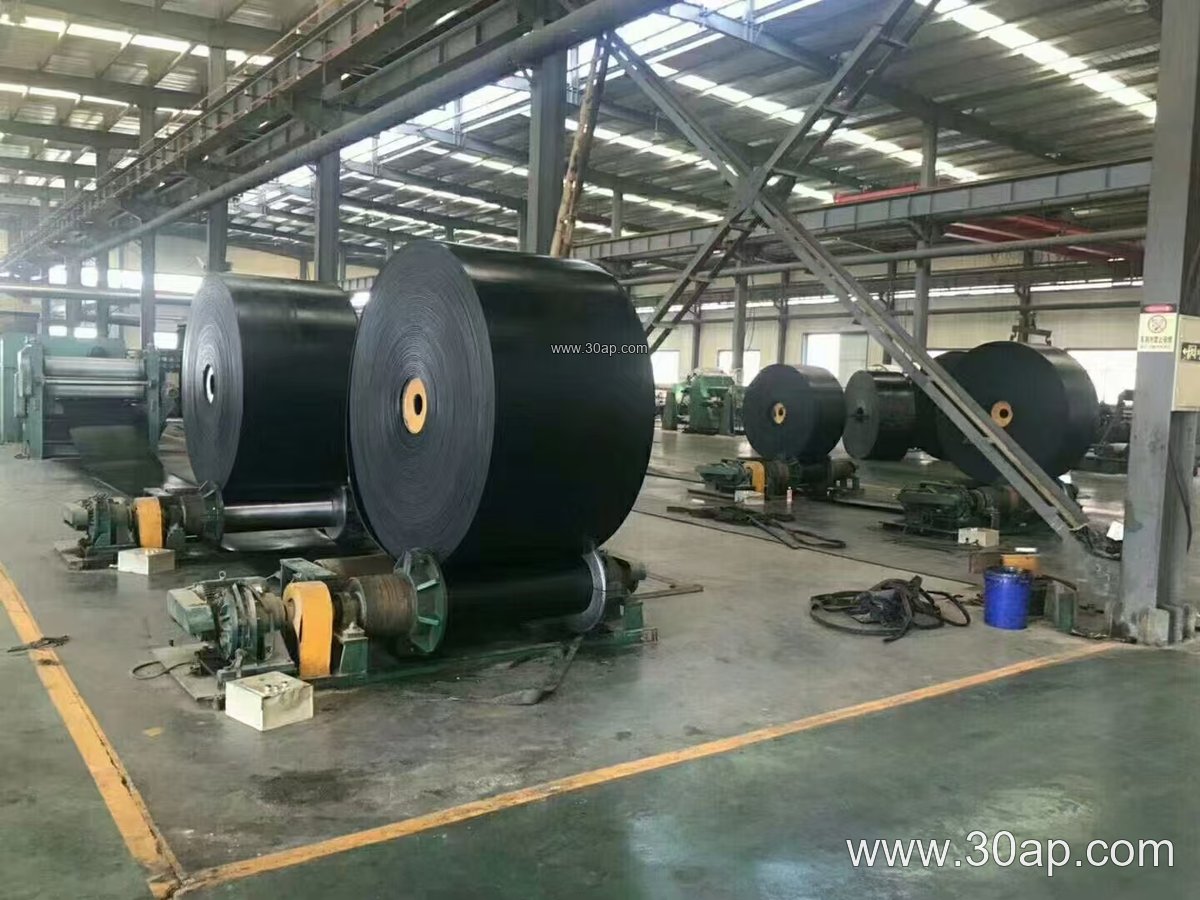
Construction and Common Specifications
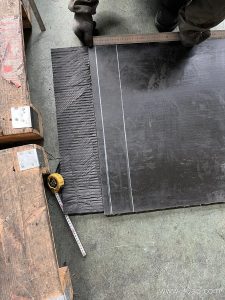
The belt body is built from a fabric or steel carcass, top and bottom cover rubber, and edge protection. Fabric carcasses are usually 2 to 6 plies, depending on the required strength and the load profile. Cover thickness is written as top plus bottom, for example 4+2 mm or 6+2 mm. The figures below are typical reference values only; actual supply is confirmed by design, and different manufacturers offer different combinations.
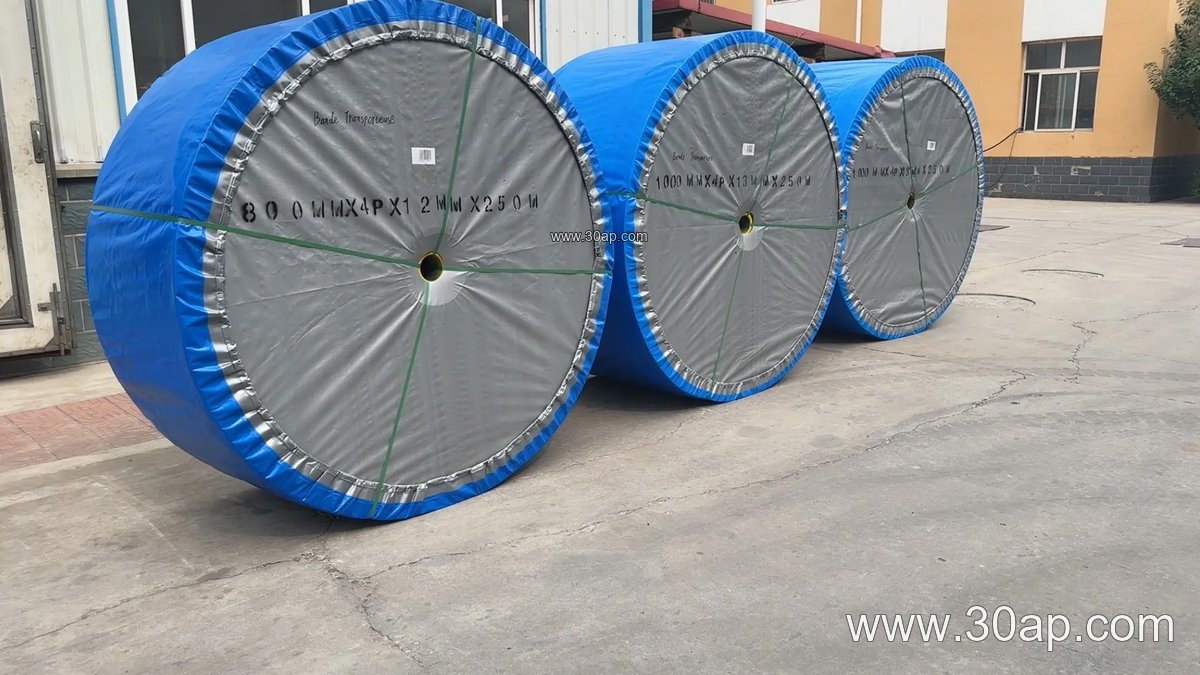
- Width: B600, with 500mm, 650mm, 800mm and wider options available for comparison
- Fabric carcass types: EP conveyor belt, NN conveyor belt, multi-ply fabric core
- EP strength grades in common use: EP200, EP315, EP400, EP500, EP630, EP800, EP1000
- NN grades in common use: NN100, NN200, NN300, NN400
- Steel cord grades for heavier duty: ST1000 to ST3150
- Cover thickness examples: 3+1.5, 4+2, 5+2, 6+2, 8+3 mm
- Special covers: abrasion resistant, heat resistant, oil resistant, flame retardant, anti-static, cold resistant
For underground coal work, a PVG conveyor belt such as PVG800 or PVG800S is often specified because the cover combines flame retardancy with anti-static behavior. In a quarry or sand making plant, a high abrasion resistant conveyor belt usually gives better service life than a standard cover when the material is sharp and dry.
Where 600mm Belts Are Used
This width appears across many industries. In mining and coal mining it is common on gate roads, drift conveyors and short underground mining conveyor belts feeding a main trunk line. In cement plants it moves clinker, limestone and additives between crushers, silos and packing houses. Power plants use it on coal handling and ash lines, and steel plants use it for ore and coke transfer. Sand and gravel operations, stone crushing lines, recycling facilities and small port or ship loading systems also run 600mm belts where a wide belt would be unnecessary.
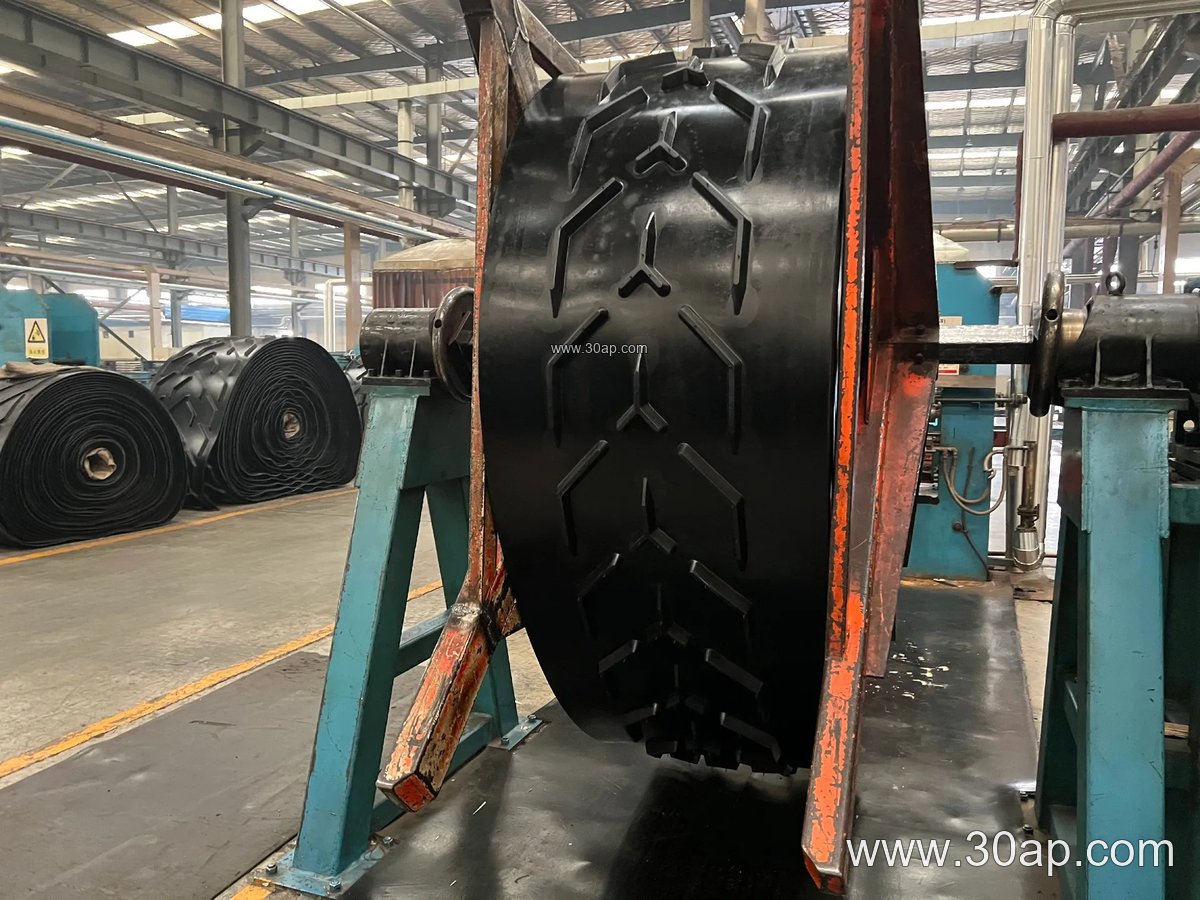
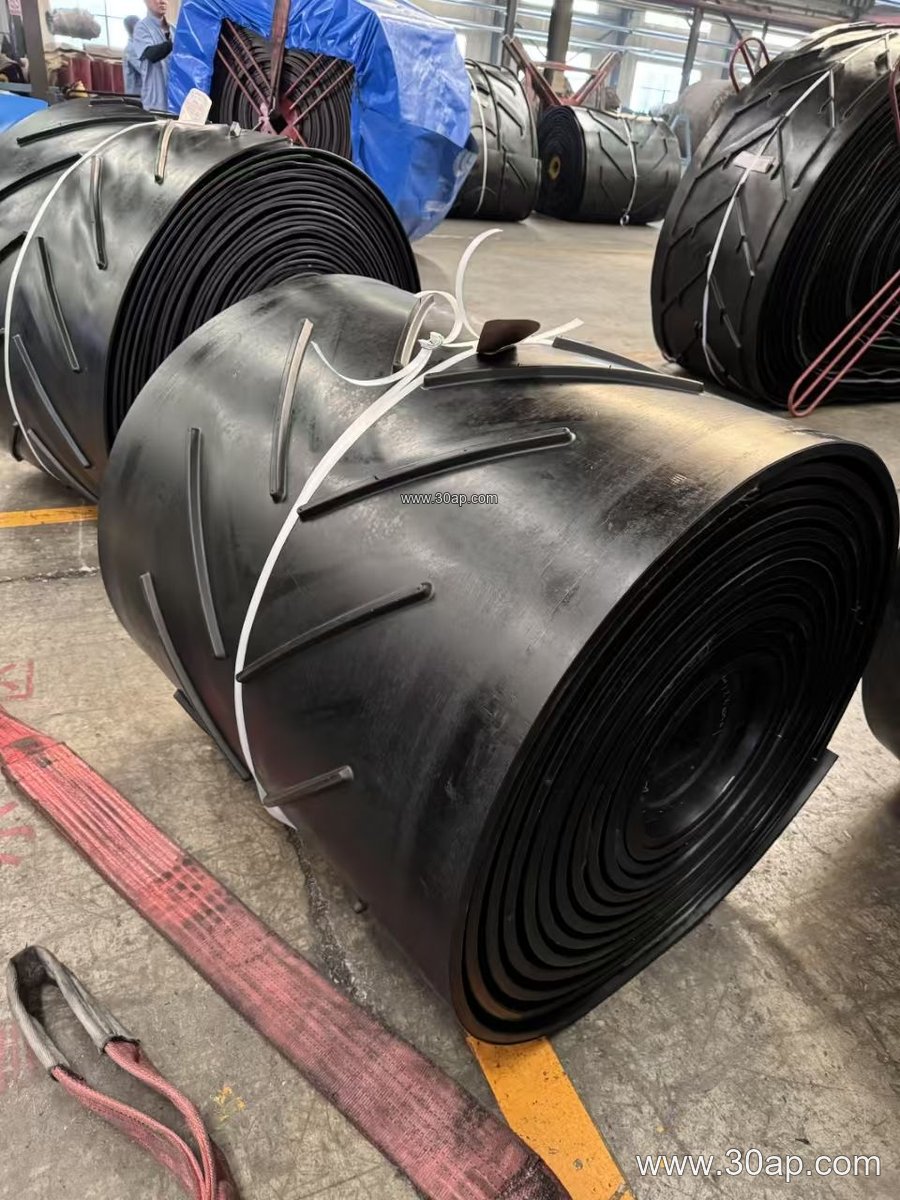
Belt selection should follow the duty. A crusher conveyor belt that receives lumpy rock needs good impact resistance and a heavier cover; a coal mining conveyor belt in a gassy area needs flame retardant and anti-static properties; a cement plant line carrying hot clinker may call for a heat resistant conveyor belt. Where the route climbs steeply, a chevron conveyor belt or a corrugated sidewall conveyor belt can hold material that would slide back on a smooth surface. Enclosed routes may use a pipe conveyor belt to control dust.
Choosing the Right Belt and Matching Components
Start with the material: lump size, bulk density, moisture, temperature, oil content and abrasiveness. Then confirm the required tension, which decides whether an EP fabric core, an NN carcass or a steel cord belt is appropriate. A 600mm belt is not automatically tied to one strength class; EP400 and EP630 are common in this width, but heavier grades may be used on short, highly loaded conveyors.
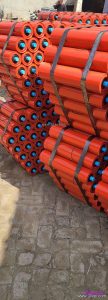
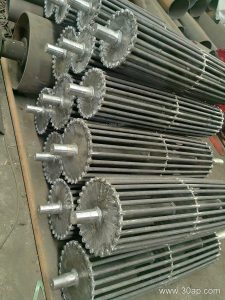
Check the pulleys and rollers as a system. The drive pulley transmits torque, the tail pulley returns the belt, and bend pulleys guide it around curves; they are separate components with separate duties and should be specified by the conveyor designer. Idler roller spacing, trough angle and bracket type affect belt training and edge wear. A slightly crowned pulley and well-aligned idlers reduce mistracking, which is a frequent cause of edge damage on narrower belts.
Buyer Checklist
- Confirm the actual belt width, carcass type and number of plies.
- State cover thickness and the required resistance: abrasion, heat, oil, flame or cold.
- Provide the conveyor profile, lift, capacity and material data so tension can be calculated.
- Ask for belt weight and minimum pulley diameter recommendations from the supplier.
- Plan splice type, storage conditions and inspection intervals before installation.
For a 600mm conveyor belt, matching the carcass and cover to the real working condition matters more than choosing the highest grade available. A correctly specified EP or NN belt, paired with suitable pulleys, idler rollers and brackets, will usually deliver steady service in mining, cement, power, steel and aggregate operations.