Conveyor Bracket: The Unsung Hero of Material Handling
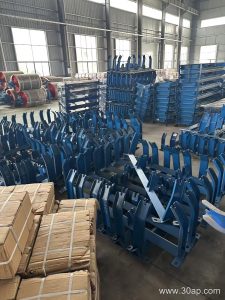
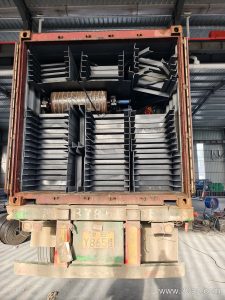
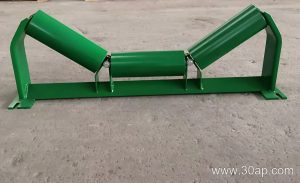
A conveyor bracket is the structural component that mounts and supports rollers, idlers, and pulleys, ensuring precise alignment and reliable operation.
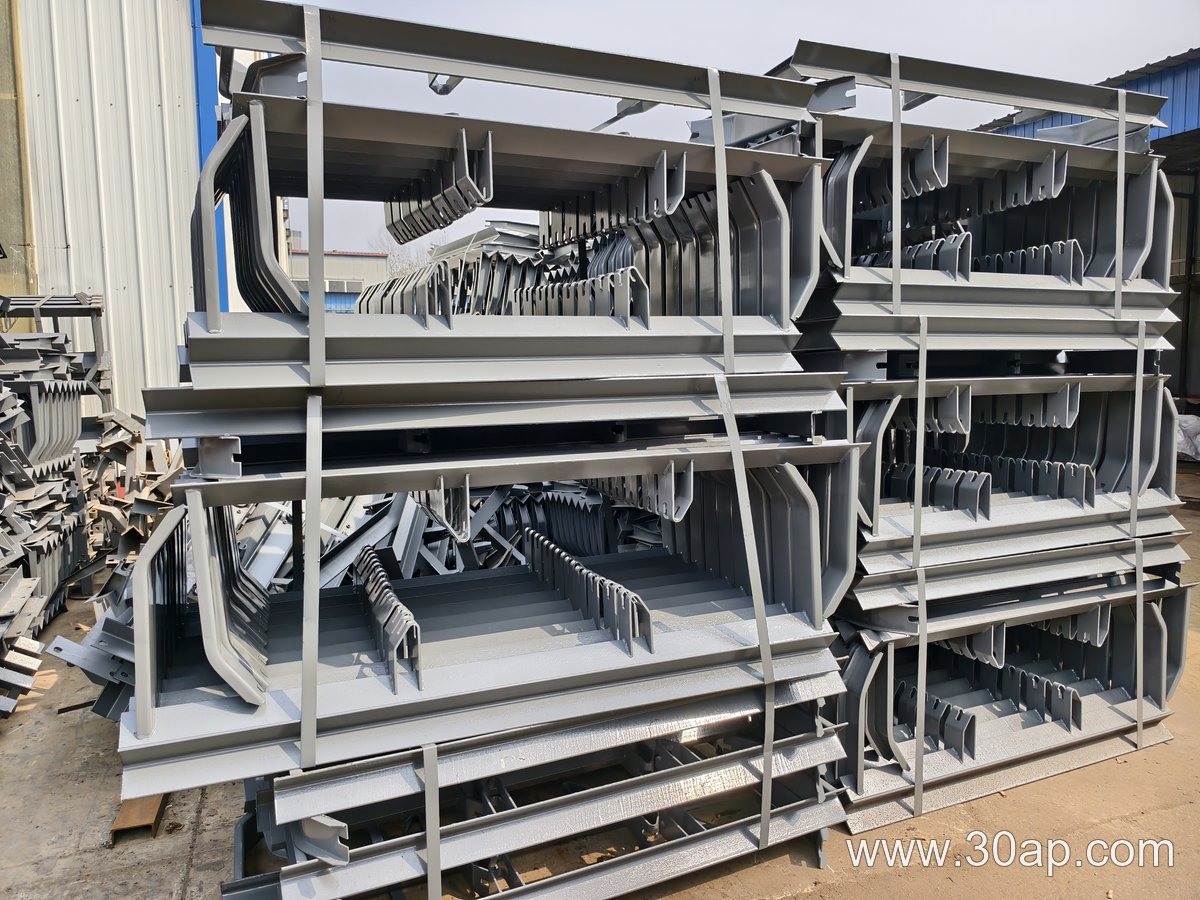
Selection and Purchasing Advice
- Match bracket material to load and environment: mild steel for general use, stainless steel for washdown, aluminum for light duty.
- Verify hole patterns and shaft diameters align with your conveyor frame and components.
- Consider adjustable brackets for easy tensioning and alignment.
- Check load ratings and corrosion resistance for your specific application.
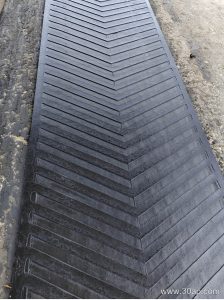
Conveyor Belt Essentials for Industrial Buyers
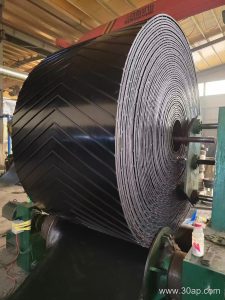
A conveyor belt is the core of any bulk material handling system. Choosing the right belt improves throughput, safety, and service life.
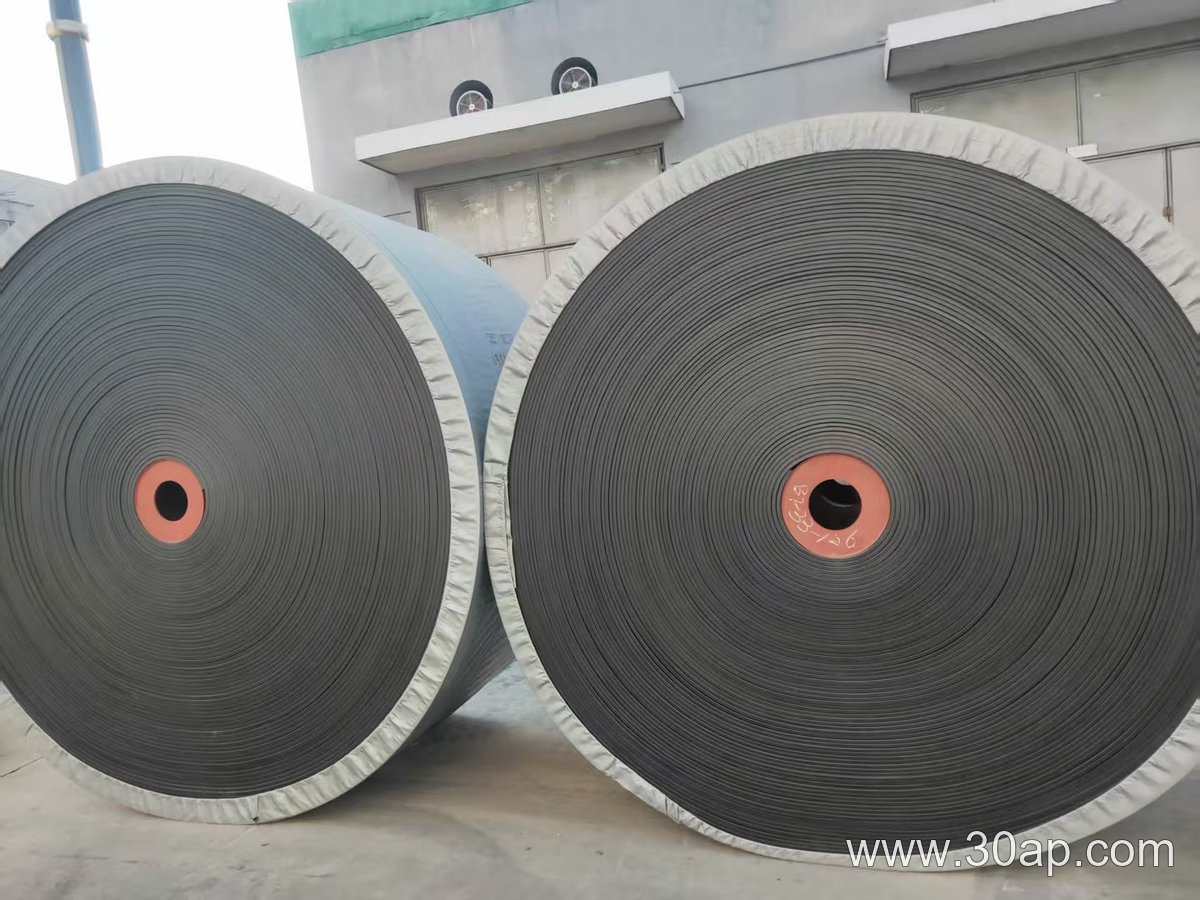
Key Selection Factors
- Load weight, speed, and incline angle
- Material: rubber, PVC, or steel cord
- Belt width, ply rating, and cover grade
- Operating environment: heat, oil, or abrasion
Purchasing Advice
Verify tension ratings, splice compatibility, and pulley diameter. Request test data and warranty terms. Buy from suppliers offering local support and spare availability. Match belt to your conveyor frame, not the reverse. Prioritize total cost of ownership over lowest price.
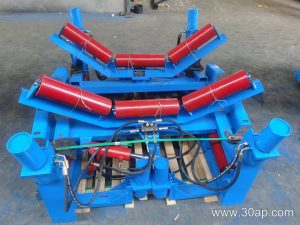
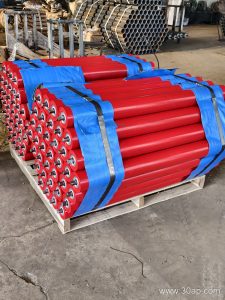
Idler Roller Essentials for Industrial Conveyors
An idler roller supports the belt and reduces friction in conveying systems. Choose the right one to cut downtime and energy costs.
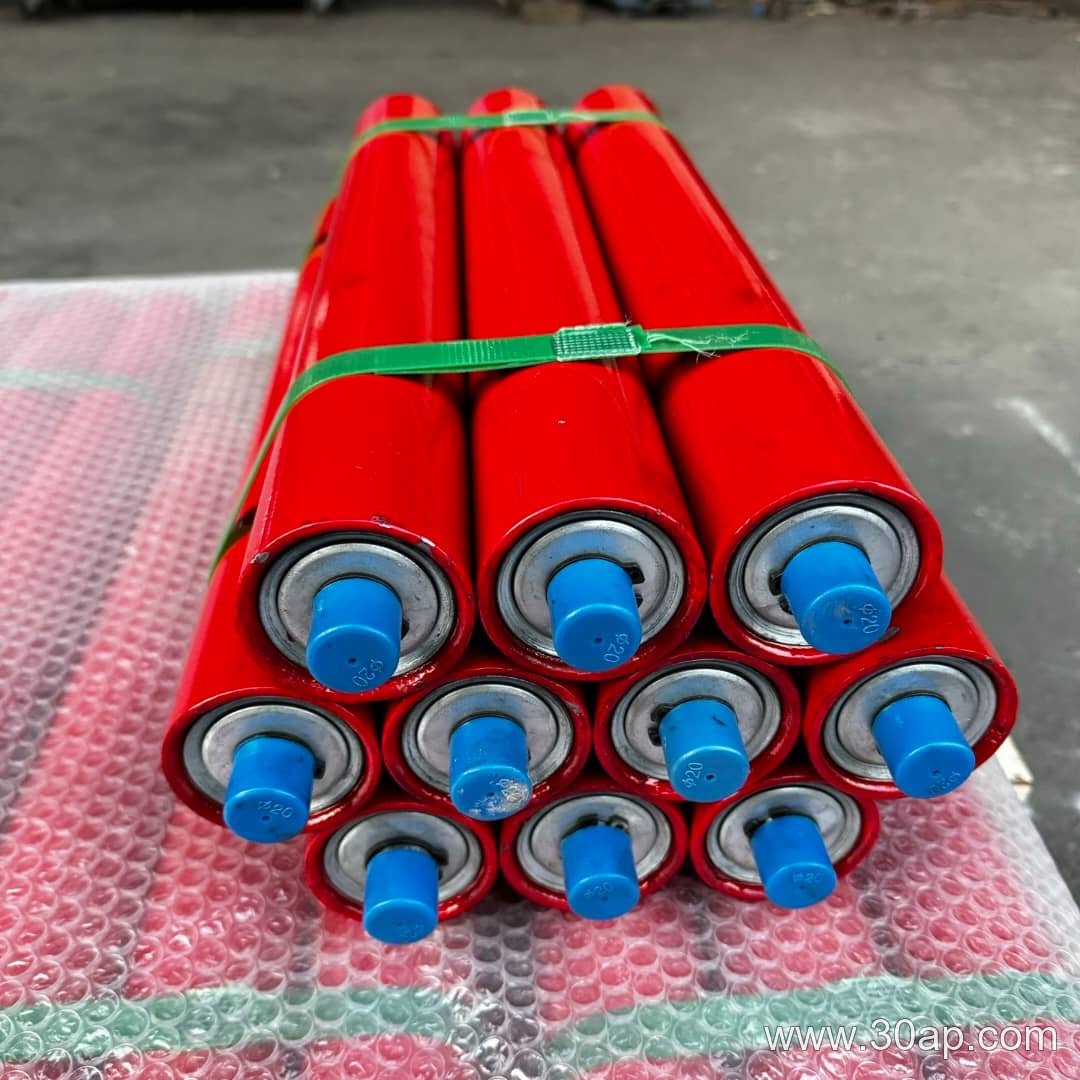
Selection Advice
- Match roller diameter and shaft to belt load and speed.
- Use sealed bearings for dusty or wet environments.
- Check balance and concentricity for high-speed lines.
Purchasing Tips
- Verify load rating and expected service life.
- Confirm materials suit temperature and corrosion exposure.
- Buy from suppliers offering consistent tolerances and spare parts.
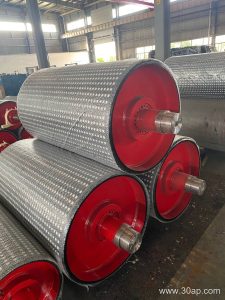
Conveyor Pulley: Core of Belt Performance
The conveyor pulley drives and tensions the belt. Choose drum or wing type based on duty and material.
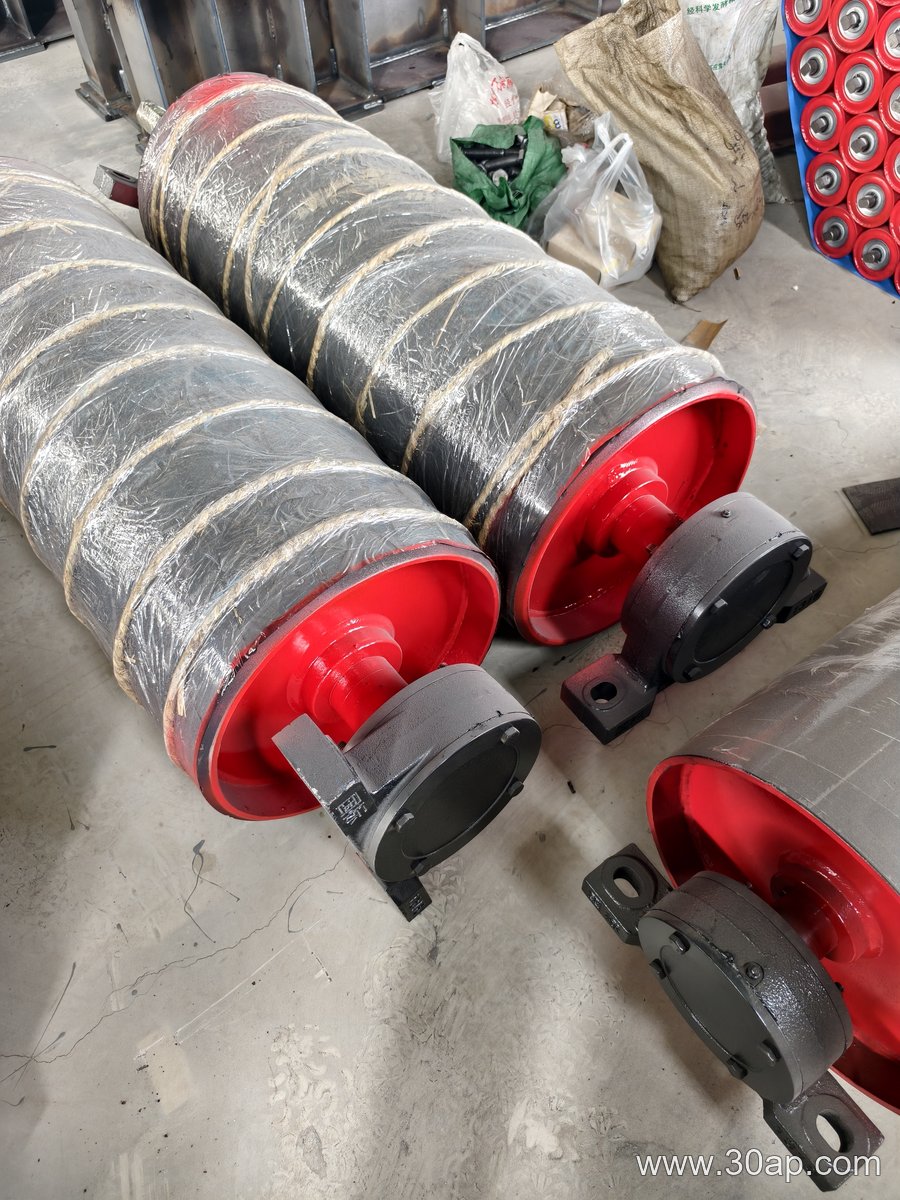
Selection Advice
- Match diameter to belt speed and torque.
- Use lagging for grip; consider crown for tracking.
- Check shaft, bearing, and load ratings.
Purchasing Tips
- Request material certs and balance reports.
- Confirm bore, keyway, and face width.
- Compare lead time, warranty, and support.