What the Pulley Does on a Mining Conveyor
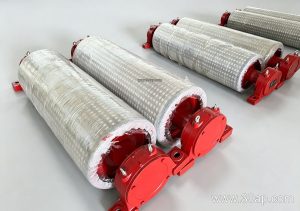
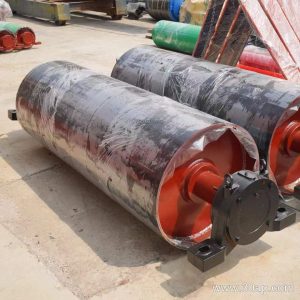
A mining belt conveyor pulley is the rotating drum that carries and guides the conveyor belt at the ends and along the route of a bulk handling system. In a quarry or aggregate line, it transfers drive force into the belt, sets belt tension, and changes belt direction so material can move from the crusher to the screening deck and on to the stockpile. The component is simple in outline but highly engineered in detail, because a single unit may run for years under dust, grit, moisture and constant load.
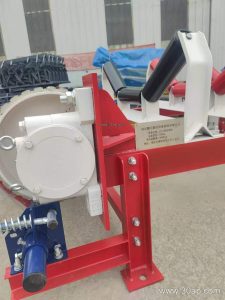
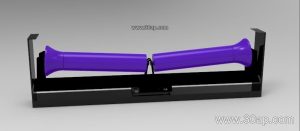
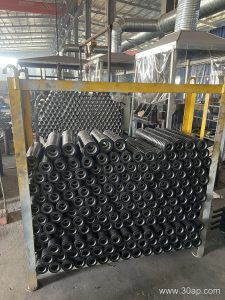
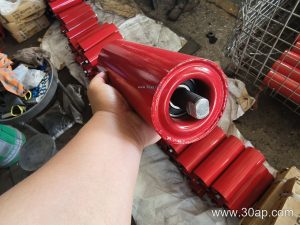
The same product is also called a conveyor pulley or a conveyor drum. It should not be confused with the idler roller, which supports the belt between stations, nor with the conveyor bracket that holds those components in place.
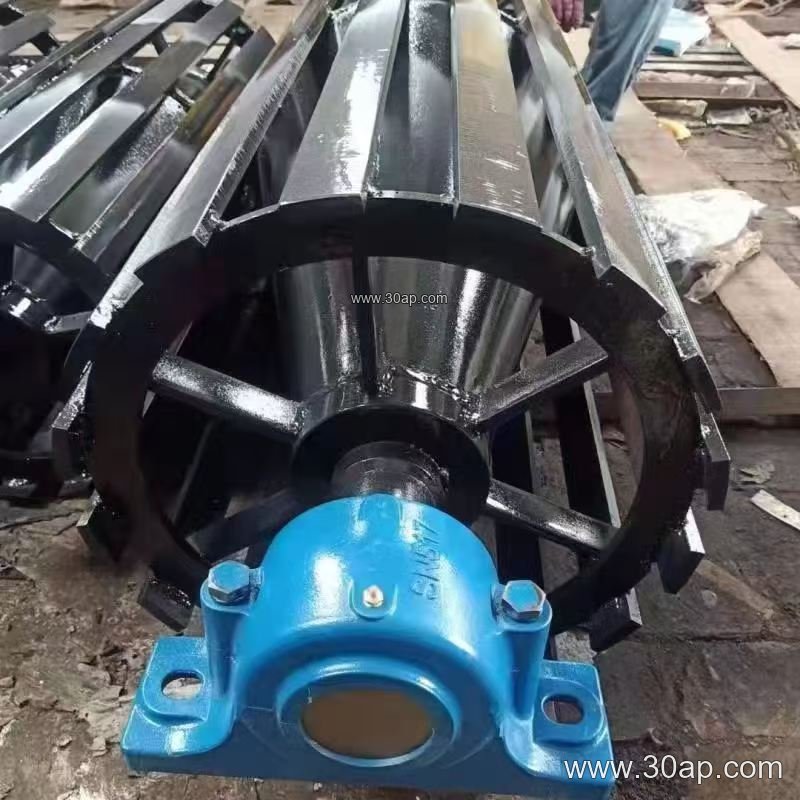
How a Mining Belt Conveyor Pulley Is Built
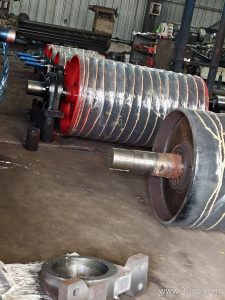
A typical unit combines a cylindrical shell, two end discs, a shaft, and bearing housings. The shell is usually rolled steel and may be machined for balance. The shaft is sized by torque and radial load rather than by belt width alone, so a B800 conveyor might use a Ø80 shaft in one layout and a larger shaft in another, depending on wrap angle, tension and drive power.
Surface treatment matters in dusty and wet service. Common forms include plain finish, hot-vulcanized rubber, cold-bonded rubber, diamond groove lagging, herringbone lagging and ceramic lagging. Lagging thickness is often 8, 10, 12, 15 or 20 mm. Diamond or herringbone patterns help shed water and fines, while ceramic tiles resist abrasion in high-wear transfer points.
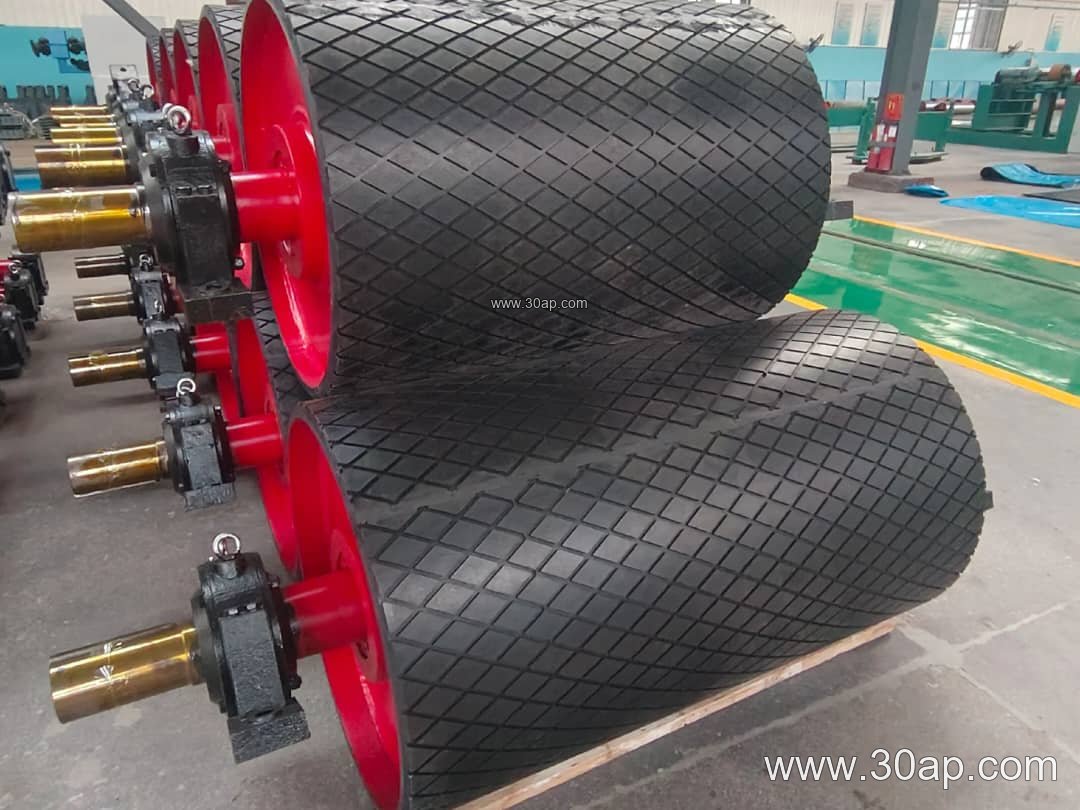
Drive, Tail and Bend Pulleys Are Not Interchangeable
The drive pulley, often the head pulley, transmits motor torque to the belt. The tail pulley at the feed end usually runs as a bend or tension point. A bend pulley changes belt direction without driving. Each position has its own load profile, bearing arrangement and lagging needs, so the three cannot be swapped by name or by size. When specifying, state the position clearly and give the belt width, pulley diameter, face width and shaft diameter.
Common combinations include B800 × Ø500, B1200 × Ø1000 and B1400 × Ø800. These are reference examples, not fixed pairings. Face width is normally slightly greater than belt width, for instance about 950 mm for B800 and about 1400 mm for B1200.
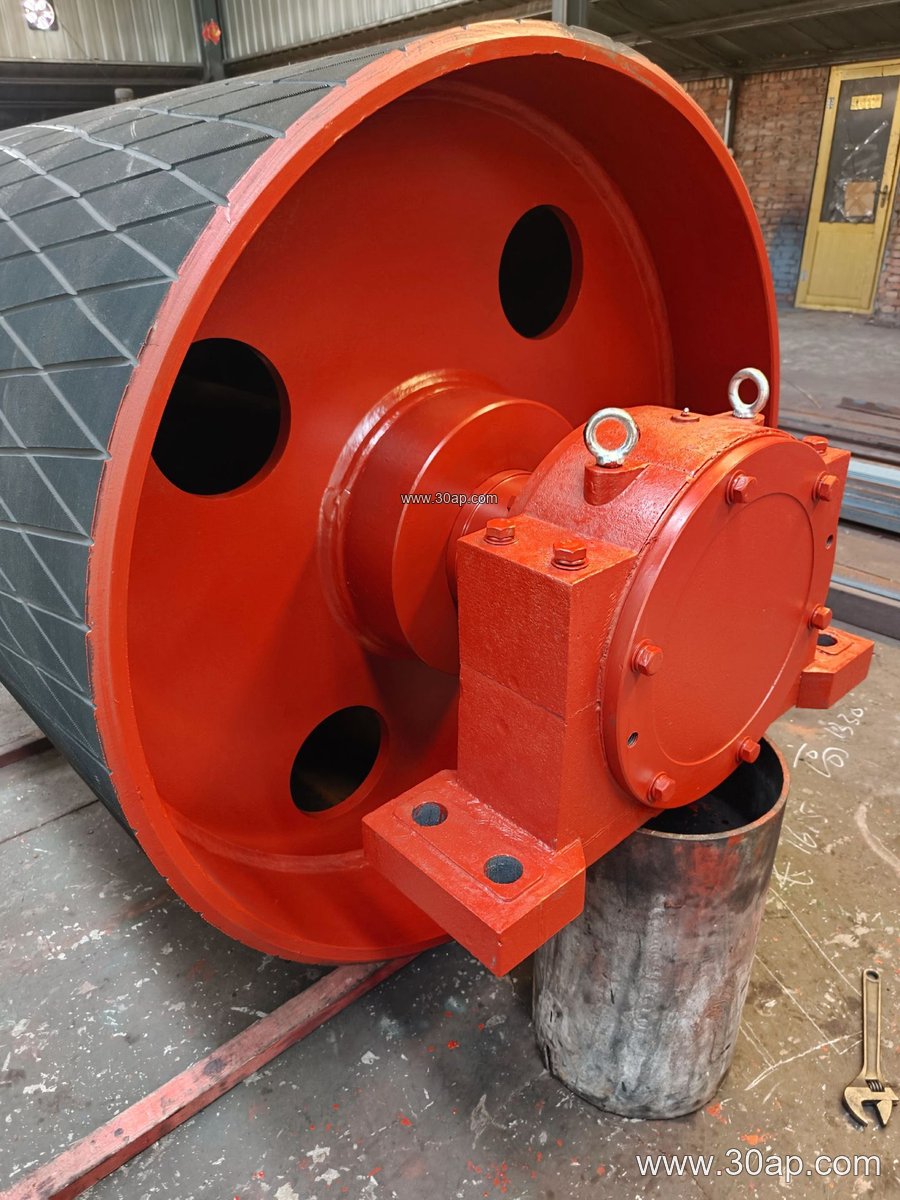
Reference Dimensions for Planning
The table below lists common reference values. Final dimensions are confirmed by the conveyor designer.
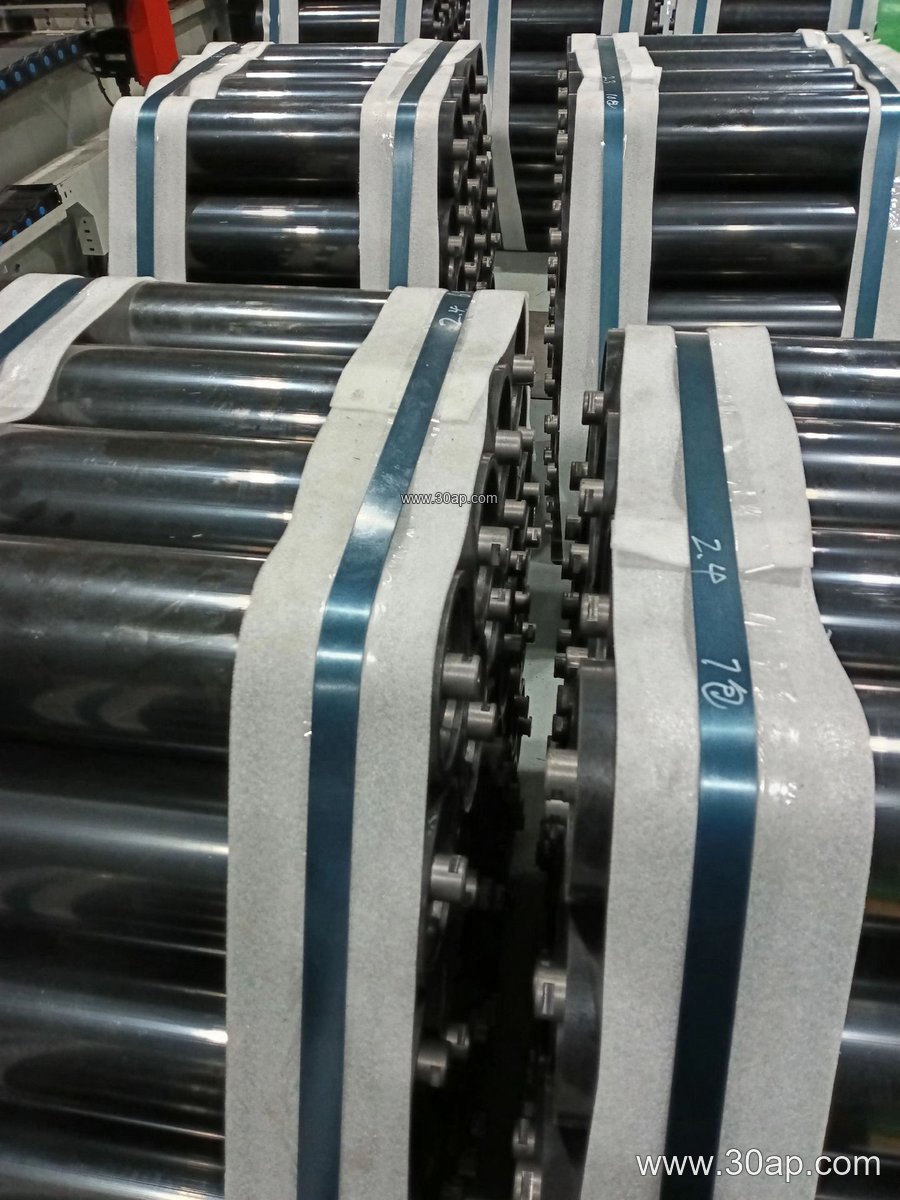
| Belt width | Typical face width | Example pulley diameter |
|---|---|---|
| B500 | about 600 mm | Ø250 to Ø400 |
| B650 | about 750 mm | Ø315 to Ø500 |
| B800 | about 950 mm | Ø400 to Ø630 |
| B1000 | about 1150 mm | Ø500 to Ø800 |
| B1200 | about 1400 mm | Ø630 to Ø1000 |
| B1400 | about 1600 mm | Ø800 to Ø1250 |
| B1600 | about 1800 mm | Ø1000 to Ø1400 |
Shaft diameters are commonly Ø50, Ø60, Ø70, Ø80, Ø90, Ø100, Ø120, Ø140, Ø160, Ø180 and Ø200, selected from torque and load calculations.
Matching the Pulley to the Belt and the Duty
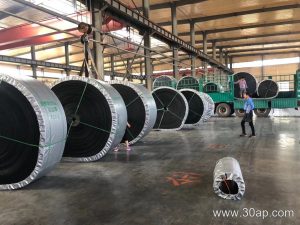
The pulley works with the belt, not in isolation. A heavy-duty mining conveyor belt such as an abrasion resistant conveyor belt or a flame retardant conveyor belt for coal handling will have its own tension and tracking behavior. In aggregate plants, an EP conveyor belt or a multi-ply fabric core conveyor belt is common, while long overland runs may use a steel cord conveyor belt. The lagging choice should suit the belt cover: aggressive ceramic lagging on a soft cover can cause wear, and smooth lagging on a wet incline may slip.
Also consider the conveyor pulley bracket, bearing type and lubrication access. Poor access for greasing is a frequent cause of early bearing failure in quarry and cement plant installations.
What Buyers Should Confirm Before Ordering
- Pulley position and function: drive, tail, bend, take-up or snub.
- Belt width, pulley diameter and face width as a matched set.
- Shaft diameter, keyway and bearing housing dimensions.
- Lagging type and thickness, plus the belt cover it will contact.
- Environmental conditions: dust, water, temperature and fire risk.
- Balancing, inspection openings and maintenance access.
For a quarry, sand and gravel line or cement plant, a well-specified mining belt conveyor pulley keeps the belt tracking straight and the drive efficient. For related components, review the conveyor belt, idler roller and conveyor bracket together so the whole conveyor is designed as one system.