What an Anti-Impact Idler Does at the Loading Point
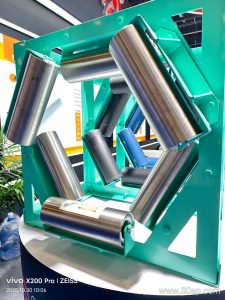
An anti-impact idler is a conveyor idler roller built to absorb the force of falling material at a transfer point. Where a standard carrying idler mainly supports the belt and the load, this impact idler is designed for the moment rock, ore, clinker or aggregate drops onto the conveyor belt. The cushioning action protects both the belt cover and the idler itself, and it reduces the shock that would otherwise travel into the frame and the conveyor bracket.
Because the load lands with energy rather than gently, the anti-impact idler is usually placed in the first few positions after the chute or hopper. In a quarry conveyor, a crusher discharge, or a coal mining conveyor, this short section takes more punishment than the rest of the line. Using a dedicated impact roller there is a practical way to extend service life without changing the whole conveyor structure.
How the Impact Idler Is Built
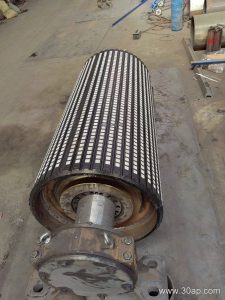
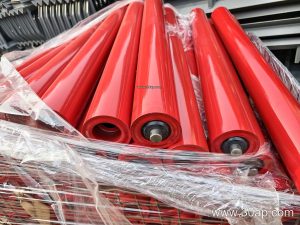
The cushioning effect comes from the roller surface and the way the shell is supported. Common designs use rubber rings or rubber discs mounted on the steel shell, sometimes in a staggered pattern, so the falling material compresses the rubber instead of striking a rigid steel face. Other versions use a thick rubber-covered roller body. Both forms are often described as a rubber disc impact idler or rubber ring buffer idler, which is the same product under a different name.
Inside, the bearing arrangement matters as much as the outside. Bearings such as 6204, 6205, 6305, 6306, 6308 or 6310 are commonly used depending on the roller diameter and load, and the seal must keep out dust and fine grit. In a cement plant or sand and gravel line, airborne dust is constant, so a well-sealed impact idler lasts noticeably longer than an open one. The shaft, bearing housing and end caps are usually heavier than on a standard carrying idler to resist deflection under shock.
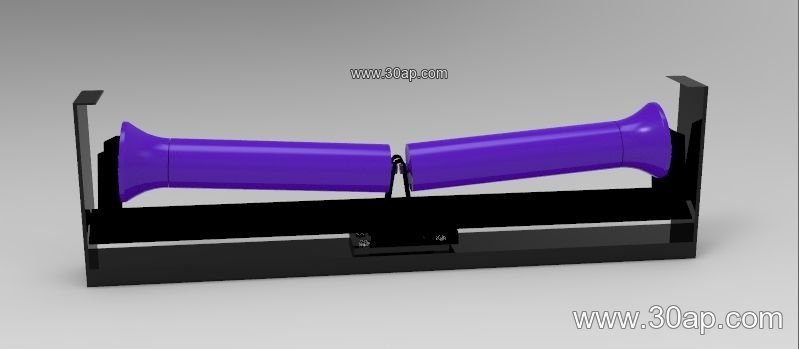
Where Impact Idlers Fit on the Conveyor
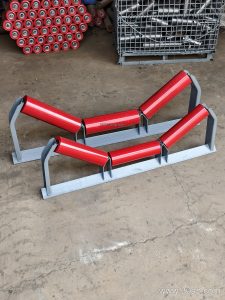
These rollers are most often supplied as part of a three-roll troughing set, with the impact rolls at the centre and side positions. They can also appear in a two-roll arrangement at smaller transfer points. The trough angle is selected to suit the belt and the material; 20, 30, 35 and 45 degrees are common, and the choice affects how the load sits in the trough.
Typical installation points include:
- Below a chute or hopper where material falls onto the belt
- At a crusher discharge in a stone crushing or ore handling line
- At the head of a coal conveyor or power plant coal handling system
- Where a conveyor belt changes direction and the load shifts
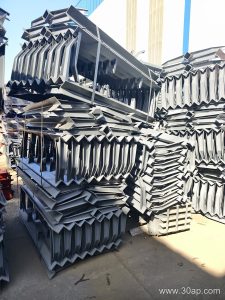
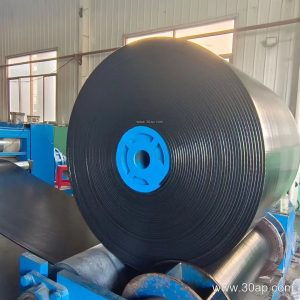
The idler works together with the conveyor belt, the conveyor pulley at the drive end, and the conveyor bracket that holds each station. A heavy-duty mining conveyor carrying large lump sizes will usually need a more robust impact section than a fine aggregate line.
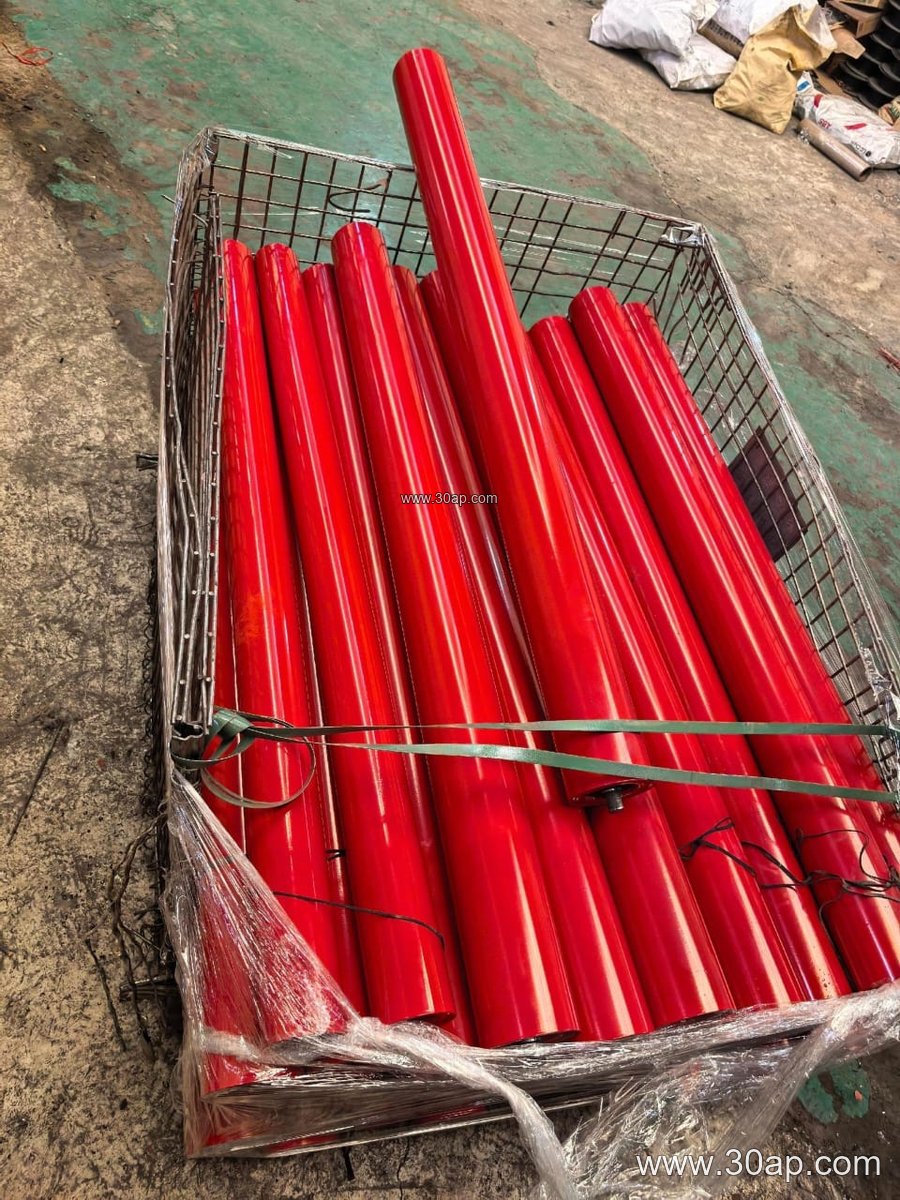
Matching the Idler to Belt Width and Roller Diameter
Buyers should match the impact idler to the belt width, the troughing configuration and the expected lump size. Roller length changes with belt width and trough angle; for a three-roll troughing set, common roll lengths are roughly 200 mm at B500, 250 mm at B650, 315 mm at B800, 380 mm at B1000, 465 mm at B1200, 530 mm at B1400 and 600 mm at B1600. These are examples only, and the centre roll and side rolls may differ.
| Parameter | Common Range |
|---|---|
| Roller diameter | Ø63, Ø76, Ø89, Ø102, Ø108, Ø127, Ø133, Ø159, Ø178, Ø194, Ø219 mm |
| Belt width | B400 to B2400 |
| Trough angle | 20°, 30°, 35°, 45° |
| Roll surface | Rubber ring, rubber disc, steel tube |
| Bearing | 6204, 6205, 6305, 6306, 6308, 6310 |
The belt width does not dictate a single pulley diameter or shaft size, so the drive and tail pulleys should be specified from the conveyor design data, not assumed from the idler size. A wide belt such as 1200 mm or 1400 mm may use different roller diameters depending on load and speed.
Selection and Maintenance Notes
When specifying an anti-impact idler, confirm the material lump size, the drop height, the belt speed and the belt type. A steel cord conveyor belt or a thick EP conveyor belt can tolerate more impact than a thin fabric core belt, but the loading zone still benefits from cushioning. In dusty or wet conditions, check seal quality and bearing lubrication intervals.
Inspect the impact section regularly for worn rubber rings, flattened discs, loose end caps and seized bearings. Replacing worn rings before the steel shell is exposed is cheaper than replacing the whole roller, and it keeps the belt cover from being cut. For advice on compatible conveyor components, visit conveyoridlerpro.com and review the idler and roller options for your line.