Understanding the Coal Conveyor Belt
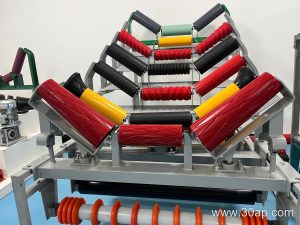
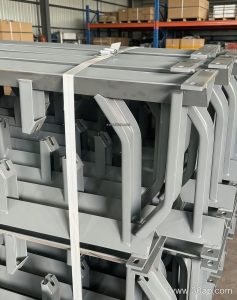
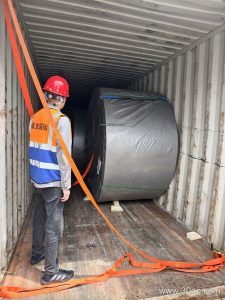
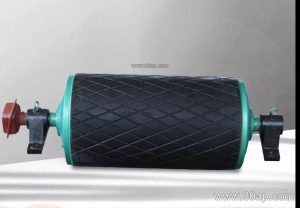
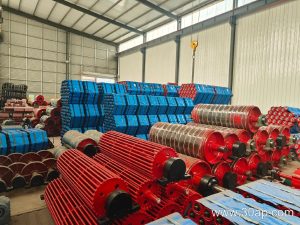
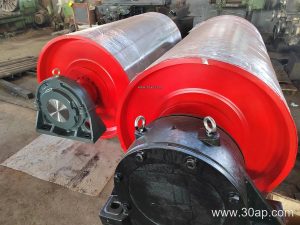
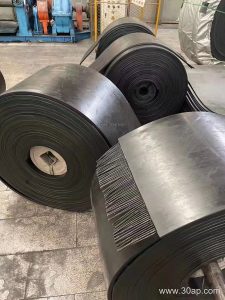
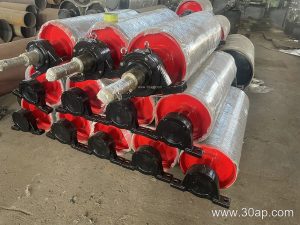
A coal conveyor belt is the continuous loop that carries coal from one point to another in mines, power plants, ports, and bulk terminals. It is a heavy-duty product designed to withstand abrasion, impact, and often flame exposure. The belt runs over a series of idler rollers and conveyor pulleys, with the drive pulley providing motion and the tail pulley maintaining tension. Conveyor brackets support the entire structure. This article covers the construction, common specifications, and practical selection points for coal conveyor belts.
Construction and Materials
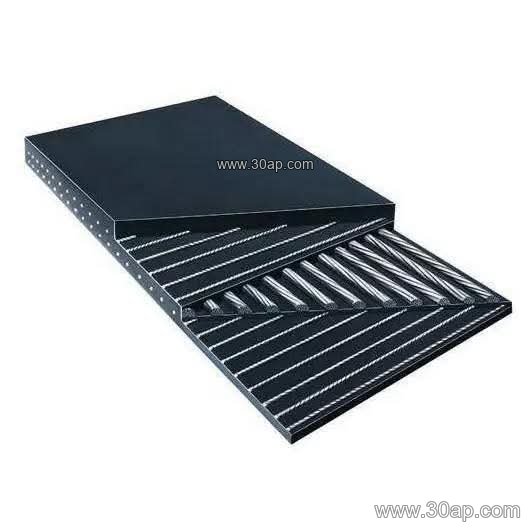
Most coal conveyor belts use a fabric core or steel cord reinforcement. Fabric cores include EP (polyester-cotton) and NN (nylon-nylon) constructions. EP conveyor belts are common in coal handling because of their balance of strength and elongation. NN conveyor belts offer higher elongation and impact resistance. For very long distances or high tension, a steel cord conveyor belt is used. The cover rubber is typically compounded for abrasion resistance, flame retardancy, or both. In underground coal mining, flame retardant conveyor belts and anti-static conveyor belts are often required. A typical multi-ply fabric core conveyor belt has 2 to 6 plies, with cover thicknesses such as 3+1.5 mm, 4+2 mm, or 6+2 mm. These values are common references, not fixed rules.
Common Types and Specifications
The table below lists typical reference data for coal conveyor belts. Actual selection depends on the conveyor design, coal lump size, drop height, and environmental conditions.
| Type | Common Strength Grades | Typical Belt Widths | Cover Thickness Examples |
|---|---|---|---|
| EP Conveyor Belt | EP200, EP315, EP500, EP800, EP1000, EP1250, EP1600 | B500, B650, B800, B1000, B1200, B1400, B1600, B1800, B2000 | 3+1.5 mm, 4+2 mm, 5+2 mm, 6+2 mm, 8+3 mm |
| NN Conveyor Belt | NN100, NN200, NN300, NN400 | B500 to B2000 | 3+1.5 mm to 8+3 mm |
| Steel Cord Conveyor Belt | ST1000, ST1250, ST1600, ST2000, ST2500, ST3150 | B800 to B2400 | 5+2 mm to 8+3 mm |
| PVC/PVG Conveyor Belt | PVG800, PVG800S | B650 to B1800 | 2+1 mm to 5+2 mm |
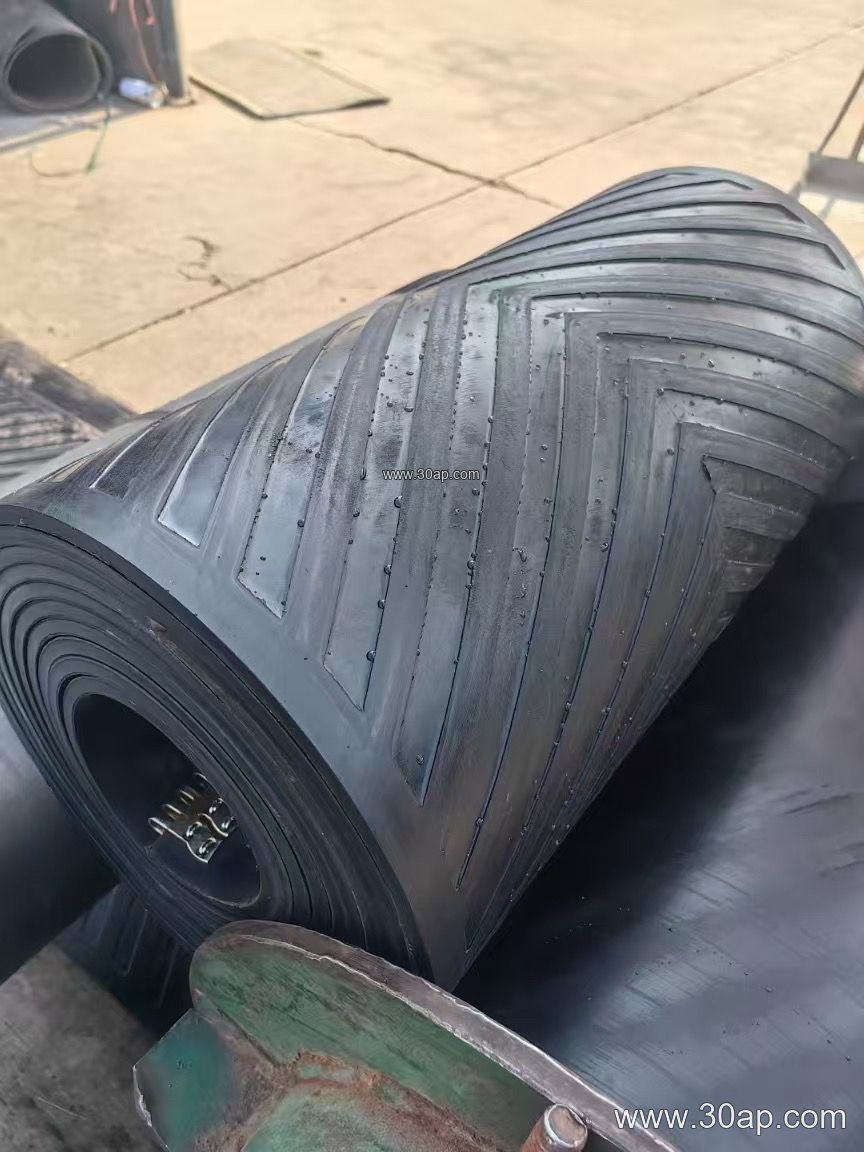
Specialty belts include heat resistant conveyor belt for coal with high temperature, oil resistant conveyor belt when oil contamination is possible, and cold resistant conveyor belt for freezing climates. Chevron conveyor belts and corrugated sidewall conveyor belts help prevent material spillage on inclined sections. A pipe conveyor belt encloses the coal to reduce dust and spillage in environmentally sensitive areas.
Where Coal Conveyor Belts Are Used
These belts are found in underground coal mining conveyor belt systems, surface mines, coal preparation plants, and power plant coal yards. They also appear in cement plants handling coal as fuel, in steel plants, and at port conveyor belt systems for ship loading. In quarry and aggregate operations, a coal conveyor belt may be used for similar bulk materials, but the focus here remains coal. The belt works with conveyor pulleys, idler rollers, and conveyor brackets to form a complete handling line. The drive pulley, tail pulley, and bend pulleys each have distinct roles and are not interchangeable. Proper alignment of these components extends belt life.
Selection and Maintenance Notes
Buyers should consider the maximum lump size, throughput, inclination angle, and environmental conditions. For high impact at transfer points, an impact resistant conveyor belt or extra cover thickness helps. For long overland conveyors, a high strength conveyor belt such as EP1000 or steel cord ST1600 may be appropriate. Belt width should be matched to the conveyor frame and pulley face width, but one belt width does not dictate a single pulley diameter; the pulley diameter is selected based on belt tension and ply count. Regular inspection of idler rollers and pulleys prevents premature wear. Keeping the belt clean and tracking correctly reduces edge damage. For underground coal mining, verify that the flame retardant and anti-static properties meet the site requirements. Always request the manufacturer’s data sheet for the specific coal conveyor belt model, as cover grades and ply constructions vary.