What the PVG800S Conveyor Belt Is
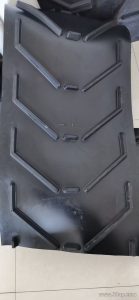
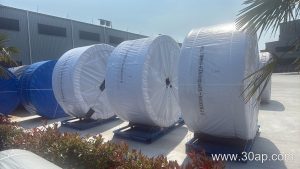
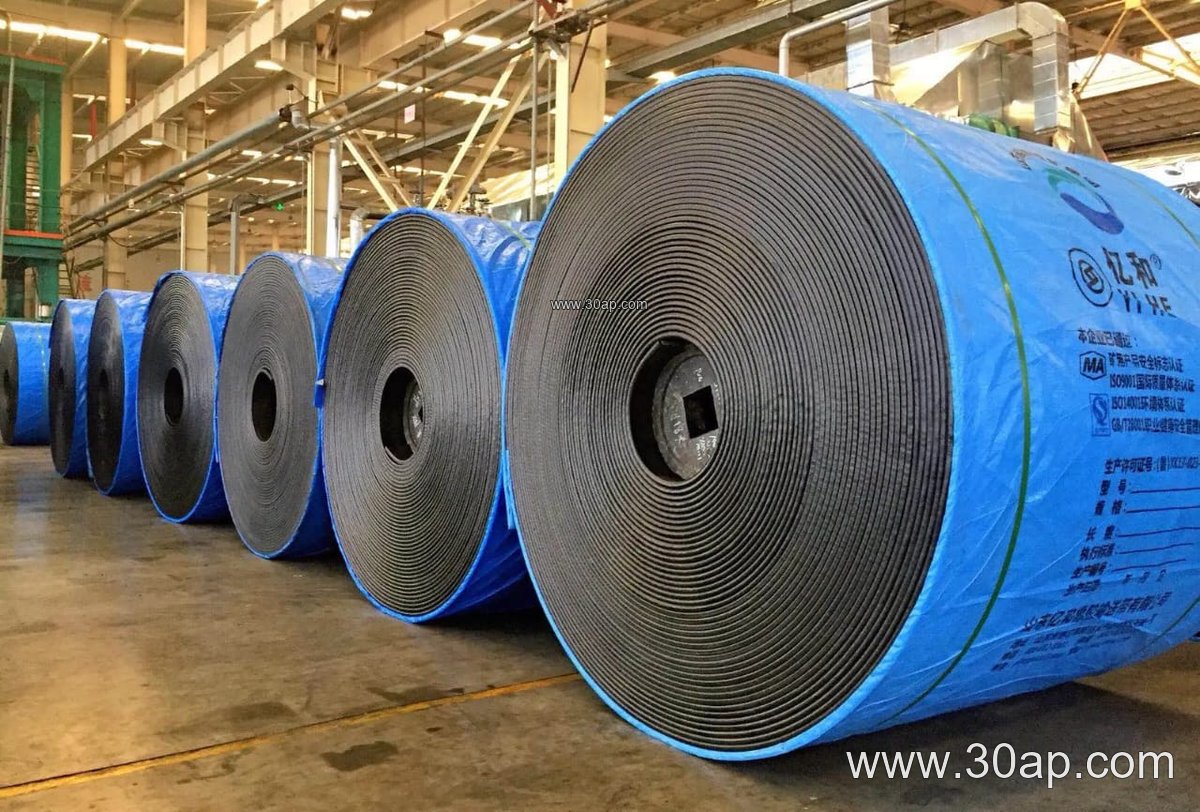
The PVG800S Conveyor Belt is a solid-woven, PVC-based conveyor belt grade used on underground and surface conveying systems where flame resistance and moderate tensile strength are required. In the PVG family, the number 800 refers to the nominal tensile strength class, while the S suffix denotes a specific construction variant within that class. It is a solid woven belt rather than a multi-ply fabric core belt, which gives it a compact, single-body carcass that resists delamination and edge wear in demanding service.
Buyers often encounter this product under the equivalent name PVG800S solid woven conveyor belt, and both terms describe the same article. It should not be confused with EP Conveyor Belt or Steel Cord Conveyor Belt constructions, which use different carcass architectures and are selected for different duty levels.
Construction and Material Build
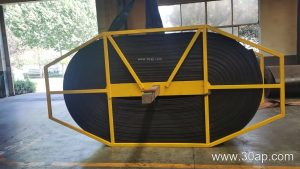
The belt is built around a solid woven carcass, normally of polyester and nylon yarns, impregnated and coated with PVC. This construction is commonly chosen for coal mining conveyor belts and other underground installations where a flame retardant conveyor belt is specified. The cover surfaces are usually smooth, and the belt can be supplied as an Endless Conveyor Belt when the application calls for a joint-free loop.
Typical reference data for this class, to be confirmed with the manufacturer, include:
- Nominal strength class: 800, within the PVG range
- Carcass: solid woven, PVC impregnated
- Common widths: 650 mm, 800 mm, 1000 mm, 1200 mm
- Cover thickness: usually 1.5 to 3 mm per side, depending on design
- Surface: smooth as standard, with other forms available on request
Because the carcass is a single woven body, the belt tends to hold its fasteners well and resists tearing at the edges. The PVC coating also contributes anti-static and flame retardant behaviour, which matters in confined underground roadways.
Where It Is Used
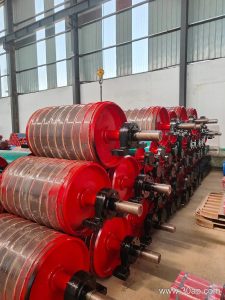
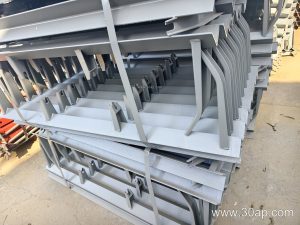
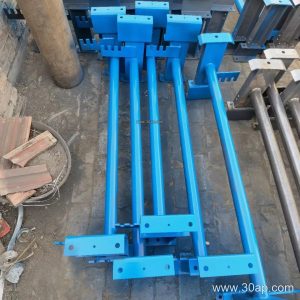
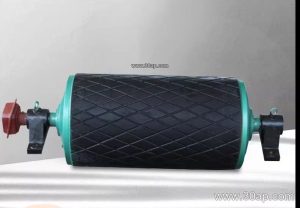
The PVG800S Conveyor Belt fits mid-duty haulage in coal mines, cement plants, power plants, and sand and gravel yards. It is common on main gate roadways, transfer points, and incline sections where a Mining Conveyor Belt with flame resistance is needed but the tension does not justify a steel cord construction. In a typical system, the belt runs over idler roller sets supported by conveyor bracket frames, and around conveyor pulley assemblies at the drive, tail and bend positions.
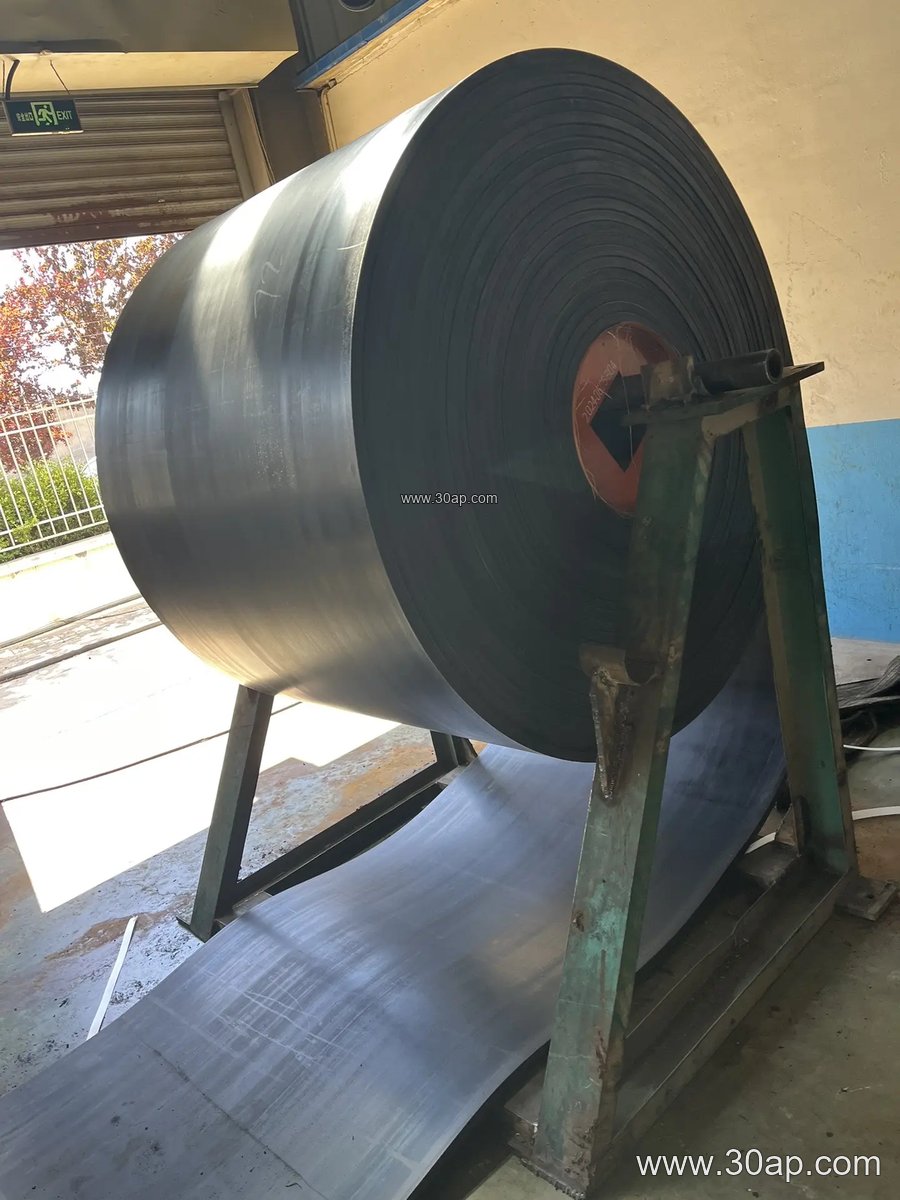
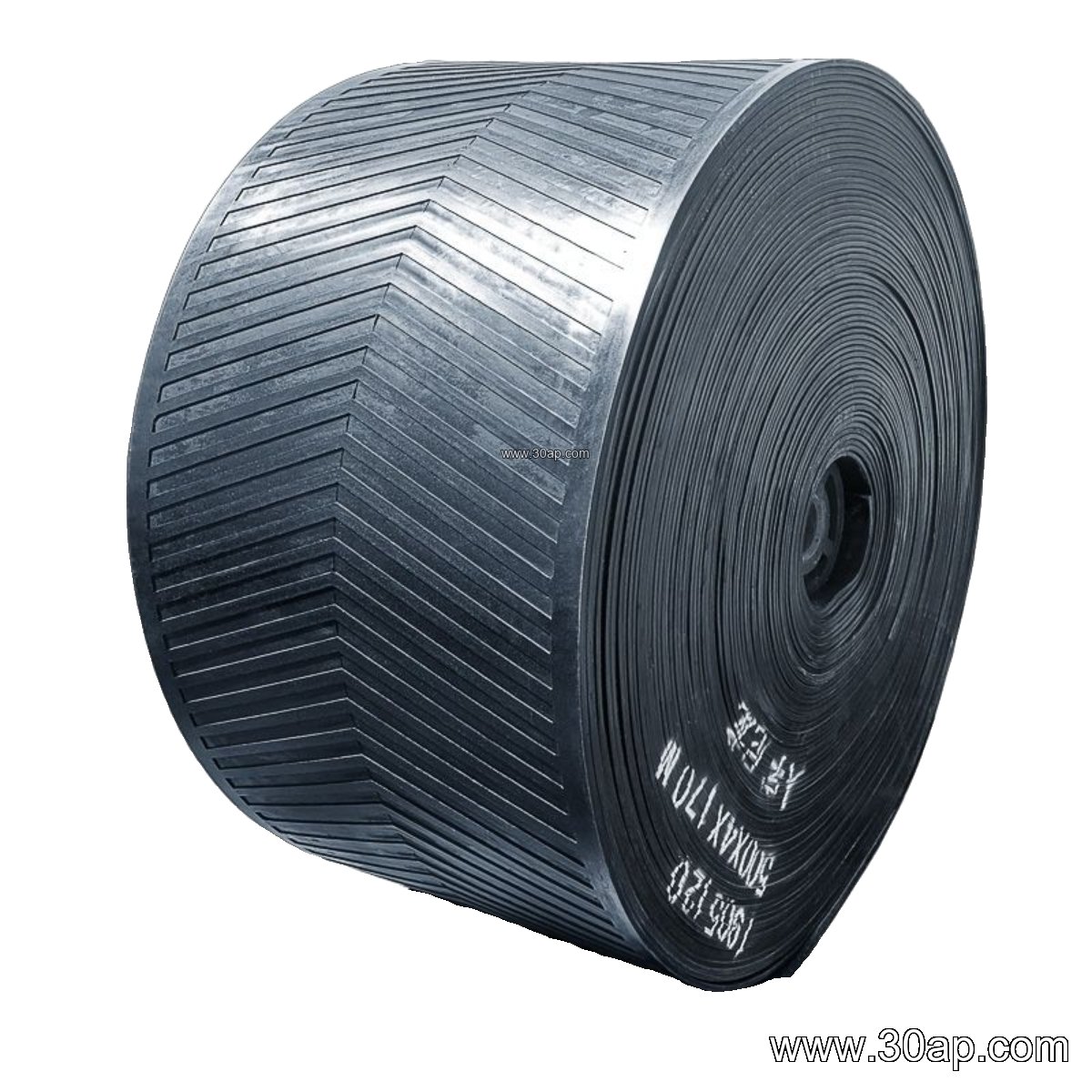
It is also seen in preparation plants and bulk material handling lines feeding crushers or screens. Where the load is highly abrasive, a High Abrasion Resistant Conveyor Belt may be preferred; where oil contamination is present, an Oil Resistant Conveyor Belt is the better fit. For steep inclines, a Chevron Conveyor Belt or Corrugated Sidewall Conveyor Belt can be considered, but these are different products and do not replace the PVG800S in its intended role.
Selection Points for Buyers
Choosing the right belt starts with the duty: lump size, throughput, incline angle, and the number and layout of pulleys. The drive pulley, tail pulley and bend pulley each impose different stresses, so the belt class should be checked against the actual tension distribution rather than assumed from belt width alone. A wider belt does not automatically mean a larger pulley diameter, and shaft sizes should come from the conveyor designer, not from a belt catalogue.
Other practical checks include:
- Confirm the required flame retardant and anti-static performance for the site
- Match cover thickness to impact and abrasion conditions
- Review fastener type and splice method with the belt supplier
- Check idler roller spacing and pulley lagging for belt support
- Plan storage away from direct sunlight and ozone sources
For coal and underground work, a Coal Mining Conveyor Belt or Underground Coal Mining Conveyor Belt specification is often requested; the PVG800S can serve such duties when its strength class suits the conveyor design. In port, quarry and aggregate operations, the same belt may be used on secondary lines where flame resistance is not the main driver but a solid woven carcass is still valued.
Maintenance and Handling Notes
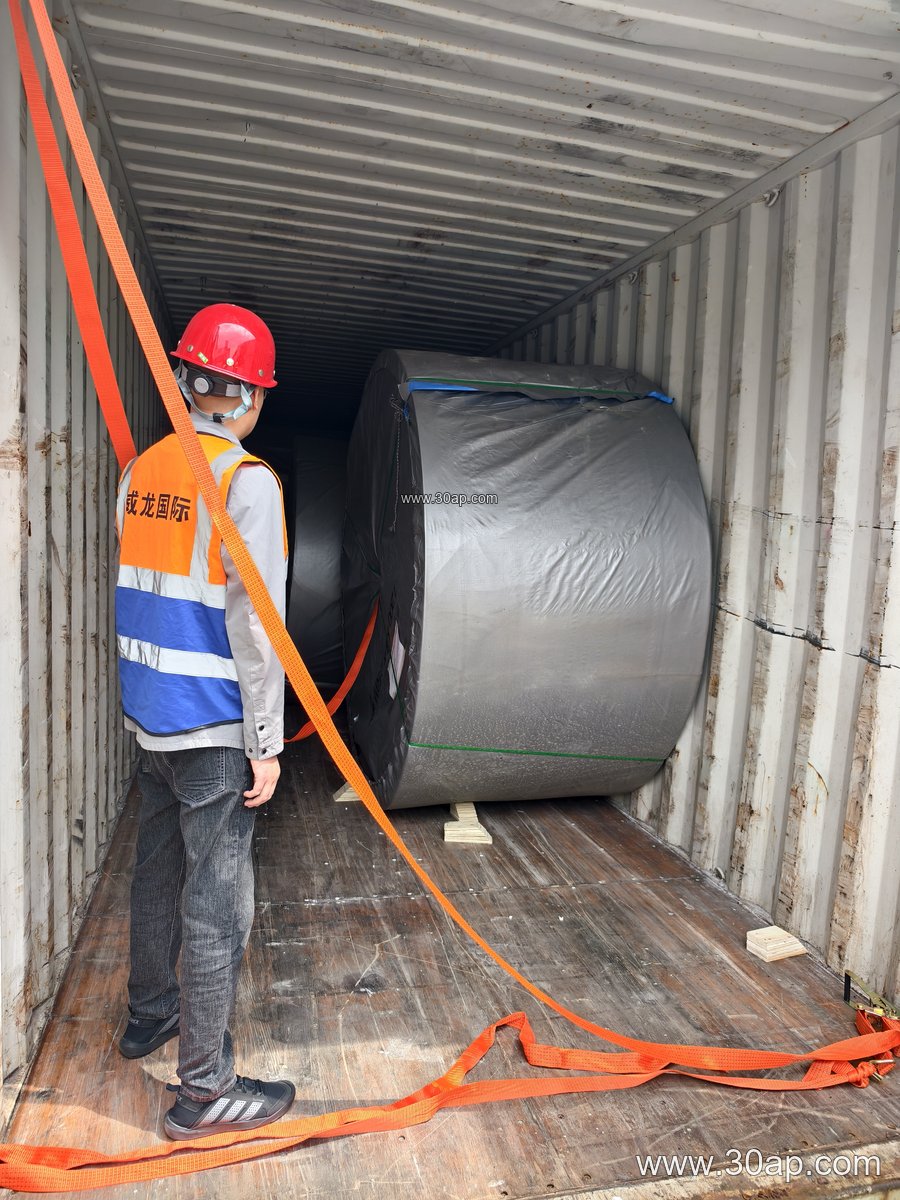
Keep the belt tracking straight by checking pulley alignment and idler roller condition regularly. Worn rollers or a misaligned conveyor pulley can cause edge damage that shortens belt life. Inspect splices and edges for cuts, and clean spillage from return runs. Store rolls on a flat surface, avoid sharp bends, and keep the belt away from heat sources. When replacing a belt, record the running direction and confirm the new roll matches the specified width and strength class before installation.