What the EP500 Conveyor Belt Is
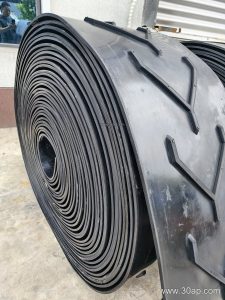
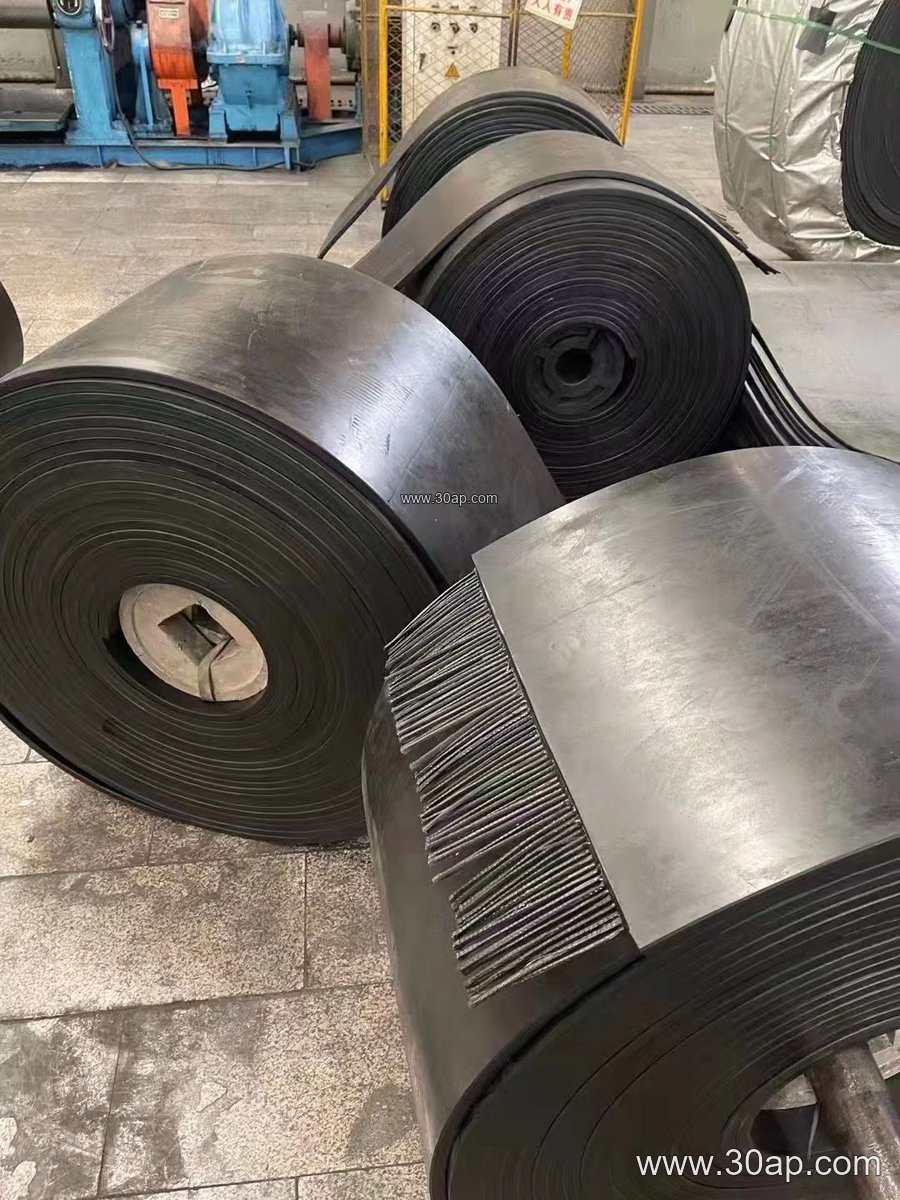
The EP500 Conveyor Belt is a fabric-core rubber belt built around polyester-polyamide (EP) carcass layers. The number 500 refers to the nominal tensile strength of the carcass, commonly expressed in N/mm, so this grade sits in the mid-to-heavy range of the EP family. It is a practical choice where an EP Conveyor Belt must carry moderate to heavy loads over long distances without the stiffness of a steel cord construction. In everyday site language, people also call it an EP Rubber Conveyor Belt or simply an EP Fabric Core Conveyor Belt, and all three names describe the same product.
The EP carcass is the key difference from an NN Conveyor Belt, which uses nylon fabric. EP fabric usually offers lower elongation under load and better dimensional stability, which matters on long inclined runs in a quarry or a cement plant. For very high tensions or very long conveyors, a Steel Cord Conveyor Belt may be the better fit, but the EP500 Conveyor Belt remains a workhorse where flexibility, spliceability and reasonable cost matter.
Construction and Typical Build
A typical belt of this grade combines a multi-ply EP carcass with rubber covers on both faces. The carcass is usually 2 to 6 plies depending on design, and the covers are selected for the duty: abrasion, heat, oil, flame or cold. Buyers often see cover thickness written as 4+2 mm, 5+2 mm, 6+2 mm or 8+3 mm, where the first figure is the top cover and the second the bottom cover. These are common reference values, not fixed rules, and the final build should follow the conveyor design and the material being carried.
Edge construction, skim rubber between plies and the quality of the splice all affect service life. A well-made EP500 Conveyor Belt should resist impact at the loading point, track reasonably on the conveyor pulley and hold its splice strength over time.
Common Sizes and Parameter Reference
Width and strength are usually chosen together with the conveyor layout. The table below gives typical reference data for this grade; actual values vary by manufacturer and by project design.
- Strength grade: EP500 (part of the EP200 to EP2000 range)
- Common belt widths: B500, B650, B800, B1000, B1200, B1400, B1600
- Cover thickness examples: 3+1.5 mm, 4+2 mm, 5+2 mm, 6+2 mm, 8+3 mm
- Carcass plies: usually 2 to 6
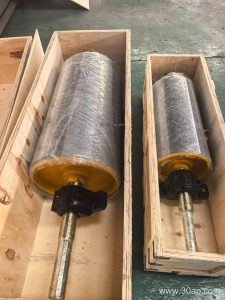
Do not assume that one belt width matches one pulley diameter. The conveyor pulley size, shaft and bearing arrangement are determined by the conveyor designer, not by belt width alone. Likewise, a 1200mm Wide Conveyor Belt and a 1000mm belt may both be supplied in EP500 grade, but their duty and support structure will differ.
Where It Fits in the Field
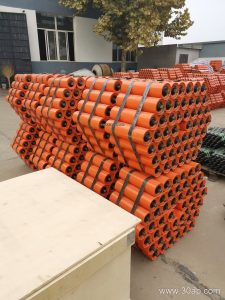
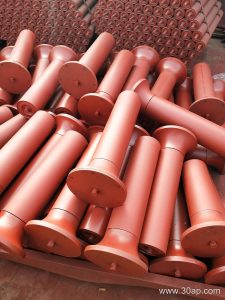
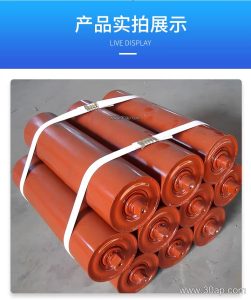
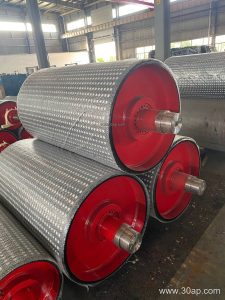
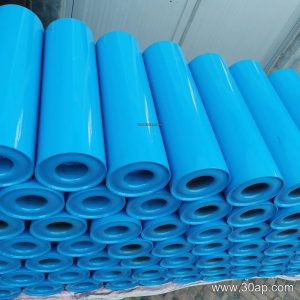
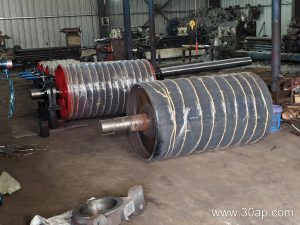
This belt grade appears in many bulk handling settings. In a sand and gravel pit, an Aggregate Conveyor Belt of EP500 construction may feed a crusher or stacker. In a cement plant, it can move clinker, limestone or raw meal on medium-length conveyors. Power plants use it for coal and ash handling, and mines often specify a flame retardant or anti-static version for underground work. A Mining Conveyor Belt in this grade may run alongside idler roller sets, a conveyor pulley at the head and tail, and sturdy conveyor bracket frames.
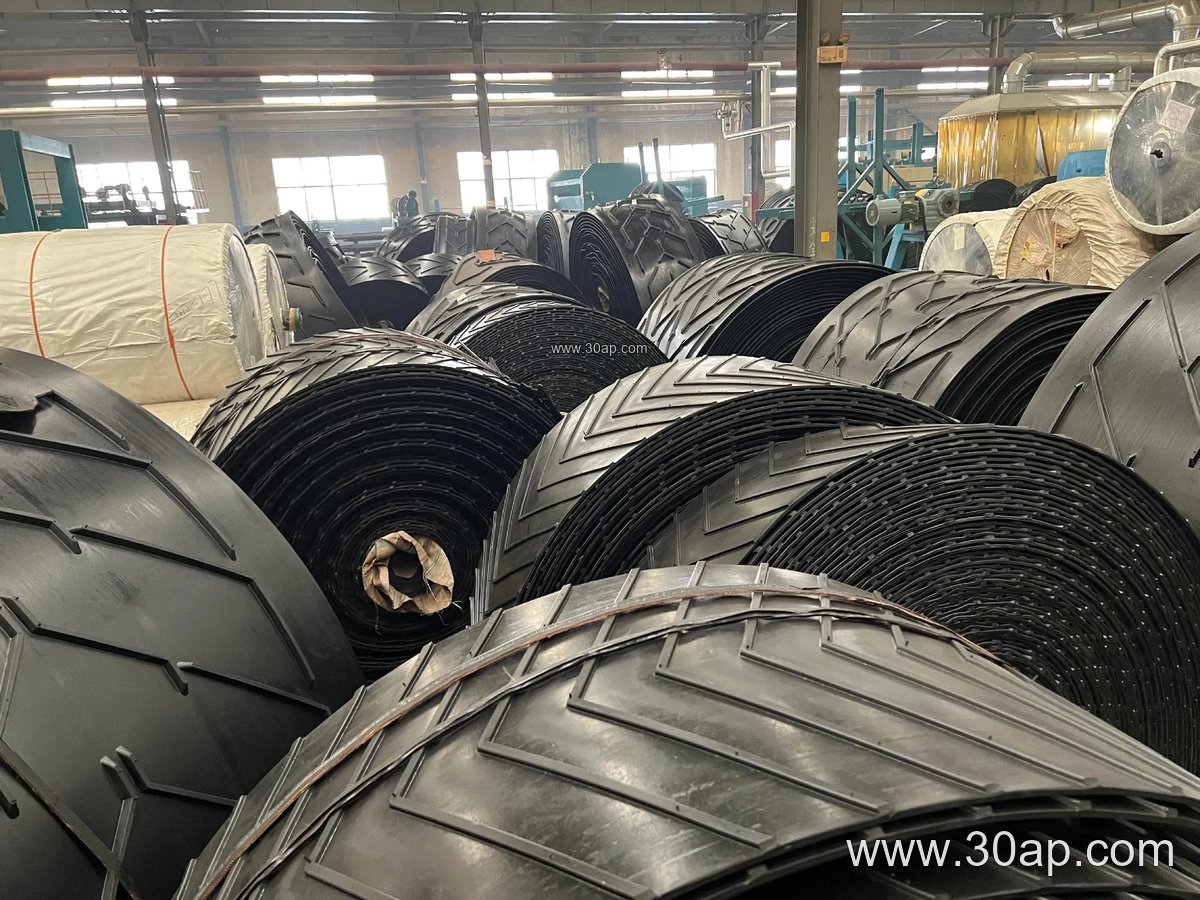
Other industries include steel plants, ports, recycling lines and stone crushing plants. When the load is sharp and abrasive, a High Abrasion Resistant Conveyor Belt cover is worth considering. When heat is present, a Heat Resistant Conveyor Belt compound is preferred. For underground coal work, a Flame Retardant Conveyor Belt or Fire Resistant Conveyor Belt specification is often requested by the site, and PVG Conveyor Belt constructions are common in that environment.
Selection and Maintenance Notes
Choose the strength grade from the calculated belt tension, then select the cover compound from the material and the working environment. A belt that carries wet, sticky material may need a different cover than one handling dry rock. Impact at the transfer point can be reduced with proper idler roller spacing and impact beds, while a correctly aligned conveyor pulley and clean conveyor bracket frame help the belt track straight.
During operation, check splice condition, edge wear, cover thickness and pulley lagging. Keep the belt tension within the design range and avoid over-tensioning, which shortens carcass life. Store spare rolls in a dry, shaded place and rotate stock so the rubber does not age unevenly.
For buyers comparing options, the EP500 Conveyor Belt is a balanced choice between the lighter EP200 or EP315 grades and the heavier EP800 or EP1000 constructions. It suits many quarry, cement, power and mining duties where a Fabric Core Conveyor Belt with good strength and reasonable flexibility is needed.