What a Metallurgical Conveyor Pulley Does
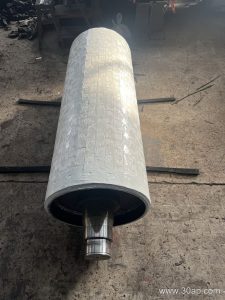
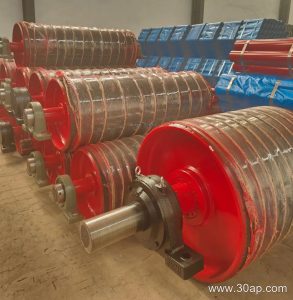
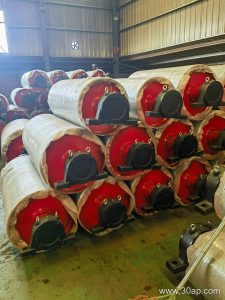
A metallurgical conveyor pulley is the large rotating drum that drives, tensions, or redirects a conveyor belt in metallurgical and heavy bulk operations. In a sinter plant, a pelletizing line, or an ore handling circuit, this drum transfers torque from the drive to the belt and keeps the belt tracking under constant load. It is a force-transmitting component, not a passive roller, so its shaft, shell, and lagging must be matched to the duty. When buyers ask for a conveyor pulley for metallurgical service, they usually mean the drive or head drum at the discharge end, though tail and bend positions use the same family of components with different design emphasis.
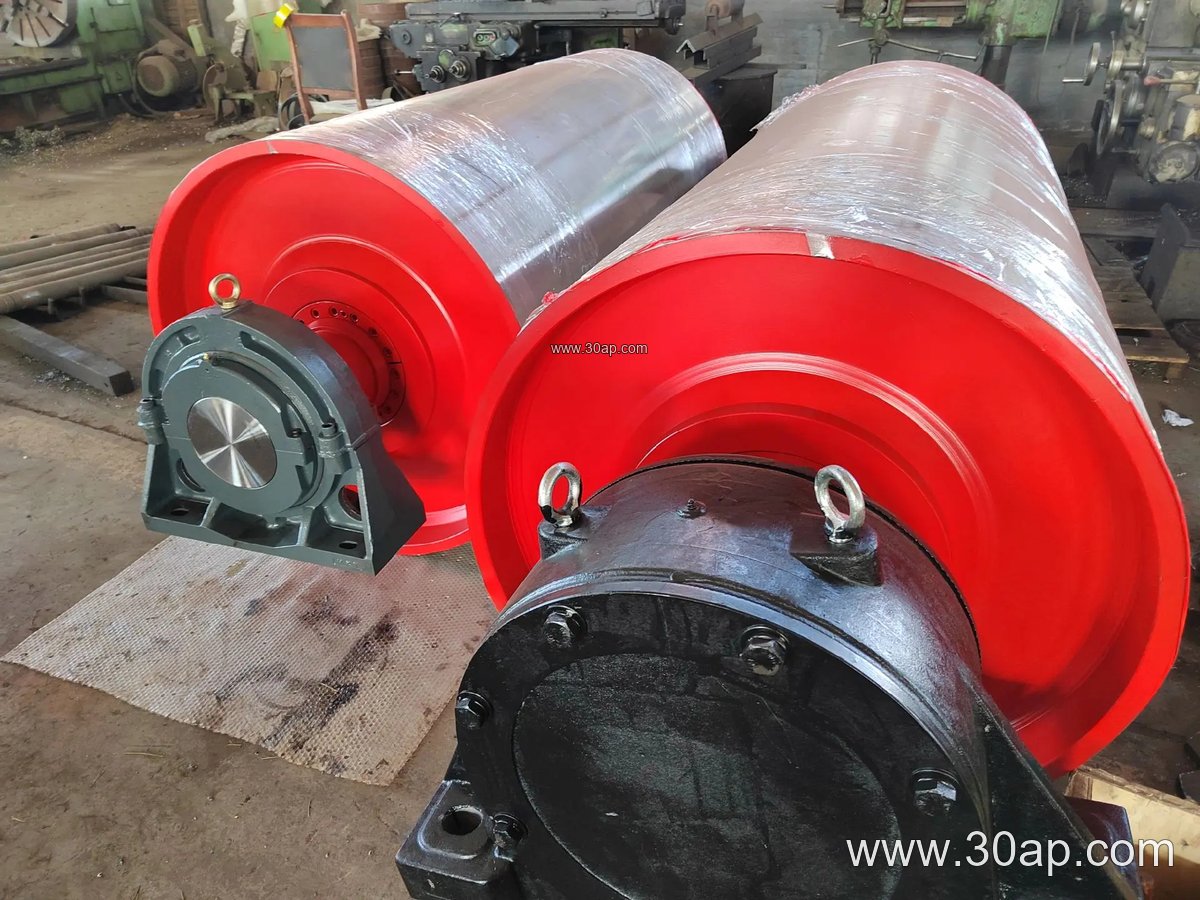
Drive, tail, and bend positions are not interchangeable
A drive pulley (also called the head or discharge drum) carries the highest torque and often the thickest lagging. A tail pulley sits at the loading end and may include a self-cleaning or wing profile. A bend pulley only changes belt direction and sees lower torque. Each position has its own bearing load and shell thickness requirement, so a drum pulled from one position cannot simply be swapped into another.
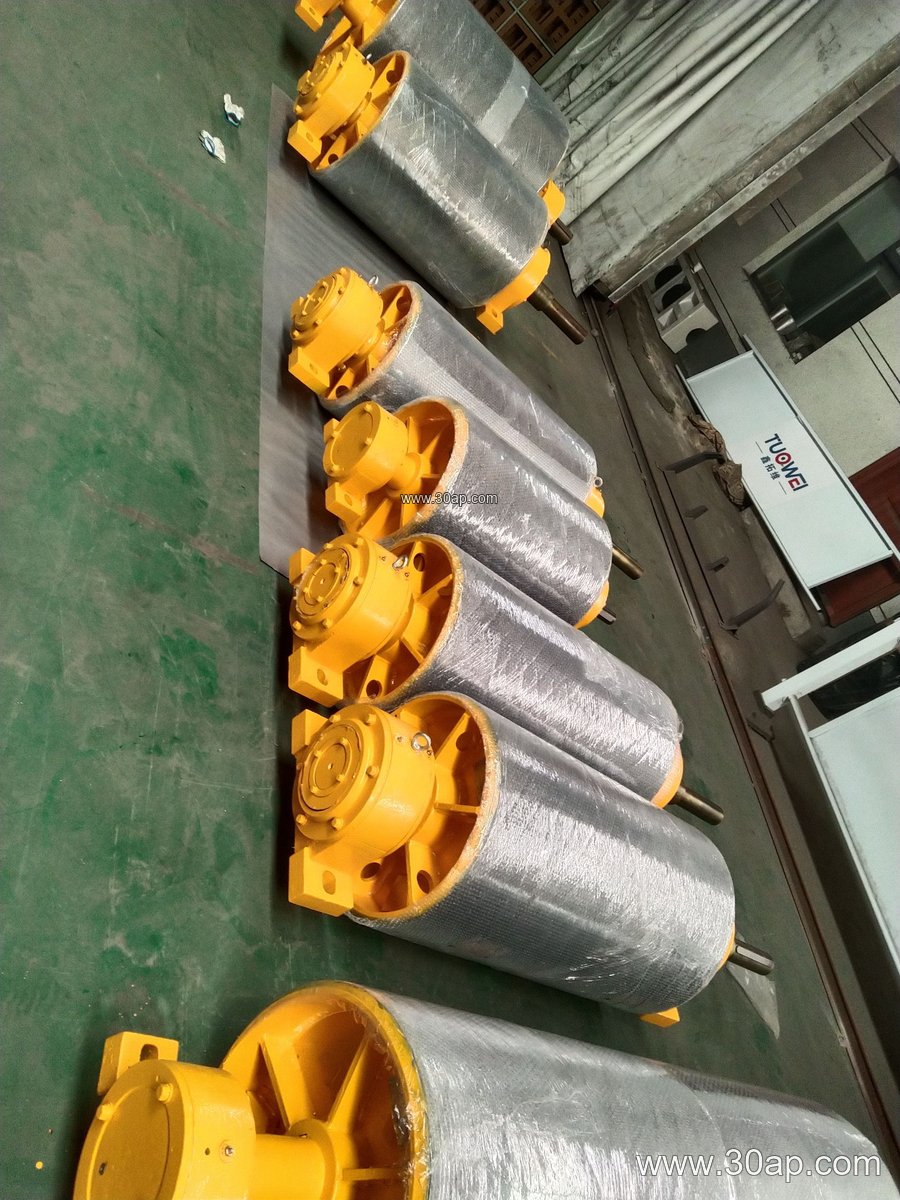
How the Drum Is Built
The shell is usually rolled steel plate, machined and welded to end discs, with a shaft pressed and keyed into the hub. Common diameters range from Ø200 up to Ø1800, and shell widths typically run wider than the belt: a B800 belt often matches a drum face around 950 mm, while B1200 usually pairs with about 1400 mm. These are reference patterns, not fixed rules, and the final combination is set by belt tension, wrap angle, and shaft torque. Shaft diameters commonly fall between Ø50 and Ø200 and are determined by torque and load, never by belt width alone.
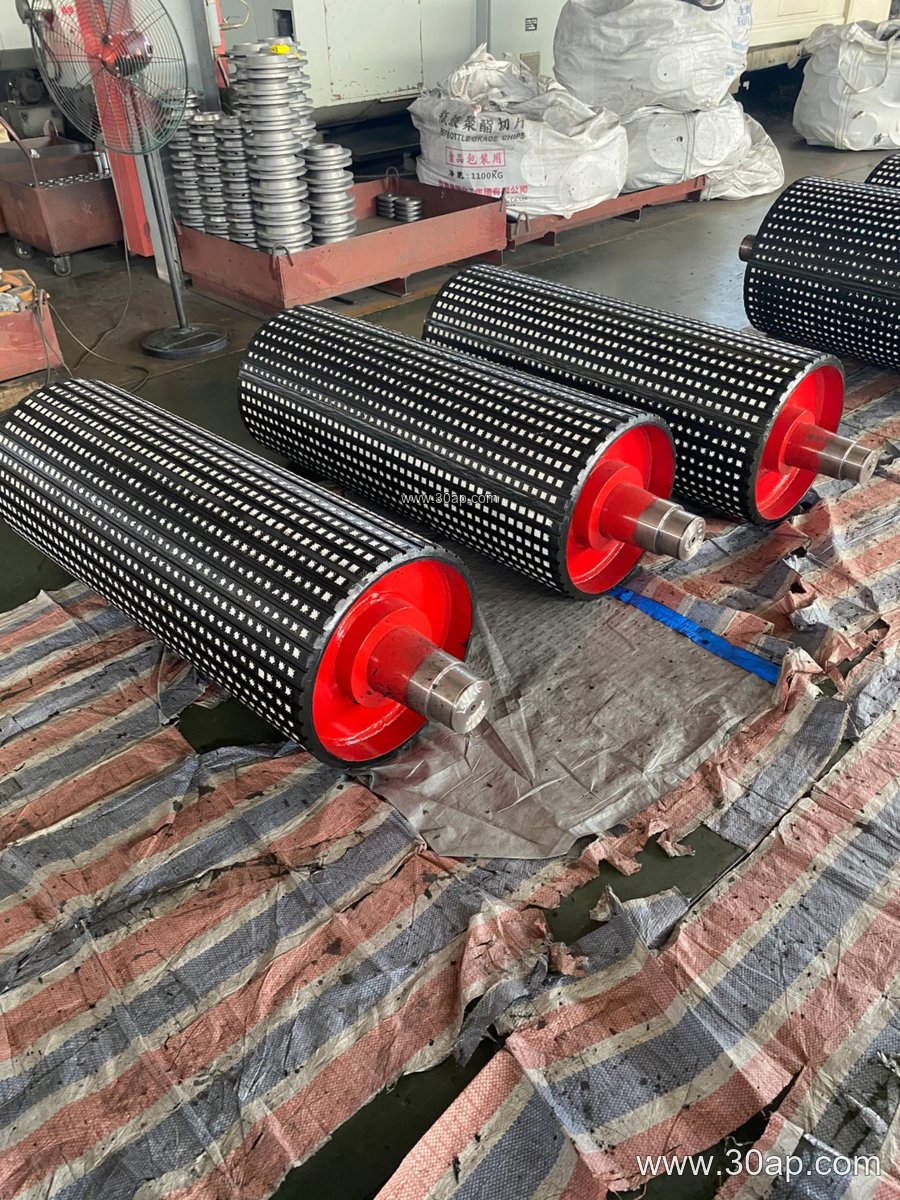
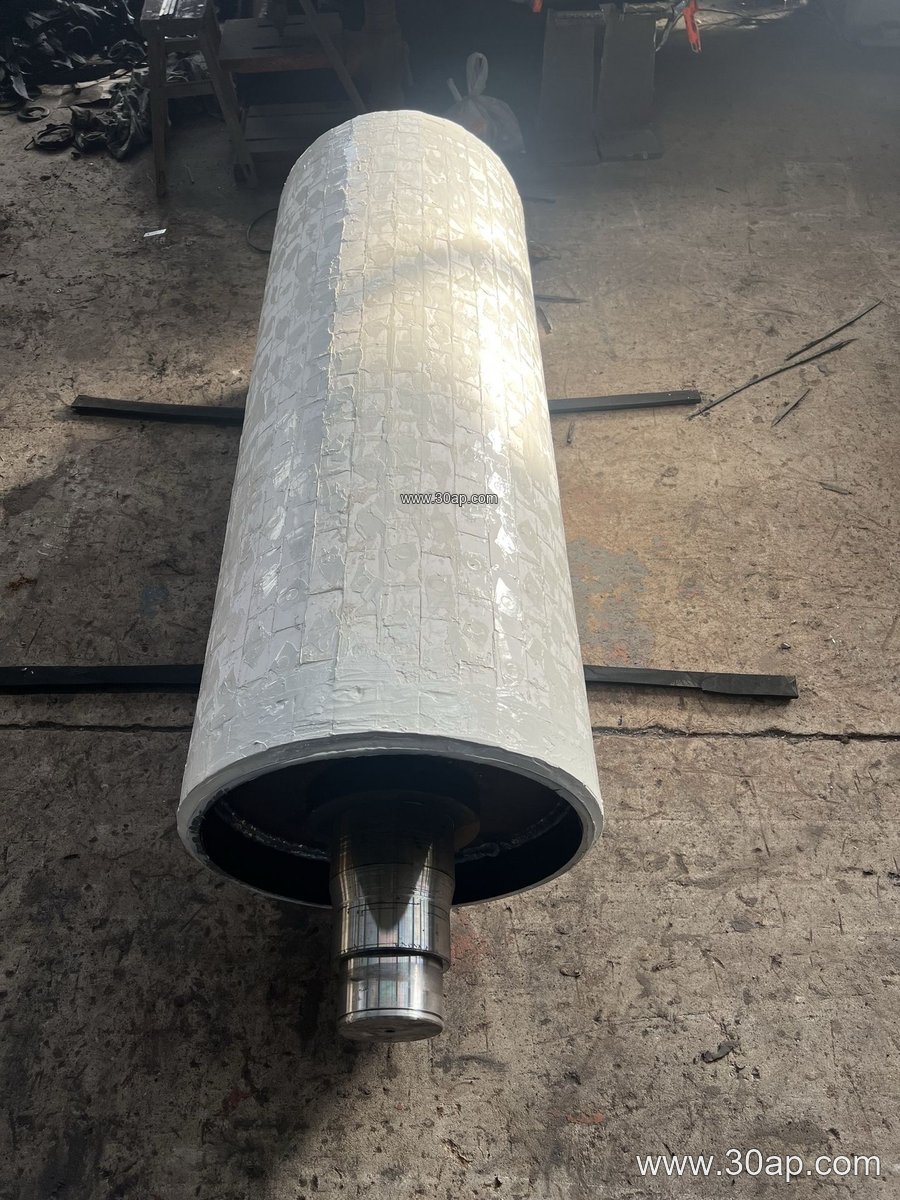
Lagging and surface forms
Surface treatment controls grip and wear. Plain, cold-bonded rubber, hot-vulcanized rubber, diamond, chevron, and ceramic lagging are all used. Lagging thickness of 8, 10, 12, 15, or 20 mm is common, with ceramic or diamond patterns favored where the belt is wet or oily. A typical order might read B1200 × Ø1000 with 12 mm diamond lagging, but the correct pairing depends on the conveyor design, not a catalog shortcut.
Where It Fits in the Plant
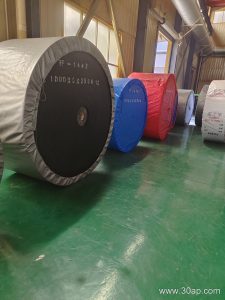
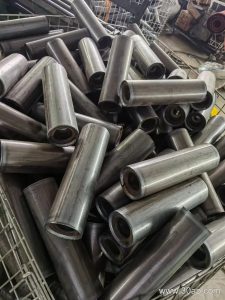
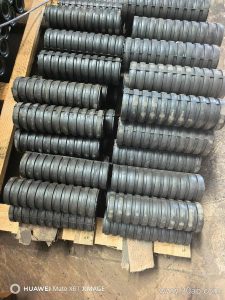
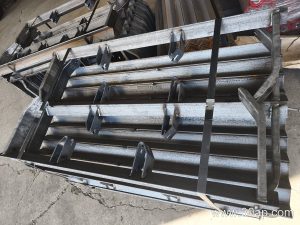
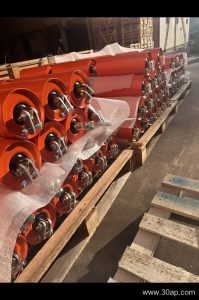
In a copper or iron ore concentrator, the drive drum at the crusher discharge works with an abrasion resistant conveyor belt and a heavy-duty frame. In a sinter plant or steel works, heat resistant conveyor belt grades protect the belt near hot material, and the pulley lagging must tolerate the same temperature. In a coal preparation plant, flame retardant conveyor belt and anti-static properties matter, and the drum is often specified with a fire resistant conveyor belt in the same circuit. A quarry or aggregate line may use an EP conveyor belt or a multi-ply fabric core belt on the same drum, while a long overland run in a port or power plant may call for a steel cord conveyor belt and a larger diameter drum to limit belt stress. Idler roller alignment and conveyor bracket condition upstream also affect how evenly the belt meets the drum face.
Specification Points a Buyer Should Confirm
- Belt width and drum face: confirm the belt width, such as B650, B1000, or B1400, and the required face width; wider faces are normal but not universal.
- Diameter and wrap: larger diameters reduce belt bending stress; check the wrap angle and belt tension before fixing the size.
- Shaft and bearings: shaft diameter follows torque and load, so ask for the calculated duty rather than matching a number to belt width.
- Lagging: choose plain, rubber, diamond, chevron, or ceramic based on grip, moisture, and material carryback.
- Balance and runout: a machined and balanced shell protects the belt splice and the conveyor bracket from vibration.
Maintenance notes
Inspect lagging wear, check bolt torque on the bearing housings, and watch for material buildup on the return side. A worn drive pulley loses grip and causes belt slip, while a misaligned tail drum leads to edge damage. Keep the conveyor belt cleaner and the idler roller set true so the drum does not have to correct tracking on its own. For metallurgical plants running continuously, spare lagging and a documented shaft size shorten downtime when a drum is pulled for service.