What a Conveyor Bracket Does on the Line
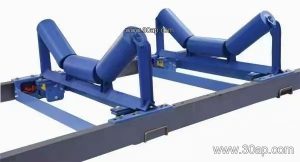
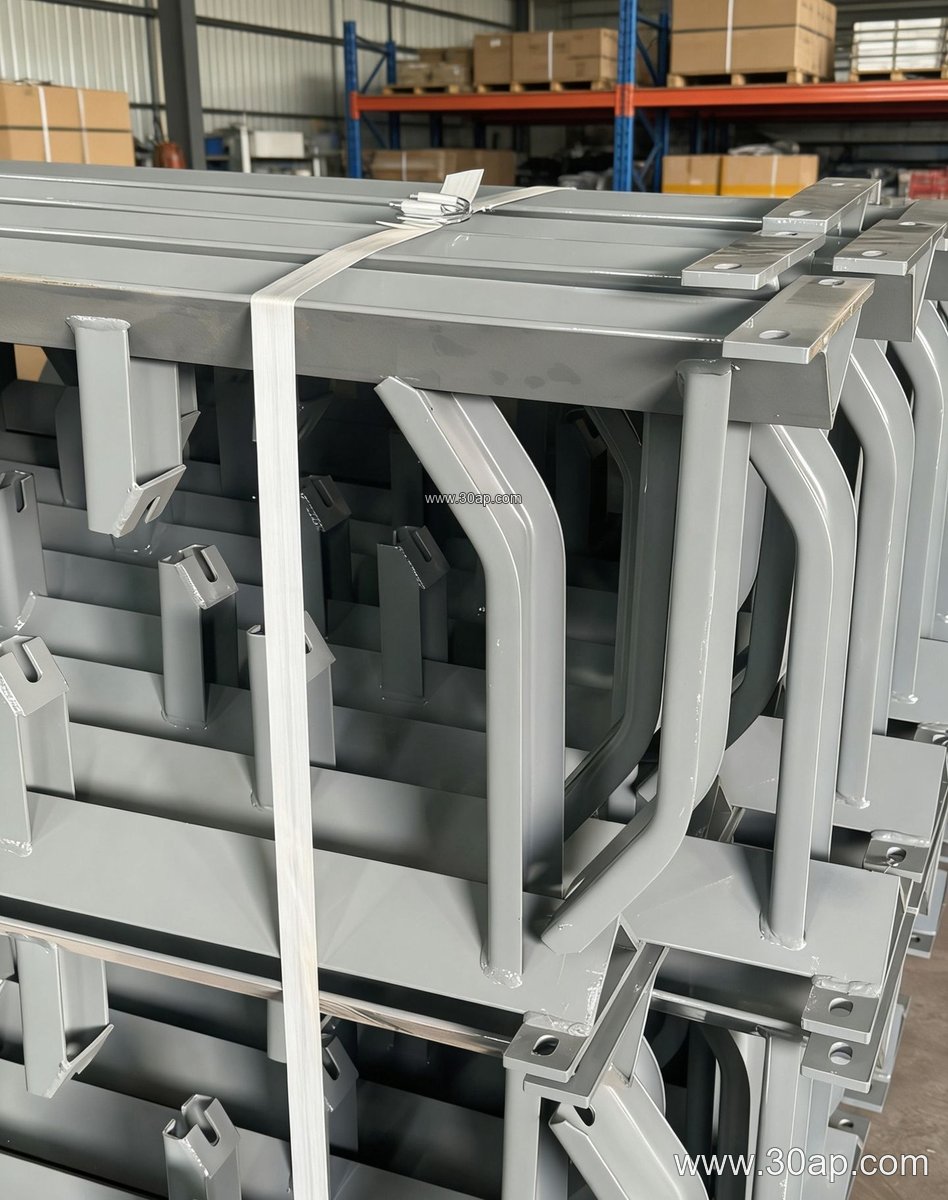
A conveyor bracket is the structural interface between the carrying or return idlers and the conveyor frame. It holds each idler at the correct height, spacing, and trough angle so the conveyor belt keeps its shape under load. In a quarry, limestone mine, or crushing and screening circuit, a loose or misaligned bracket quickly shows up as belt wander, spillage, and uneven wear on the belt cover.
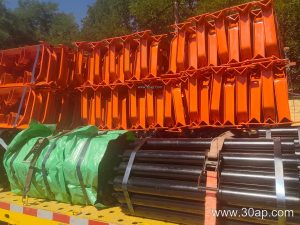
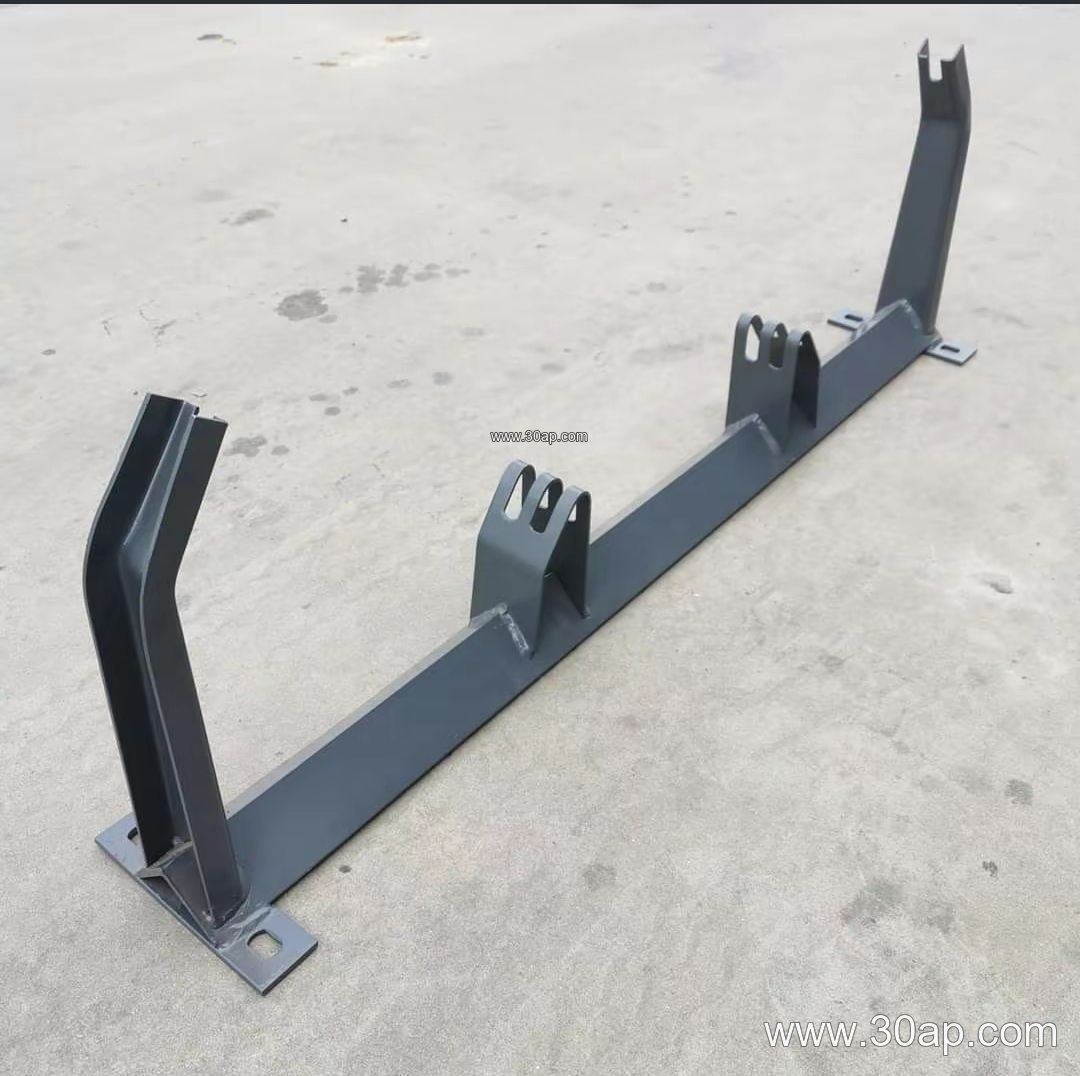
The bracket itself carries little torque, but it carries the vertical load transferred from the idlers and the belt. For that reason, the frame material and the mounting hole pattern matter as much as the trough angle. Common builds use angle steel, channel steel, or folded steel plate, with welded or bolted crossbeams sized to the belt width and the idler diameter.
Main Types and Where They Sit
Carrying side brackets
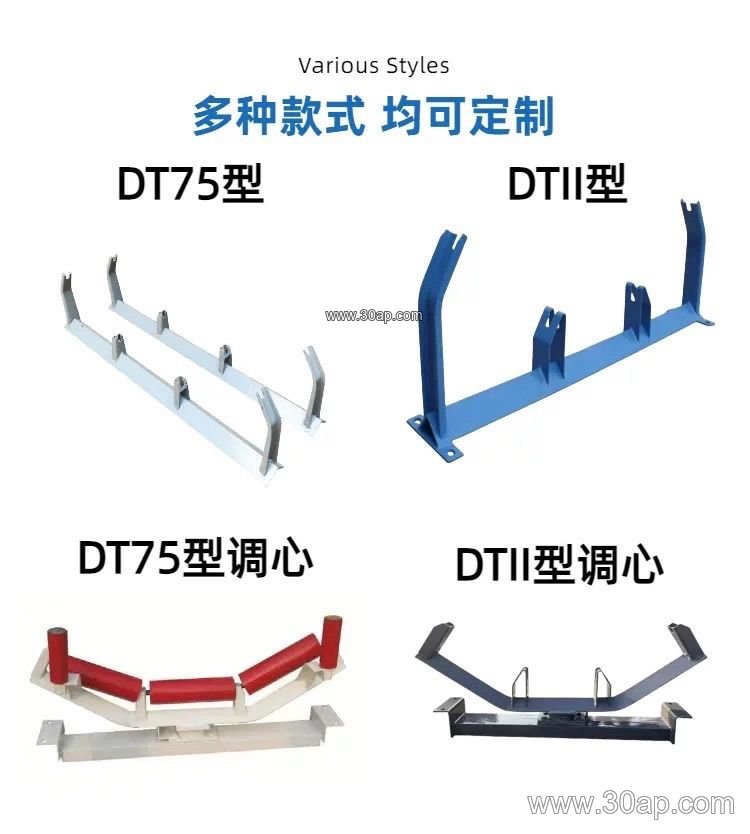
- Trough bracket, usually three-roll, setting the trough angle for the carrying idlers.
- Transition bracket, placed near the head or tail to ease the belt from flat to troughed.
- Impact bracket, used under loading points to support impact idlers.
- Self-aligning bracket, mounted on a pivot so the idlers can correct belt drift.
Return side brackets
- Flat return bracket for single return idlers.
- V-return bracket for two-roll return sets that help center the belt.
- Suspended bracket, hung from the frame instead of bolted to a crossbeam.
Adjustable brackets let maintenance crews change the trough angle within a range, while fixed brackets are welded or bolted at one angle. Neither is universally better; the choice depends on whether the belt loading profile is stable or changes with the material.
Trough Angle, Belt Width, and Idler Diameter
Trough angle is usually chosen from 20, 30, 35, or 45 degrees. A wider belt carrying a free-flowing material may run well at 35 degrees, while a narrower belt on a short transfer might use 30 degrees. The bracket must be matched to the idler diameter as well, since the roll seat and the mounting height differ between, for example, a Ø108 and a Ø159 idler.
| Belt width | Common trough angle | Typical idler diameter | Bracket note |
|---|---|---|---|
| B650 | 30 degrees | Ø89 | Compact frame, short crossbeam |
| B800 | 35 degrees | Ø108 | Standard three-roll trough set |
| B1000 | 35 to 45 degrees | Ø133 | Reinforced crossbeam for heavy loads |
| B1200 | 45 degrees | Ø133 or Ø159 | Check hole spacing against idler frame |
| B1400 to B1600 | 35 to 45 degrees | Ø159 | Wider crossbeam, heavier section |
These combinations are examples, not fixed rules. A B1200 belt can be run at more than one trough angle, and the idler diameter is set by load and speed rather than by belt width alone. Hole spacing and crossbeam length vary with belt width, trough angle, and the idler maker’s frame, so always confirm them against the drawing.
Materials and Wear Points
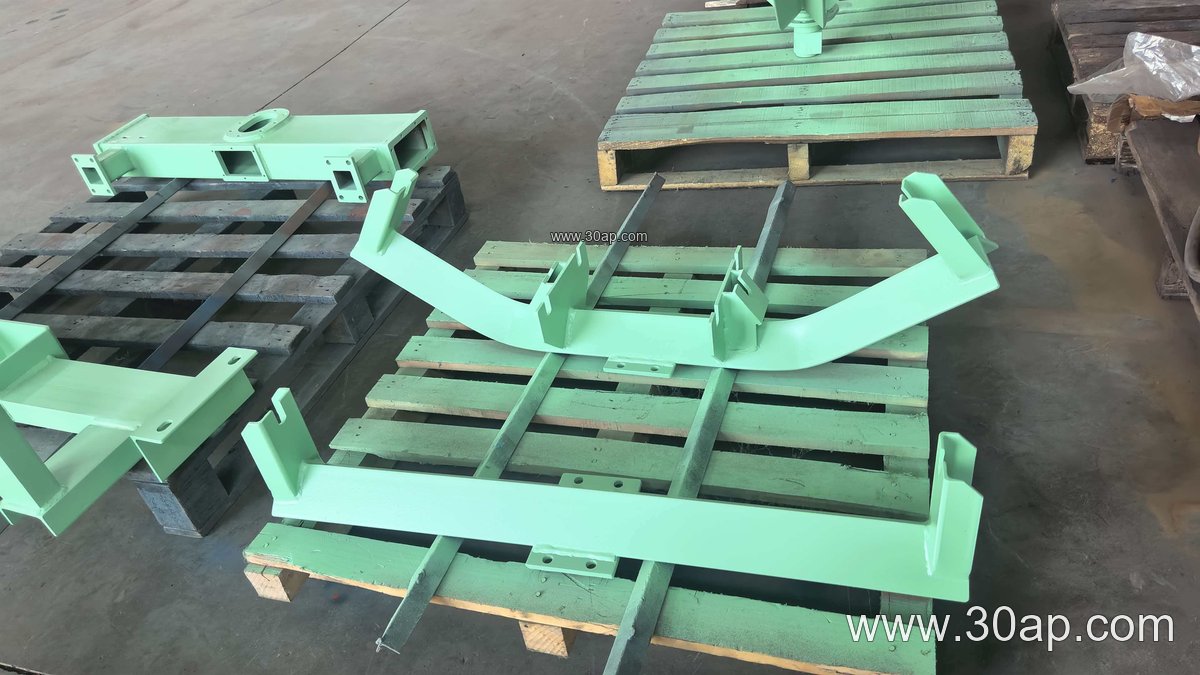
In a coal preparation plant or a power plant coal yard, dust and moisture attack painted steel at the bolt holes and welds. Hot-dip galvanized or well-primed brackets last longer in wet washing areas. In a cement plant, abrasive dust collects on the crossbeam and can unbalance a self-aligning bracket, so periodic cleaning is part of the maintenance routine.
The bracket also interacts with the belt. A flame retardant conveyor belt used underground still needs correct idler alignment to avoid edge damage. An abrasion resistant conveyor belt on an ore conveyor will last longer when the trough brackets are set at the right angle and the idlers turn freely. Where a steel cord conveyor belt or a heavy-duty mining conveyor belt runs at high tension, the bracket frame must be stiff enough to resist deflection between supports.
Buyer Checklist
- Confirm the belt width and the idler diameter before ordering; do not derive one from the other.
- State the required trough angle and whether adjustment is needed.
- Ask for the mounting hole pattern and crossbeam length, as these follow the design.
- Match the material finish to the site: dusty, wet, or washdown conditions.
- Check that the bracket works with the selected conveyor pulley height and the transition distance.
For a sand and gravel line, a set of standard trough brackets with Ø108 idlers is often enough. For an iron ore or copper ore conveyor with heavy lumps, impact brackets under the chute and thicker crossbeams pay back in fewer stoppages. Whatever the site, keep spare brackets on hand; a single failed bracket can stop a whole transfer point.