What an 800mm Conveyor Belt Is
An 800mm conveyor belt is a belt with a nominal width of 800 mm, often written as B800. It sits in the middle of the common width range, above 650mm and below 1000mm, and is widely chosen for secondary and main haulage lines where a 650mm belt is too narrow but a 1000mm or 1200mm belt would be oversized. Because the width is fixed, the real variation lies in the carcass, cover grade and surface form, which is why two belts of the same width can behave very differently underground or in a cement plant.
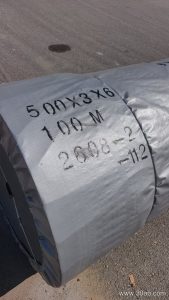
The product is supplied as an 800mm wide conveyor belt in open length or as an endless conveyor belt made to a specific center distance. Buyers usually describe it by carcass type and strength, for example an EP Conveyor Belt at EP400 or a Steel Cord Conveyor Belt at ST1000, together with top and bottom cover thickness.
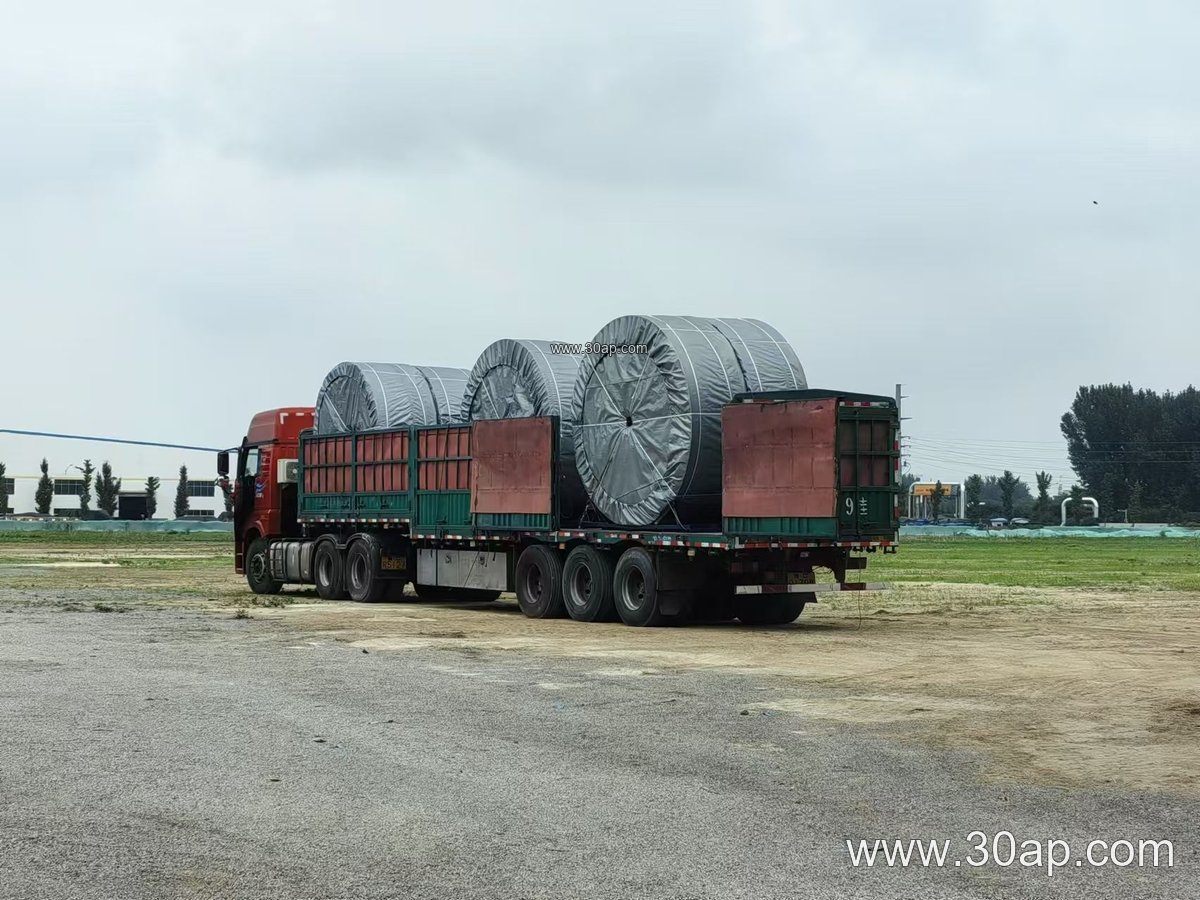
Construction and Common Specifications
The belt body is built around a fabric core or steel cord carcass. Fabric Core Conveyor Belt constructions use multiple plies, and a Multi-Ply Fabric Core Conveyor Belt with two to six plies is typical for this width. EP Conveyor Belt (polyester warp, nylon weft) and NN Conveyor Belt (all nylon) are the usual fabric options, while steel cord carcasses suit long, high-tension runs.
Cover rubber is selected for the duty. Abrasion Resistant Conveyor Belt grades handle crushed stone and ore, Heat Resistant Conveyor Belt grades serve cement clinker and sinter, and Flame Retardant Conveyor Belt or Fire Resistant Conveyor Belt grades are common in coal mining. Anti-Static Conveyor Belt properties are often requested together with flame resistance for underground use.
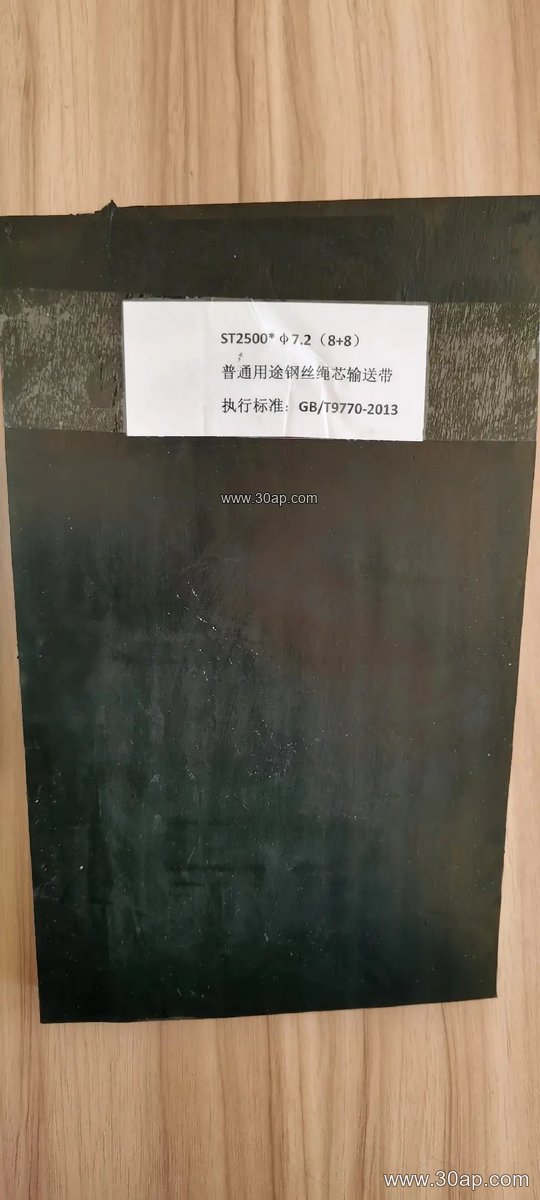
Reference data for this width, to be confirmed by design and supplier:
- Width: B800 (800 mm)
- Fabric strength examples: EP200, EP315, EP400, EP500, EP630, EP800
- Steel cord strength examples: ST1000, ST1250, ST1600
- Cover thickness examples: 3+1.5, 4+2, 5+2, 6+2, 8+3 mm
- Ply count: usually 2 to 6 for fabric cores
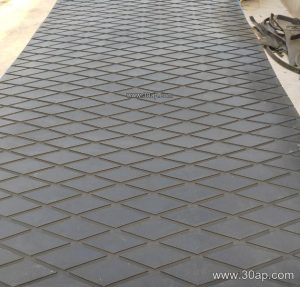
Surface forms such as Chevron Conveyor Belt, Skirted Conveyor Belt, Corrugated Sidewall Conveyor Belt and Pipe Conveyor Belt are separate designs and should not be treated as interchangeable with a plain 800mm belt. A chevron pattern, for instance, changes the belt’s ability to hold material on an incline, but it does not turn the product into a different width class.
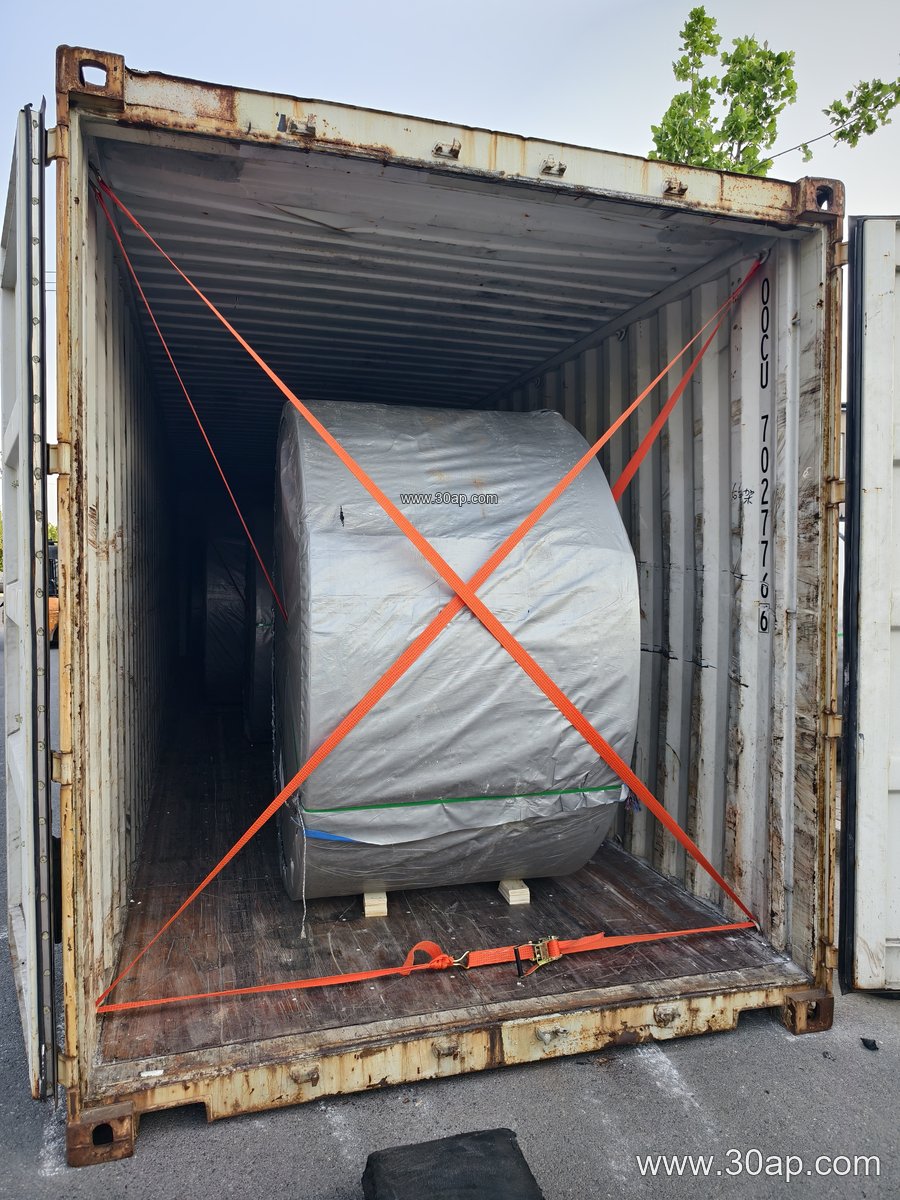
Where It Fits in the Plant
At 800 mm, the belt matches a broad band of throughputs and lump sizes. Typical duties include:
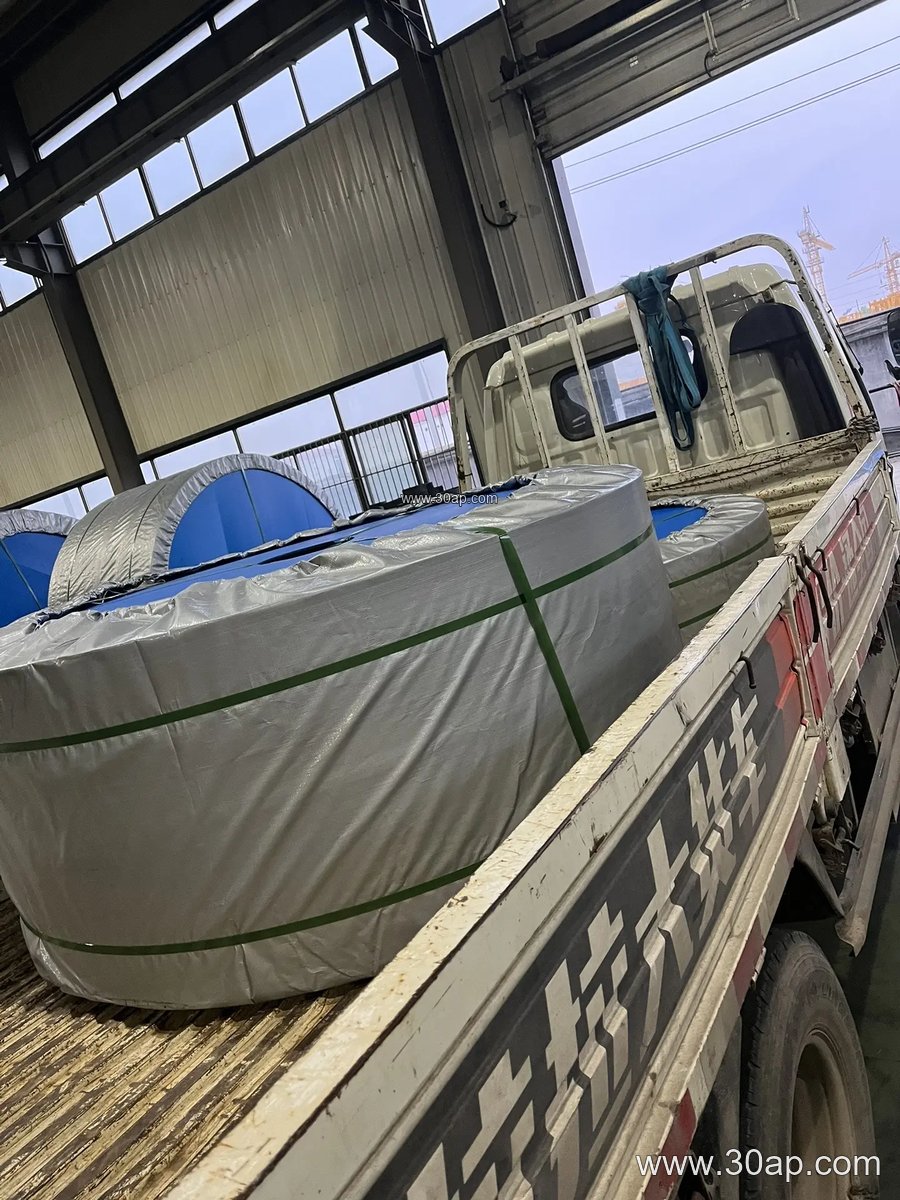
- Coal Mining Conveyor Belt and Underground Coal Mining Conveyor Belt lines feeding a transfer point.
- Quarry Conveyor Belt and Aggregate Conveyor Belt runs after a primary crusher.
- Cement Plant Conveyor Belt and Power Plant Conveyor Belt sections moving clinker, limestone or coal.
- Iron Ore Conveyor Belt and Copper Ore Conveyor Belt circuits in mineral processing.
- Sand Making Plant Conveyor Belt and Stone Crushing Conveyor Belt lines in a sand and gravel yard.
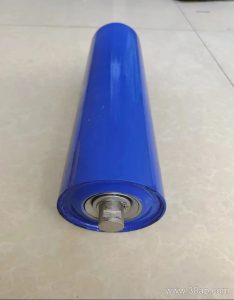
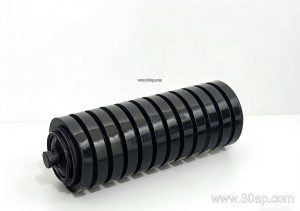
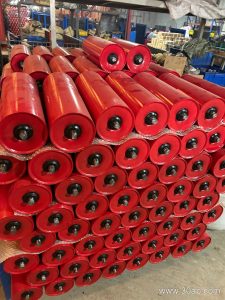
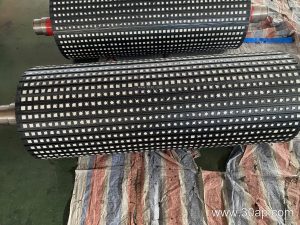
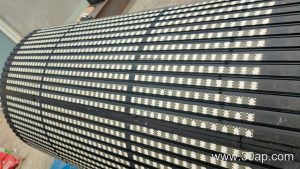
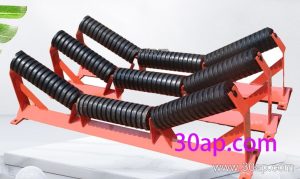
Supporting hardware matters as much as the belt. The troughing idler roller set, the conveyor pulley at drive and tail positions, and the conveyor bracket that holds the idlers all need to be matched to the belt width and load. On an 800mm belt, a three-roller trough set is common; the drive pulley, tail pulley and bend pulley each have their own role and are not interchangeable, so replacement parts should be ordered by position and duty rather than by belt width alone.
In coal and metal mines, a Mining Conveyor Belt at this width often runs alongside a PVG Conveyor Belt or PVC Conveyor Belt in flame retardant service, while a Heavy-Duty Mining Conveyor Belt with thicker covers is selected for high-impact loading points.
Buyer Checklist
Before ordering, confirm the following with the conveyor designer:
- Belt length, center distance and whether an endless splice is required.
- Carcass type and rated strength, plus ply count for fabric belts.
- Top and bottom cover thickness and rubber grade for the actual material.
- Flame retardant, anti-static, oil resistant or cold resistant requirements.
- Pulley diameters, trough angle and idler spacing on the existing frame.
- Splice method, edge condition and any guide or cleat requirement.
Do not assume that an 800mm belt must run on one particular pulley diameter or shaft size; those values follow from tension, wrap angle and the pulley manufacturer’s design. Also check whether the duty calls for a wider belt such as a 1000mm or 1200mm unit, or a narrower 650mm belt, since the right width is a system decision rather than a default. A well-specified 800mm Conveyor Belt, matched to its idlers, pulleys and brackets, gives a balanced compromise between capacity, frame cost and maintainability in mines, quarries, cement works and power stations.