What Conveyor Bracket Fabrication Covers
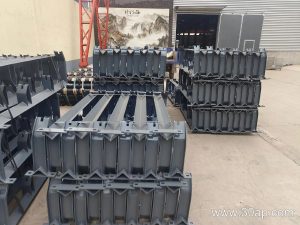
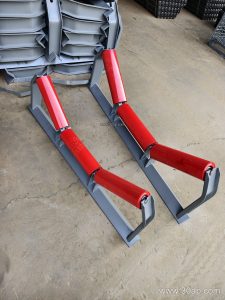
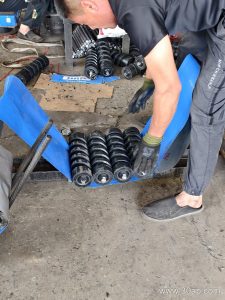
Conveyor bracket fabrication is the manufacturing of the steel frames that hold idler rollers in position along a belt conveyor. In a quarry, a coal washing plant, or a power station coal yard, these brackets carry every troughing and return roller that shapes and supports the conveyor belt. Fabrication starts with the load case, not with the steel: the bracket must hold the roller at the right height and angle so the belt keeps its profile under the weight of bulk material.
The work usually begins with cutting and forming angle, channel, or folded plate, followed by drilling or punching mounting holes, welding the roller seats, and a final check on squareness and hole alignment. Because bracket geometry decides roller spacing and belt line, fabrication tolerance has a direct effect on tracking and on belt edge wear.
Main Fabrication Types and Their Place on the Line
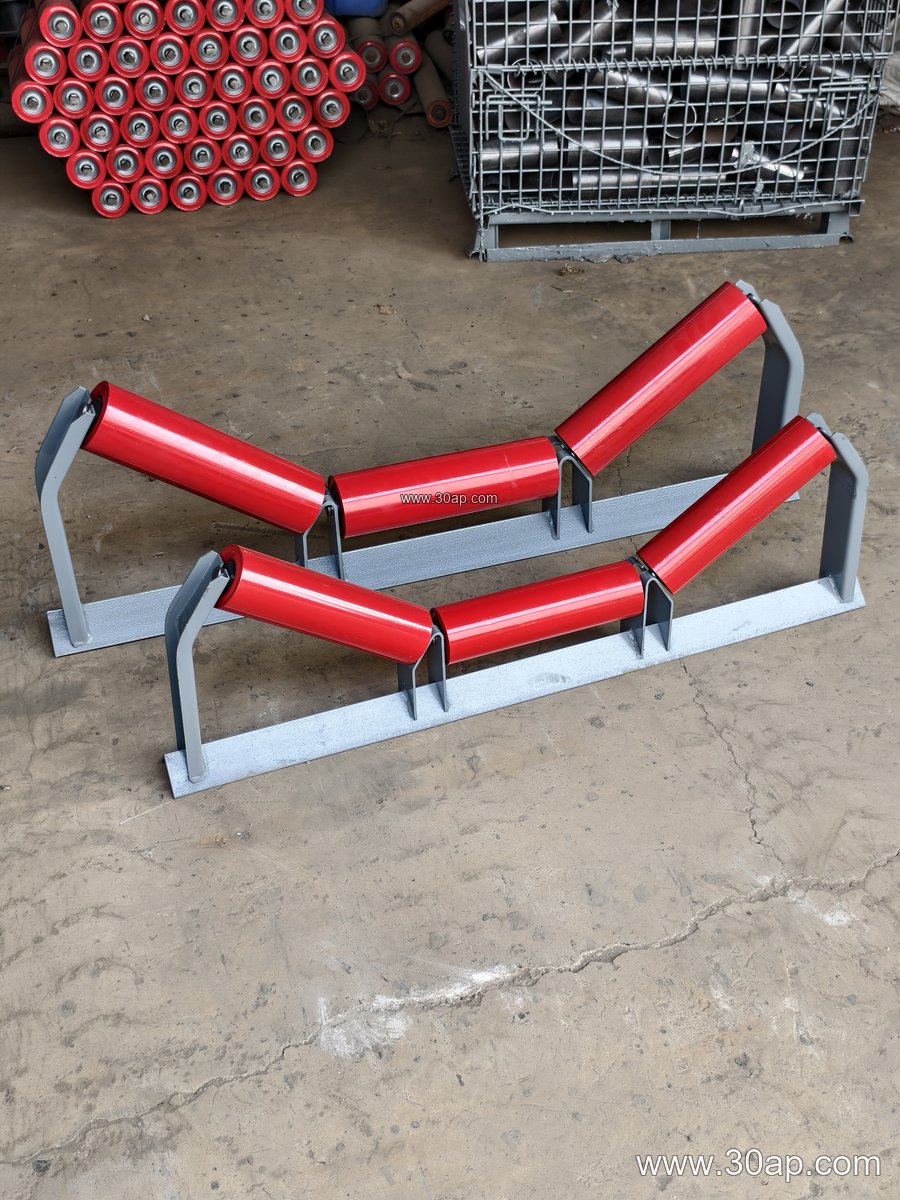
Most fabrication programmes cover a family of brackets rather than a single part. Common types include troughing brackets, transition brackets, return brackets, flat return brackets, V-return brackets, impact brackets, self-aligning brackets, forward-leaning brackets, spiral roller brackets, suspended brackets, and adjustable brackets.
- Troughing and transition brackets set the trough angle that carries the loaded belt.
- Return and V-return brackets support the empty strand and help keep it centred.
- Impact brackets sit under loading points where material falls onto the belt.
- Self-aligning and forward-leaning brackets assist belt tracking on long runs.
- Adjustable brackets allow the trough angle to be changed on site within a designed range.
These are distinct functions and should not be treated as substitutes for one another. A return bracket is not a troughing bracket, and an adjustable unit is not a replacement for a fixed design where the profile is already settled.
Matching Brackets to Belt Width, Trough Angle and Roller Diameter
A bracket drawing is defined by several linked values: belt width, trough angle, roller diameter, mounting hole spacing, and beam length. Typical belt widths run from B500 through B650, B800, B1000, B1200, B1400, B1600, B1800, B2000, B2200. Common trough angles are 20, 30, 35, and 45 degrees, while forward-leaning brackets are often set at about 1.5 to 2 degrees. Roller diameters usually fall among Ø89, Ø108, Ø133, Ø159, and Ø194.
Typical combinations seen in fabrication enquiries include B800 at 35 degrees with Ø108, B1200 at 45 degrees with Ø133, and B650 at 30 degrees with Ø89. These are examples, not fixed pairings. A given belt width can suit more than one trough angle or roller diameter, and hole spacing and beam length should be confirmed from the design rather than assumed.
| Parameter | Common Range | Fabrication Note |
|---|---|---|
| Belt width | B500 to B2200 | Beam length and hole pitch follow the design |
| Trough angle | 20, 30, 35, 45 degrees | Adjustable versions can move between these |
| Roller diameter | Ø89, Ø108, Ø133, Ø159, Ø194 | Seat height and cradle shape change with roller size |
| Material | Angle, channel, folded plate | Section chosen from load and span |
Where Fabricated Brackets Are Used
In a limestone quarry or a crushing and screening line, troughing brackets carry the belt through the loading zone and along the incline, while impact brackets protect the belt where run-of-mine rock lands. In a cement plant or a power plant coal handling system, return and V-return brackets keep the empty strand steady over long spans.
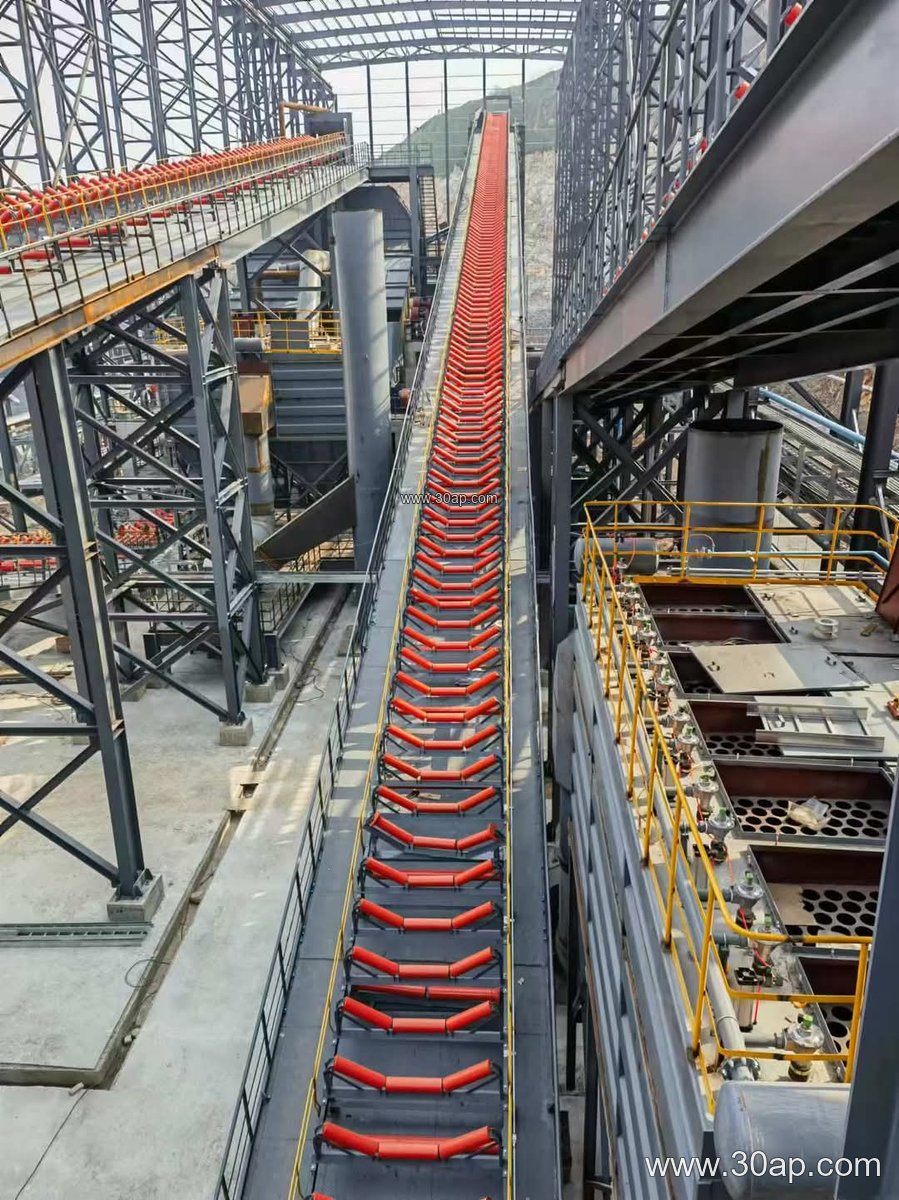
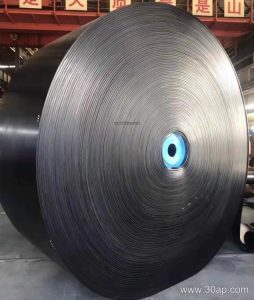
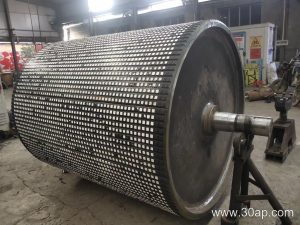
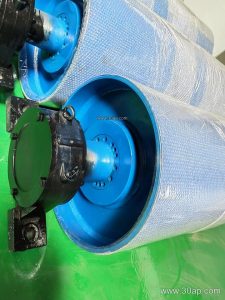
The bracket must suit the belt it carries. An abrasion resistant conveyor belt handling sharp aggregate puts different demands on roller seating than a fabric core conveyor belt on a lighter duty line, and a steel cord conveyor belt on a long overland run needs consistent roller alignment to avoid edge damage. Bracket fabrication therefore works hand in hand with the choice of conveyor pulley, idler roller, and conveyor bracket layout across the whole conveyor.
What Buyers Should Confirm Before Ordering
Before a fabrication order is released, confirm the belt width, the required trough angle, the roller diameter, and the mounting hole spacing on the existing structure. Ask whether fixed or adjustable brackets are needed, and check that the steel section matches the span and load. For replacement work, matching the original hole pattern avoids re-drilling the stringer.
Also agree on surface treatment, weld quality expectations, and how the finished brackets will be packed and identified. A clear drawing with belt width, angle, roller size, and hole spacing removes most site fit problems.
For related conveyor components, see the roller and belt pages at www.beltconveyorparts.com and the pulley selection notes at www.beltconveyorparts.com/conveyor-pulley.