What a Wear-Resistant Idler Does on a Conveyor
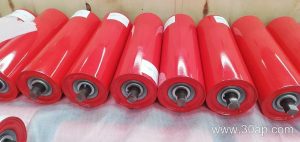
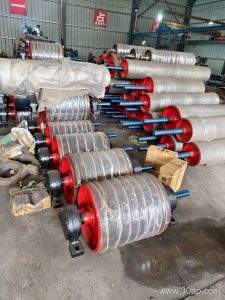
A wear-resistant idler is a carrying or return roller built with a shell, bearing arrangement and sealing system intended to survive abrasive bulk material and long running hours. On a quarry conveyor belt or a cement plant transfer line, the idler roller supports the belt and the load while turning freely. When grit, fines and moisture reach the bearing, ordinary rollers fail early. A wear-resistant idler addresses that by combining a hardened or coated roller surface with a bearing housing designed to keep contaminants out. It is a supporting component, not a substitute for a conveyor pulley at the head or tail of the system.
Construction Details That Matter
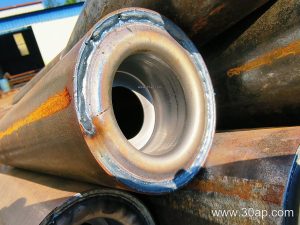
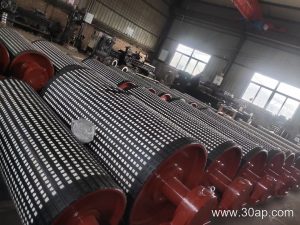
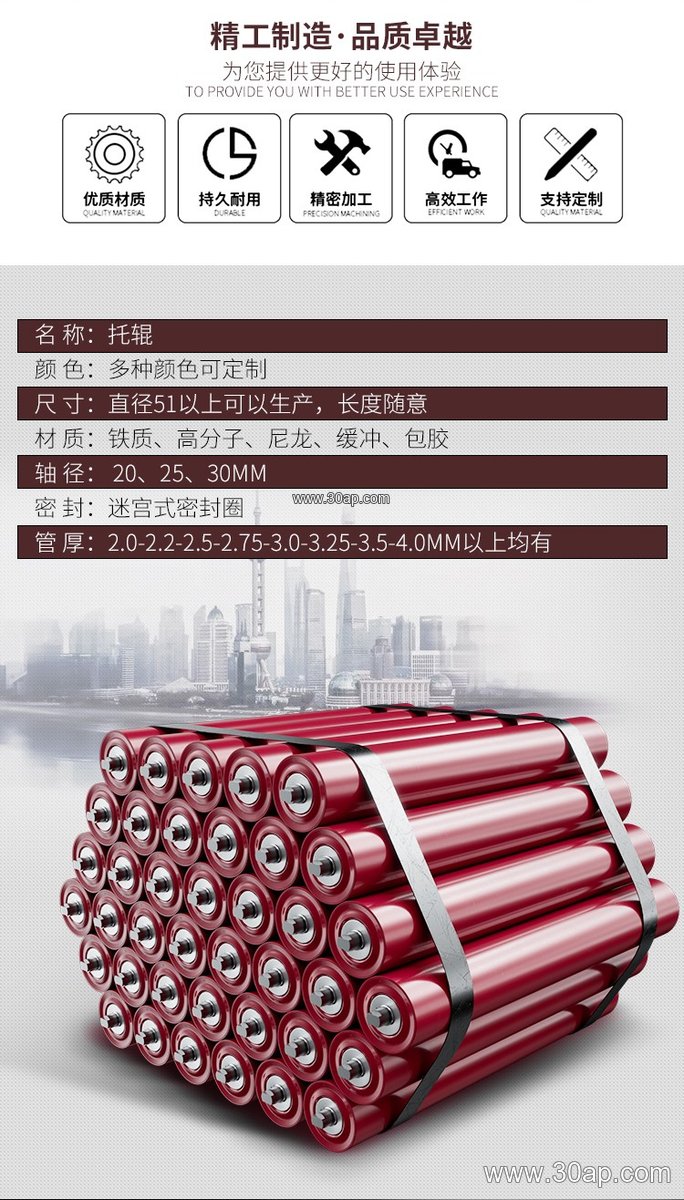
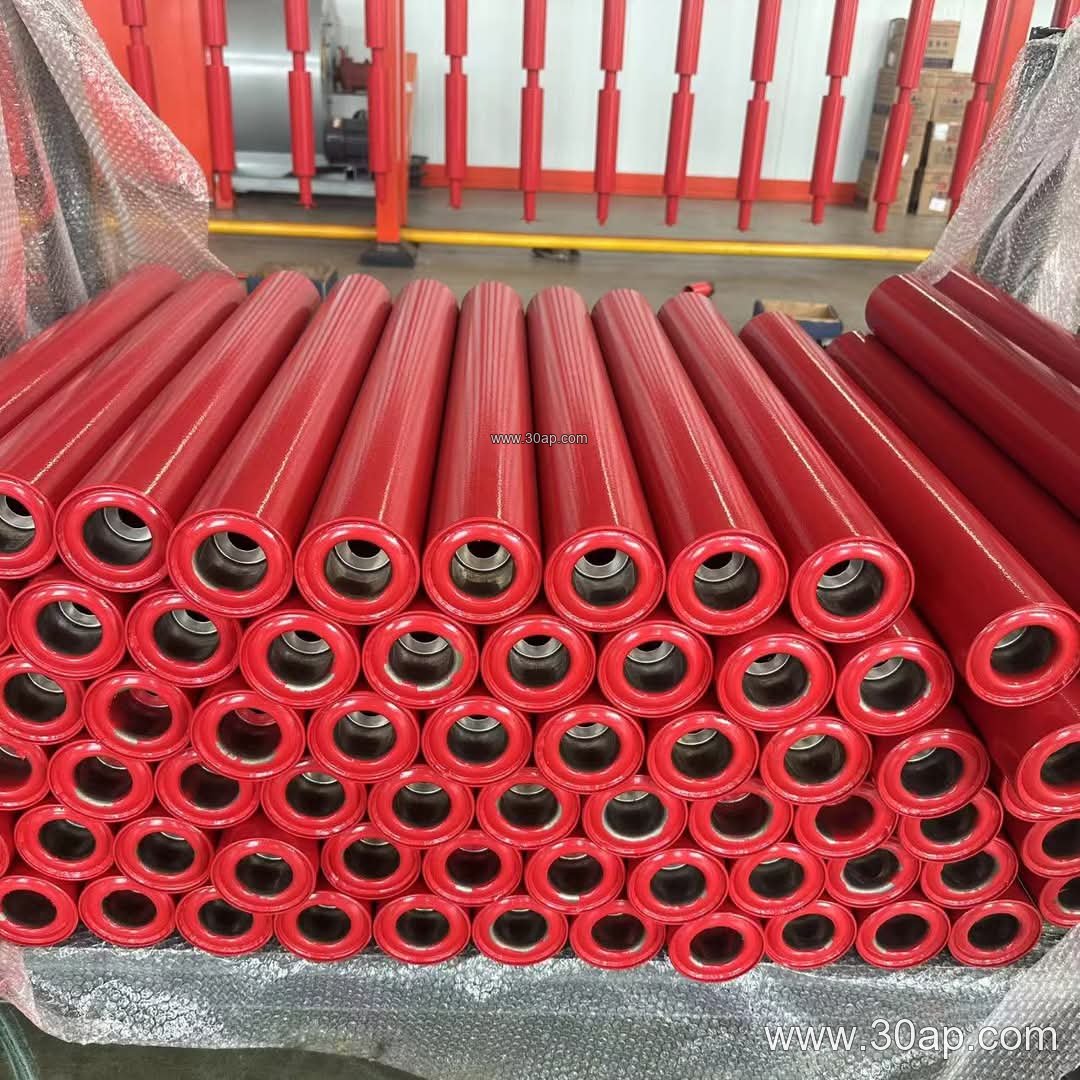
The roller body is usually a steel tube, with alternative surfaces such as nylon, ceramic or rubber rings for particular duties. Ceramic and rubber-covered versions are often chosen where impact and sliding abrasion are severe. Bearing seats are machined to hold the shaft concentrically, and the seal package usually includes labyrinth rings plus a grease barrier. Common bearing sizes include 6204, 6205, 6305, 6306, 6308 and 6310, matched to the load and shaft design rather than to belt width alone.
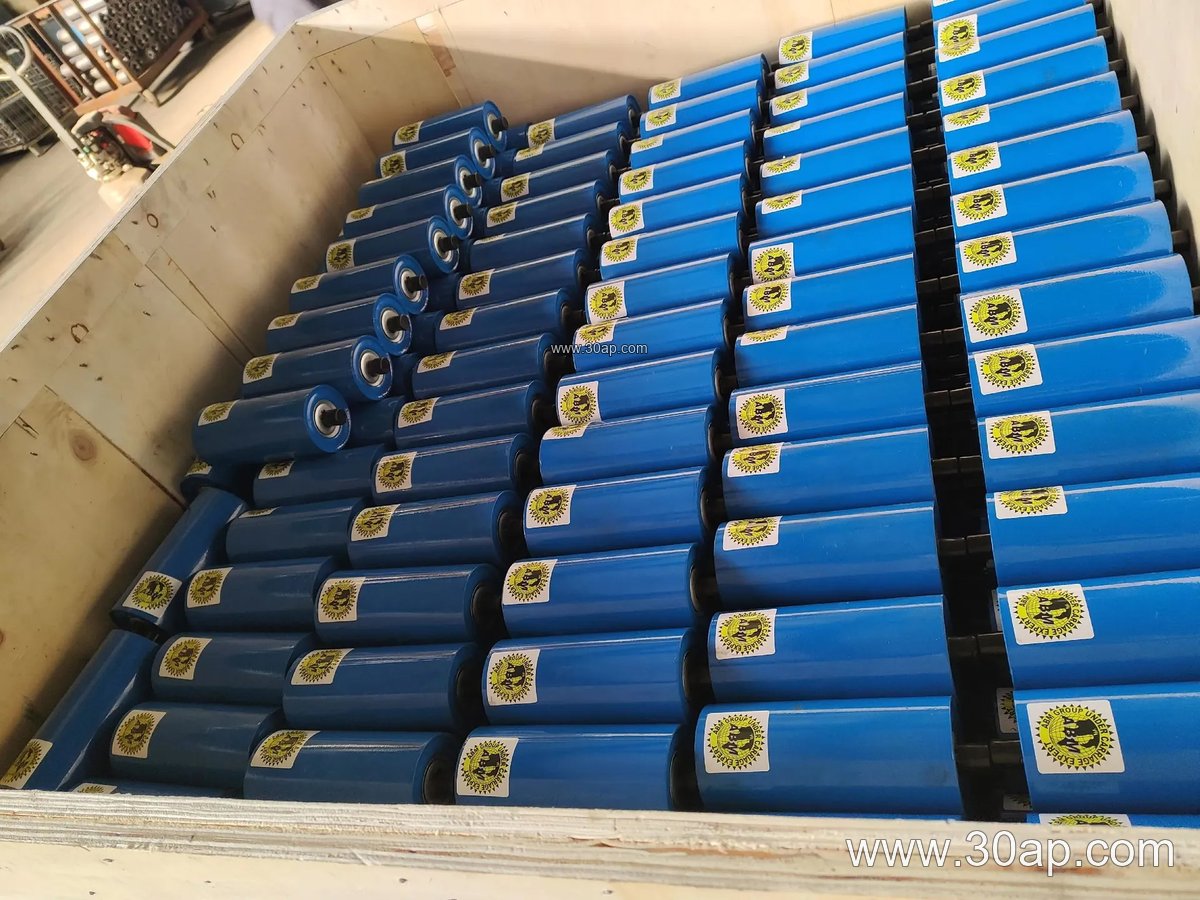
A wear-resistant roller should still meet the same dimensional requirements as the rest of the idler set. Roller length follows belt width, trough angle and the frame arrangement. For a three-roll troughing set, typical roll lengths are roughly 200 mm at B500, 250 mm at B650, 315 mm at B800, 380 mm at B1000 and 465 mm at B1200. These are common references only; side rolls and centre rolls can differ, and final dimensions are set by the conveyor design.
Where Abrasion Is Highest
Loading points are the first place to specify a tougher roller. At a crusher discharge or a transfer chute, a rubber-ring impact idler absorbs shock while the abrasion-resistant shell resists sliding grit. The same logic applies on an ore conveyor belt handling iron ore or copper ore, where fines work into every gap. In a coal mining conveyor belt system, flame retardant conveyor belt and fire resistant conveyor belt grades often run alongside rollers that must resist both wear and fine coal dust. A cement plant conveyor belt and a power plant coal conveyor face similar dust and heat conditions.
Return strands also deserve attention. A V-shaped return idler or a flat return roller can wear flat spots if material builds up on the shell. Spiral and rubber-disc return rollers help shed sticky fines. Alignment is a related issue: a friction self-aligning idler or tapered self-aligning idler keeps the belt centred and reduces edge loading, which indirectly extends roller life.
Common Roller Diameters and Belt Widths
Diameter selection depends on belt speed, load and available space. Standard roller diameters include Ø63, Ø76, Ø89, Ø102, Ø108, Ø127, Ø133, Ø159, Ø178, Ø194 and Ø219 mm. Larger diameters turn more slowly and generally suit wider, heavier belts. Belt widths commonly range from B400 to B2400, and a heavy-duty mining conveyor belt at 1200 mm or 1500 mm width may call for a different roller than a short aggregate conveyor belt at 650 mm. There is no rule that one belt width can only match one pulley diameter or one shaft size.
- Trough angle: 20, 30, 35 or 45 degrees, with about 1.5 to 2 degrees forward tilt used on some self-aligning sets
- Roller sets: single roll, two-roll or three-roll troughing
- Surface options: steel tube, nylon, ceramic, rubber ring
- Bearing options: 6204, 6205, 6305, 6306, 6308, 6310
Buying Checklist
Start with the material: lump size, moisture, temperature and chemical exposure. An abrasive ore or clinker duty may justify a ceramic or thick rubber surface, while a food or fertilizer line may need a different cover and cleanable seals. Confirm the roller length, diameter, shaft end type and frame fixing with the conveyor bracket drawing. Check whether the position needs impact absorption, self-alignment or simple carrying support, and avoid mixing up carrying idlers with return rollers, or idlers with drive, tail and bend pulleys.
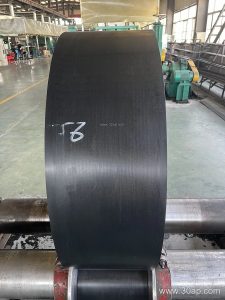
Ask how the seal is constructed, what grease is used and whether the roller can be re-lubricated. Spare parts planning should cover the highest-wear positions first, such as loading zones and the first metres after a chute. Matching the idler to the conveyor belt type, whether an EP conveyor belt, NN conveyor belt or steel cord conveyor belt, helps keep the whole line running smoothly. For project enquiries, include belt width, trough angle, roller diameter and the duty description so the correct wear-resistant idler can be selected.