What a Power Plant Conveyor Belt Does
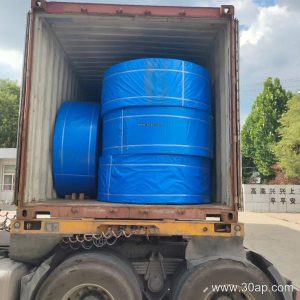
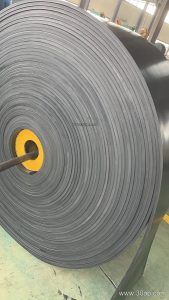
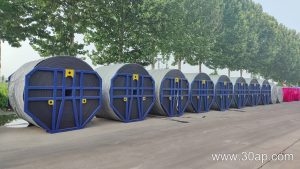
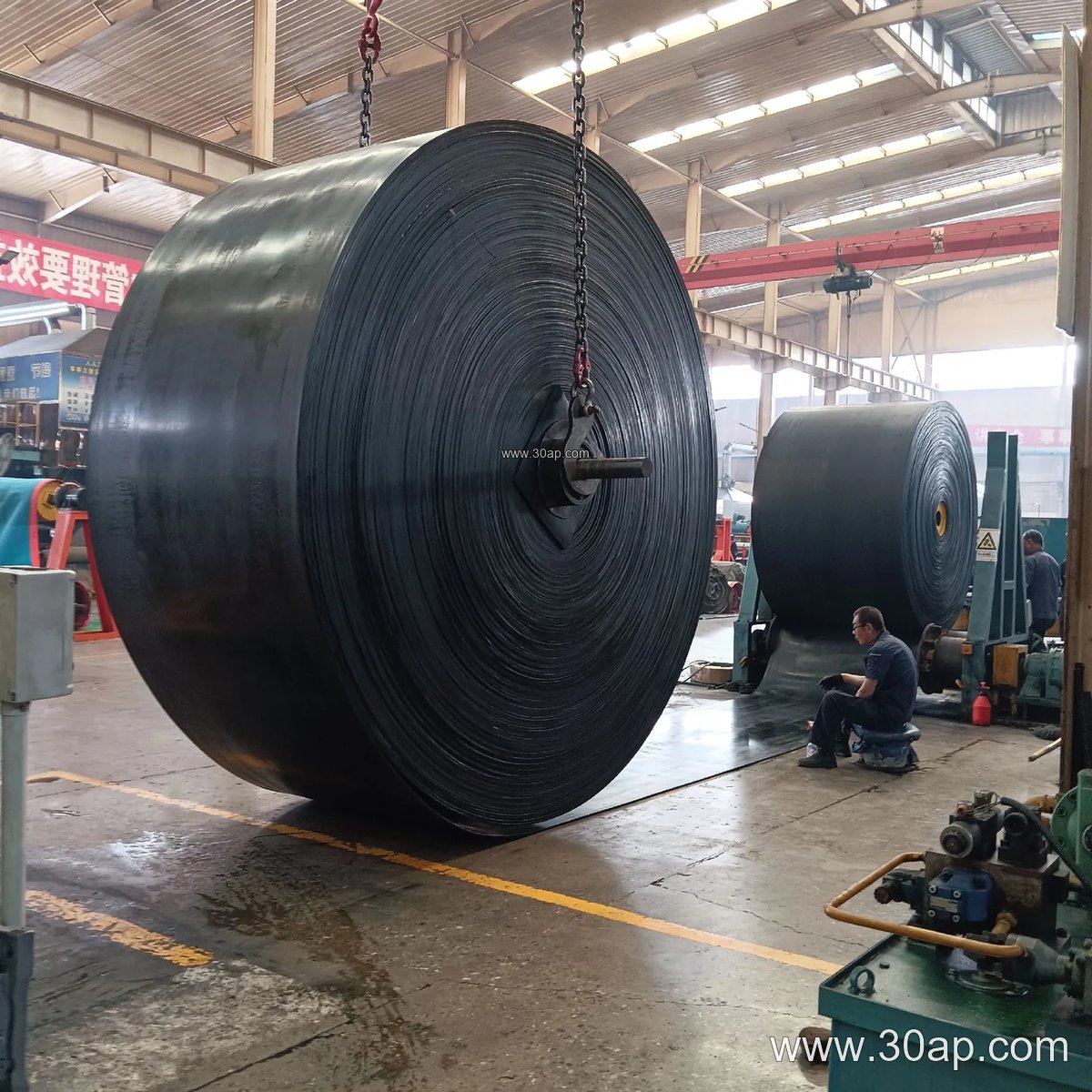
A power plant conveyor belt moves coal from the stockyard or unloading area to the bunkers, carries limestone and gypsum through flue gas desulfurization, and removes bottom ash and fly ash from the boiler house. Because these materials vary in lump size, moisture, temperature and abrasiveness, the belt is usually the component that decides how reliably the whole conveying line runs. In practice, the power plant conveyor belt is a heavy-duty bulk material conveyor belt engineered around the specific fuel and ash streams on site, not a general-purpose belt pulled from a catalog.
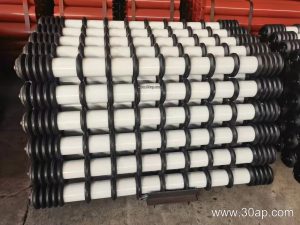
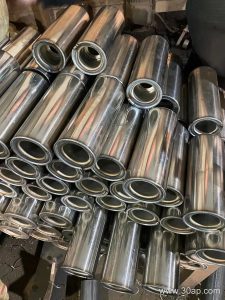
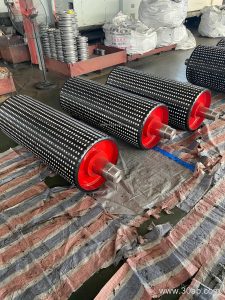
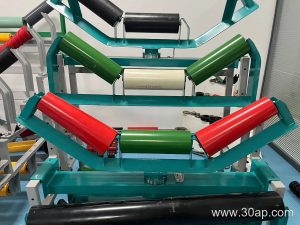
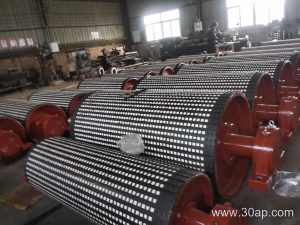
The same conveying line also depends on the conveyor pulley at the head and tail, the idler roller sets that support the belt along the run, and the conveyor bracket that ties the frame together. A well-matched belt and a well-aligned pulley and idler arrangement reduce spillage, tracking problems and premature cover wear.
Construction of a Power Plant Conveyor Belt
Most belts in this service are fabric-cored or steel-cord reinforced, with rubber covers on both faces. The carcass carries the tension, while the top cover absorbs impact and abrasion from coal lumps and the bottom cover runs against the idlers. Common constructions include:
- EP conveyor belt with polyester-nylon fabric plies, widely used for coal and limestone lines
- NN conveyor belt with nylon-nylon plies, chosen where flexibility around small pulleys matters
- Steel cord conveyor belt for long, high-tension trunk conveyors and steep lifts
- Flame retardant conveyor belt and anti-static grades for enclosed galleries and underground bunkers
- Heat resistant conveyor belt for sections handling hot ash or clinker
- Abrasion resistant conveyor belt where coal or ore is sharp and the cover wears quickly
Cover thickness is normally described as top plus bottom, for example 4+2 mm or 6+2 mm, and the number of fabric plies typically ranges from two to six depending on the duty. These figures are reference data; the final construction should be confirmed against the conveyor design and the actual material conditions.
Typical Specifications
The table below collects commonly quoted values for orientation only. Belt width, strength grade and cover thickness must be matched to the conveyor layout rather than chosen in isolation.
| Parameter | Common Range |
|---|---|
| Belt width | B500, B650, B800, B1000, B1200, B1400, B1600, B1800, B2000 |
| EP strength grade | EP200, EP315, EP400, EP500, EP630, EP800, EP1000, EP1250, EP1600, EP2000 |
| Fabric plies | 2 to 6 |
| Cover thickness | 3+1.5 mm, 4+2 mm, 5+2 mm, 6+2 mm, 8+3 mm |
| Special grades | Flame retardant, anti-static, heat resistant, oil resistant, cold resistant, chevron or corrugated sidewall |
A 1200 mm wide belt on a coal yard conveyor and a 1600 mm belt on a main boiler feed line are both routine, but each is a separate design decision tied to capacity, incline and pulley diameters.
Where It Is Used
Power stations share this equipment with other bulk handling industries. A coal mining conveyor belt, a quarry conveyor belt and a cement plant conveyor belt all face similar abrasion and impact, so the same families of rubber conveyor belt appear across them. In a power plant, the belt may run in an open coal yard, a covered gallery, a transfer tower or a crusher house. Each location changes the priority: dust and static control in enclosed spaces, abrasion resistance at the crusher discharge, heat resistance near ash handling, and oil resistance where lubricants or fuel residues are present.
Materials handled include coal, lignite, limestone, gypsum, bottom ash, fly ash and biomass. The belt width, trough angle and idler spacing are set together so the load sits in the center of the belt and does not drift toward the frame.
What Buyers Should Check
Before ordering a power plant conveyor belt, confirm the conveyor duty and the environment with the plant engineering team. Useful points include the rated capacity in tons per hour, maximum lump size, material temperature, moisture content, trough angle, pulley diameters and the length of the run. Ask whether the gallery is classified as fire-risk, because that decides whether a flame retardant conveyor belt or a standard rubber conveyor belt is appropriate.
- Check that the strength grade suits the calculated tension, with a reasonable safety margin
- Confirm cover thickness against impact and abrasion at the loading point
- Verify the belt width matches the existing pulley face and idler set
- Review splice method and whether an endless conveyor belt is preferred for a permanent joint
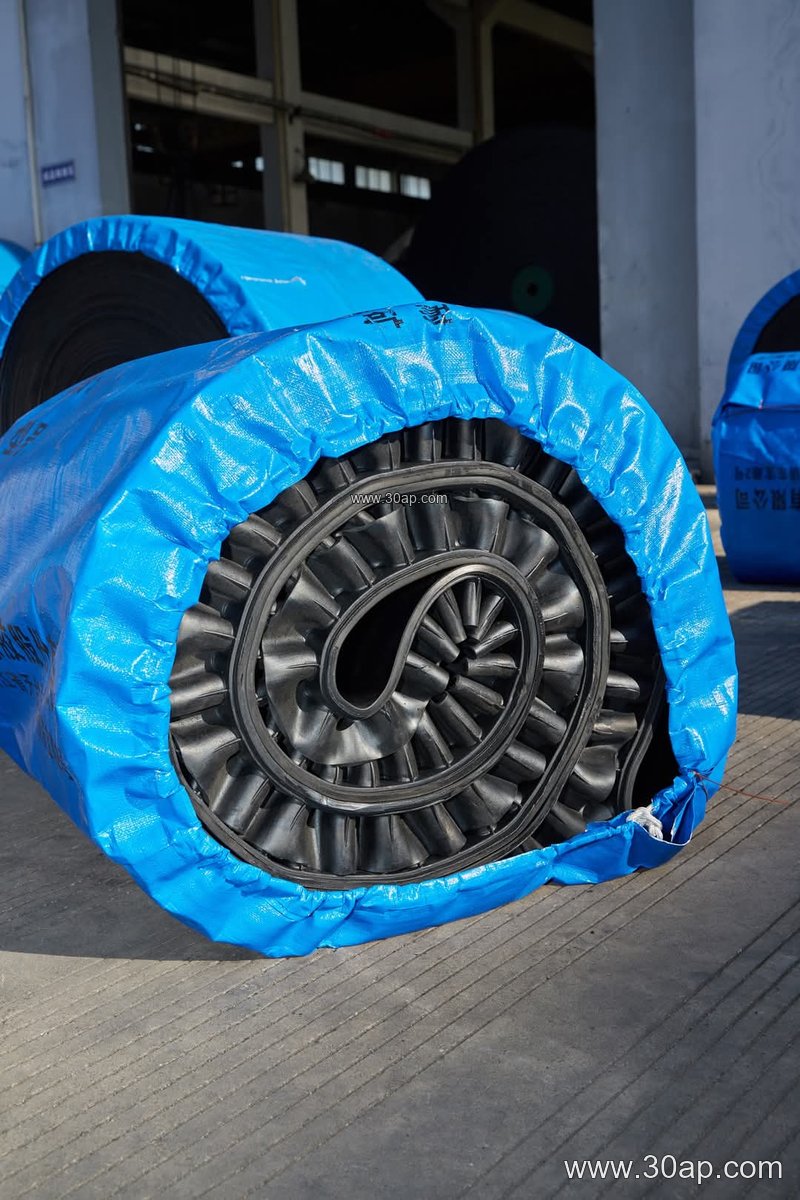
- Confirm the belt can be installed through the available access openings
Spare belts and spare idler roller sets should be stored consistently, since a belt that has been stored flat and dry splices more predictably than one that has been exposed to sun and moisture.
Maintenance Notes
Belt life in a power plant depends heavily on alignment. Misaligned conveyor pulleys, worn idler roller bearings and loose conveyor bracket bolts all show up as edge wear, cover stripping or load spillage. Inspect the loading point for worn impact bars, check the skirt rubber on transfer chutes, and watch for cover gouges that expose the carcass. Tracking corrections should start at the tail pulley and the bend pulleys rather than at the head, since the belt follows the first correctly aligned pulley it meets on the return side.
Heat and oil exposure should be reviewed periodically. A heat resistant conveyor belt still has a service limit, and an oil resistant belt will degrade if it is left in standing water or contaminated by the wrong lubricant. Keeping records of belt width, strength grade and cover thickness makes replacement planning much simpler and avoids a mismatched spare arriving on site.