What a Heavy-Duty Ceramic Lagged Pulley Does
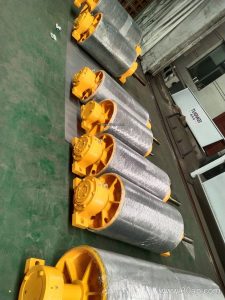
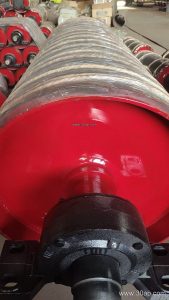
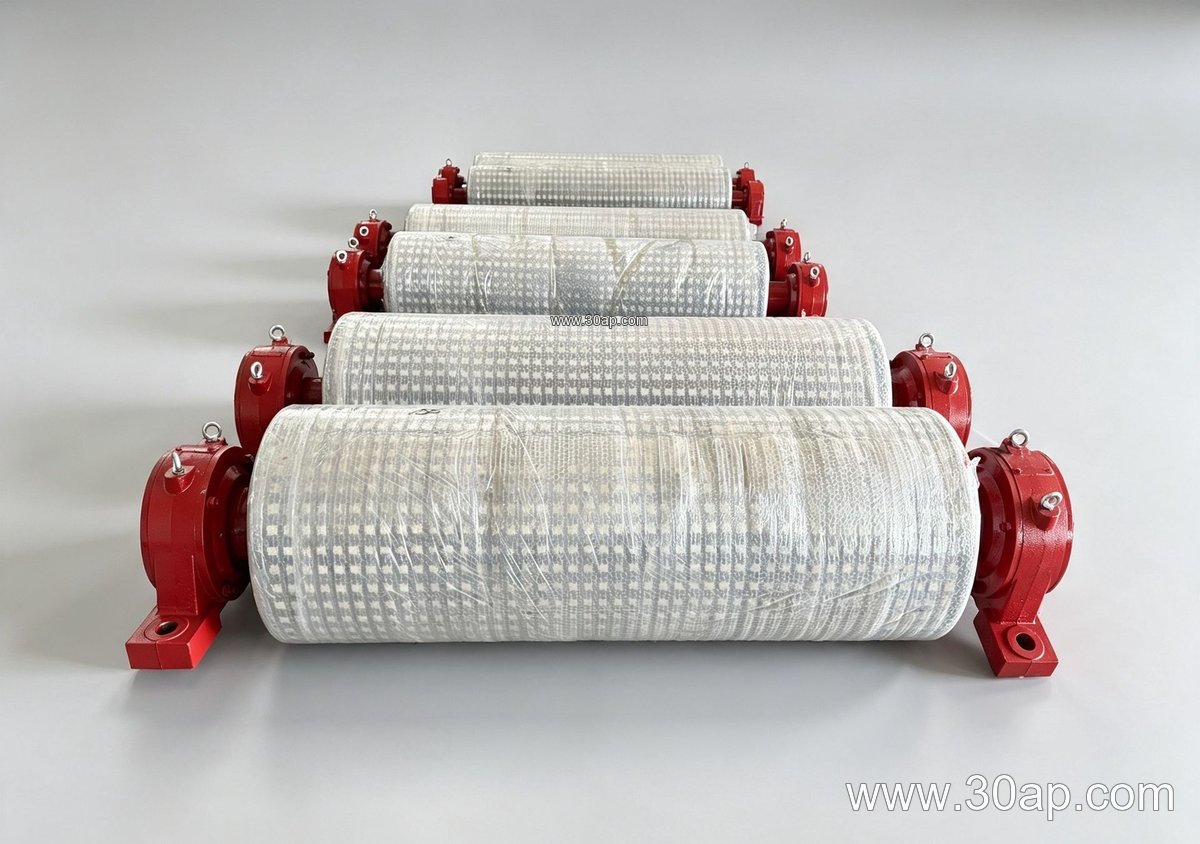
A heavy-duty ceramic lagged pulley is a conveyor pulley whose shell is covered with ceramic tiles set in a rubber or epoxy matrix. This ceramic lagging creates a high-friction surface that grips the conveyor belt firmly, reducing slip even when the belt is wet, muddy, or carrying abrasive bulk materials. Unlike standard rubber lagging, the ceramic tiles resist wear far longer in punishing conditions, making this pulley a practical choice for primary drives and other critical positions in a conveyor system.
While the drive pulley is the most common application, ceramic lagging can also be specified for a bend pulley or tail pulley where additional traction or wear protection is needed. However, these are distinct positions with different duties, and a heavy-duty ceramic lagged pulley should be selected specifically for the role it will play.
Construction and Key Components
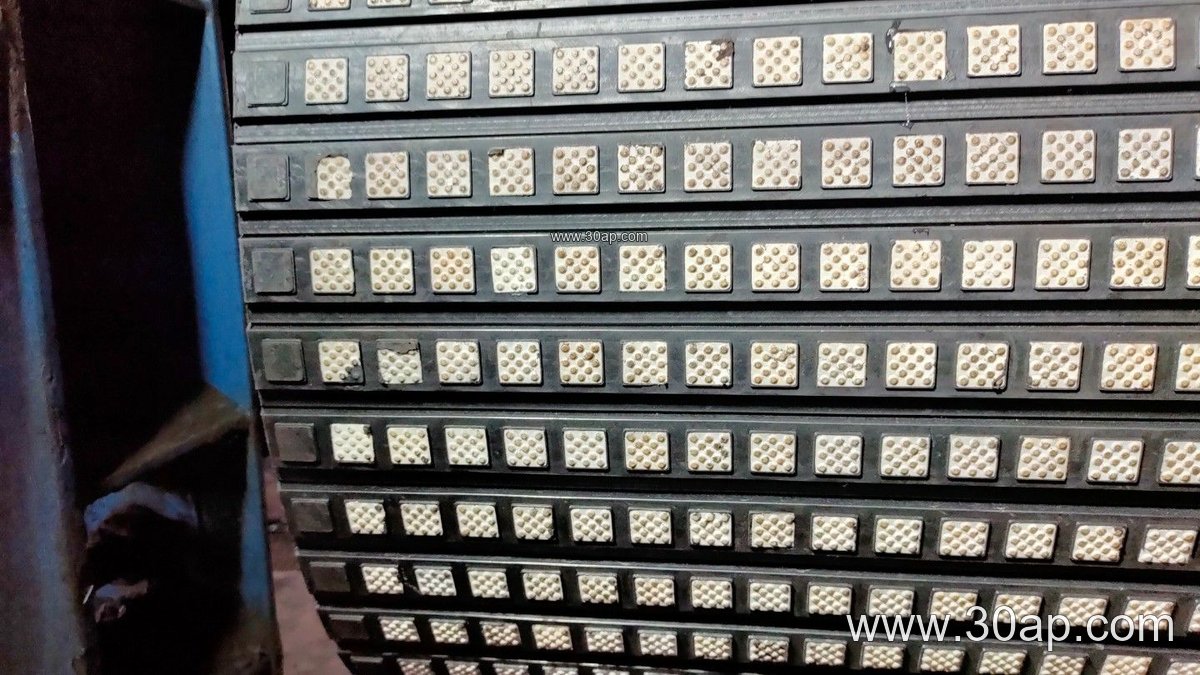
The pulley body typically consists of a steel shell, end discs, and a shaft, all engineered to withstand high torque and radial loads. The ceramic lagging is applied in tiles—often 92% alumina or similar—bonded to the shell with a tough adhesive system. The tiles are arranged in a pattern that promotes water drainage and material shedding, and the gaps between tiles are filled with rubber or epoxy to cushion impact and protect the belt.
Common surface forms include flat ceramic tiles, diamond-pattern tiles, and grooved designs. Lagging thickness commonly ranges from 8 mm to 20 mm, with 12 mm and 15 mm frequently chosen for heavy-duty service. The pulley face width is usually wider than the belt to allow for belt tracking; for example, a B1200 belt might use a pulley face of about 1400 mm, while a B800 belt could pair with a 950 mm face. Diameters are selected based on belt tension, wrap angle, and shaft loading—typical sizes include Ø500, Ø630, Ø800, Ø1000, and Ø1250, among others. Shaft diameters are determined by torque and load calculations, not by belt width alone, and common shaft sizes range from Ø80 to Ø200.
Where It Fits in the Plant
You will find heavy-duty ceramic lagged pulleys in abrasive and high-tension applications across many industries. In a quarry or sand and gravel plant, they are often used on the main drive of a crusher conveyor belt or a heavy-duty mining conveyor belt handling rock and ore. In coal mining, both underground coal mining conveyor belts and surface coal conveyor belts benefit from the slip resistance and wear life of ceramic lagging, especially where water and fines are present. Cement plants use them on clinker and raw material belts, while power plants rely on them for coal handling lines. Ports and ship loading facilities also specify ceramic lagging on high-capacity bulk material conveyor belts to maintain grip under variable weather conditions.
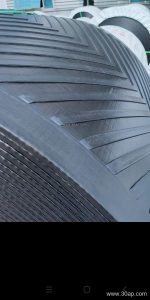
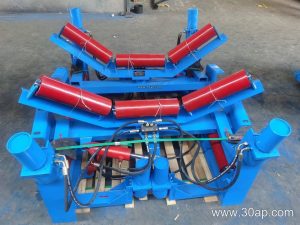
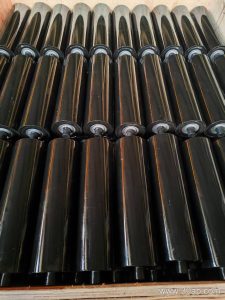
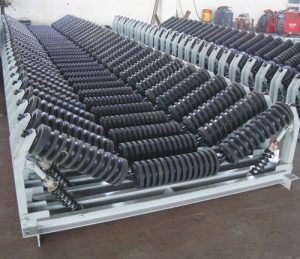
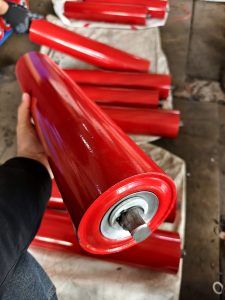
These pulleys work in concert with other components such as the conveyor belt, idler roller, and conveyor bracket. The belt itself must be compatible with the ceramic surface—abrasion resistant conveyor belt grades are common, and in some cases a steel cord conveyor belt or EP conveyor belt is used depending on the tension and load. The pulley is not a standalone solution; proper alignment, adequate take-up, and matched lagging on other pulleys all contribute to reliable operation.
Selection and Specification Notes
When choosing a heavy-duty ceramic lagged pulley, consider the following:
- Belt width and pulley face: The face width should exceed the belt width to allow for minor tracking deviations. For reference, B650 belts often use a face around 750 mm, and B1000 belts around 1150 mm.
- Pulley diameter: Larger diameters reduce belt bending stress and can improve wrap angle. Common diameters for heavy-duty service include Ø630, Ø800, Ø1000, and Ø1250. The final choice depends on belt construction and tension.
- Lagging thickness and pattern: Thicker lagging (15–20 mm) may suit high-impact points, while 10–12 mm is often adequate for general drive duty. Diamond or grooved patterns help with water evacuation.
- Shaft and bearing: Shaft diameter is calculated from torque and radial loads; do not assume a fixed shaft size from belt width alone. Bearings must be sized for the resulting loads and speed.
- Environmental factors: In coal mining or underground applications, flame retardant and anti-static properties may be required for the belt and lagging. Heat resistant conveyor belt grades may be needed in cement or sinter plants.
It is also important to distinguish the drive pulley from a tail pulley or bend pulley. While ceramic lagging can be applied to any of these, the drive pulley transmits the most torque and typically sees the highest slip risk, so it is the most common candidate for ceramic lagging. A tail pulley may use ceramic lagging primarily for wear protection rather than traction, and a bend pulley might use it to maintain belt training. Each position has its own design considerations.
Maintenance and Longevity
Ceramic lagged pulleys are built for long service, but they still require inspection. Check for tile chipping or disbonding, especially after impact events. Keep the pulley surface clean; material build-up can reduce friction and cause belt misalignment. Ensure that the conveyor belt is correctly tensioned and that the pulley is aligned with the idler rollers and brackets. In harsh environments, such as a quarry or coal handling plant, regular wash-down and inspection of lagging integrity will help prevent unexpected downtime.
Because the ceramic lagging is harder than rubber, it can be less forgiving to the belt if the surface becomes damaged. Prompt repair of any exposed shell area is advisable. When replacing a pulley, match the lagging type and thickness to the original specification or consult a conveyor engineer to confirm the correct choice for the duty.
Buyer Checklist
Before ordering, gather the following information: belt width, belt type (e.g., EP conveyor belt, steel cord conveyor belt, or fabric core conveyor belt), maximum belt tension, pulley position (drive, tail, bend, take-up), required diameter, face width, lagging thickness and pattern, shaft size, bearing type, and any environmental requirements such as flame retardancy or heat resistance. This data will help ensure the heavy-duty ceramic lagged pulley meets the demands of your conveyor system, whether it serves a mine, a cement plant, a power station, or a port facility.