What a Ship Loading Conveyor Belt Does
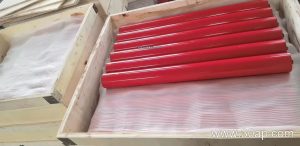
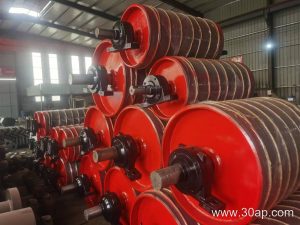
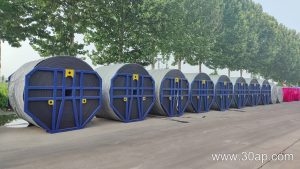
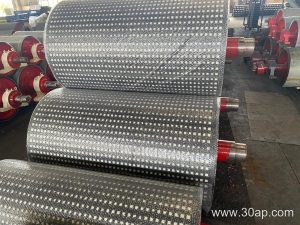
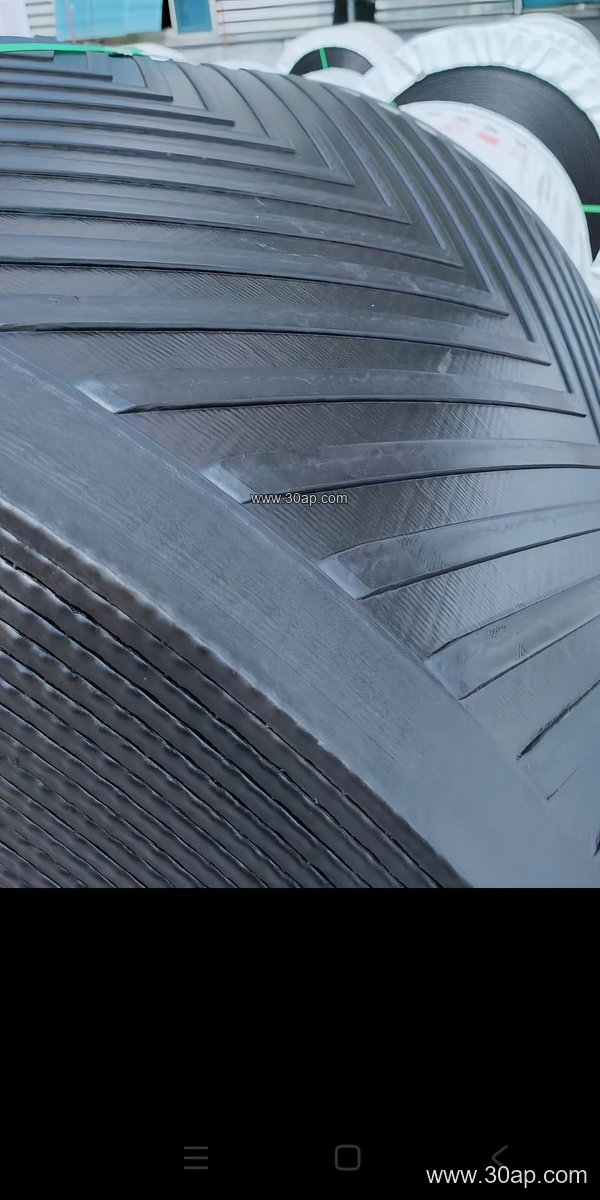
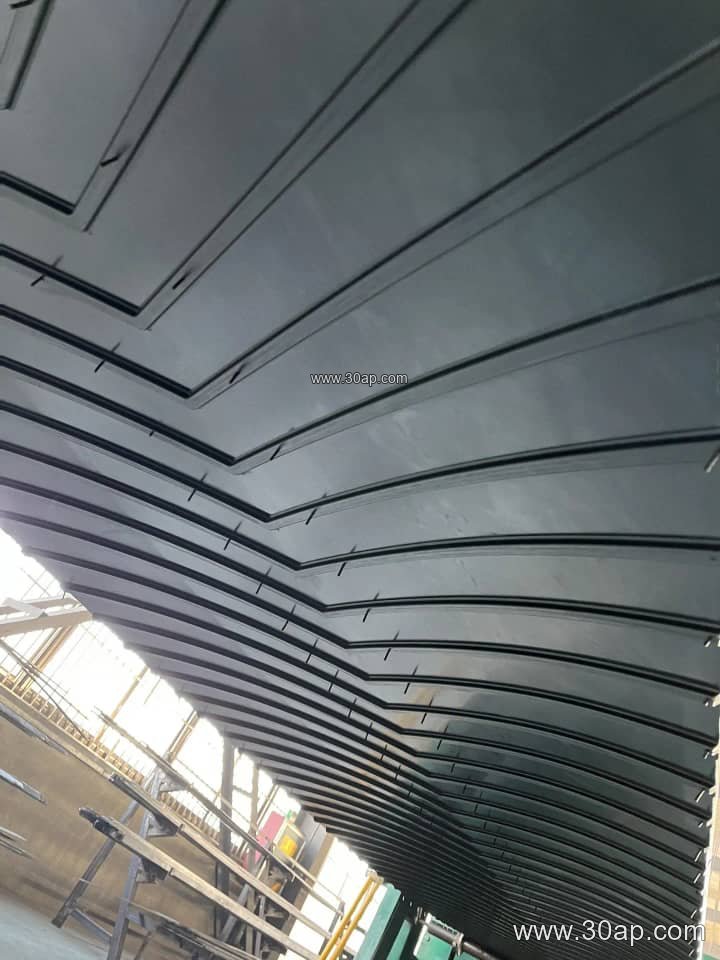
A ship loading conveyor belt is the heavy-duty belt on a shiploader or port loading conveyor that carries bulk material from the yard or silo to the vessel hold. It works at high tension, often over long booms, and must handle abrasive cargo such as iron ore, coal, cement clinker, and aggregates. Because the belt runs on conveyors equipped with idler rollers, conveyor pulleys, and sturdy conveyor brackets, the belt’s construction and cover quality directly affect loading rate and downtime.
Construction and Common Belt Types
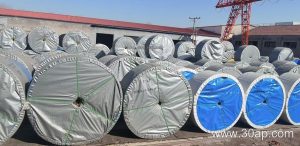
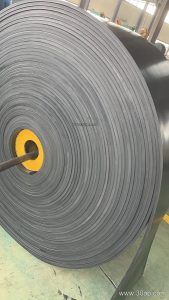
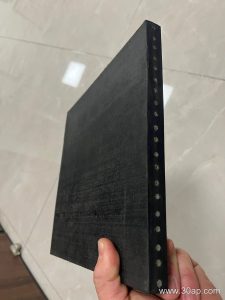
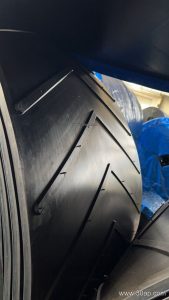
Most ship loading belts use a fabric core or steel cord carcass. EP conveyor belt (polyester-nylon) and NN conveyor belt (nylon-nylon) are common where flexibility and impact resistance matter. For very long booms and high tension, steel cord conveyor belt is often chosen. Rubber conveyor belt covers protect the carcass from abrasion, heat, oil, or flame, depending on cargo. A multi-ply fabric core conveyor belt may be used in moderate tension zones, while a heavy-duty mining conveyor belt style is preferred for sharp, heavy ore.
Cover thickness and carcass layers are specified by the conveyor designer. Common cover grades include abrasion resistant, heat resistant, flame retardant, oil resistant, and anti-static. In coal terminals, a flame retardant conveyor belt or fire resistant conveyor belt may be required. For dusty grain or cement, anti-static properties help reduce static buildup.
Typical Specifications and Dimensions
Belt width and strength are matched to the loading rate, material lump size, and conveyor geometry. The table below shows common reference values; actual selection depends on the shiploader design and cargo.
| Parameter | Common Reference Range |
|---|---|
| Belt width | B800, B1000, B1200, B1400, B1600, B1800, B2000 |
| Fabric core strength | EP200, EP315, EP400, EP500, EP630, EP800, EP1000, EP1250 |
| Steel cord strength | ST1000, ST1250, ST1600, ST2000, ST2500 |
| Cover thickness | 4+2 mm, 5+2 mm, 6+2 mm, 8+3 mm |
| Carcass layers | 2 to 6 plies (fabric core) |
These figures are indicative only. A 1200mm wide conveyor belt may be paired with different pulley diameters depending on shaft load and belt rating; belt width alone does not fix pulley size.
Where It Is Used
Ship loading belts appear in port conveyor systems, iron ore terminals, coal export facilities, cement plants, power plant coal yards, and aggregate quarries. They also serve in ship unloaders and barge loading. In dusty or corrosive environments, an acid resistant or chemical resistant cover can extend service life. For cold climates, a cold resistant conveyor belt reduces cracking. When cargo is hot clinker or sinter, a heat resistant conveyor belt or high temperature belt is needed.
Buyer Checklist
- Confirm cargo type and lump size to choose abrasion resistant, impact resistant, or heat resistant cover.
- Check the conveyor’s maximum tension and take-up to select EP, NN, or steel cord carcass.
- Verify flame retardant and anti-static requirements for coal or underground mining conveyor applications.
- Match belt width to the loading chute and pulley face; do not assume one width fits all pulleys.
- Review splice type and whether an endless conveyor belt is practical for the shiploader boom.
For port projects, reliable belt tracking depends on well-aligned idler rollers and conveyor pulleys. Keep spare belts and splice materials on site to reduce vessel delay. For more conveyor belt guidance, visit conveyor belt or idler roller resources.