What a Trough Idler Bracket Does on a Conveyor
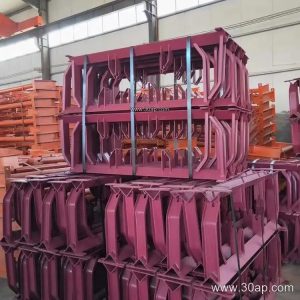
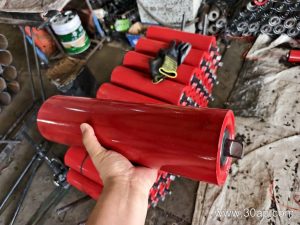
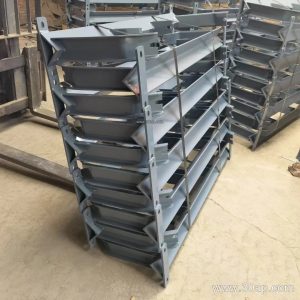
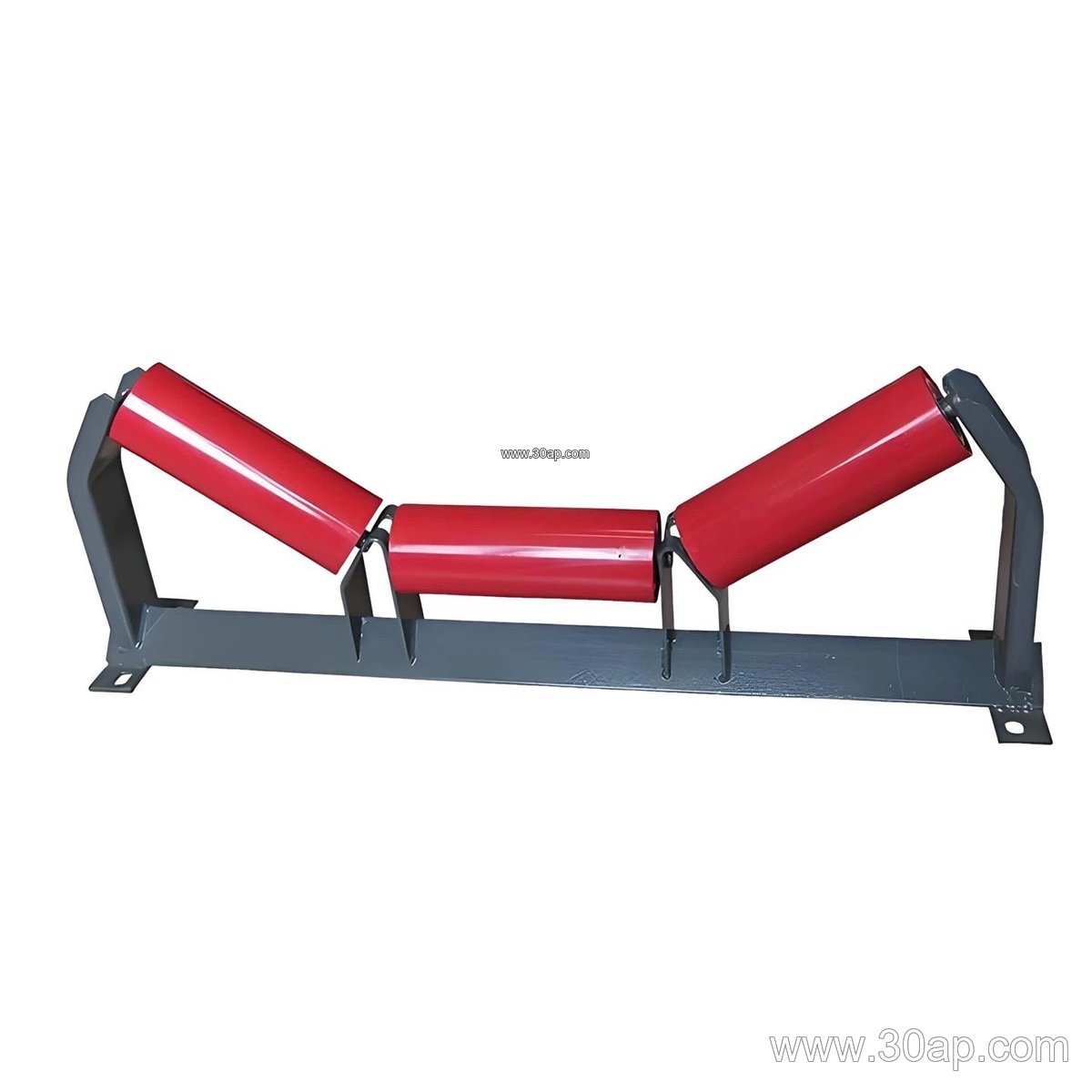
A trough idler bracket is the structural support that holds the inclined carrying idlers in a three-roll trough set. It fixes the trough angle, keeps the idler shafts aligned, and transfers the load of the belt and material into the conveyor frame. In a quarry or a coal handling plant, this small assembly decides how well the belt keeps its shape under load. The bracket works together with the conveyor belt, the idler roller and the frame; if the bracket is weak or misaligned, the belt will sag, track poorly and wear faster.
Buyers often search for a troughing idler frame or carrying idler bracket as an equivalent name for the same product. These terms describe the same component: a bracket that positions the side rollers at a set trough angle.
How the Bracket Is Built
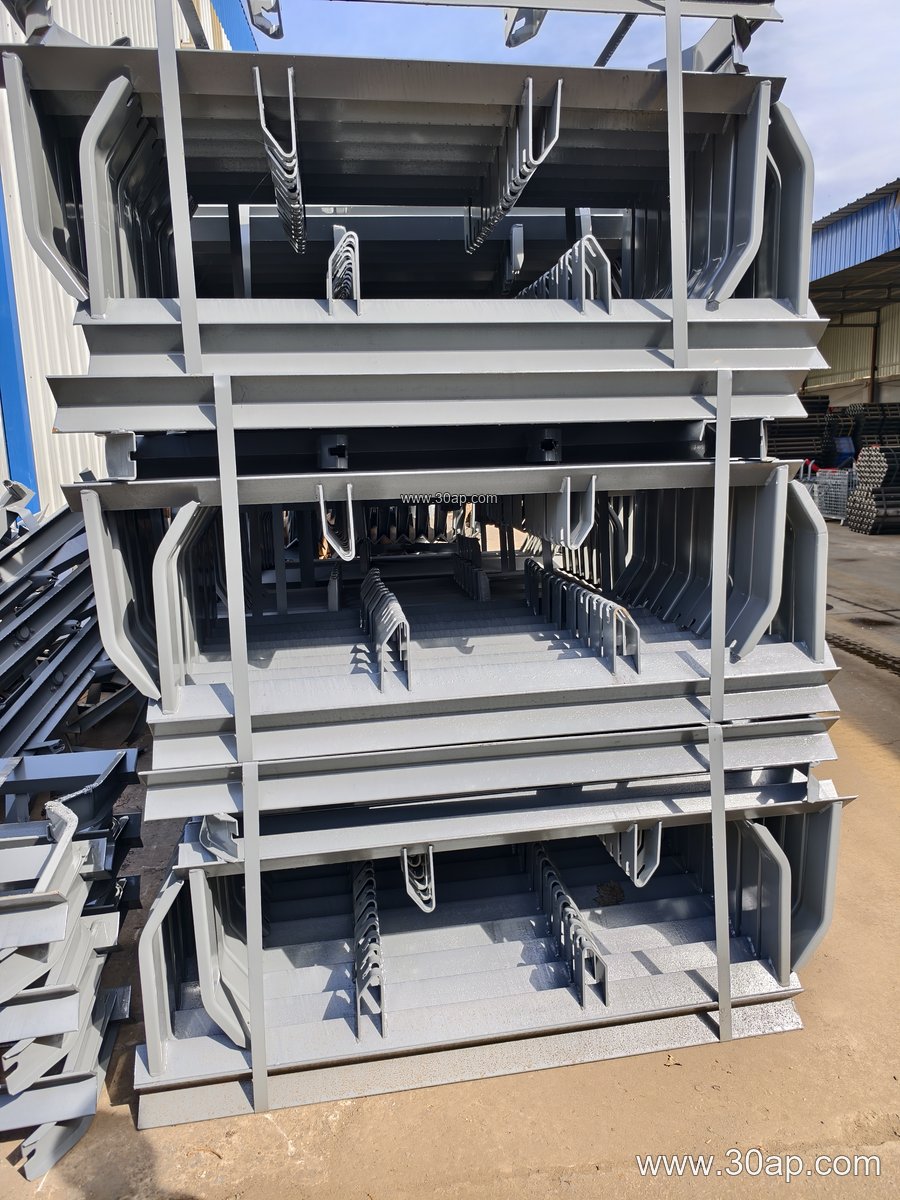
Most units are fabricated from angle steel, channel steel or folded steel plate, then drilled or punched for idler mounting. The center roll usually sits horizontally, while the two side rolls are inclined. Slots or multiple hole positions allow adjustment to the trough angle. Welds and hole alignment matter more than appearance, because a twisted bracket will pull the belt to one side.
- Material: angle steel, channel steel or bent plate
- Trough angles commonly used: 20, 30, 35 and 45 degrees; adjustable brackets can move between these positions
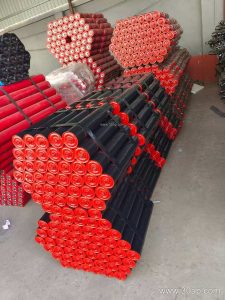
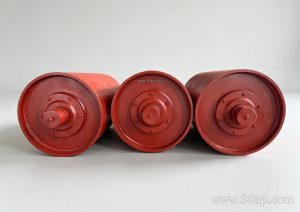
- Idler diameters that fit the same bracket family often include Ø89, Ø108, Ø133, Ø159 and Ø194, selected by load and belt width
- Belt width range commonly spans B500 to B2200, with mounting hole spacing and crossbeam length set by design
For forward-leaning sets, the side idlers may be tilted about 1.5 to 2 degrees to help center the belt. The bracket must be drilled to match that tilt, not bent on site.
Where You Will See It in Service
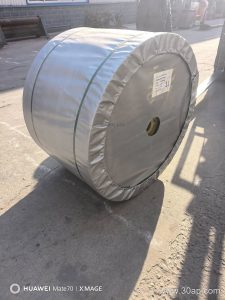
In a limestone quarry or a cement plant, trough idler brackets carry the load through the crushing and screening section, where the belt is often a heavy-duty abrasion resistant conveyor belt. In a power plant coal yard, the same bracket supports the belt on the coal conveying line. A stone crushing line handling sharp aggregate relies on well-aligned brackets to keep the belt from wandering. The bracket also appears on transfer conveyors fitted with a chevron conveyor belt or a corrugated sidewall conveyor belt, where the belt profile needs steady support.
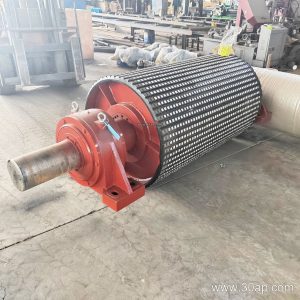
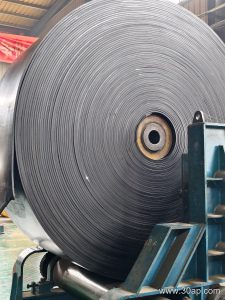
On larger lines, the bracket must be matched to the belt type: a steel cord conveyor belt is stiff and needs stable roll alignment, while an EP conveyor belt or NN conveyor belt is more flexible and tolerates a little more frame movement. The bracket is not a pulley; a drive pulley, tail pulley or bend pulley serves a different function, and none of them can replace a troughing bracket.
Fixed, Adjustable and Transition Brackets
A fixed bracket locks the trough angle. An adjustable bracket lets maintenance staff fine-tune the angle when material changes or when the belt shows edge wear. Transition brackets near the head and tail are set at a shallower angle so the belt opens gradually and does not stress the splice. Impact brackets with cushioning are used below a loading point, while a self-aligning bracket is chosen where the belt tends to misalign. Each subtype has its own job, and none is a direct substitute for another.
What to Check Before Ordering
Confirm the belt width, the idler diameter, the required trough angle and the frame hole pattern. Check whether the bracket must be fixed or adjustable, and whether the installation point needs a transition or impact design. For a 1200mm wide conveyor belt on a cement plant line, a bracket set for B1200 with 35 degrees and Ø133 idlers is a common starting point, but the final choice follows the actual load and frame design. Ask for the drawing, material thickness and surface treatment, and confirm that the mounting holes suit your existing conveyor bracket layout.
Installation and Maintenance Notes
Mount brackets square to the belt centerline and at equal height across the frame. After the first week of operation, recheck bolt torque and alignment, then inspect at routine intervals. Worn idler rollers, loose bolts and bent brackets are common causes of belt mistracking, so replace damaged units rather than shimming them. Keeping the trough idler bracket in good condition protects both the conveyor belt and the idler roller and reduces downtime in any bulk material handling site.