What a Rubber Lagged Pulley Does
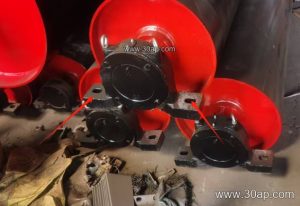
A rubber lagged pulley is a conveyor pulley whose steel shell is covered with a rubber layer, usually applied by hot vulcanization or cold bonding. The lagging raises the friction coefficient between the shell and the conveyor belt, which matters most on the drive pulley, where torque has to pass from the pulley into the belt without slipping. It also protects the shell from abrasive carry-back and dampens the shock of lumpy material at transfer points.
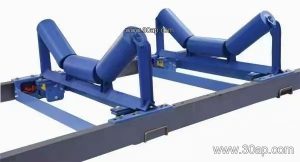
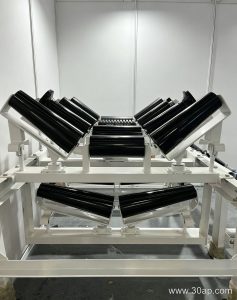
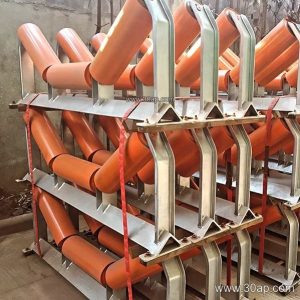
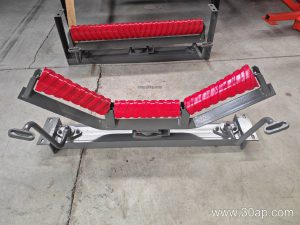
Because the rubber layer takes the wear, the pulley body lasts longer in dusty service such as a quarry, a limestone mine, or a cement plant clinker line. Buyers often specify a rubber lagged pulley together with an abrasion resistant conveyor belt and heavy-duty idler roller sets so that the whole conveyor is matched to the duty.
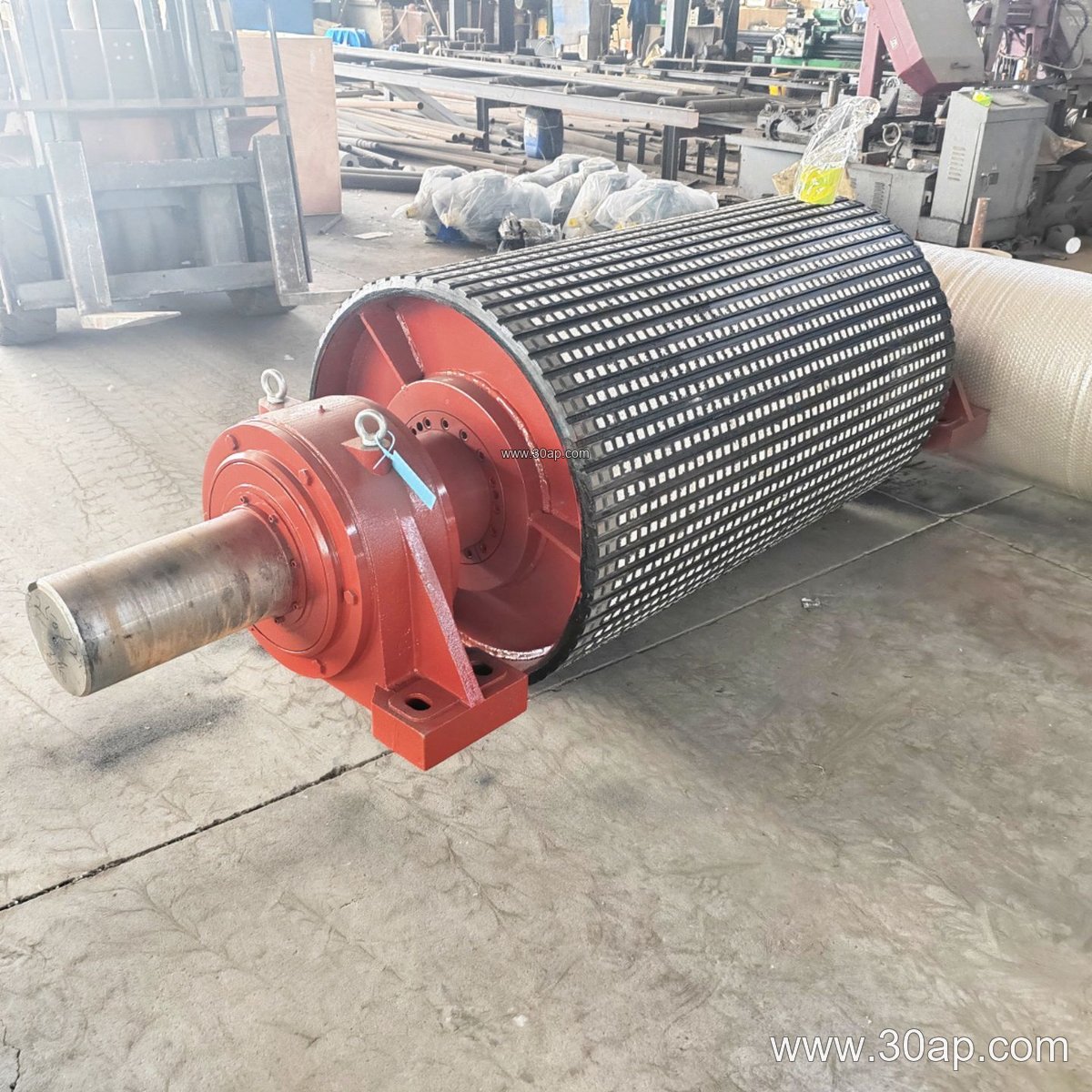
Construction and Surface Forms
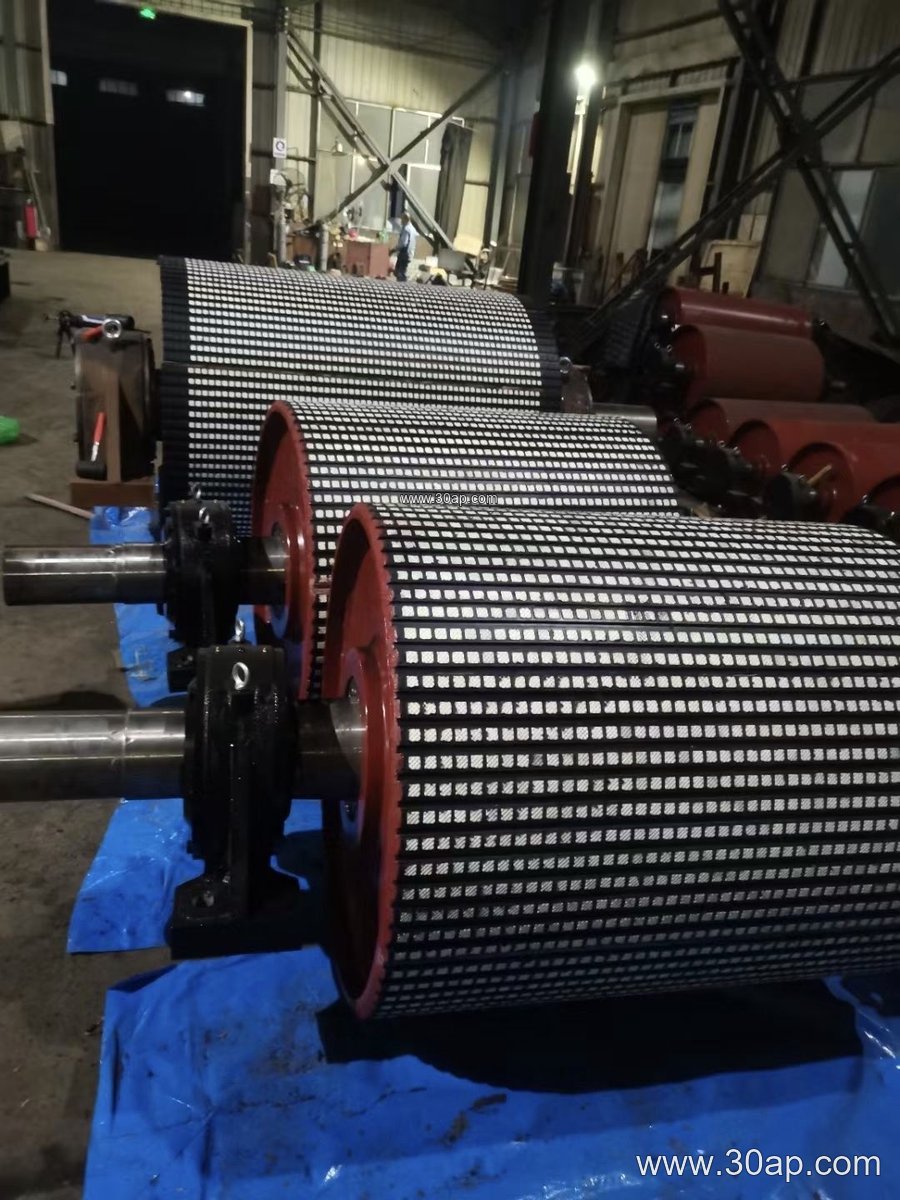
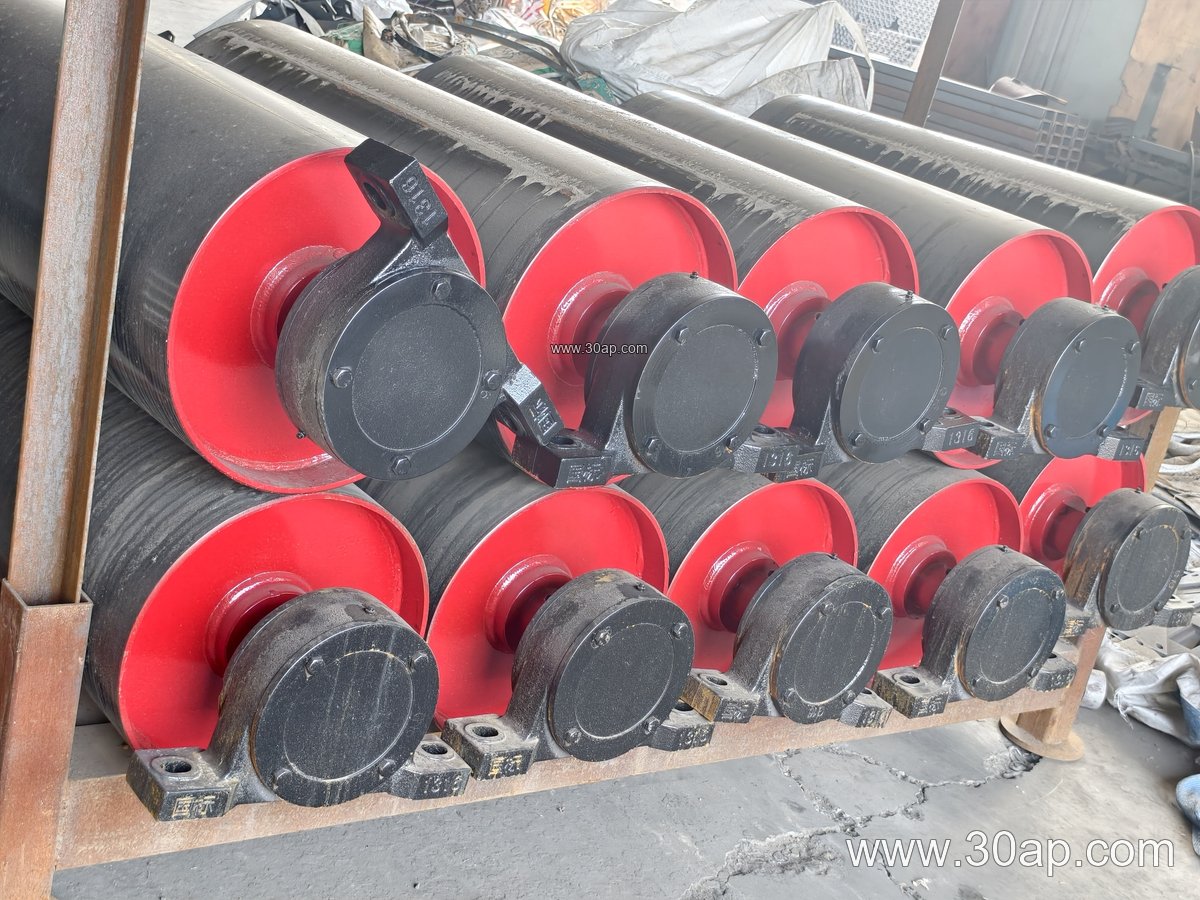
The shell is welded steel tube or rolled plate, machined at the ends, and fitted with shafts and bearing housings. Lagging is bonded to the machined surface. Common surface forms include plain, diamond, and herringbone grooving; ceramic lagging is a separate option used where grip and wear life must be extremely high.
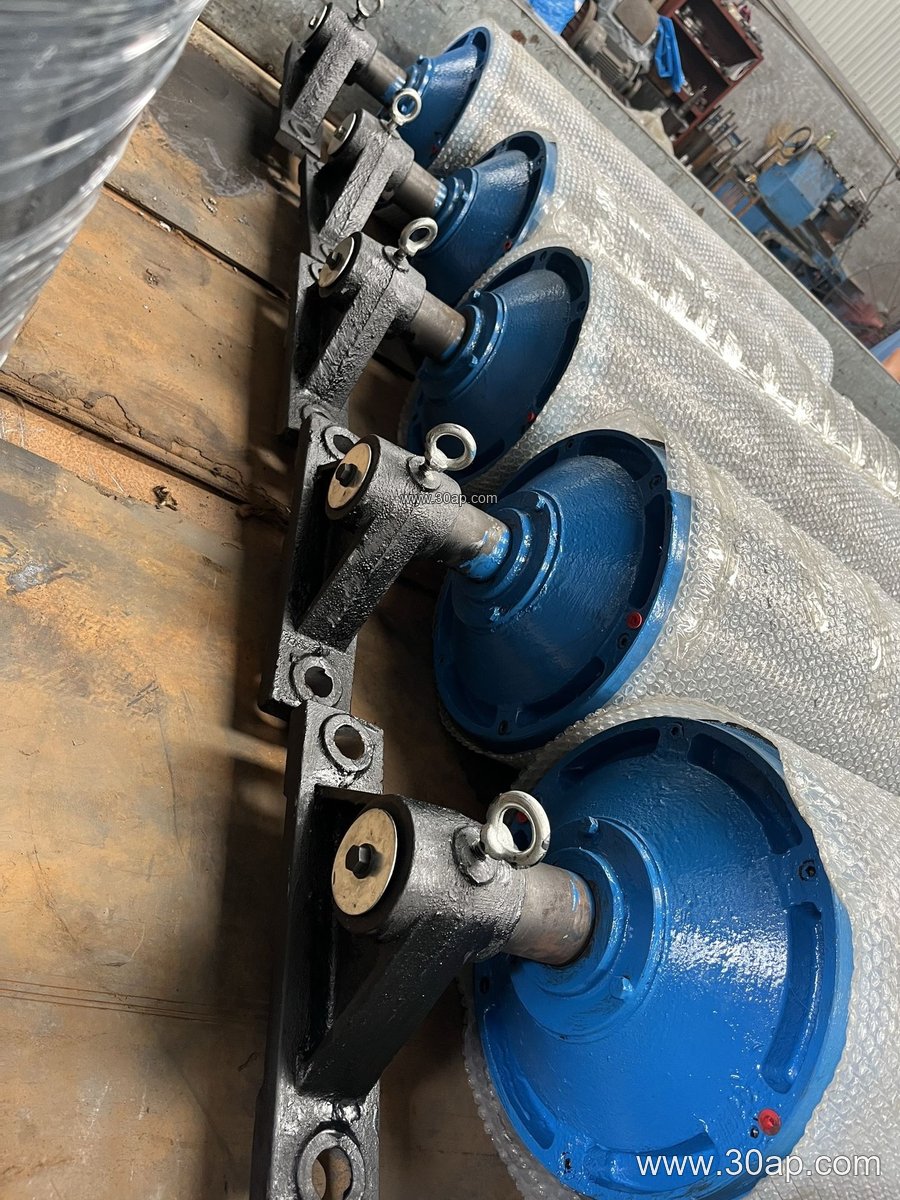
- Plain lagging: general duty, easy to clean
- Diamond lagging: better water and fines evacuation
- Herringbone lagging: directional grip, often on drive pulleys
- Ceramic lagging: high wear resistance in wet or gritty conditions
Lagging thickness is frequently 8, 10, 12, 15, or 20 mm, selected with the belt tension and the expected slip risk in mind. Thicker rubber is not automatically better; it adds weight and may require a larger diameter to keep the belt path smooth.
Where It Fits on the Conveyor
The drive pulley is the usual home for rubber lagging, since this is where traction is generated. Tail pulleys are sometimes lagged as well, mainly to protect the shell from dirty belt return. A bend pulley or take-up pulley may be supplied with lagging when the belt wrap is high or the environment is wet, but these positions are not interchangeable with the drive position and should be specified separately.
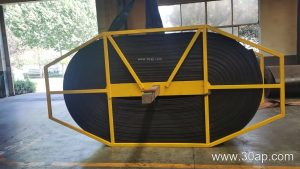
In a coal mining conveyor or an underground coal mining conveyor, flame retardant grades of rubber and belt are often requested. In a power plant coal handling system or a port bulk terminal, the drive pulley may run with an EP conveyor belt or a steel cord conveyor belt, and the lagging has to suit the belt cover rather than fight it.
Matching Pulley to Belt Width
Pulley face width is normally a little wider than the belt so the belt is fully supported. Typical reference combinations are shown below; these are common examples, not fixed rules.
| Belt width | Typical pulley face width | Example diameter |
|---|---|---|
| B500 | about 600 mm | Ø400 |
| B650 | about 750 mm | Ø500 |
| B800 | about 950 mm | Ø500 or Ø630 |
| B1000 | about 1150 mm | Ø800 |
| B1200 | about 1400 mm | Ø1000 |
| B1400 | about 1600 mm | Ø800 or Ø1000 |
Diameter is set by belt tension, wrap angle, and shaft torque, not by belt width alone. Shaft diameters commonly fall in the Ø50 to Ø200 range and are calculated from the actual load. A B1200 × Ø1000 drive pulley and a B1400 × Ø800 bend pulley can both exist on the same conveyor.
Buyer Checklist
- Confirm position: drive, tail, bend, take-up, or snub
- State belt width and belt type, for example EP200 or ST1600
- Give required lagging thickness and groove pattern
- Provide belt tension and torque data for shaft sizing
- Check environment: wet, oily, hot, or dusty
For a crusher conveyor belt line or an aggregate conveyor belt, diamond lagging with 10 to 12 mm rubber is a frequent starting point. For a high temperature conveyor belt application, heat-resistant lagging and a heat resistant conveyor belt should be reviewed together. Matching the rubber lagged pulley to the belt and the duty keeps slip, spillage, and premature shell wear under control.