What a Ship Loading Conveyor Belt Does
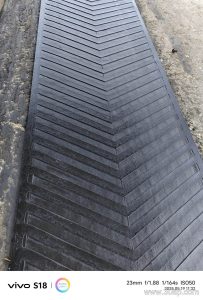
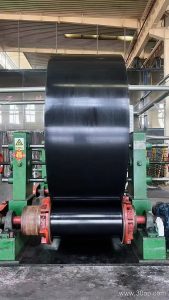
A ship loading conveyor belt is the carrying element of a ship loader: a heavy-duty conveyor that moves bulk material from a stockyard, silo or truck receiving point to the hold of a vessel. It differs from a yard conveyor mainly in its duty cycle, its reach and the way it is supported on a moving structure. In a port handling iron ore, coal, cement clinker, fertilizer or sand and gravel, the belt runs on a long boom that luffs and slews, so the belt must tolerate changing inclines, tight transitions and frequent starts under load.
In practice the belt is one part of a chain that includes idler rollers, conveyor pulleys, a drive station and a conveyor bracket system on the boom and gantry. The belt itself is usually a heavy fabric or steel cord construction, chosen for tensile strength, impact resistance and cover quality rather than for general light-duty conveying.
Construction and Belt Selection
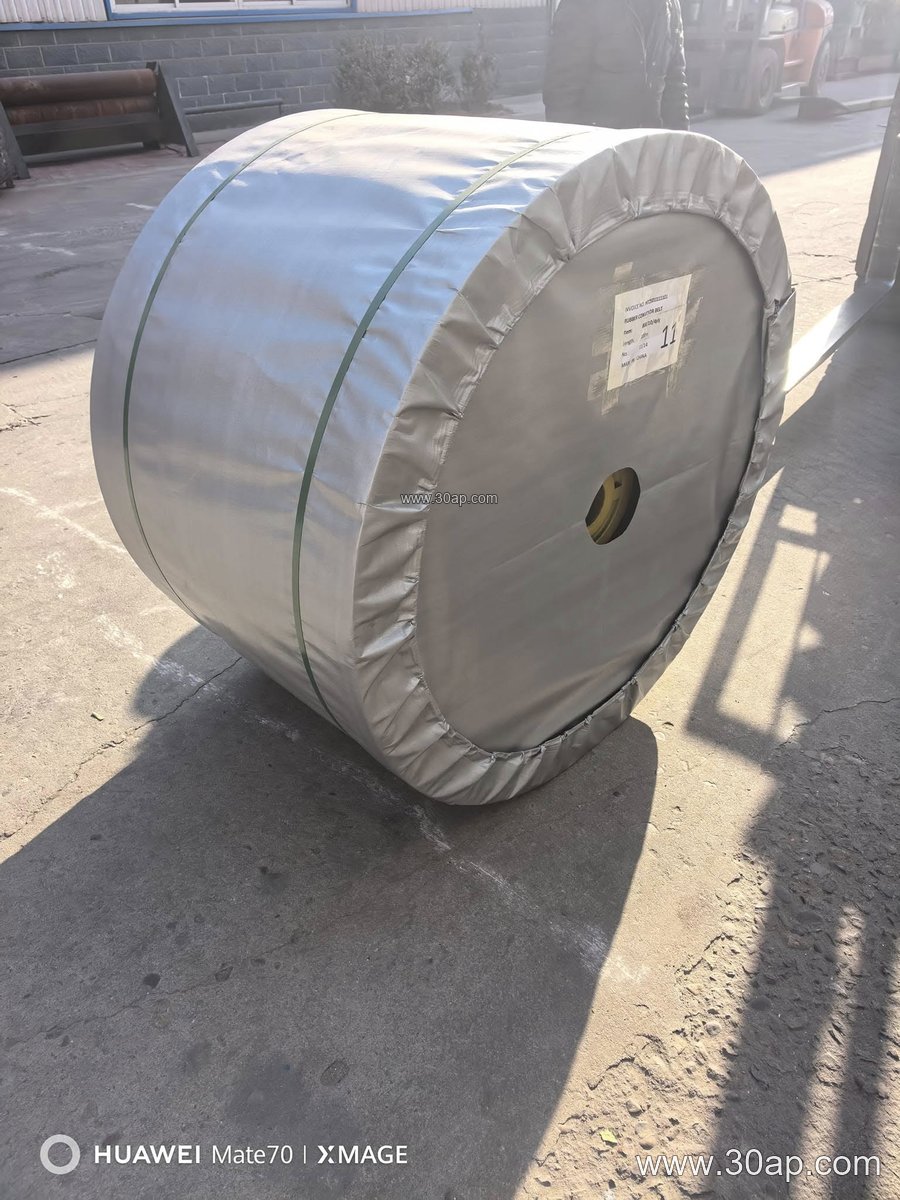
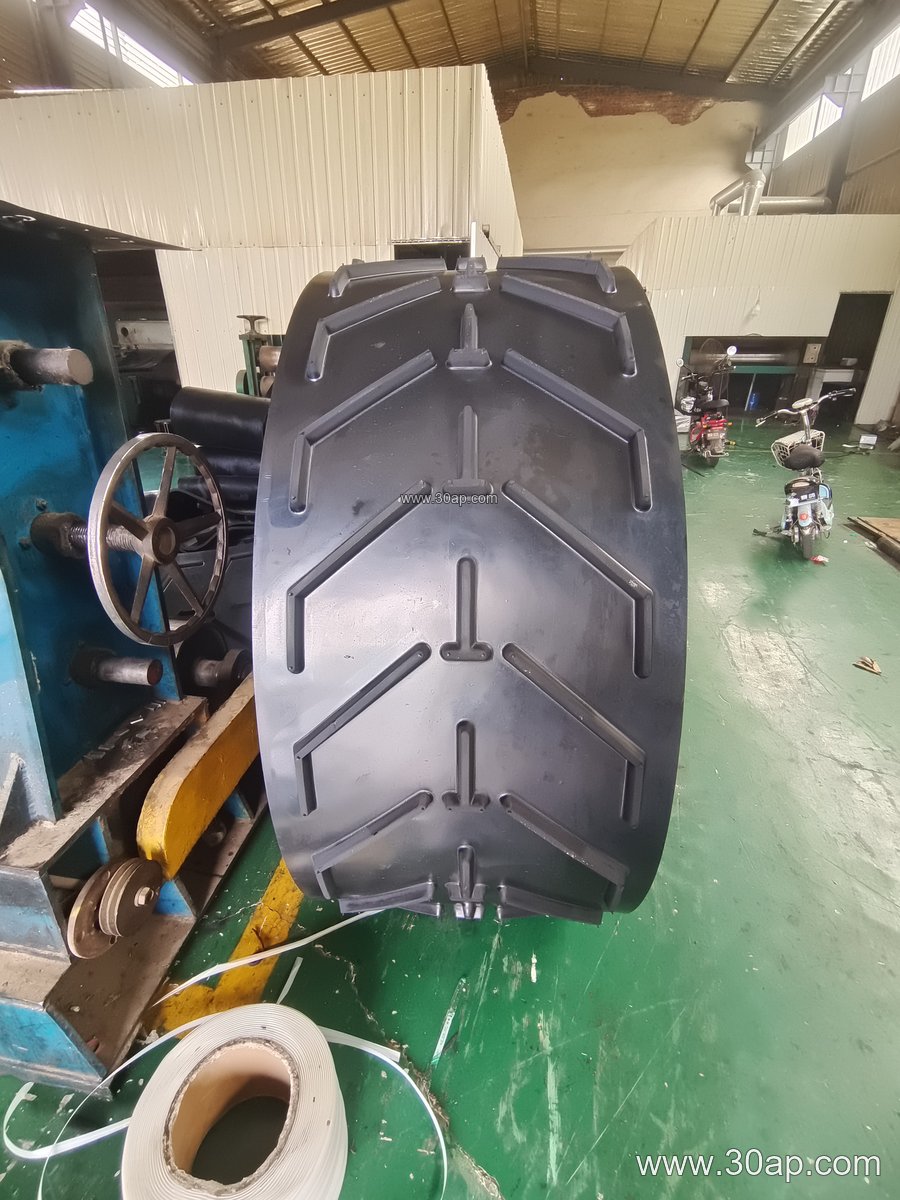
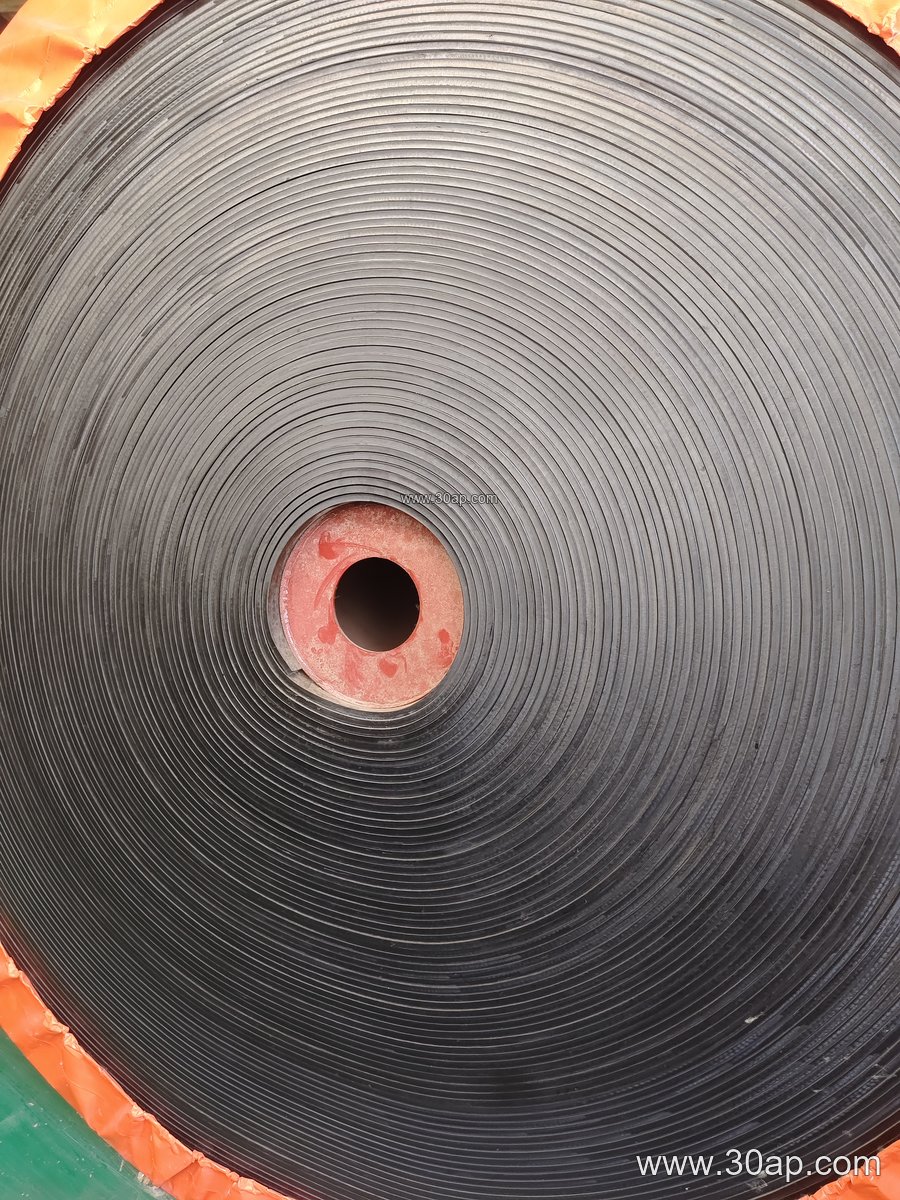
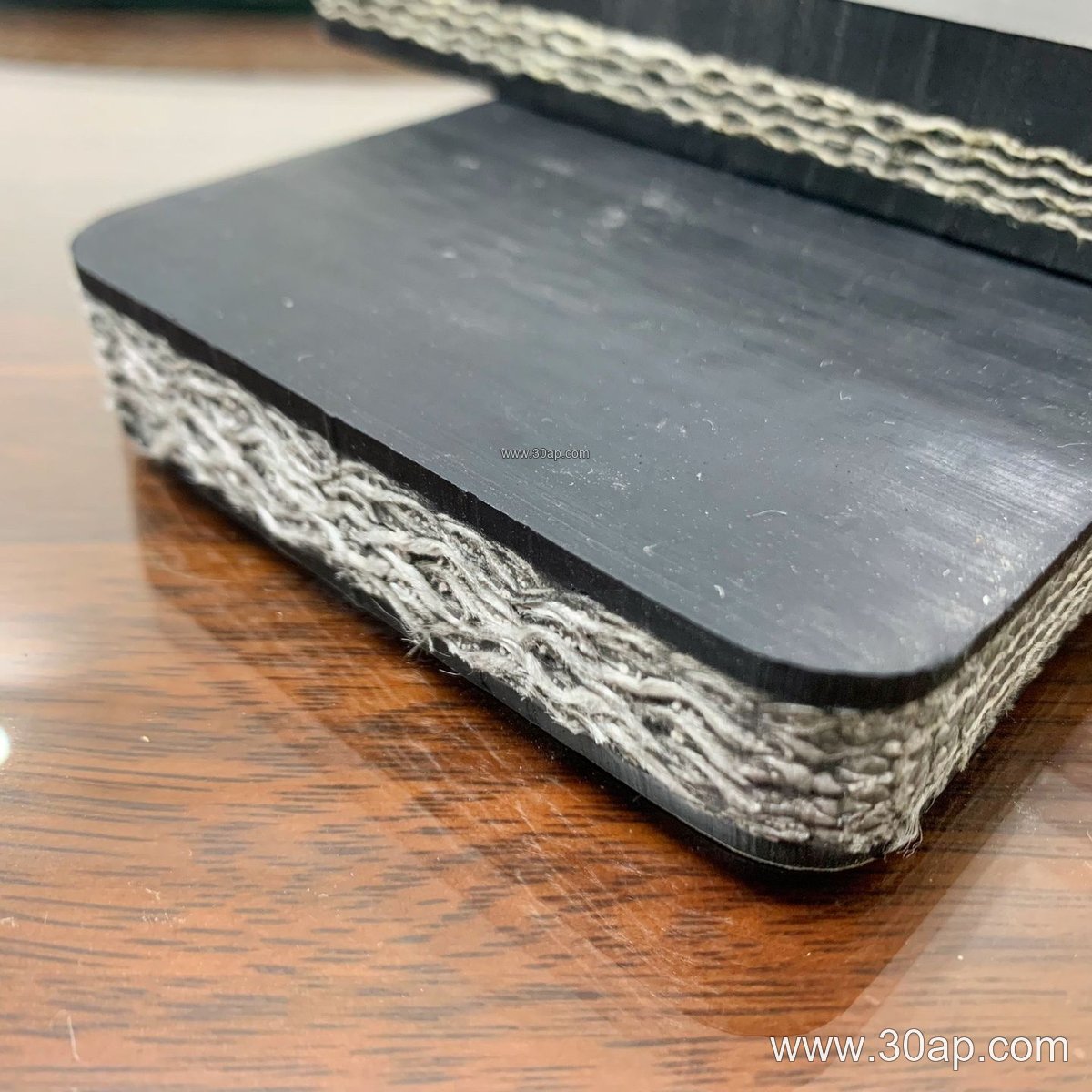
Ship loading belts are commonly built with EP or NN fabric carcasses at higher strength grades, or with steel cord where the boom length and lift demand very high tension. Cover rubber thickness is selected for the material: lumpy ore and clinker need a thicker top cover, while fine cement or fertilizer may allow a thinner one. Flame-retardant and antistatic grades are typical where coal dust or combustible bulk is handled.
Typical reference values, to be confirmed with the belt supplier for each project, include:
| Parameter | Common reference range |
|---|---|
| Fabric type | EP, NN, steel cord |
| Strength grade | EP200 to EP2000 |
| Belt width | B800, B1000, B1200, B1400, B1600 |
| Cover thickness | 4+2 mm, 5+2 mm, 6+2 mm, 8+3 mm |
| Carcass plies | 2 to 6 layers |
| Special grades | wear-resistant, heat-resistant, oil-resistant, flame-retardant, antistatic, cold-resistant |
These are reference points, not fixed combinations. A wider belt does not automatically dictate one pulley diameter, and shaft size must be calculated from the actual loads on the drive, tail and bend pulleys rather than from belt width alone.
Drive, Tail and Bend Pulleys
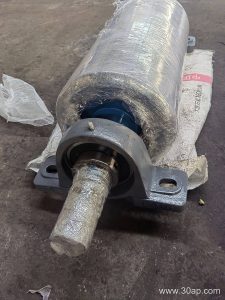
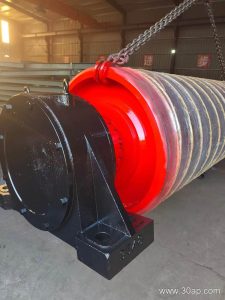
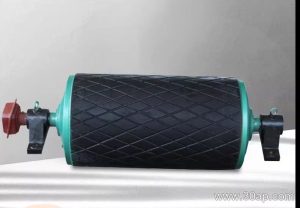
The belt is trained and tensioned by several distinct components, and they should not be treated as interchangeable. The drive pulley transmits torque from the gearbox and is usually lagged for grip. The tail pulley at the loading end returns the belt and may carry a tensioning take-up. Bend pulleys redirect the belt around the boom structure and affect wrap angle and belt path. Each has its own diameter, face width, bearing and lagging requirement, and each must be specified separately during design.
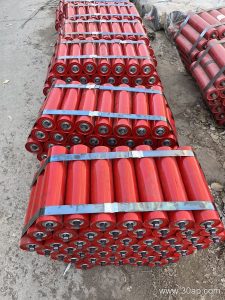
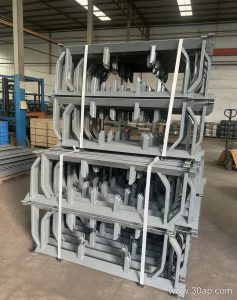
Supporting the belt along the boom are idler rollers in troughing, impact and return positions. Their spacing and roll diameter depend on belt width, material weight and sag limits; a conveyor bracket carries the idlers and ties them to the boom frame. On a slewing and luffing ship loader, brackets and frames must also resist vibration and slight structural deflection.
Where These Belts Are Used
- Port coal and ore terminals loading bulk carriers
- Cement and clinker export terminals
- Fertilizer and grain handling facilities
- Sand and gravel plants feeding barges
- Power plant ash and fuel transfer to ship berths
In each case the belt works with a complete conveyor pulley set, idler rollers and structural brackets, and the material characteristics set the cover grade and carcass strength.
What Buyers Should Check
Start with the material: lump size, density, moisture, temperature and any explosion or fire risk determine the belt grade. Then confirm the duty: tons per hour, boom length, lift height, whether the belt starts loaded, and how often the boom slews. Ask for the calculated belt tension rather than selecting a strength grade by habit.
Check the pulley and idler package at the same time. The drive pulley lagging, tail pulley take-up travel and bend pulley arrangement all influence belt life. Request the belt splice method, edge condition and cover thickness in writing. For spare planning, keep the belt specification, idler roller sizes and conveyor bracket drawings together so future replacements match the original design.
Finally, confirm that the proposed belt, pulley and idler combination suits the actual ship loader geometry. Reference data such as EP grades, belt widths and cover thicknesses help frame the discussion, but final values should come from the project design and the supplier’s verified data.