What a 630mm Drive Pulley Does
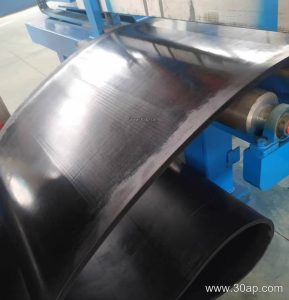
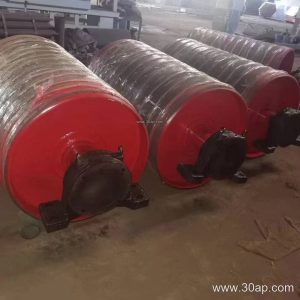
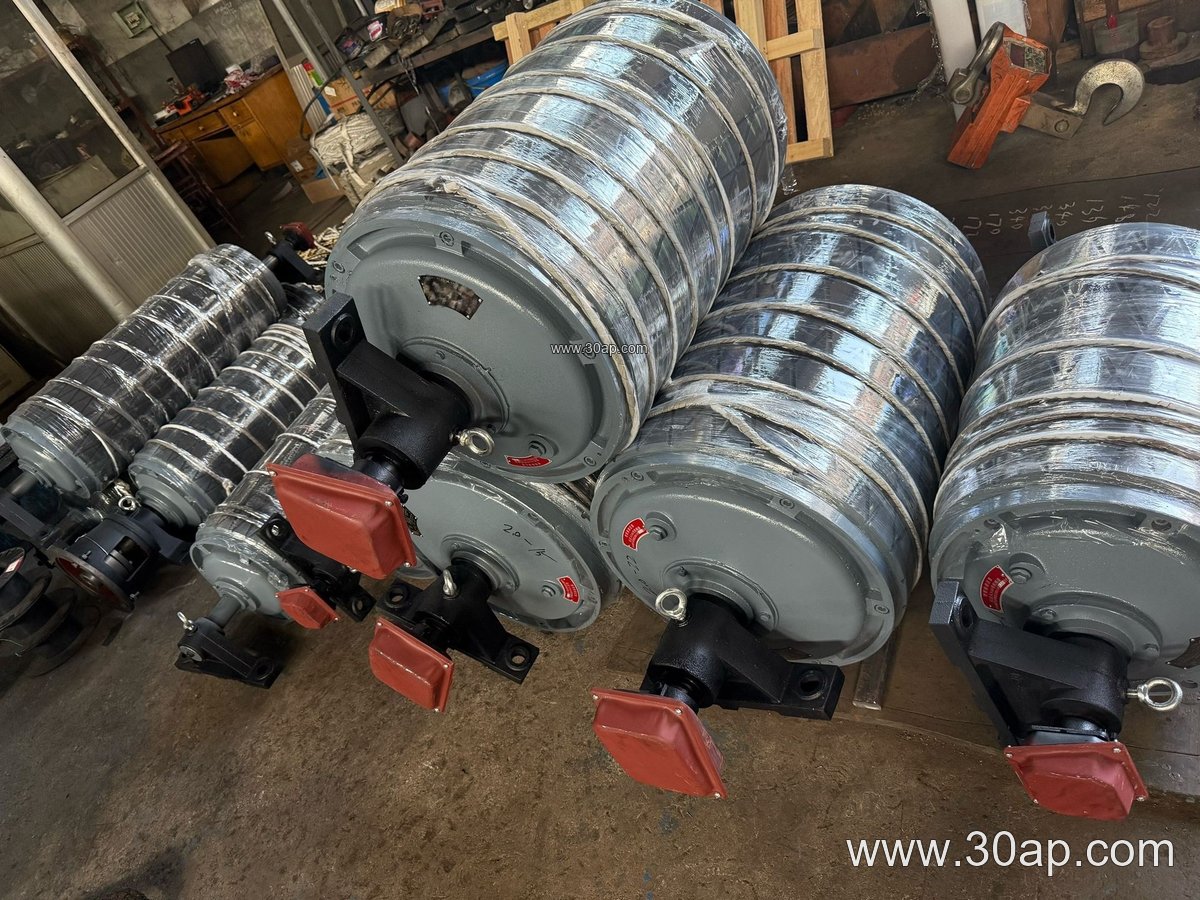
The 630mm drive pulley is the power-transmitting drum at the head of a belt conveyor. Its 630mm diameter gives it enough wrap area and torque capacity to move bulk materials in quarries, coal washing plants, and cement clinker lines. Unlike a tail pulley, which mainly redirects the belt, this drive pulley grips the conveyor belt and pulls the loaded strand. The larger diameter also helps reduce belt bending stress, which matters when the belt is a heavy-duty mining conveyor belt or a steel cord conveyor belt.
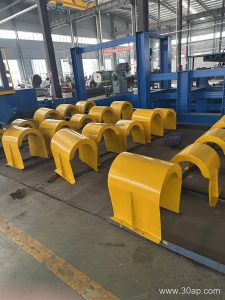
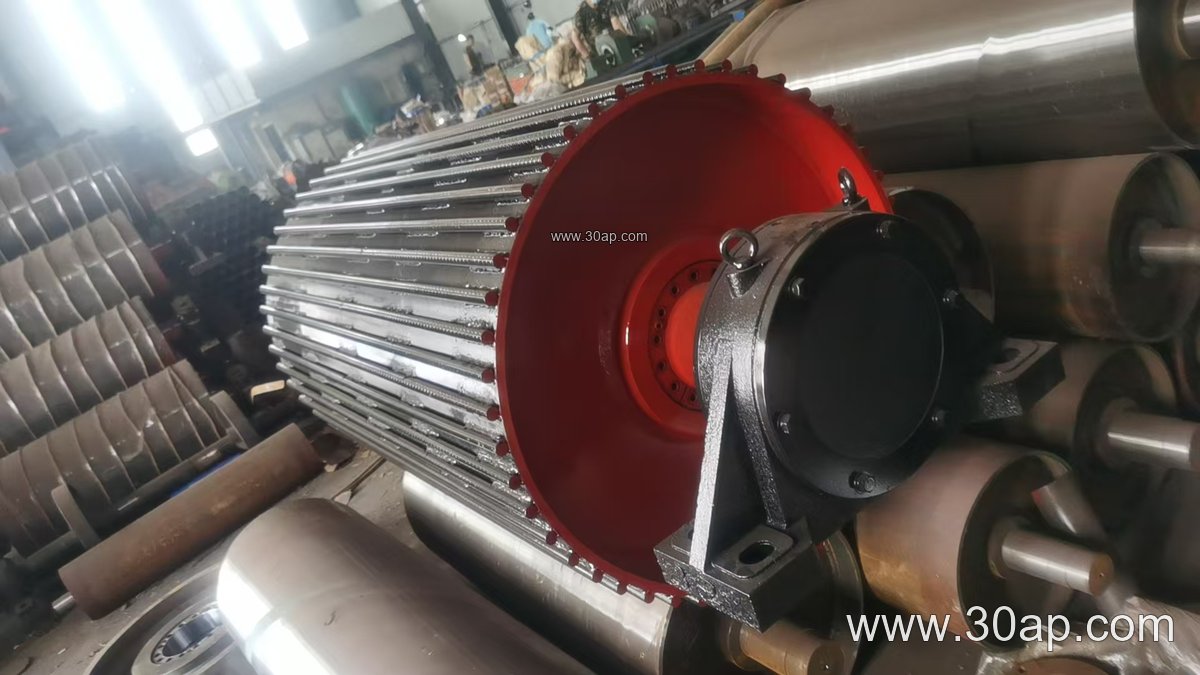
In a typical aggregate conveyor, the drive pulley is fitted with a shaft, bearings, and a conveyor bracket that anchors it to the frame. The pulley surface is often lagged to increase friction. A 630mm drive pulley is commonly matched with belt widths from around 800mm to 1400mm, but the exact combination depends on belt tension and load, not on a fixed rule.
Construction and Surface Options
The drum body is usually fabricated from rolled steel plate with welded end discs, then machined for balance. Shaft diameters are selected by torque and radial load; common shaft sizes for this class include Ø120, Ø140, and Ø160, though smaller or larger shafts may be used after engineering review. The pulley face width is normally wider than the belt. For example, a B1000 belt often runs on a pulley face of about 1150mm, while a B1200 belt may use a face around 1400mm.
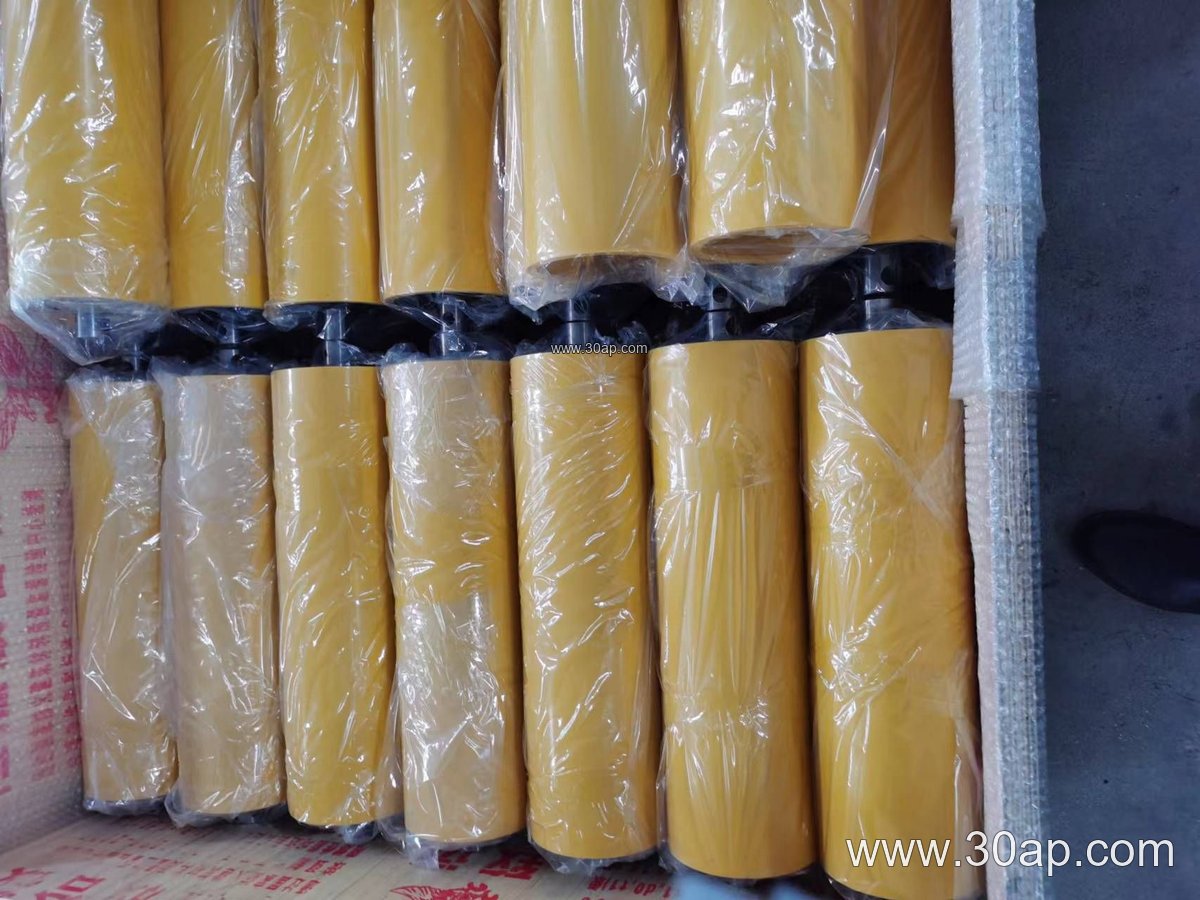
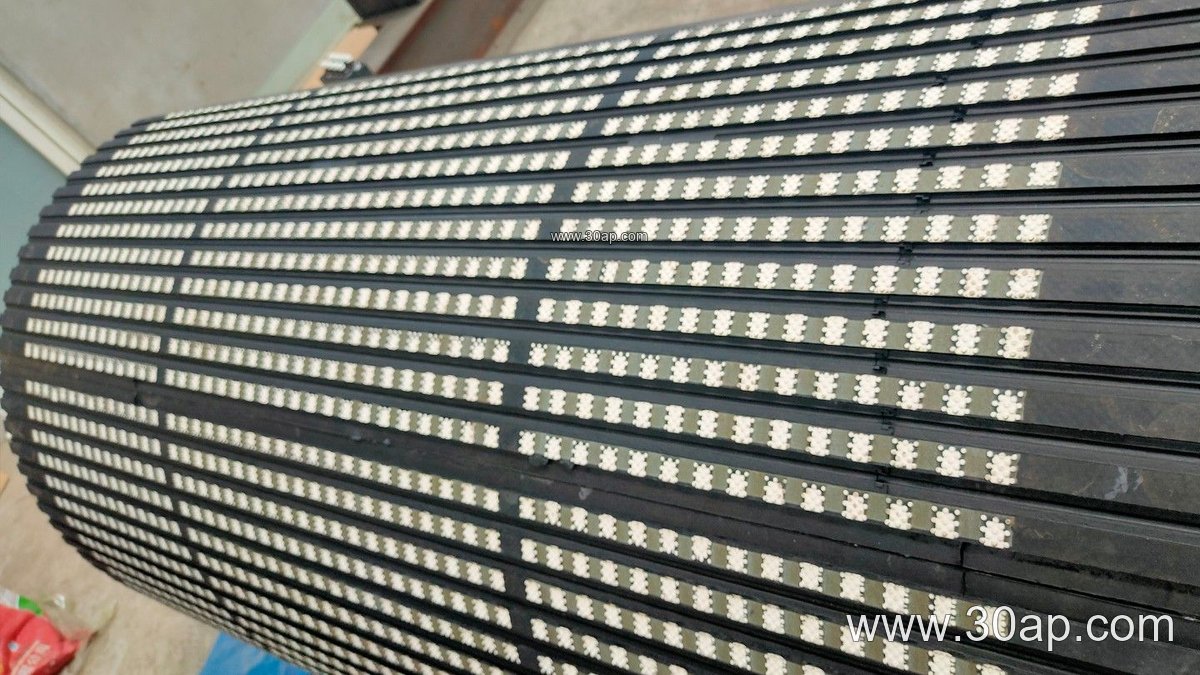
Lagging is a key choice. Plain steel is used in some dry applications, but most 630mm drive pulleys are covered with rubber lagging. Common surface forms include plain rubber, diamond lagging, and ceramic lagging. Lagging thickness often ranges from 8mm to 15mm, with 10mm and 12mm being frequent. Diamond lagging improves water shedding, while ceramic lagging suits high-abrasion conditions such as iron ore or copper ore transfer. For dusty coal mining conveyor systems, flame retardant and anti-static properties may be required from the belt and lagging combination.
Where It Fits in the Plant
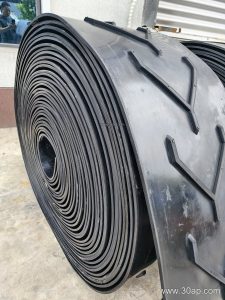
You will see this pulley size in secondary and tertiary crushing circuits, in limestone quarries, and in power plant coal handling. It also appears in ship loading conveyors at ports and in fertilizer or grain silo operations where moderate belt widths are used. In a cement plant, a 630mm drive pulley may drive a clinker belt or a raw material transfer belt. In a sand and gravel line, it often works with a fabric core conveyor belt such as an EP200 or EP300 belt, while heavier ore duties may call for a steel cord conveyor belt.
Because the drive pulley is not interchangeable with a bend pulley or a take-up pulley, the location matters. A bend pulley only changes belt direction; a 630mm drive pulley must be sized for starting torque, slip control, and belt wrap. When replacing a worn pulley, check the shaft keyway, bearing centers, and lagging pattern rather than assuming any 630mm drum will fit.
Buyer Checklist
- Confirm the belt width and the required pulley face width; do not assume a B800 belt only matches one diameter.
- State the belt type and tension, whether EP conveyor belt, NN conveyor belt, or steel cord conveyor belt.
- Specify lagging form and thickness, for example 12mm diamond rubber or 15mm ceramic.
- Provide shaft diameter and bearing type from the conveyor design, not from belt width alone.
- Check environmental needs such as heat resistant, oil resistant, or flame retardant conveyor belt compatibility.
- Ask for balancing and runout tolerances suitable for the planned belt speed.
For a 630mm drive pulley, the best specification comes from the conveyor designer’s torque and tension data. A pulley that is correctly sized and lagged will protect the conveyor belt, reduce slip, and keep the line running through shifts in quarries, wash plants, and bulk terminals.