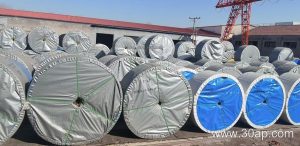
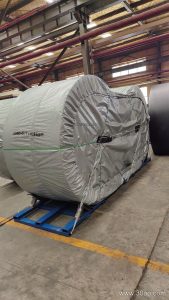
What a 1400mm Conveyor Belt Is
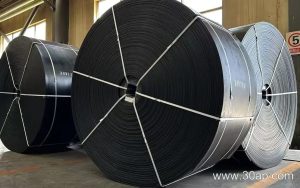
A 1400mm conveyor belt is a wide-profile rubber belt built to run on a 1400 mm wide conveyor system, often written as B1400. At this width, the belt carries high volumes of crushed rock, ore, clinker, coal, sand and aggregate, so it usually sits in the main haulage line of a mine, cement plant, power station, quarry, sand making plant or port loading facility. The 1400mm Conveyor Belt is a common choice where a 1200mm conveyor belt is too narrow for the required tonnage but a 1600mm or 1800mm wide belt would add cost without real benefit.
Buyers usually describe the same product as a 1400 mm wide conveyor belt, a B1400 belt, or a 1400mm fabric core conveyor belt when the carcass is textile. Those names refer to one item with a specific width; they are not separate product families.
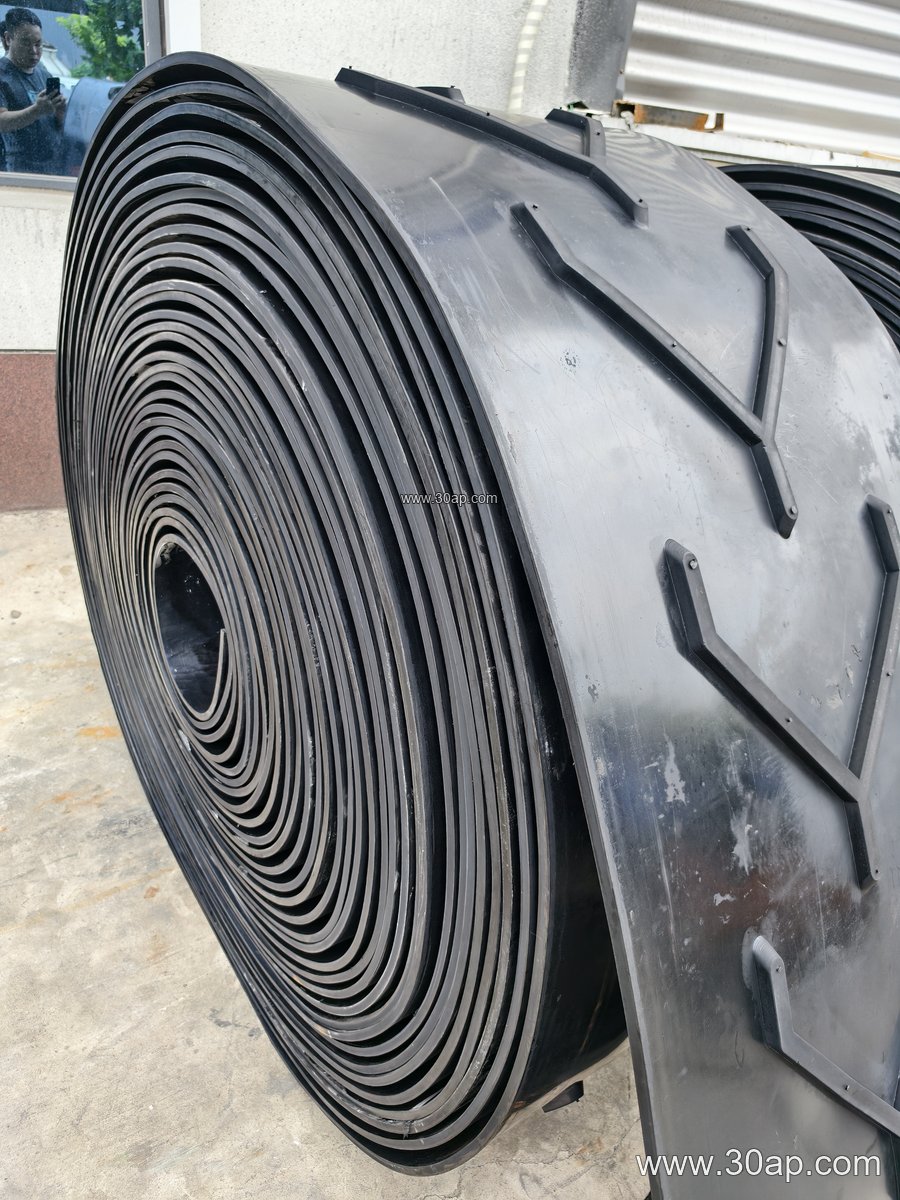
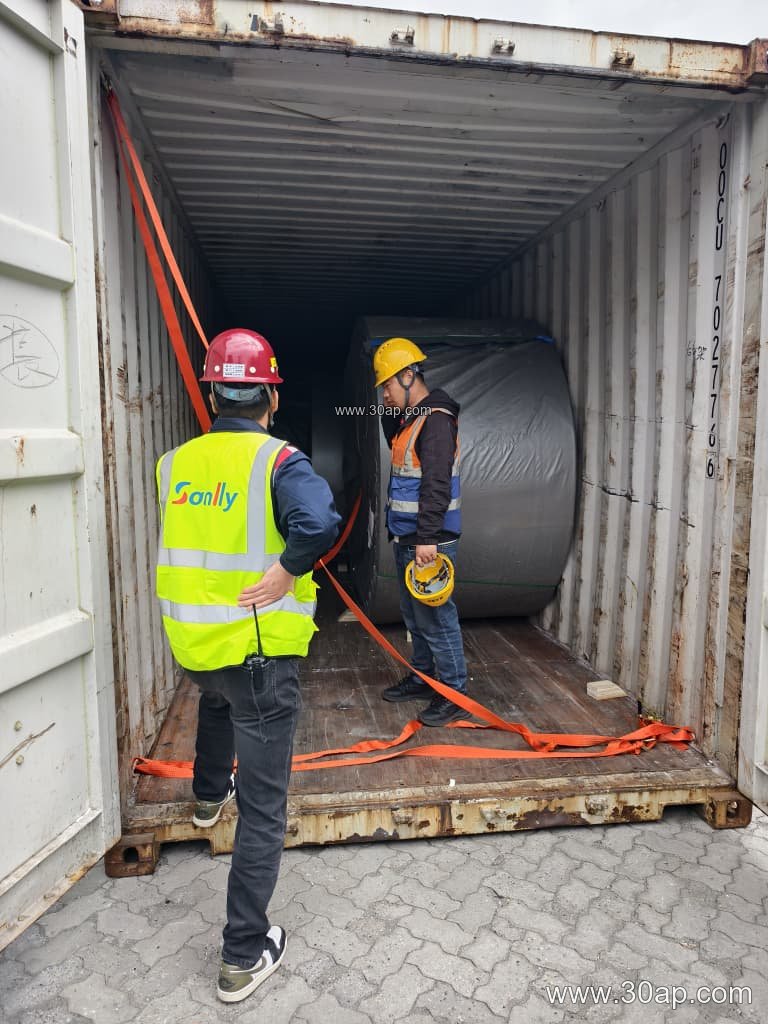
Construction and Common Specifications
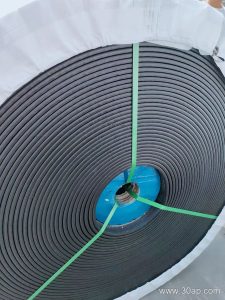
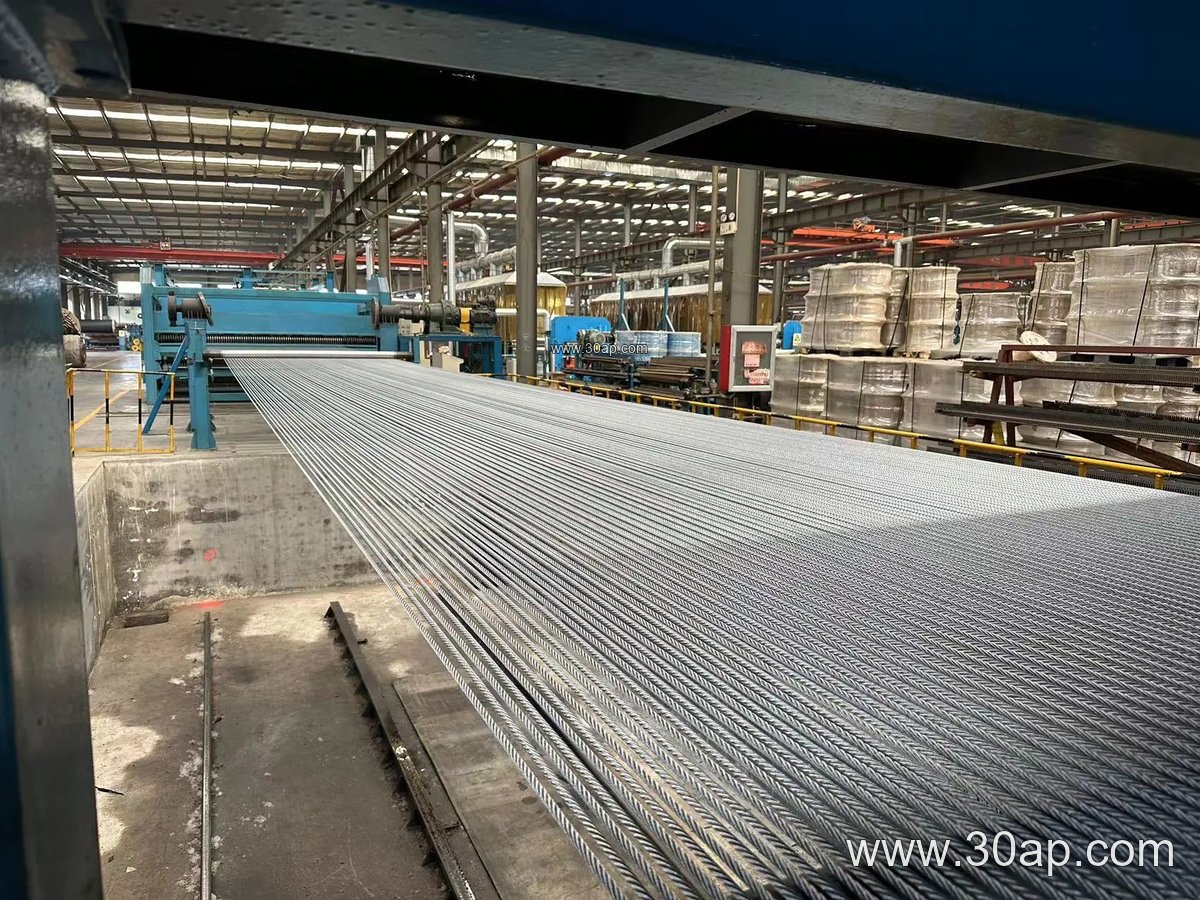
The belt is a composite: a fabric or steel cord carcass carries the tension, and rubber covers protect it from abrasion, impact, heat or oil. For a 1400mm belt, multi-ply fabric cores and steel cord cores are both common. Cover thickness and ply count are set by the conveyor design, not by the width alone.
| Item | Typical range for a 1400mm belt |
|---|---|
| Belt width | 1400 mm (B1400) |
| Carcass type | EP fabric, NN fabric, steel cord |
| Fabric strength grades | EP200, EP315, EP400, EP500, EP630, EP800, EP1000, EP1250 |
| Steel cord grades | ST1000, ST1250, ST1600, ST2000, ST2500 |
| Number of plies | Usually 2 to 6 for fabric cores |
| Top and bottom cover | Common combinations include 4+2, 5+2, 6+2 and 8+3 mm |
| Surface forms | Smooth, chevron, skirted, corrugated sidewall |
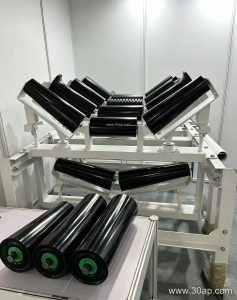
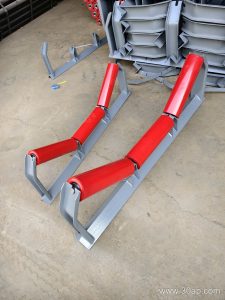
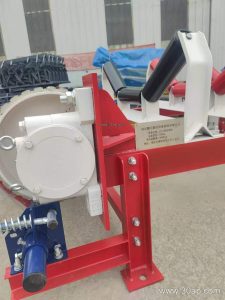
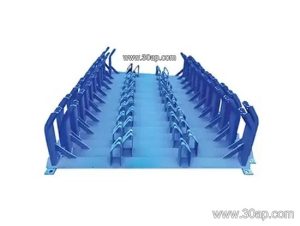
Width and carcass grade are chosen together with the conveyor pulley and idler roller layout. A 1400mm belt can run on different conveyor pulley diameters depending on tension and wrap angle, so no single shaft size follows from the width. The belt also needs a matching conveyor bracket and frame, and the troughing idler roller set should suit the 1400 mm width and the material load.
Where It Is Used
Heavy-duty mining conveyor belt duties dominate: underground mining conveyor belt lines, coal mining conveyor belt drifts, iron ore and copper ore transfer, and quarry conveyor belt runs feeding a crusher conveyor belt. In cement plants, the 1400mm belt moves limestone, clinker and additives. Power plants use it for coal and ash, while ports rely on it for ship loading and stockyard transfer.
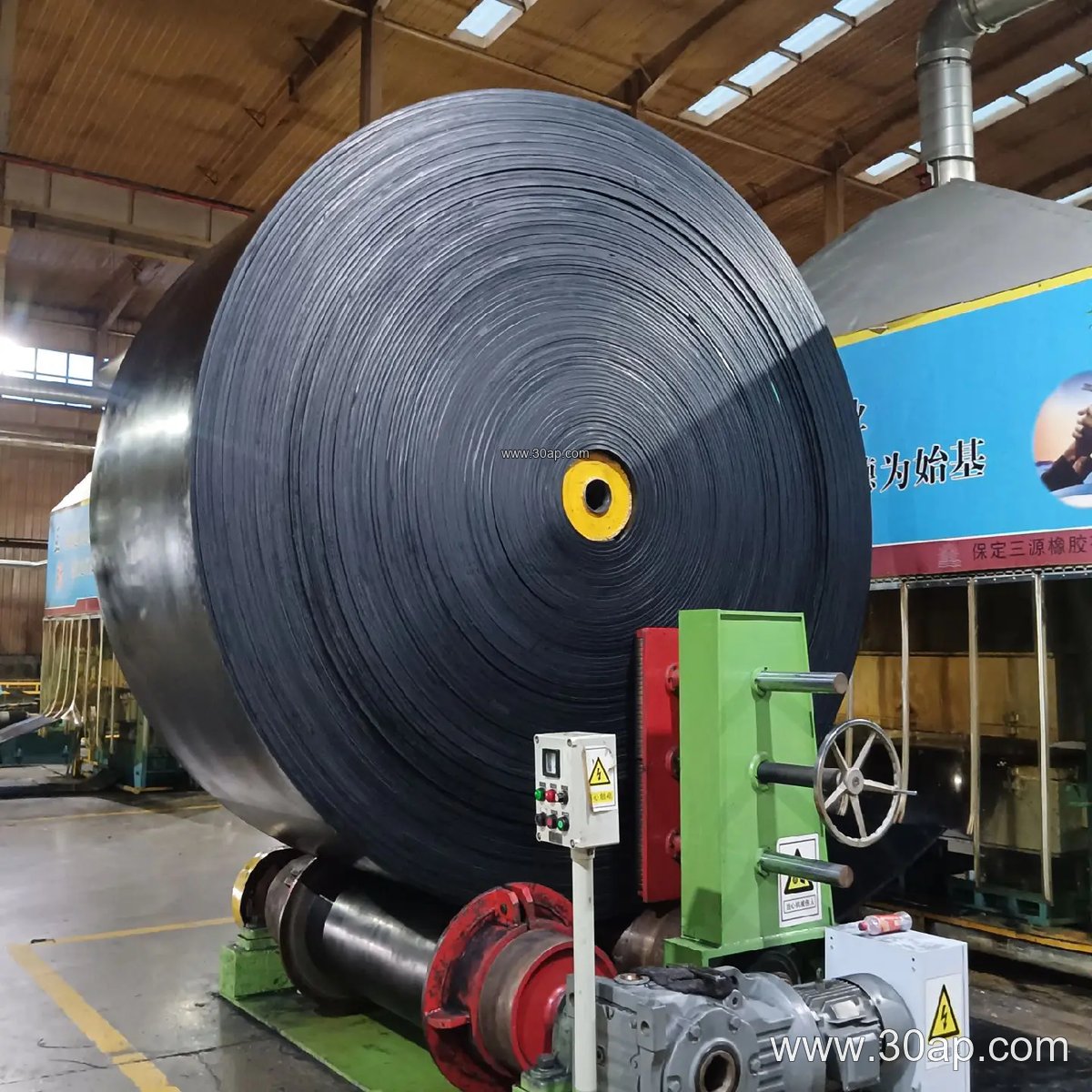
Because the material is often sharp and heavy, an abrasion resistant conveyor belt cover is frequently specified, and an impact resistant conveyor belt is used at loading points. In coal and underground work, a flame retardant conveyor belt or fire resistant conveyor belt grade is normal, and PVG conveyor belt or PVC conveyor belt carcasses appear in some underground coal mining conveyor belt systems. Cold resistant, oil resistant, heat resistant and anti-static versions are available where the duty calls for them.
Selecting the Right Belt
- Confirm the actual belt width and the conveyor’s rated capacity; B1400 is not automatically right for every line.
- Match the carcass grade to the calculated belt tension, using EP conveyor belt or steel cord conveyor belt data from the supplier.
- Choose cover thickness and rubber compound for the material: abrasive rock, hot clinker, oily scrap or coal.
- Check pulley diameters, idler roller spacing and conveyor bracket dimensions with the belt supplier before ordering.
- For steep inclines, a chevron conveyor belt or corrugated sidewall conveyor belt may be needed instead of a smooth belt.
Installation and Maintenance Notes
Track alignment matters more on a wide belt. Check that the tail and bend pulleys are square to the frame, keep the idler roller set turning freely, and inspect the conveyor pulley lagging for wear. Store spare belts flat and dry. When splicing, follow the supplier’s step length and cure data for the specific carcass; an endless conveyor belt joint made on site should be checked for squareness before tensioning.
Inspect covers at loading points for cuts and exposed fabric, and re-tension only to the figure given for the take-up design. For a 1400mm Conveyor Belt, small tracking errors grow into edge damage quickly, so routine checks of the conveyor bracket, idler roller and pulley alignment pay off.