What a Bulk Material Conveyor Belt Is
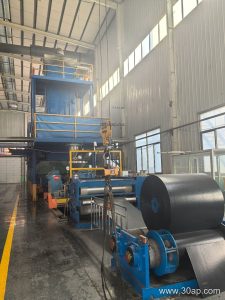
A bulk material conveyor belt is the load-carrying element of a continuous handling system built to move loose cargo such as ore, coal, crushed stone, cement clinker, sand, gravel, and fertilizer. Unlike a package-handling belt, it works under a steady stream of abrasive and often heavy material, so the carcass, cover compounds, and edge construction all need to suit the duty. In practice, the same product appears under the name heavy-duty conveyor belt or mining conveyor belt, depending on the industry it serves.
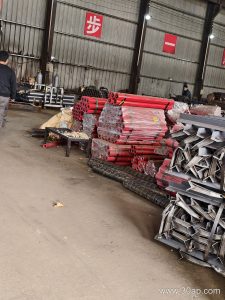
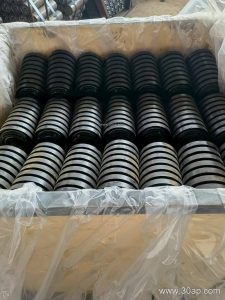
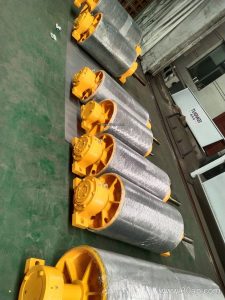
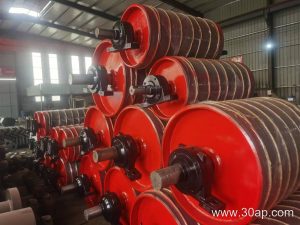
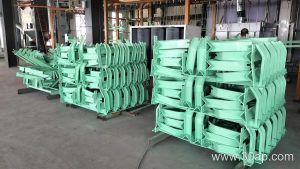
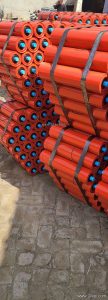
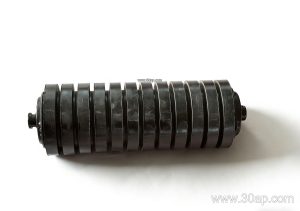
The belt is only one part of the line. It runs over a conveyor pulley at the head and tail, is supported by idler rollers along the carrying side, and is held in alignment by frames and conveyor brackets. Getting the belt specification right is therefore a system decision, not a catalogue pick.
Construction and Common Specifications
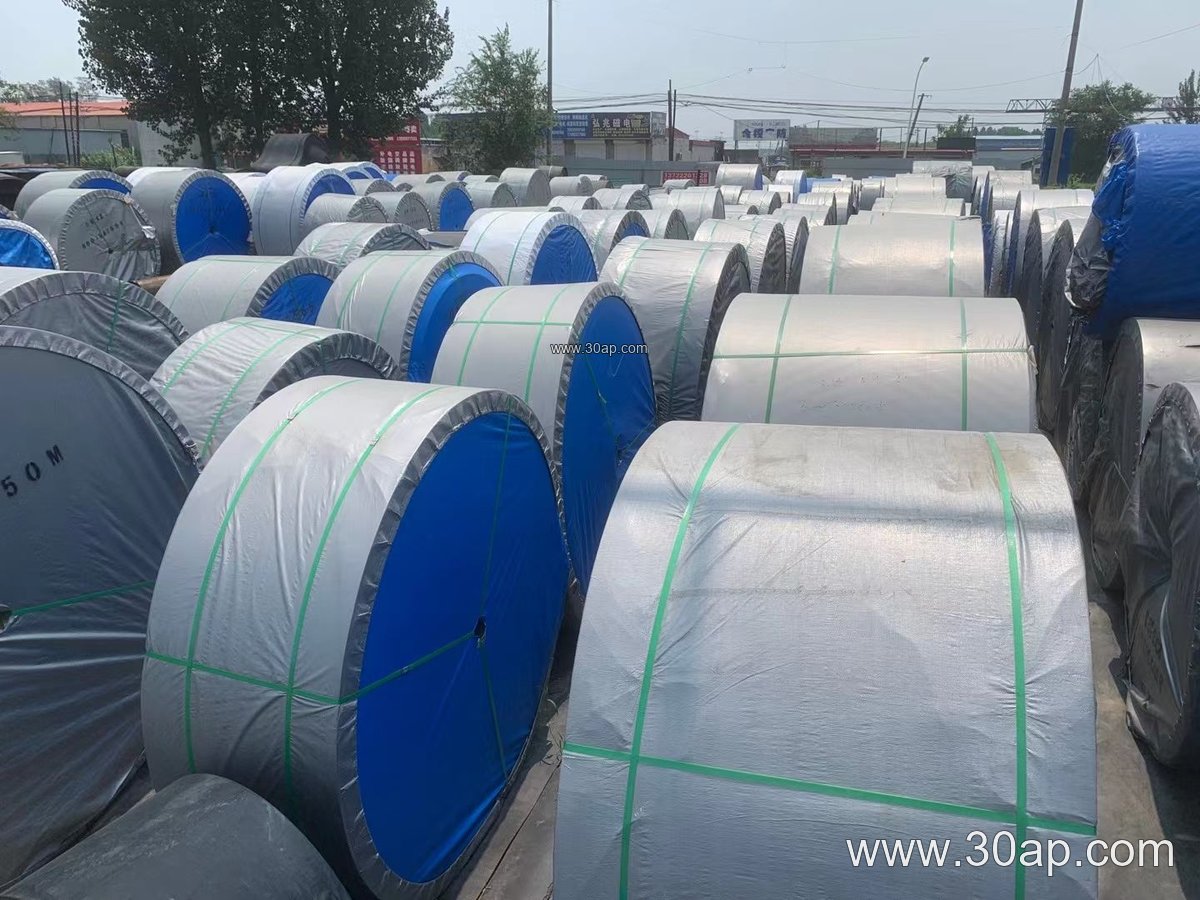
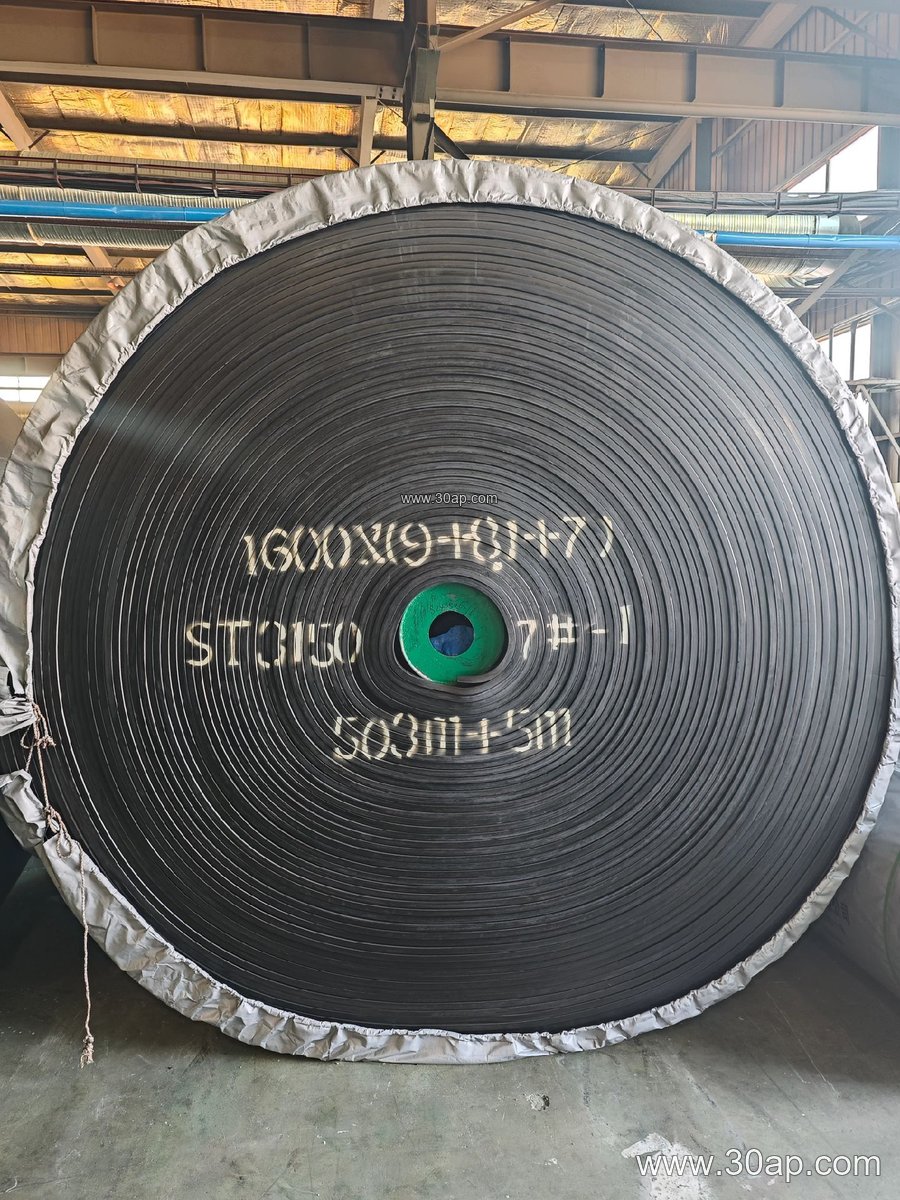
Most bulk belts combine a fabric or steel carcass with rubber covers. Fabric cores are built from EP (polyester-cotton) or NN (nylon) plies; steel cord types use brass-plated wires for very long runs and high tensions. Cover thickness and compound quality decide how well the belt resists cutting, abrasion, heat, oil, or flame, and edge rubber protects the carcass from moisture and fraying.
| Parameter | Typical range (reference only) |
|---|---|
| Fabric core types | EP200, EP400, EP630, EP800, EP1000, EP1250; NN100 to NN400 |
| Steel cord grades | ST1000, ST1600, ST2000, ST2500 |
| Belt width | B500, B650, B800, B1000, B1200, B1400, B1600, B1800, B2000 |
| Cover thickness | 3+1.5, 4+2, 5+2, 6+2, 8+3 mm |
| Carcass plies | Usually 2 to 6 layers in fabric designs |
These figures are common references; final values are set by the conveyor design, the material, and the manufacturer. A wide belt is not automatically matched to one pulley diameter, and shaft size follows the drive calculation rather than belt width alone.
Where It Works
Mining, coal preparation, cement plants, power stations, steel works, quarries, sand and aggregate yards, ports, and recycling facilities all rely on this equipment. A coal mining conveyor belt usually needs flame retardant and anti-static properties, while a quarry conveyor belt or crusher conveyor belt is chosen mainly for abrasion resistance and impact strength. Cement and clinker lines often call for heat resistant grades, and fertilizer or chemical plants may specify oil resistant or acid resistant covers. Cold climates justify cold resistant compounds, and long overland routes favour high strength steel cord belts.
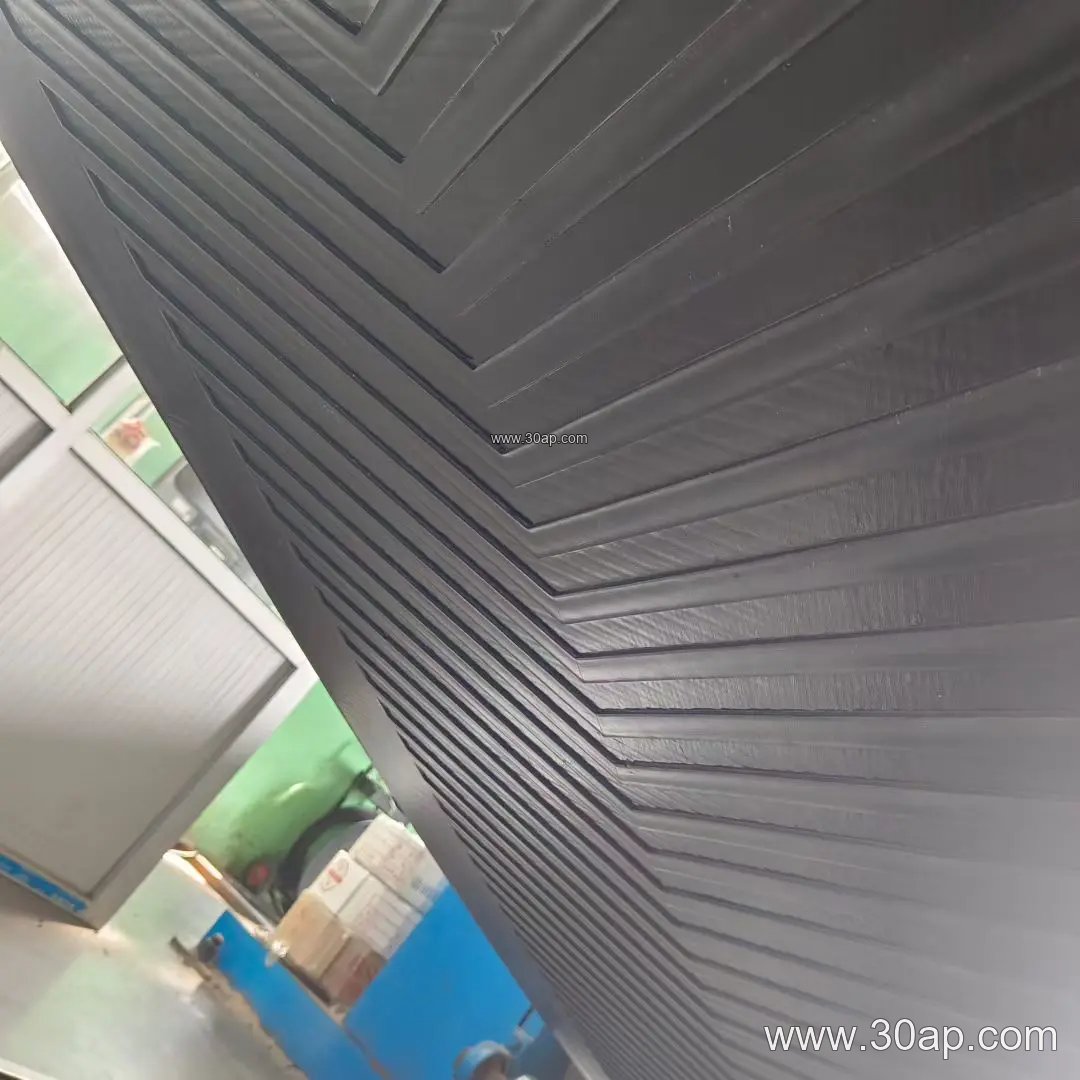
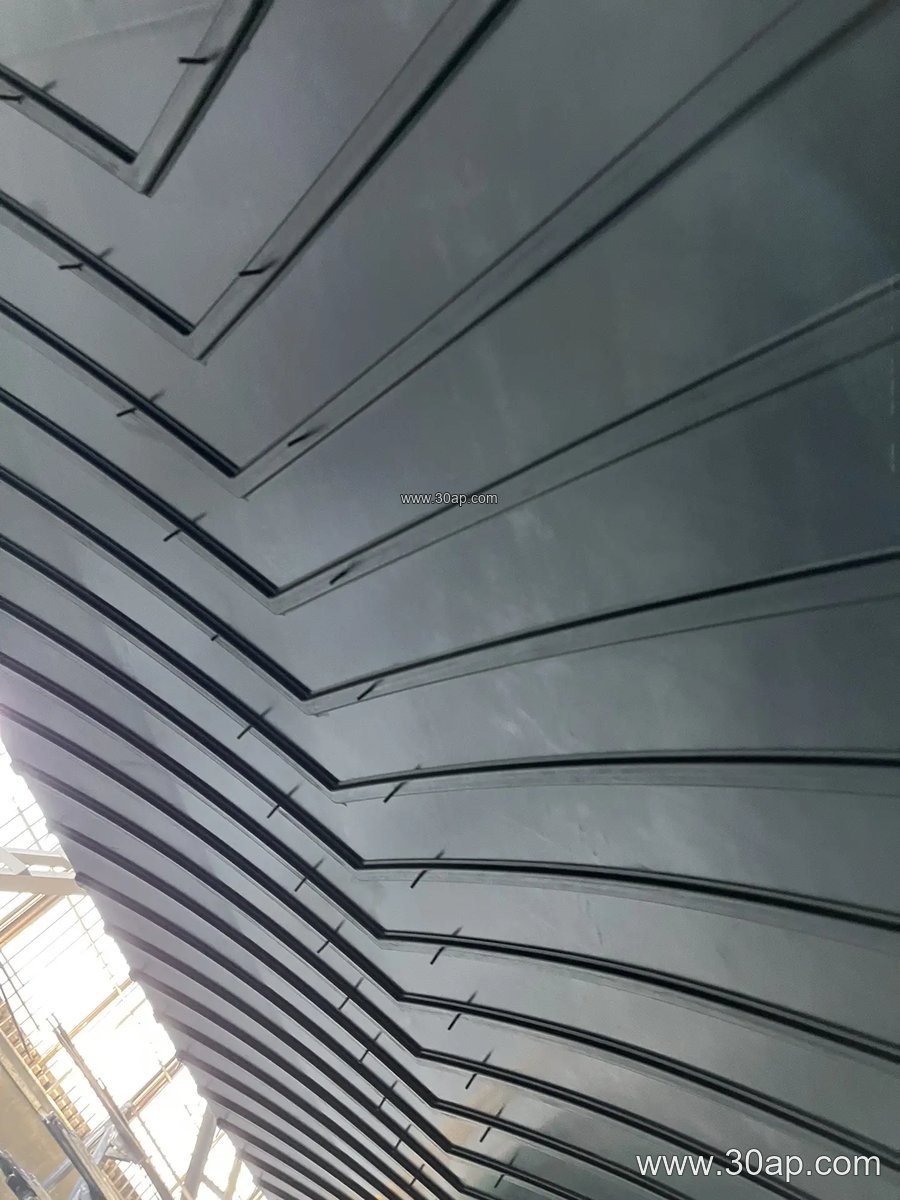
Special shapes solve specific layout problems: chevron conveyor belts hold material on inclines, corrugated sidewall and skirted belts contain the load on steep or confined routes, and pipe conveyor belts enclose the material for dust control and curve negotiation. Endless belts are joined at the factory for cleaner running on shorter machines.
Buyer Checklist
- Confirm the material: lump size, bulk density, moisture, temperature, and oil or chemical exposure.
- Check the duty: tonnage per hour, incline, center distance, and starting conditions.
- Match the carcass grade to the calculated tension, then select cover thickness for wear life.
- Review pulley and idler roller compatibility, transition distances, and take-up travel.
- Ask for the splice method and whether the belt is supplied endless or open-ended.
- Plan inspection: cover wear, edge damage, and splice condition are the usual failure points.
Care and Longer Service Life
Most premature failures start at the load point or the splice. Impact beds and skirt rubber reduce cutting, and correctly aligned idler rollers prevent edge wear. Keep the conveyor pulley lagging in good condition for grip, and check that brackets and frames stay square so the belt does not train to one side. Store spare belts flat, away from sunlight and ozone sources, and rotate stock. For abrasive duty, an abrasion resistant conveyor belt with a thicker top cover often costs less per ton conveyed than a cheaper belt replaced more often.
For more on belt, pulley and roller matching, see chinabeltproduct.com bulk material conveyor belt guidance before finalizing a specification.