What a Return Idler Bracket Does
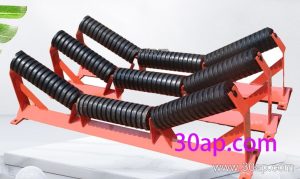
A return idler bracket is the support component that holds the idler rollers under the carrying side of a conveyor belt. While the upper troughing idlers carry the loaded belt, the return side needs its own support so the belt does not sag between pulleys. The return idler bracket is the frame or mounting piece that positions those lower rollers at the correct height and spacing. In many plants it is simply called a return bracket or lower idler support, but it does the same job: it keeps the belt tracking smoothly on its way back to the tail pulley.
Without proper lower support, a conveyor belt can droop, rub against the structure, and wear faster. A well-fitted return idler bracket helps the belt run true, reduces vibration, and makes roller replacement quicker during maintenance shifts.
Construction and Common Forms
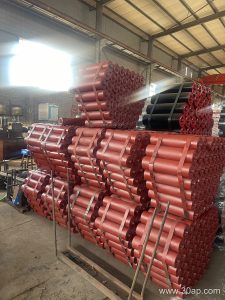
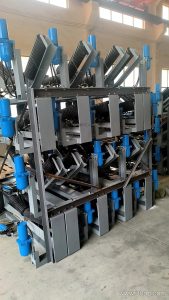
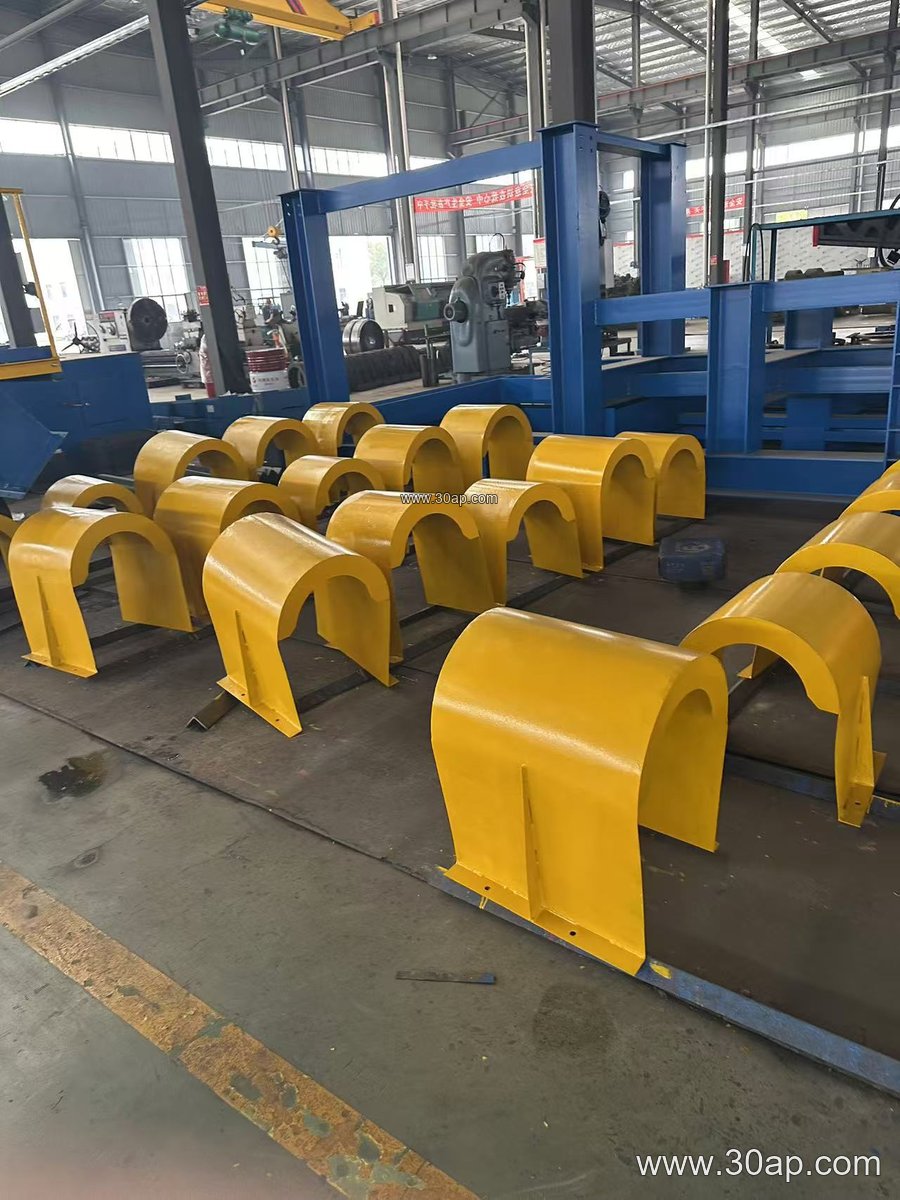
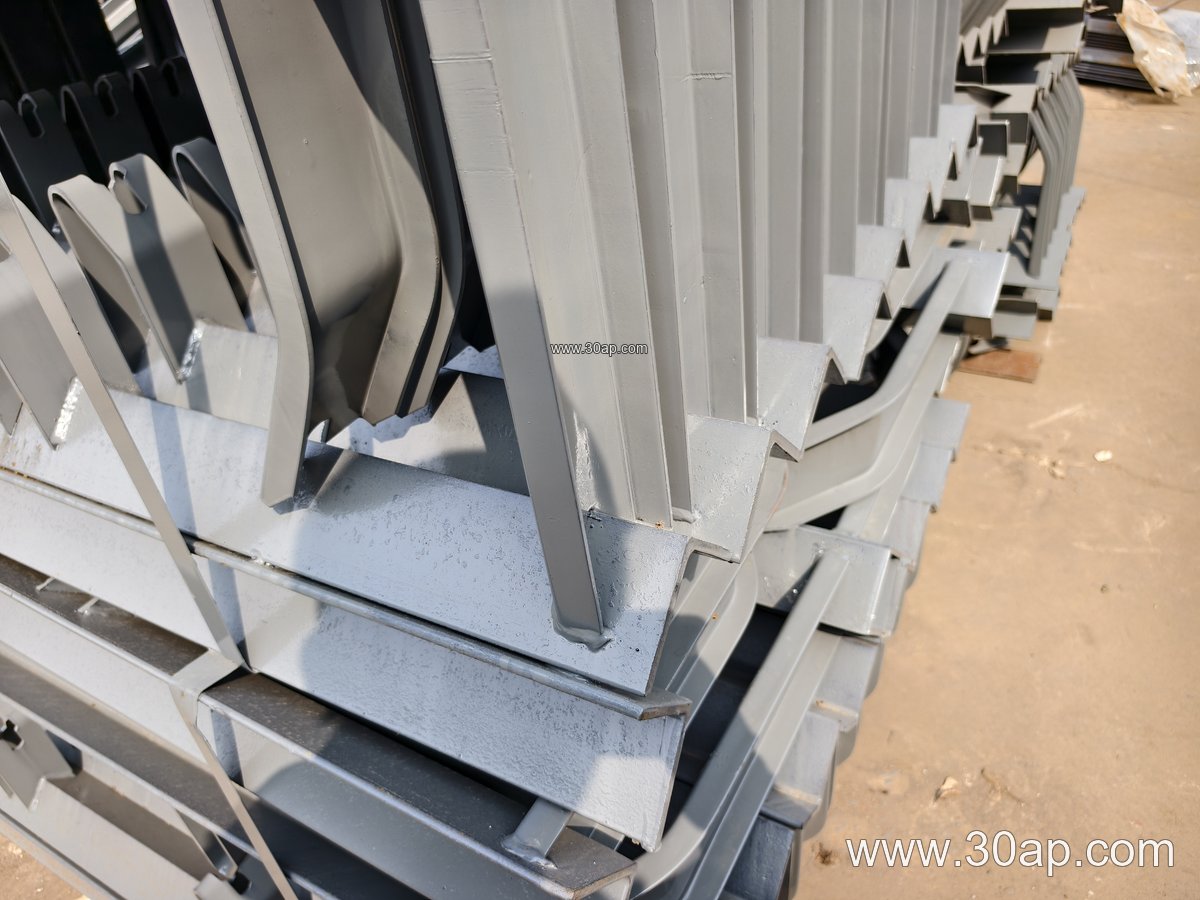
Most return brackets are fabricated from angle steel, channel steel, or folded steel plate. The material choice depends on the load and the environment. In a quarry or a crushing and screening line, a heavier folded plate bracket may be preferred because of dust and impact. In a cement plant or a power plant coal handling system, galvanized or painted steel is common to resist corrosion.
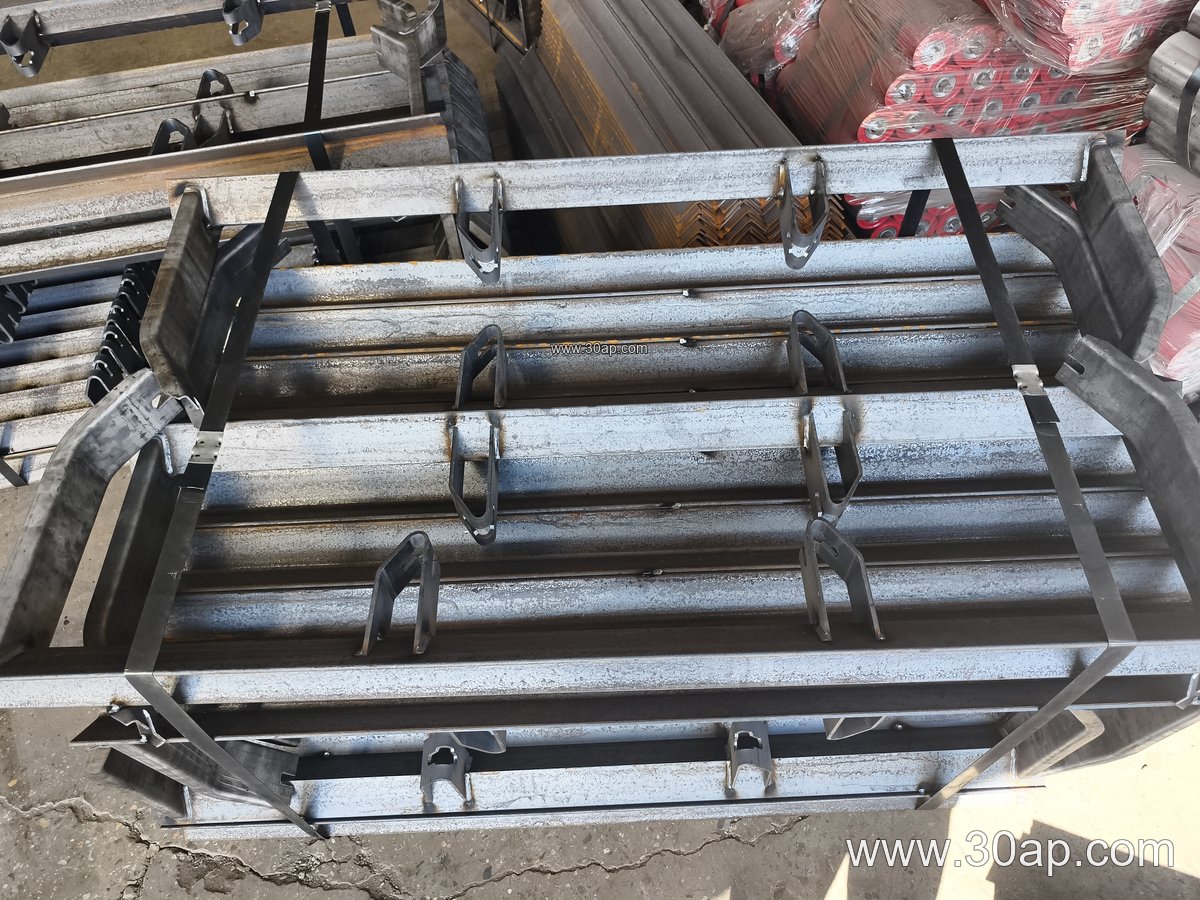
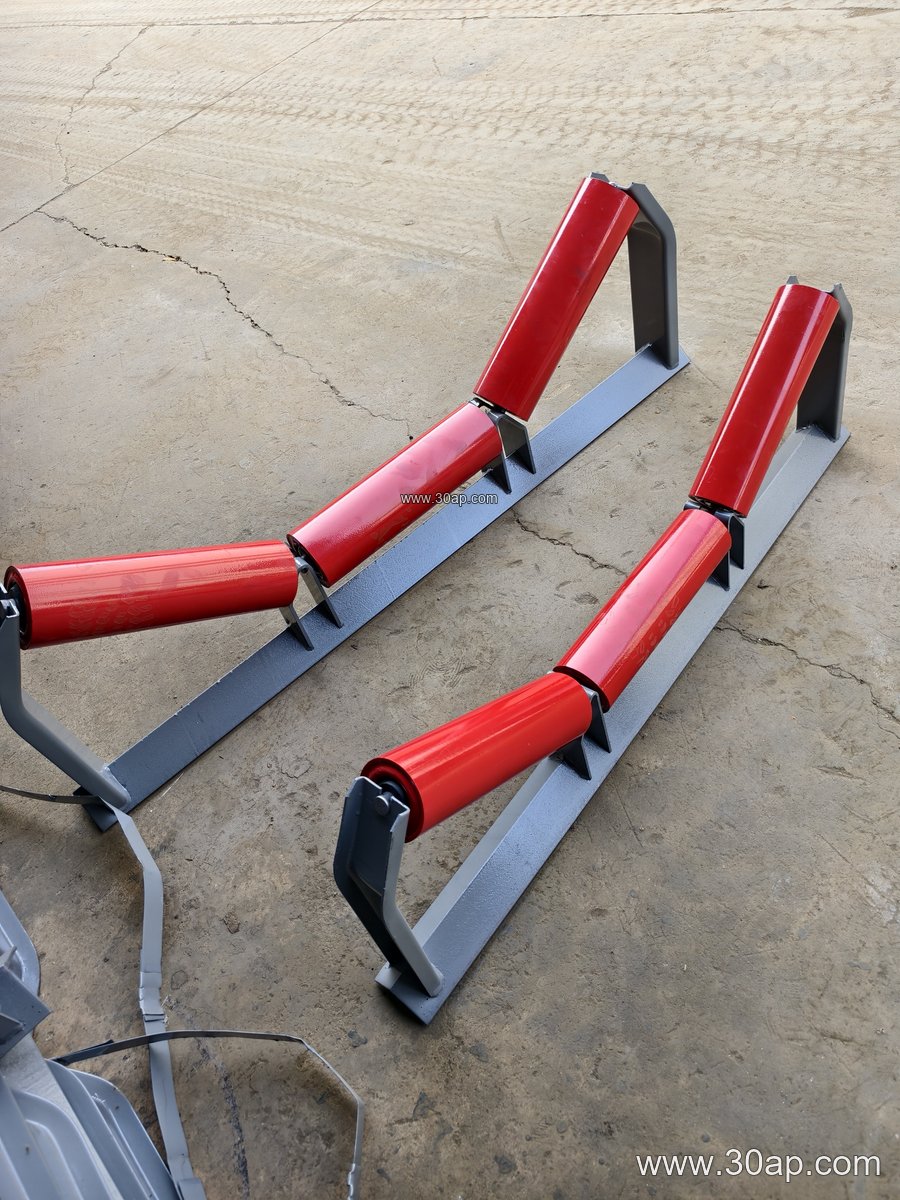
The bracket usually includes mounting slots or holes that attach to the conveyor stringer. Its shape varies with the roller arrangement. A flat return bracket supports a single horizontal roller. A V-shaped return bracket holds two rollers set at an angle, which helps center the belt and shed material. Adjustable brackets allow small changes in roller position or angle during alignment.
Typical reference data
The table below shows common bracket-related values. These are reference examples, not fixed rules, and actual dimensions are determined by conveyor design.
| Item | Common reference values |
|---|---|
| Belt width (B) | B500, B650, B800, B1000, B1200, B1400, B1600, B1800, B2000 |
| Roller diameter | Ø89, Ø108, Ø133, Ø159, Ø194 |
| Bracket material | Angle steel, channel steel, folded steel plate |
| Mounting hole spacing | Varies with belt width and bracket type |
| Crossbeam length | Determined by belt width and frame design |
For example, a B800 conveyor might use a return bracket with Ø108 rollers, while a B1200 system may use Ø133 rollers. The bracket hole spacing and crossbeam length change with the belt width, so these should always be confirmed against the conveyor drawing.
Where the Bracket Fits in a Conveyor
The return idler bracket sits below the belt, between the head and tail pulleys, and is bolted to the conveyor frame. It works together with the conveyor pulley, the idler roller, and the conveyor belt. In a coal mining conveyor or an underground mining conveyor, the bracket must be robust enough to handle continuous load and occasional spillage. In a port or ship loading conveyor, the bracket may be exposed to salt air, so surface treatment matters.
Different industries place different demands on the return side. A limestone mine may deal with abrasive dust, while a fertilizer or grain silo application may require cleaner running and easier washdown. The return idler bracket itself is a simple part, but choosing the right form for the site avoids repeated belt misalignment.
Selection and Maintenance Notes for Buyers
When specifying a return idler bracket, buyers should confirm the belt width, the roller diameter, the mounting pattern, and the frame type. It also helps to know whether the conveyor uses a flat return or a V-return arrangement, because the bracket geometry differs. For a troughed carrying side, the upper troughing bracket and the lower return bracket are separate components and should not be confused.
Maintenance teams should check the bracket for loose bolts, bent wings, and corrosion during regular inspections. A worn bracket can let the roller drop or shift, which may damage the belt edge. Replacing a bracket is usually straightforward when the mounting holes match the original frame.
For related conveyor components, many plants also review the conveyor belt specification, such as EP conveyor belt or steel cord conveyor belt grades, together with roller and pulley data. Keeping bracket dimensions aligned with the belt width and roller size helps the whole conveyor line run with fewer stoppages.
- Confirm belt width and roller diameter before ordering.
- Check whether the frame needs a flat or V-shaped return support.
- Match mounting hole spacing to the existing stringer.
- Inspect brackets during every roller change.