What Is an EP200 Conveyor Belt
An EP200 Conveyor Belt is a fabric-core rubber belt built with polyester (E) and nylon (P) warp and weft yarns. The “200” refers to its nominal tensile strength of 200 N/mm per ply, a common rating for medium-duty conveying. This EP Conveyor Belt sits between lighter EP100 grades and heavier EP315 or EP400 constructions, making it a practical choice for many primary and secondary haulage lines. Unlike a Steel Cord Conveyor Belt, which relies on steel cables for very high tension, the EP200 uses multiple plies of EP fabric to balance strength, flexibility, and spliceability. It is also distinct from an NN Conveyor Belt, which uses all-nylon fabric and behaves differently under moisture and elongation.
Construction and Build
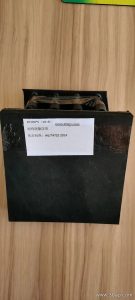
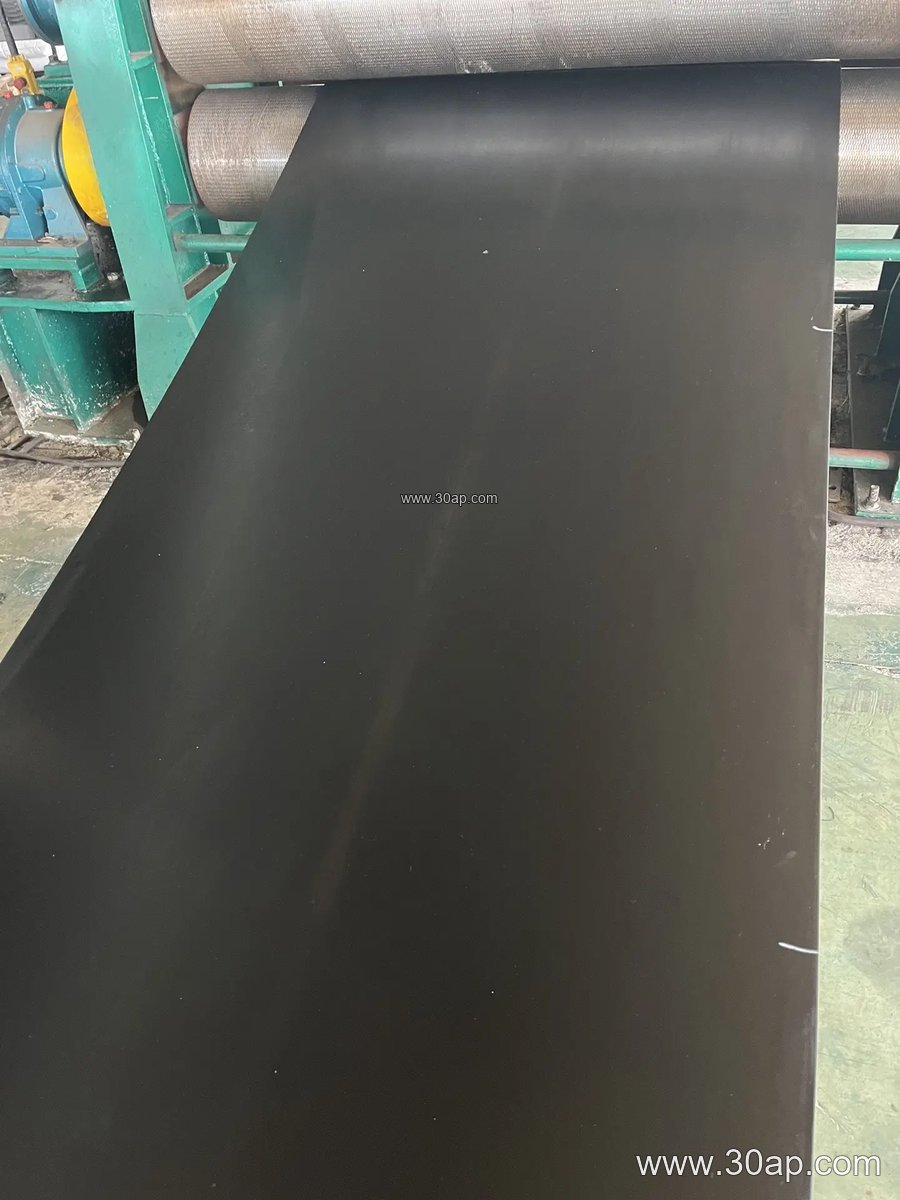
The belt typically consists of two to six EP fabric plies, a top cover, and a bottom cover. Cover thickness is often specified as 3+1.5 mm, 4+2 mm, 5+2 mm, or 6+2 mm, depending on abrasion and impact demands. Rubber compounds can be tailored for specific duties: an Abrasion Resistant Conveyor Belt cover for sharp aggregate, a Heat Resistant Conveyor Belt compound for hot clinker or sinter, or a Flame Retardant Conveyor Belt version for coal handling. The fabric plies are bonded with skim rubber and protected by edge gum. The result is an EP Fabric Core Conveyor Belt that resists delamination and maintains troughability on idler roller sets.
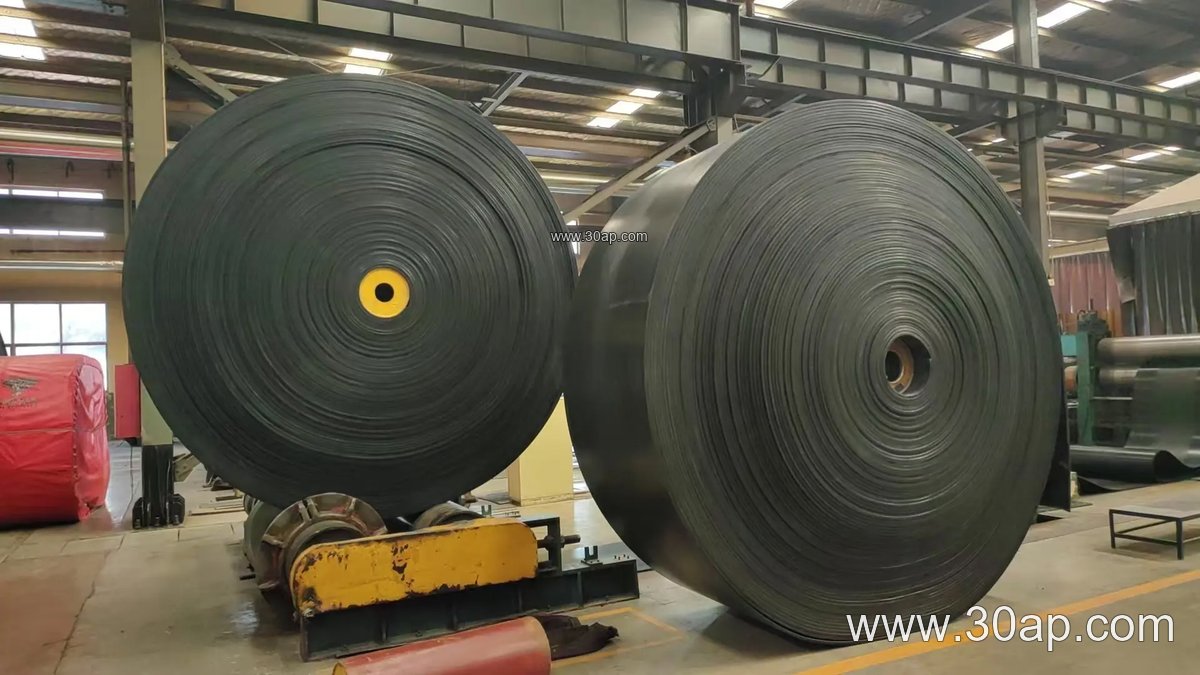
Common constructions are summarized below. Values are typical reference data, not a supply promise; actual builds vary by manufacturer and application.
- Strength grades: EP200, EP315, EP400, EP500, EP630, EP800, EP1000
- Typical widths: B500, B650, B800, B1000, B1200, B1400, B1600
- Cover combinations: 3+1.5 mm, 4+2 mm, 5+2 mm, 6+2 mm
- Ply counts: 2 to 6 plies, selected by tension and load
Where It Fits in the Plant
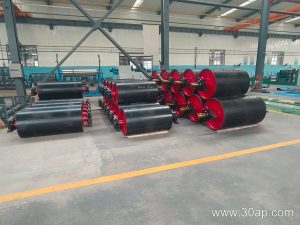
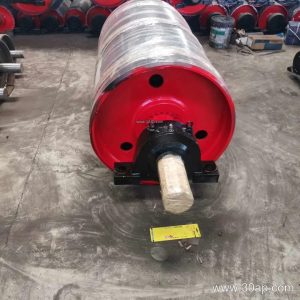
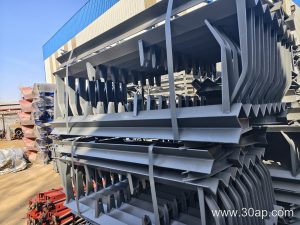
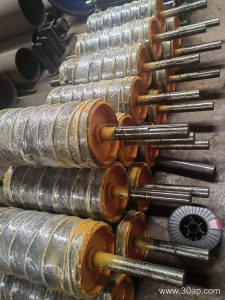
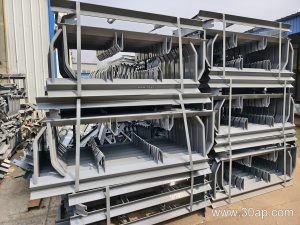
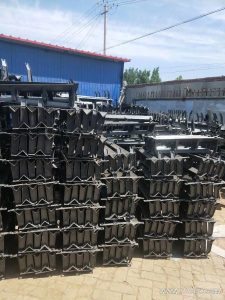
This belt is widely used in mines, coal preparation plants, cement works, power stations, quarries, sand and gravel yards, and port bulk terminals. In a typical conveyor, the belt runs over a drive pulley at the head, a tail pulley at the load point, and bend pulleys along the return side. These pulleys are not interchangeable by name; each has a specific role in tension and trajectory. Idler rollers support the carrying and return strands, while conveyor brackets hold the idlers and pulleys in alignment. A properly matched EP200 belt, idler roller set, and conveyor pulley arrangement keeps material moving without excessive spillage.
Applications include crushed stone, ore, clinker, fertilizer, and general bulk material. For underground coal work, a Flame Retardant Conveyor Belt or Fire Resistant Conveyor Belt grade may be required by site rules. In cold climates, a Cold Resistant Conveyor Belt compound helps prevent cracking. Where oil or chemicals are present, an Oil Resistant Conveyor Belt or Acid Resistant Conveyor Belt cover may be more suitable than a standard EP200 build.
Selection and Use Notes
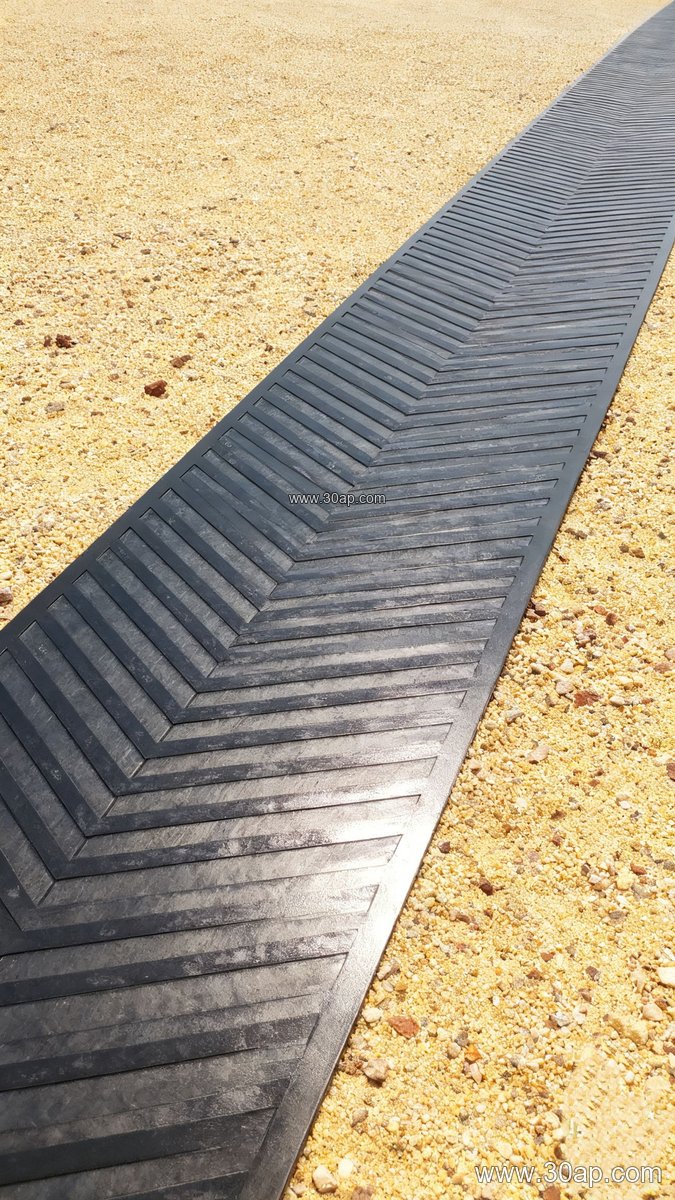
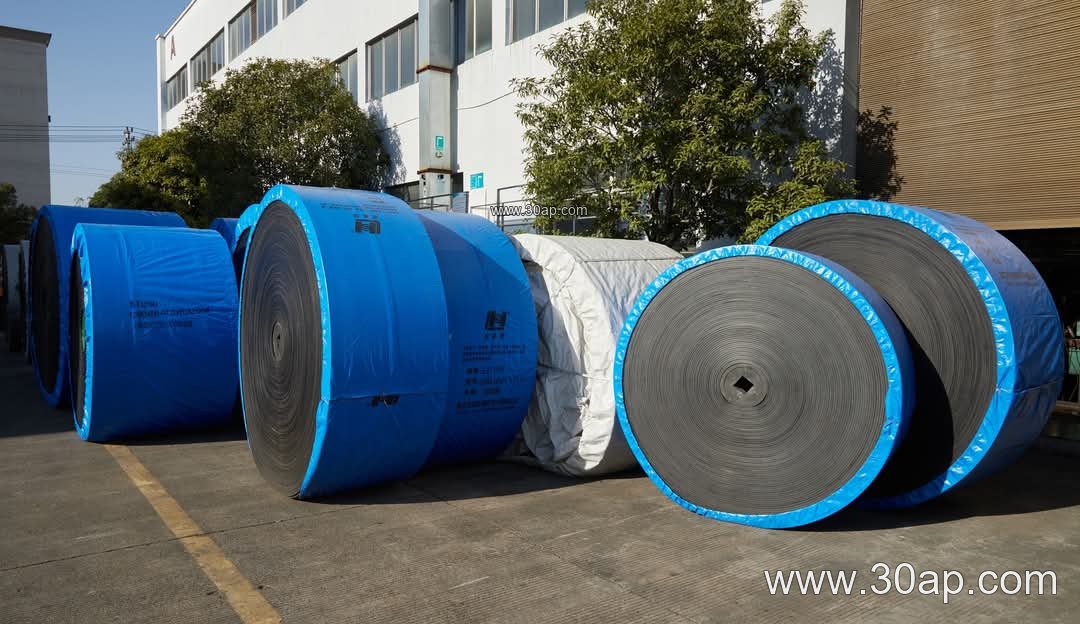
Buyers should confirm the required tensile grade, belt width, cover thickness, and ply count against the conveyor design. The EP200 rating should not be assumed adequate for every duty; a longer lift, higher tonnage, or steep incline may call for EP315 or EP400, or even a Steel Cord Conveyor Belt for extreme tensions. For steep inclines, a Chevron Conveyor Belt or Corrugated Sidewall Conveyor Belt may be considered, but these are different belt types and should not replace the EP200 where a flat, fabric-core belt is specified.
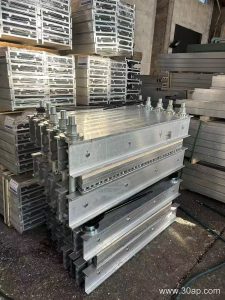
Check pulley diameters, take-up travel, and splice method during planning. Do not assume that a given belt width fixes a single pulley diameter or shaft size; those are determined by the conveyor designer. Proper tracking depends on aligned pulleys, square idler roller frames, and correct tension. Regular inspection of cover wear, edge damage, and splice condition extends service life. When ordering, specify the EP200 Conveyor Belt grade, width, cover thickness, and any special compound such as abrasion-resistant or flame-retardant, and confirm tolerances with the supplier.