What an Aggregate Conveyor Pulley Does on a Production Line
An aggregate conveyor pulley is the rotating drum that drives, tensions, or redirects the conveyor belt carrying crushed stone, sand, and gravel. In a sand and gravel plant, the pulley is the point where motor torque becomes belt motion, so its shell, shaft, lagging, and bearing arrangement must suit a dusty, abrasive, and often wet environment. The same product is also described as a conveyor drum or belt pulley, and those terms refer to the same component rather than to separate equipment.
Because an aggregate line may run from a primary crusher through screening decks to stockpile conveyors, pulley duties vary widely along the route. A drive pulley at the head end sees high torque and steady tension, while a bend pulley in a transfer section mainly changes belt direction. Understanding which position a pulley serves is the first step in choosing the right unit.
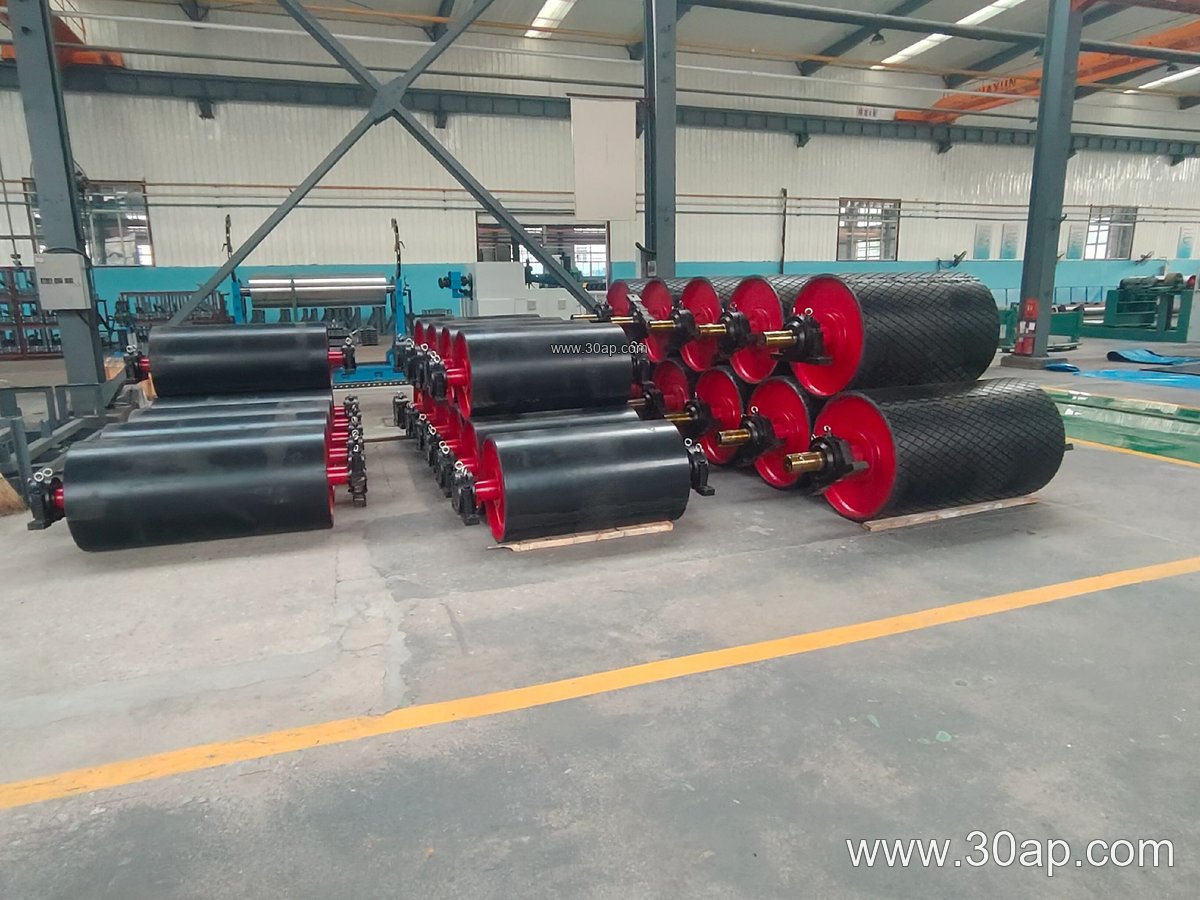
Construction Details That Matter in a Quarry or Crushing Plant
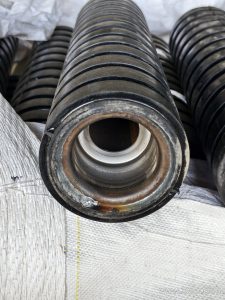
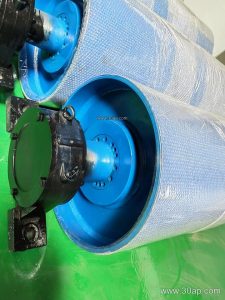
A typical drum is built from a rolled steel shell welded to end discs, with a through shaft keyed or shrink-fitted to the hubs. Larger units often use a turbine-style hub or a bolted hub connection so the shell can be replaced without cutting the shaft. Bearings sit in pillow blocks mounted on a conveyor bracket or frame, and the bearing type should match the load and the amount of dust and water present.
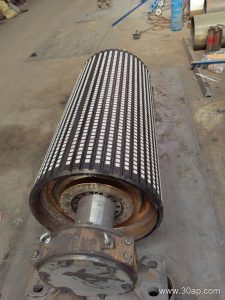
Surface treatment is where many aggregate applications differ. A bare steel shell can slip when the belt is wet or when fines coat the surface, so lagging is common. Rubber lagging improves grip and cushions the shell, while ceramic lagging is chosen where abrasive grit would quickly wear plain rubber. Grooving patterns such as diamond or herringbone help shed water and fines. Lagging thickness is usually stated in the 8 to 20 mm range, with 10 or 12 mm often used on moderate-duty drums and thicker coverings reserved for high-torque drives.
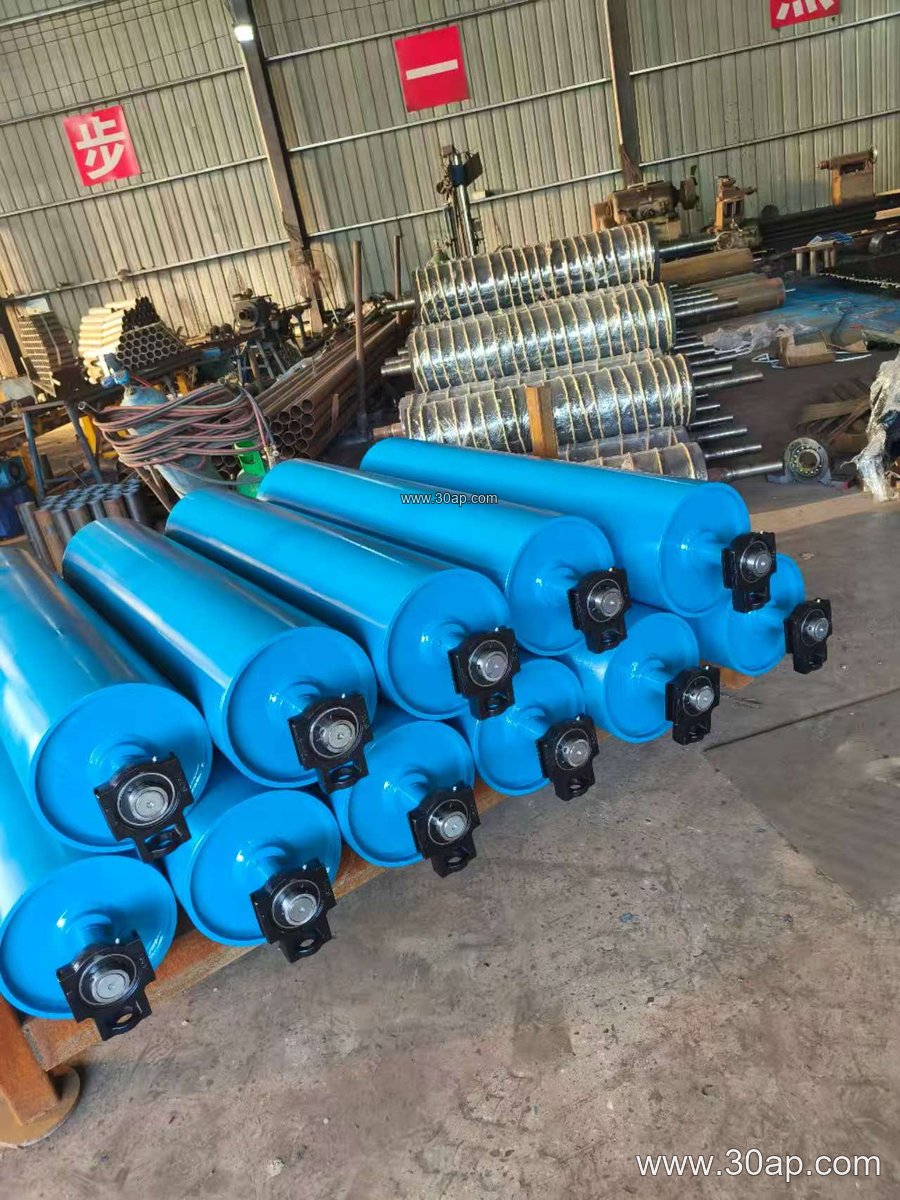
- Shell and end disc: welded steel, sometimes with a replaceable hub design
- Shaft: sized by torque and load, not by belt width alone
- Lagging: plain, rubber, diamond, herringbone, or ceramic
- Bearings: pillow block or flanged housings suited to dusty service
Matching Pulley Position to the Duty
Drive and head pulleys transmit power and usually carry the highest tension, so they tend to be the largest and most heavily lagged drums on the line. A tail pulley at the feed end often runs in the material stream and may need a wing-type or self-cleaning design to prevent buildup. Bend and take-up pulleys handle lower loads but must still be aligned correctly to keep the belt tracking.
These roles are not interchangeable. A drive pulley cannot simply be swapped for a bend pulley of the same diameter, because the shaft, hub, and lagging are selected for different torque and wrap conditions. When planning a conveyor upgrade, identify each position and specify it separately.
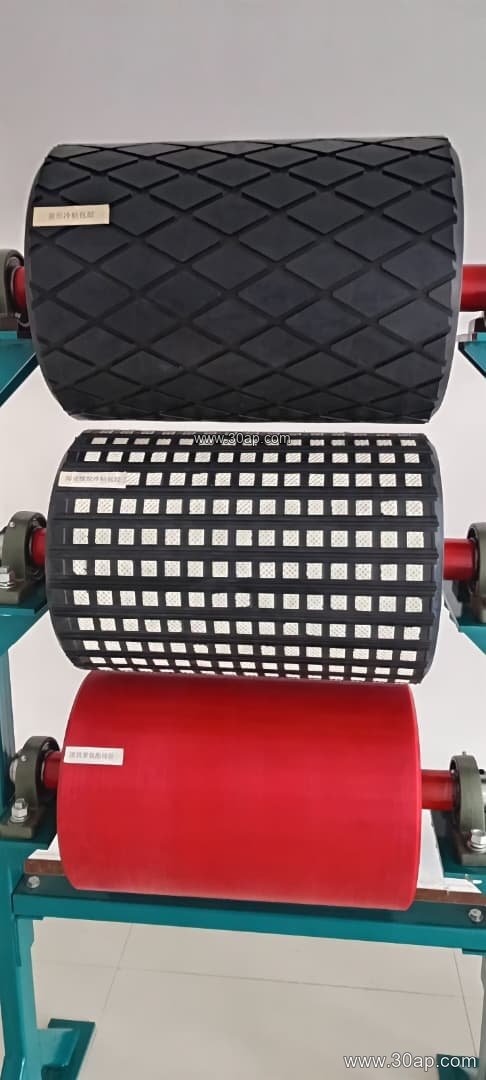
Common Sizes and How They Are Expressed
Pulleys are usually ordered by belt width, drum diameter, face width, shaft diameter, and lagging type. Face width is normally a little wider than the belt, for example about 950 mm of face for a B800 belt or about 1400 mm for a B1200 belt. Diameter is chosen from belt tension, wrap angle, and the space available, so a B1200 conveyor might use a Ø1000 drive pulley while a shorter B800 line uses a Ø500 tail pulley. The following table shows representative combinations, not fixed rules.
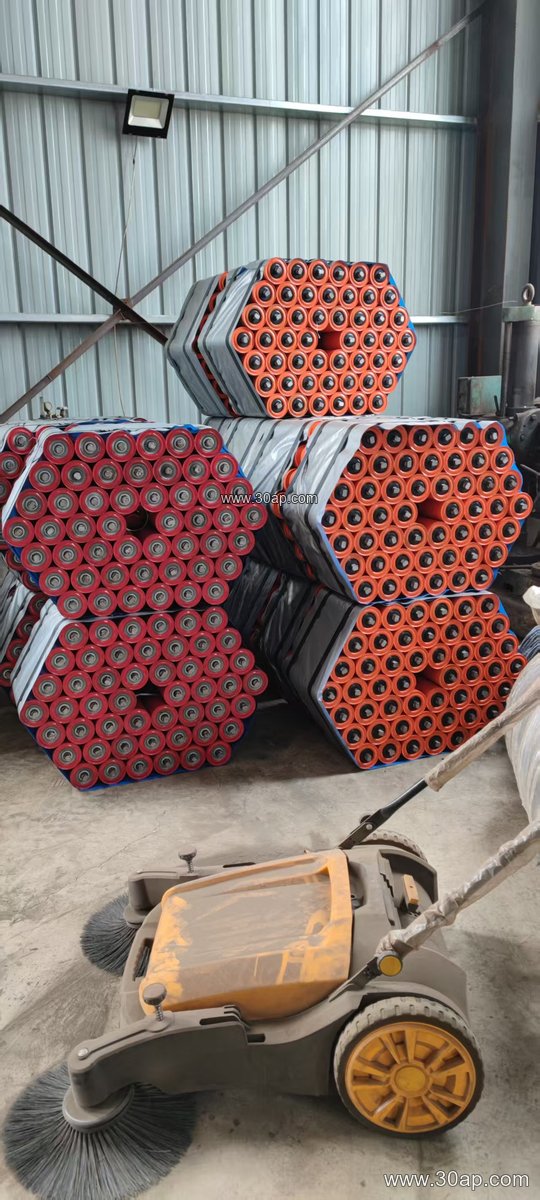
| Belt width | Typical face width | Example drum diameter | Typical shaft range |
|---|---|---|---|
| B500 | about 600 mm | Ø320 to Ø500 | Ø60 to Ø100 |
| B650 | about 750 mm | Ø400 to Ø630 | Ø70 to Ø120 |
| B800 | about 950 mm | Ø500 to Ø800 | Ø80 to Ø140 |
| B1000 | about 1150 mm | Ø630 to Ø1000 | Ø90 to Ø160 |
| B1200 | about 1400 mm | Ø800 to Ø1250 | Ø100 to Ø180 |
| B1400 | about 1600 mm | Ø1000 to Ø1400 | Ø120 to Ø200 |
Shaft diameter is determined by the torque and bending load at each pulley, and a given belt width can work with several shaft sizes. Buyers should provide the belt speed, motor power, belt tension, and pulley position so the supplier can size the shaft rather than guessing from width alone.
Working With the Belt and Supporting Components
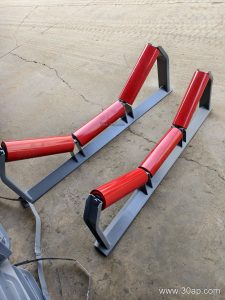
The pulley does not act alone. Belt tension, idler roller spacing, and loading conditions all affect how well the drum grips and how long the lagging lasts. A heavy abrasive aggregate stream may call for an abrasion resistant conveyor belt, while a crusher discharge with large lumps can benefit from impact-resistant construction. In dusty coal or cement plants, flame retardant or anti-static belting may be required, and the pulley lagging should be chosen to match.
Alignment between the pulley, the idlers, and the belt centerline matters as much as the drum itself. Misalignment causes edge wear, belt wander, and premature bearing failure, so installation and periodic inspection should include pulley squareness, lagging condition, and bearing temperature.
What Buyers Should Confirm Before Ordering
- Pulley function: drive, tail, bend, take-up, or snub
- Belt width and required face width
- Drum diameter and shaft diameter based on calculated load
- Lagging type and thickness for the material being carried
- Bearing style and mounting arrangement
- Environmental conditions such as dust, water, and temperature
For a sand and gravel operation, a well-specified aggregate conveyor pulley reduces slip, extends belt life, and keeps the crushing and screening circuit running. Matching the drum to its position and to the belt it carries is more useful than choosing by diameter alone.