What a Heavy-Load Pulley Actually Does
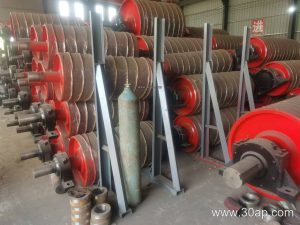
A heavy-load pulley is the drum that carries the belt at the head, tail, or bend of a conveyor handling dense, abrasive, or high-tonnage material. In a quarry or a crushed-stone line, the same drum may see constant shock loading from large rock lumps, while in a power plant coal yard it works under steady but heavy tension. The pulley is not just a rotating cylinder; it transfers drive torque, maintains belt tracking, and absorbs the pull of a fully loaded conveyor belt. Buyers often call this component a heavy-duty conveyor pulley, and the two names describe the same product.
Because the duty is severe, the shell, shaft, hubs, and bearing housings are sized for high radial and bending loads. The belt width and the required diameter are matched to the conveyor layout, not chosen from a single fixed table.
Construction Features That Matter Under Load
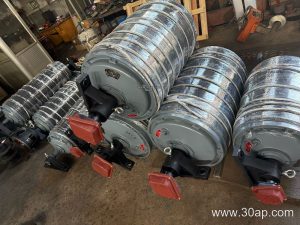
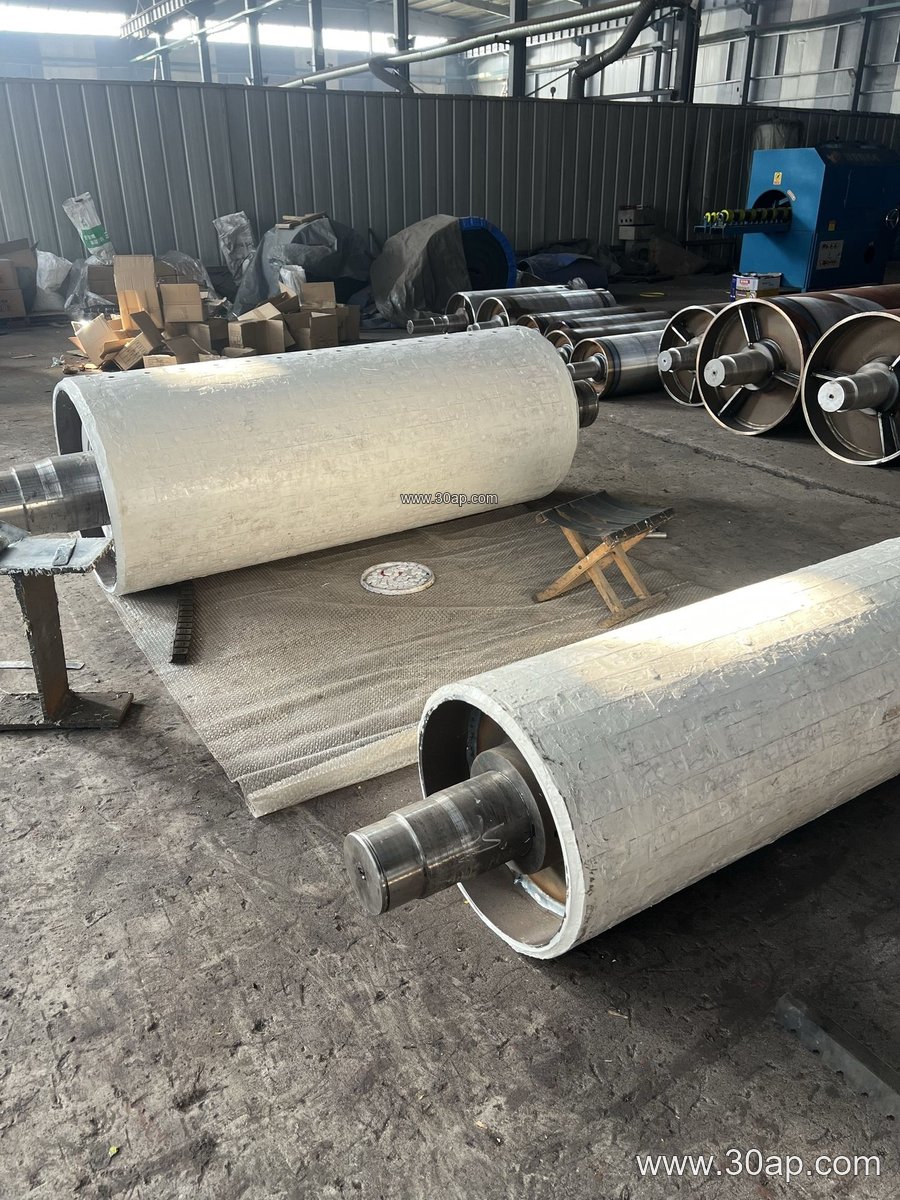
A typical heavy-load pulley uses a rolled steel shell, machined end discs, and a forged or turned shaft. The shell may be plain, or it may carry lagging for grip. Common surface forms include smooth finish, hot-vulcanized rubber, cold-bonded rubber, diamond lagging, herringbone lagging, and ceramic lagging. Lagging thickness is often 8, 10, 12, 15, or 20 mm depending on the application.
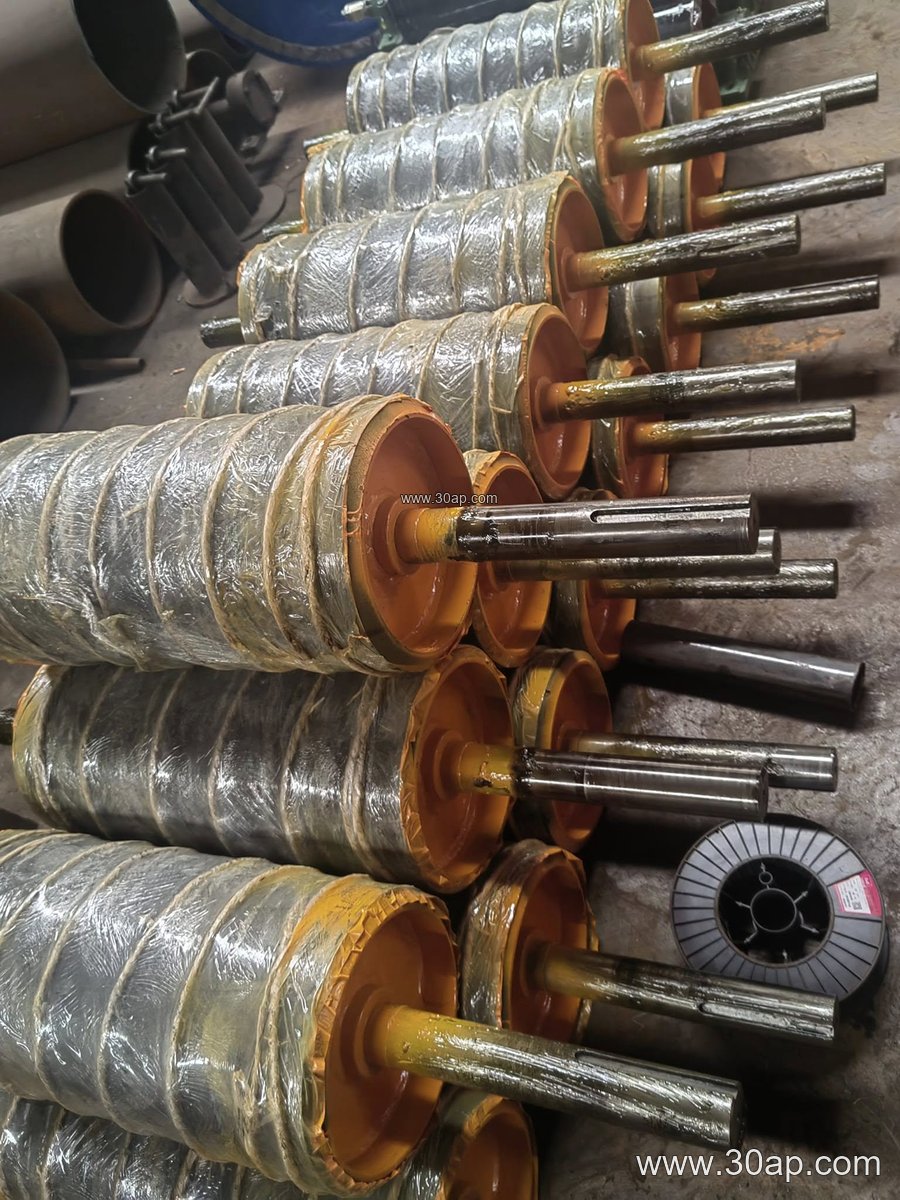
- Shell and end disc welds designed for repeated impact
- Shaft diameter chosen by torque and bearing load, commonly Ø50 to Ø200 mm
- Bearing housings with seals suited to dust and water ingress
- Balanced rotation to reduce vibration at speed
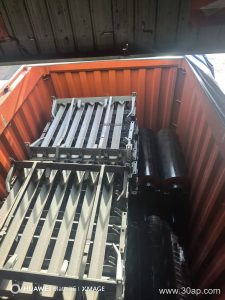
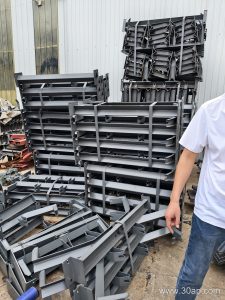
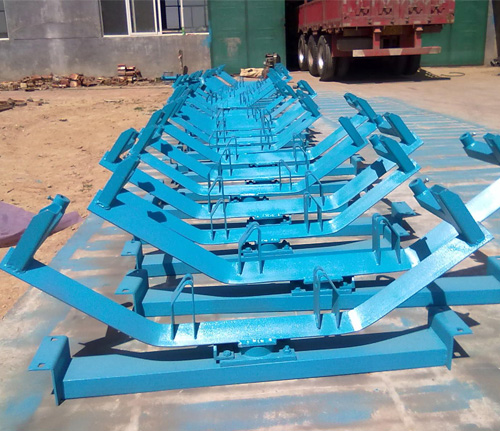
In a cement plant clinker line, fine dust and heat can shorten bearing life, so sealing and lubrication access deserve attention during inspection. The heavy-load pulley should be checked together with the conveyor bracket and idler roller alignment, since a misaligned frame adds side load to the drum.
Matching Diameter and Face Width to the Belt
Face width is usually wider than the belt to allow tracking margin. Reference examples include B800 with roughly 950 mm face width, B1000 with about 1150 mm, B1200 with about 1400 mm, and B1400 with about 1600 mm. Diameters commonly range from Ø200 to Ø1800 mm, and a larger drum gives the belt more wrap and reduces bending stress. A B1200 × Ø1000 or B1400 × Ø800 combination may appear in a design, but no single belt width is locked to one diameter. Shaft size is determined by the actual torque and load, never by belt width alone.
| Belt width | Typical face width | Common diameter range |
|---|---|---|
| B650 | About 750 mm | Ø315 to Ø630 mm |
| B1000 | About 1150 mm | Ø400 to Ø1000 mm |
| B1400 | About 1600 mm | Ø630 to Ø1250 mm |
| B1800 | About 2000 mm | Ø800 to Ø1600 mm |
These values are reference data for discussion, not a universal supply promise. Final sizing should follow the conveyor design and the belt manufacturer’s recommendation.
Where the Duty Is Highest
Heavy-load pulleys are common in iron ore and copper ore handling, limestone quarries, coal preparation plants, and sinter plants. In a sand and aggregate line, the head pulley must grip an abrasion resistant conveyor belt carrying wet stone, so lagging choice and crown profile affect slip and belt wear. In a tunnel muck removal system, shock loads and moisture make robust sealing essential. The same drum type also appears in port bulk terminals and steel plant raw material yards.
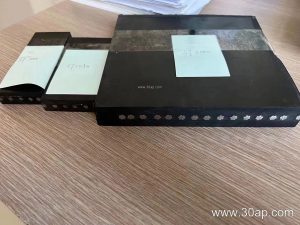
When the belt is a steel cord conveyor belt or a thick multi-ply fabric core conveyor belt, the pulley diameter should be large enough to limit bending fatigue. For a chevron conveyor belt or a corrugated sidewall conveyor belt, the pulley face and clearance need extra review because the profile can interfere with normal wrap.
What Buyers Should Confirm Before Ordering
- Belt width, belt type, and expected tension
- Mounting position: head, tail, bend, or take-up
- Required lagging form and thickness
- Shaft diameter and bearing type agreed with the conveyor designer
- Environmental conditions such as dust, heat, oil, or moisture
A heavy-load pulley is only one part of the system. Its performance also depends on the conveyor belt quality, idler roller condition, and frame rigidity. For a coal mining conveyor belt or a quarry conveyor belt, a well-matched drum reduces downtime and protects the belt edge. Buyers comparing offers should ask for the shell thickness, shaft material, lagging specification, and balancing report rather than relying on a single dimension. At www.mornbearings.com heavy-load pulley enquiries are best supported by a full conveyor layout drawing so the drum, bracket, and belt can be reviewed together.