What a Carbon Steel Pulley Is
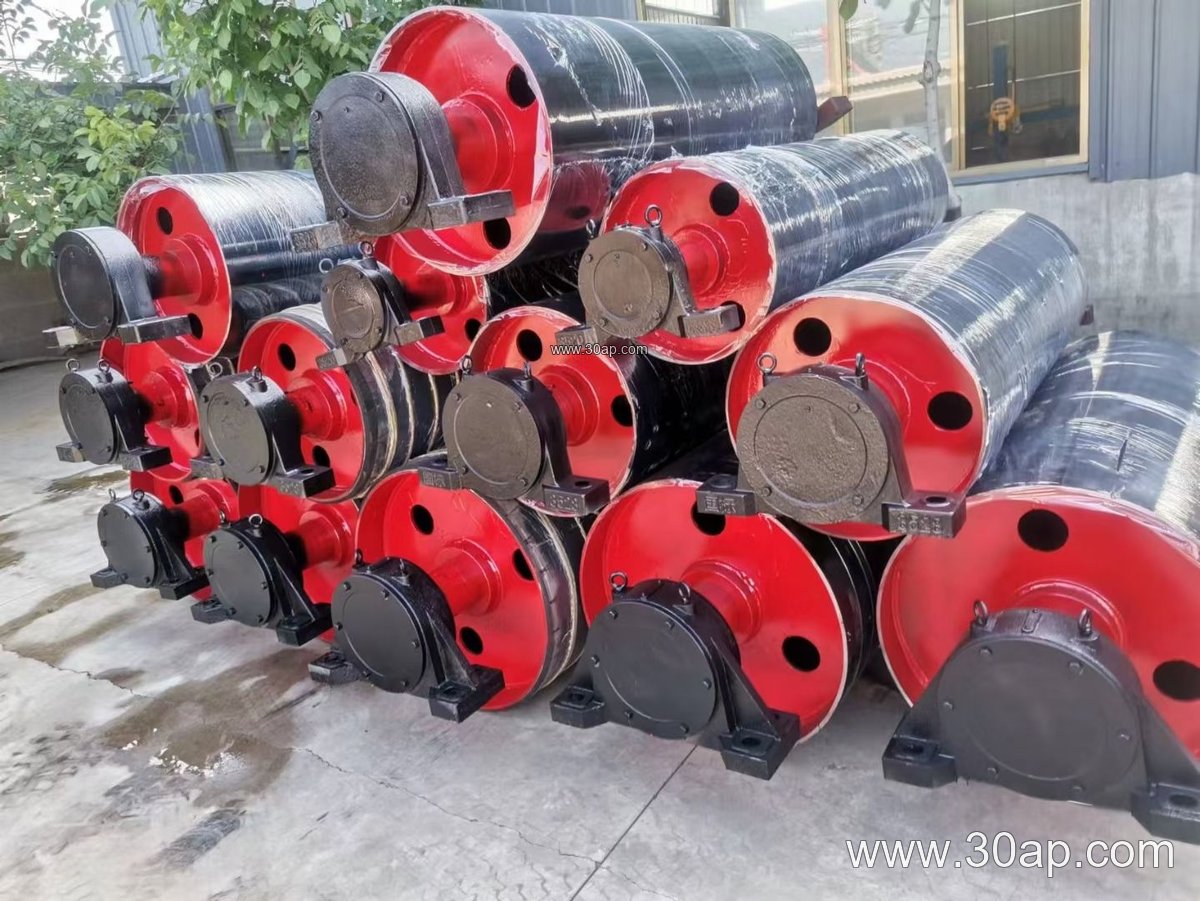
A carbon steel pulley is the rotating drum at the heart of a belt conveyor. Its shell, end discs, and hub are fabricated from carbon steel, which gives the component a good balance of strength, stiffness, and cost. In a quarry, a coal handling plant, or a cement kiln line, this conveyor pulley carries the belt, transmits drive torque, and keeps the belt path aligned. The same product is often called a steel conveyor drum or a carbon steel drum pulley, and those names refer to the same item.
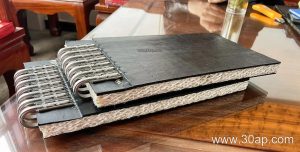
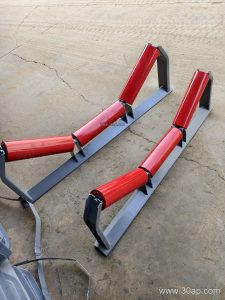
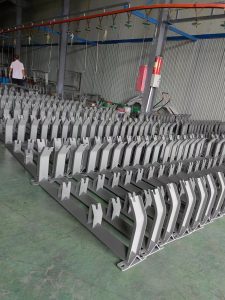
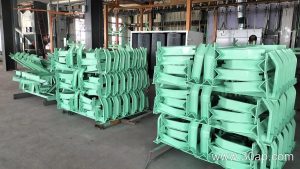
The pulley works together with the conveyor belt, the idler roller sets, and the conveyor bracket that anchors the assembly to the frame. A well-matched combination keeps tension stable and reduces belt tracking problems.
How the Pulley Is Built
Most carbon steel pulleys start as a rolled or welded shell. End discs are welded to the shell, and a shaft is fitted through the hub, usually with a keyway and locking arrangement. The shaft diameter is chosen from torque and load calculations, not from belt width alone, so a B800 conveyor does not automatically get one fixed shaft size.
Surface treatment matters as much as the steel body. Common options include:
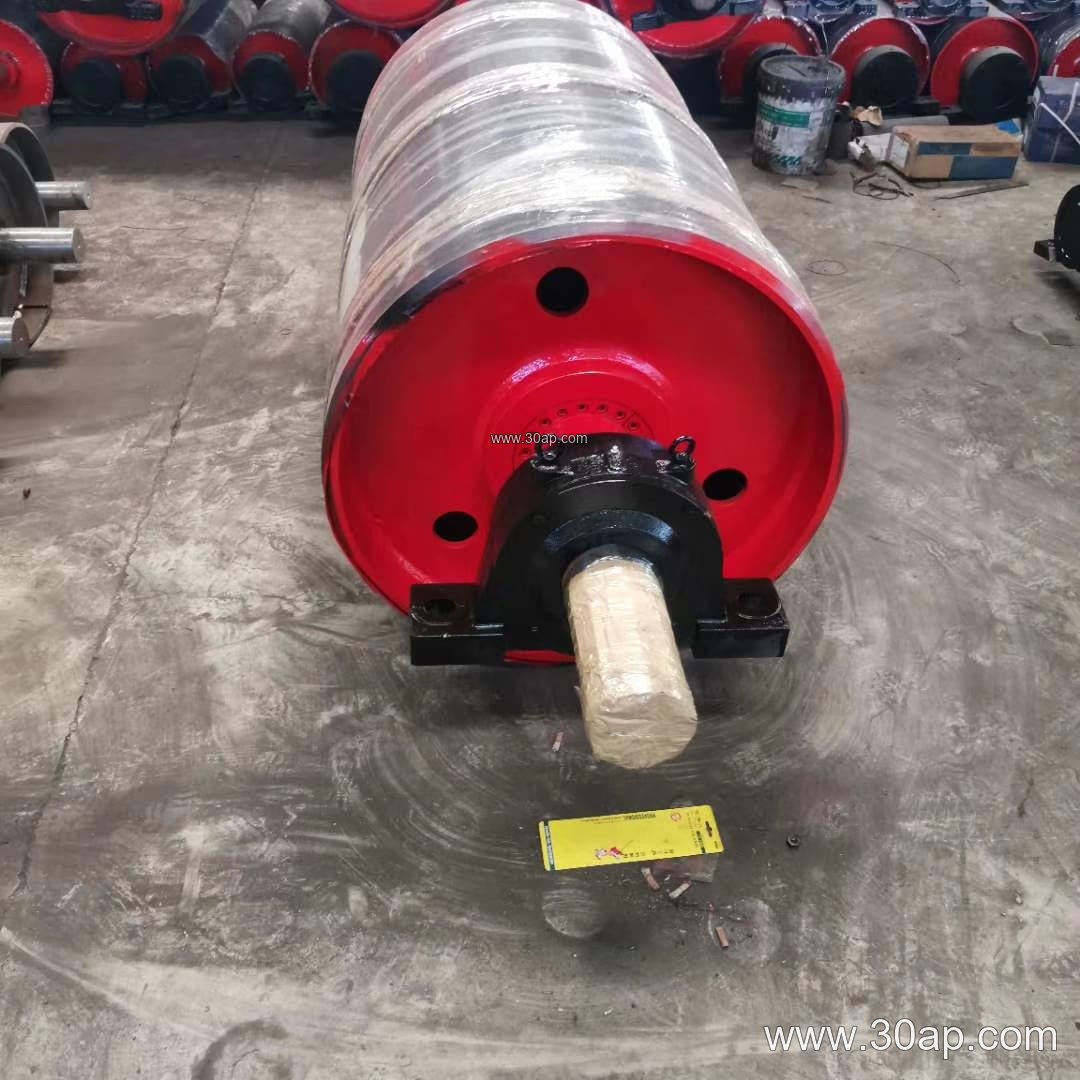
- Plain or smooth finish for general duty
- Cast rubber lagging for grip on drive pulleys
- Cold-bonded or hot-vulcanized rubber lagging
- Diamond or herringbone grooved lagging for wet, muddy conditions
- Ceramic lagging for high-traction, abrasive service
Lagging thickness is often 8, 10, 12, 15, or 20 mm, selected by the duty. A drive pulley in a stone crushing line may use thicker diamond lagging, while a bend pulley in a clean port conveyor might stay plain.
Where It Fits in the Conveyor
Position defines the job. A head or drive pulley pulls the belt and transfers power. A tail pulley at the loading end turns the belt back. A bend pulley changes direction, and a take-up pulley maintains tension. These are not interchangeable roles, and each one places different loads on the carbon steel pulley.
In an underground coal mining conveyor, flame retardant and anti-static properties of the belt are critical, and the pulley lagging must resist coal dust and moisture. In a power plant coal yard, a heavy-duty carbon steel pulley with abrasion resistant lagging helps handle continuous bulk material flow. In a limestone quarry, a bend pulley may sit in a dusty transfer tower, while the drive pulley works under high tension.
Sizing and Selection Notes
Belt width and pulley diameter are related but not locked together. A B500 belt might run on a Ø400 pulley in one layout and a larger diameter in another, depending on wrap angle and belt stiffness. Face width is usually a little wider than the belt, for example about 600 mm for B500 and about 1400 mm for B1200.
| Reference Item | Typical Range |
|---|---|
| Belt width | B400 to B2400 |
| Pulley diameter | Ø200 to Ø1800 |
| Shaft diameter | Ø50 to Ø200 |
| Lagging thickness | 8 to 20 mm |
When specifying, confirm the belt type, such as EP conveyor belt or steel cord conveyor belt, the material carried, the duty cycle, and the environmental conditions. A high abrasion resistant conveyor belt may need a harder lagging compound, while an oil resistant conveyor belt in a recycling plant calls for compatible rubber.
Maintenance and Buyer Checks
Inspect lagging wear, check shaft keys and locking devices, and verify that the pulley turns freely. Misalignment between the pulley and the conveyor bracket can cause edge wear on the belt, so alignment should be checked after installation. Keep the pulley surface clean; buildup of sticky material changes the effective diameter and can damage the belt.
A buyer should request the shell thickness, shaft material, lagging type and thickness, bearing arrangement, and balancing grade. These details matter more than a single size number. For a carbon steel pulley used in a sand and gravel line or a fertilizer handling system, matching the drum to the conveyor belt and idler roller set is the practical way to avoid premature failure.