What a Conveyor Leg Does
A conveyor leg is the vertical support that carries the idler frame or bracket at the correct height above the ground. On a typical troughing section, the conveyor leg holds the crossbeam that in turn carries the carrying idlers under the belt. The part looks simple, but it sets the geometry of the whole line. If the legs are too light, poorly braced, or set on uneven ground, the belt will sag, mistrack, and wear faster.
In a quarry or a sand and gravel line, the conveyor leg often sits on sleepers or concrete pads. In a coal preparation plant or a power plant coal yard, the same component may be bolted to a steel structure instead of the floor. The leg is not a pulley, not an idler, and not a bracket, but it works with all of them.
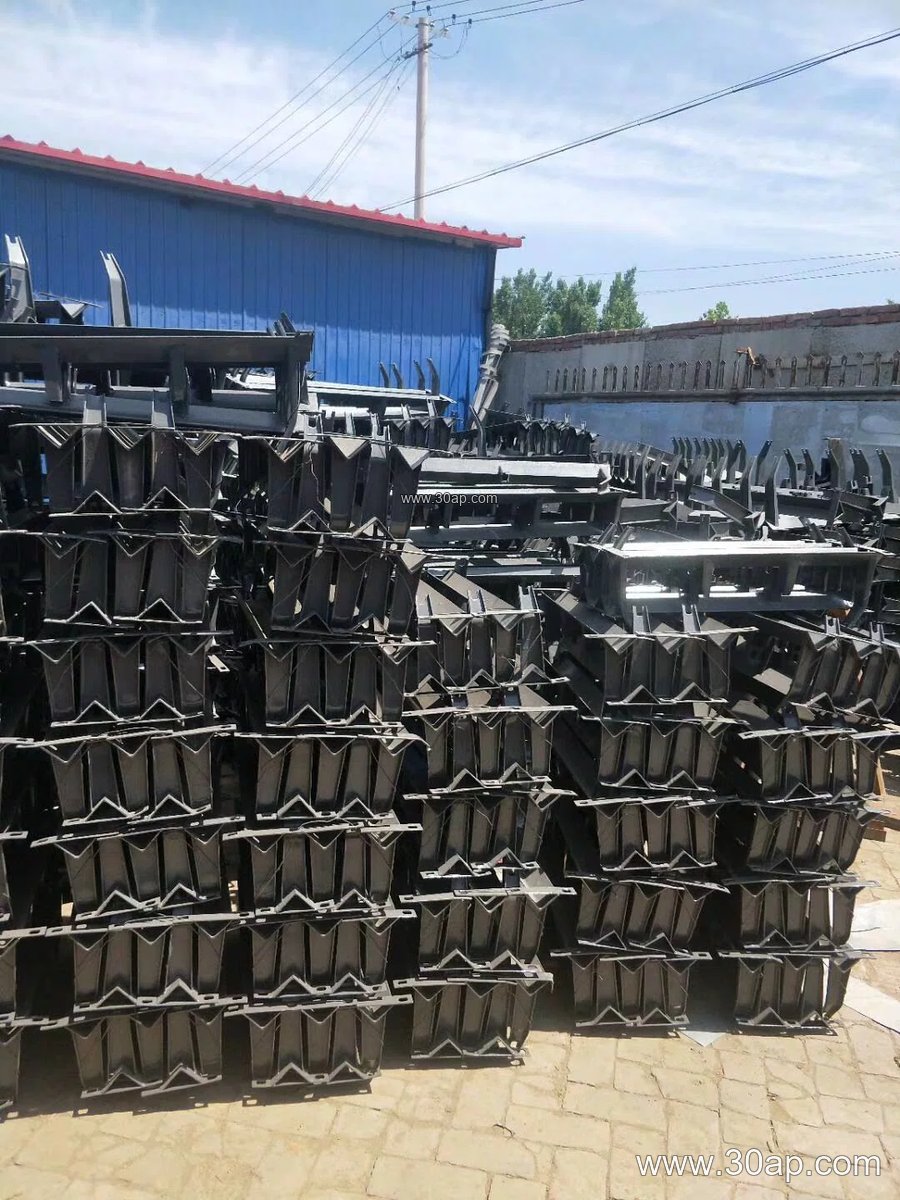
How the Leg Is Built
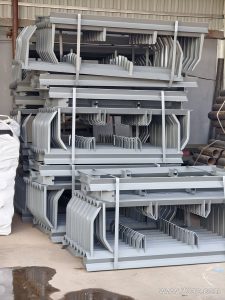
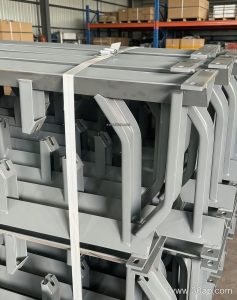
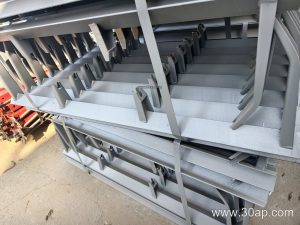
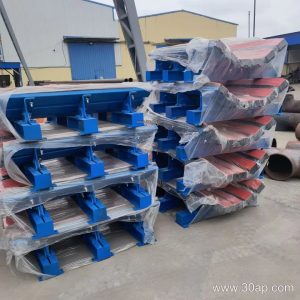
Most legs are made from angle steel, channel steel, or folded steel plate. A fixed leg is welded or bolted to a base plate and has a drilled top plate for the bracket. An adjustable leg uses slotted holes or a telescopic section so the height can be trimmed during installation. Bracing between legs is common on tall frames to resist belt pull and wind load.
- Material: angle, channel, or folded plate, usually painted or galvanized
- Top connection: bolted to a conveyor bracket or crossbeam
- Base: base plate with anchor holes, or foot plate for floor mounting
- Options: fixed height, adjustable height, braced, or tripod style
The top plate hole spacing follows the bracket and the belt width, so it should be confirmed against the frame drawing before ordering. A leg for a B800 frame is not the same as one for a B1800 frame, even when the steel section looks similar.
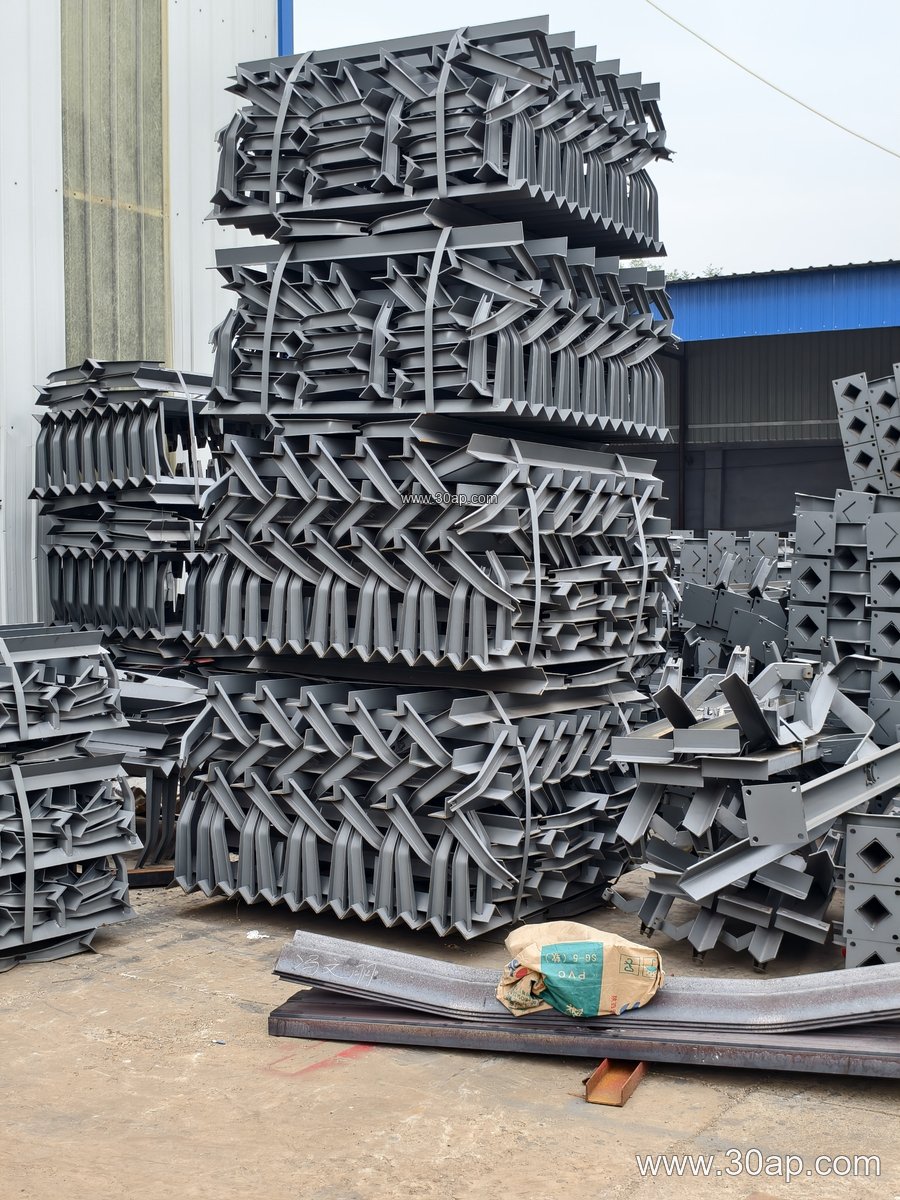
Matching the Leg to Belt Width and Idler Size
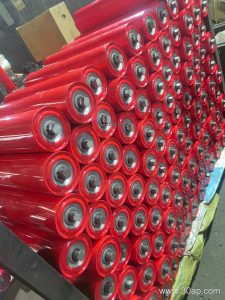
Leg height and crossbeam length change with belt width and trough angle. Common belt widths include B500, B650, B800, B1000, B1200, B1400, B1600, B1800, and B2000. Trough angles are usually 20, 30, 35, or 45 degrees, and adjustable brackets can move between these angles. Idler diameter is often Ø89, Ø108, Ø133, Ø159, or Ø194, chosen by load and belt speed.
| Belt width | Typical trough angle | Common idler diameter |
|---|---|---|
| B650 | 30 degrees | Ø89 |
| B800 | 35 degrees | Ø108 |
| B1200 | 45 degrees | Ø133 |
| B1400 | 35 to 45 degrees | Ø159 |
| B1800 | 35 to 45 degrees | Ø159 or Ø194 |
These are reference combinations, not fixed rules. A wider belt does not force one trough angle, and one belt width does not lock the frame to one idler diameter. The design load, belt tension, and material lump size decide the final choice. On a heavy-duty mining conveyor belt hauling ore, the legs and brackets are usually heavier than on a light aggregate conveyor belt line.
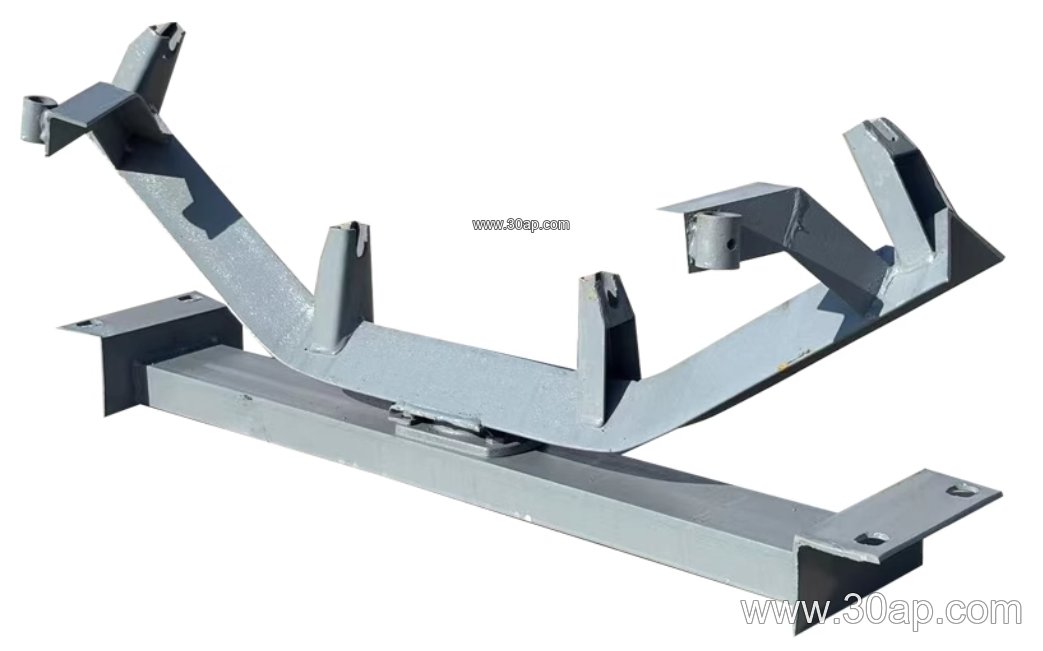
Where Conveyor Legs Are Used
You will find these supports in stone crushing plants, cement plants, iron ore yards, and port loading systems. In a tunnel spoil line, short adjustable legs help keep the frame level as the floor changes. In a fertilizer or grain silo, lighter folded-plate legs are common because the belt is narrower and the load is more even. Whatever the site, the leg must keep the idler roller square to the belt centerline so the belt runs true.
For more frame and belt components, see mysite conveyor leg, where support parts are grouped with conveyor pulley and idler roller references. Buyers working on a coal mining conveyor belt project often ask for flame retardant conveyor belt and fire resistant conveyor belt at the same time as the frame steel, because the whole line is specified together.
Buyer Checklist
- Confirm belt width, trough angle, and idler diameter before ordering legs.
- State whether the leg is fixed or adjustable, and give the height range.
- Check the bracket hole pattern and crossbeam length on the drawing.
- Ask about surface treatment for wet, dusty, or coastal sites.
- Plan bracing and anchor points for tall or exposed frames.
A leg is a small cost item, but it controls belt support along the entire run. Get the height, hole pattern, and steel section right, and the idlers, pulleys, and belt will last longer.