What a Mining Conveyor Bracket Does
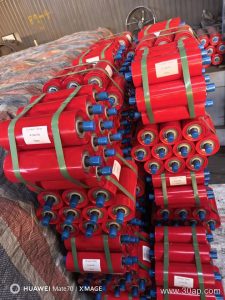
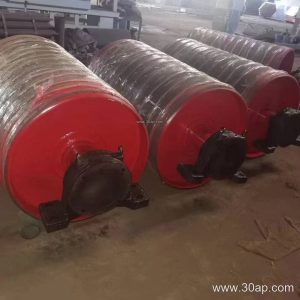
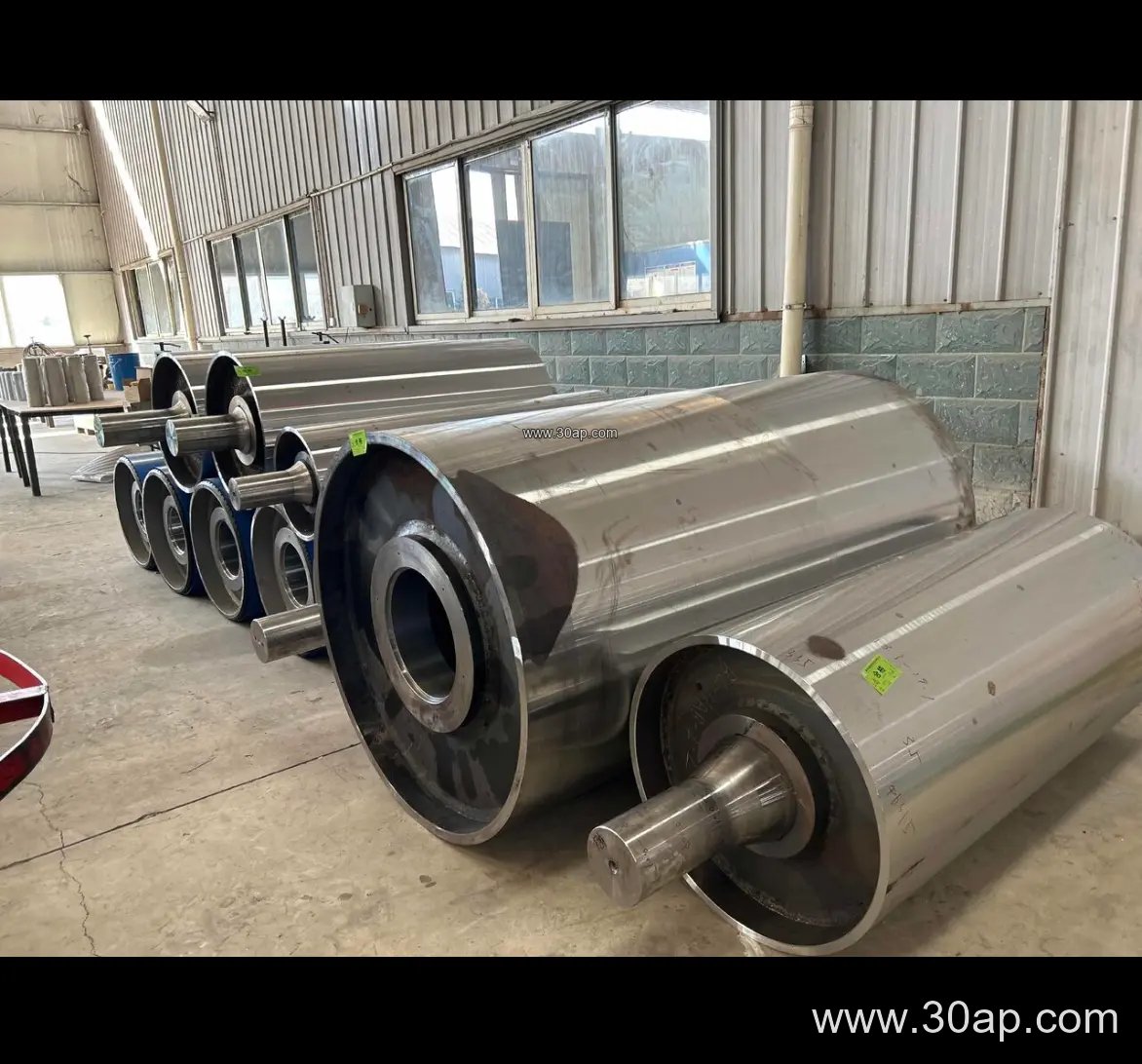
A mining conveyor bracket is the structural component that holds the idler roller in place and sets the belt line on a bulk handling conveyor. It is often called a conveyor idler bracket or idler frame, and it is not a pulley. Drive pulleys, tail pulleys and bend pulleys transmit power and change belt direction; the bracket only carries the rollers that support the loaded belt and the returning belt. On a heavy-duty mining conveyor, the bracket is where belt load, roller weight and misalignment forces are transferred into the conveyor stringer.
Construction and Common Forms
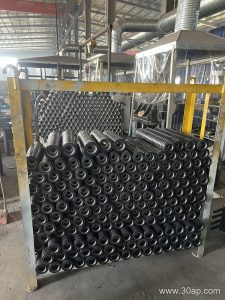
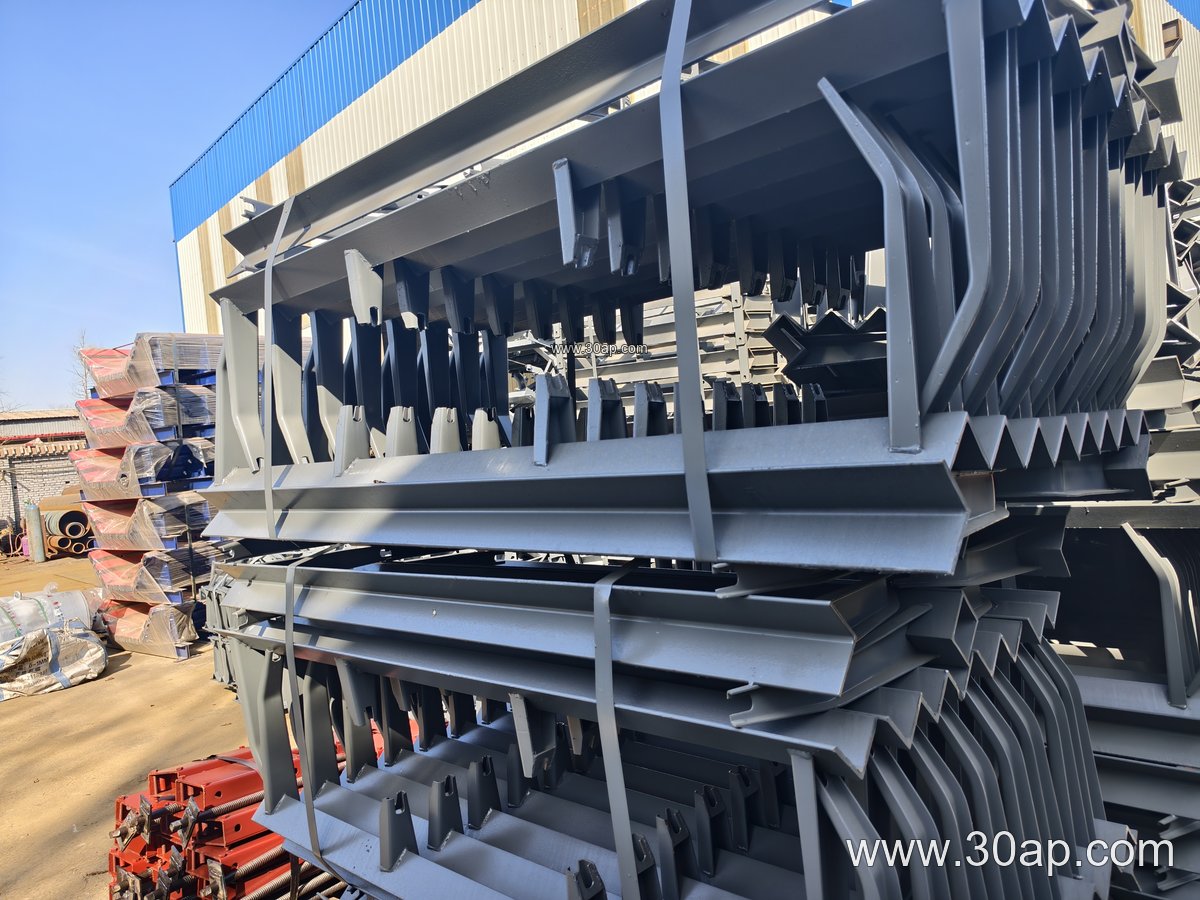
Fabrication is usually straightforward but must be robust. Most brackets are made from angle steel, channel steel or folded steel plate, with welded gussets at the load points. Bolt slots are positioned so the idler roller sits at the designed trough angle.
- Carrying trough brackets set the trough angle, commonly 20, 30, 35 or 45 degrees.
- Impact brackets sit under the loading point and carry impact-resistant rollers.
- Transition brackets ease the belt from flat to troughed profile.
- Return brackets support the empty belt, including V-type return frames.
- Self-aligning and forward-leaning frames help control belt tracking.
- Adjustable brackets allow the trough angle to be changed on site.
Bracket length and mounting hole spacing are not universal. They vary with belt width, trough angle and roller diameter, so a B800 frame is not interchangeable with a B1200 frame without checking dimensions.
Matching Brackets to Belt and Roller
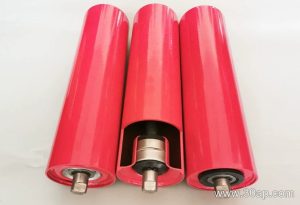
Belt width and roller diameter are usually selected together, but there is no fixed one-to-one rule. Typical examples include B650 with 30 degrees and Ø89 rollers, B800 with 35 degrees and Ø108 rollers, and B1200 with 45 degrees and Ø133 rollers. The final choice depends on belt tension, material lump size and the conveyor design. The table below shows common reference ranges only.
| Belt width | Typical trough angle | Common roller diameter | Typical bracket use |
|---|---|---|---|
| B500 | 20 to 30 degrees | Ø89 | Light to medium duty |
| B650 to B800 | 30 to 35 degrees | Ø89 to Ø108 | Aggregate and crusher lines |
| B1000 to B1200 | 35 to 45 degrees | Ø108 to Ø133 | Mining and cement plants |
| B1400 to B1600 | 35 to 45 degrees | Ø133 to Ø159 | Heavy ore and coal handling |
| B1800 to B2200 | 35 to 45 degrees | Ø159 to Ø194 | Large bulk terminals and steel plants |
These values are reference data, not fixed specifications. A wide belt can run with more than one roller diameter, and the shaft size must be confirmed from the roller and bracket design rather than guessed from belt width.
Where Brackets Are Used
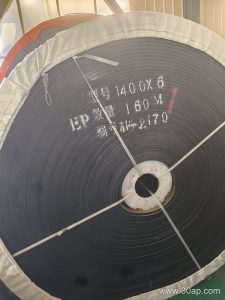
In a limestone quarry or crushing and screening line, trough brackets keep the belt stable under uneven rock loads. In a coal preparation plant or power station coal yard, flame retardant conveyor belt and anti-static conveyor belt are often paired with brackets that resist vibration and dust. The same bracket family supports a rubber conveyor belt, an EP conveyor belt or a steel cord conveyor belt, but the frame stiffness and roller spacing must match the belt tension and load.
Other common sites include iron ore handling, cement plants, port ship loading and sinter plants. In each case, the bracket is part of a support system with the conveyor belt, idler roller and conveyor pulley, and it must be installed square to the conveyor centreline to avoid belt drift.
Buyer Checklist
- Confirm belt width, trough angle and roller diameter before ordering.
- Check mounting hole spacing and crossbeam length against the existing stringer.
- Choose adjustable frames where belt tracking may need fine tuning.
- Use impact brackets at transfer points and return frames on the empty side.
- Match the material finish to the environment, such as dust, moisture or washdown.
- Inspect bolts and alignment after installation and during routine maintenance.
For more on compatible conveying components, visit https://www.jsconveyor.com and see how a properly matched conveyor bracket supports reliable belt operation across mining, cement, power and aggregate applications.