What a Power Plant Conveyor Belt Does
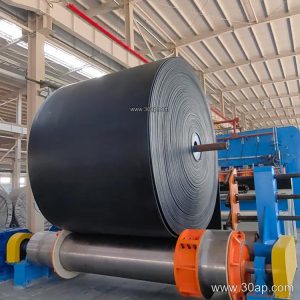
A Power Plant Conveyor Belt is the continuous loop that moves coal, biomass, ash, limestone, and other bulk materials through a generating station. It links unloading areas, stockpiles, crusher houses, boiler bunkers, and ash removal systems. Because power plants often run around the clock, the belt must handle steady tonnage, resist wear, and cope with heat or oil exposure depending on the material stream. In practice, a single plant may use several specifications: a heavy-duty belt on the main coal line, a heat-resistant grade near boiler areas, and a flame retardant belt in enclosed galleries.
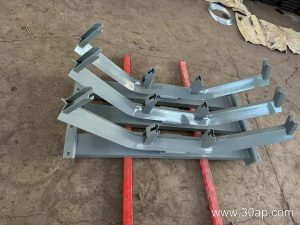
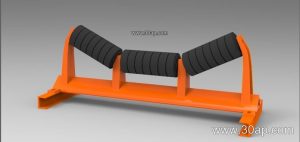
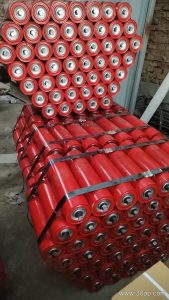
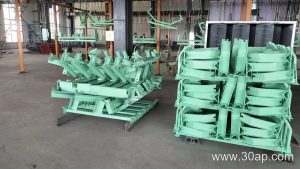
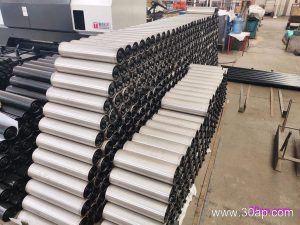
The belt is only one part of the conveyor. It runs over idler rollers that support the load, wraps around a drive pulley and tail pulley, and is held in alignment by conveyor brackets and frame structures. Together these components determine how well the Power Plant Conveyor Belt performs over its service life.
Construction and Common Specifications
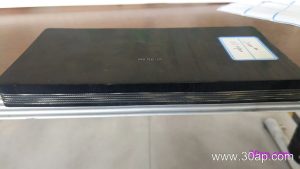
Most power plant belts are fabric core or steel cord constructions. Fabric core belts use EP (polyester-cotton) or NN (nylon-nylon) plies; steel cord belts use brass-plated wires for high tension and long center distances. Cover rubber protects the carcass from abrasion, impact, and moisture. Typical cover grades include abrasion resistant, heat resistant, oil resistant, flame retardant, anti-static, and cold resistant compounds.
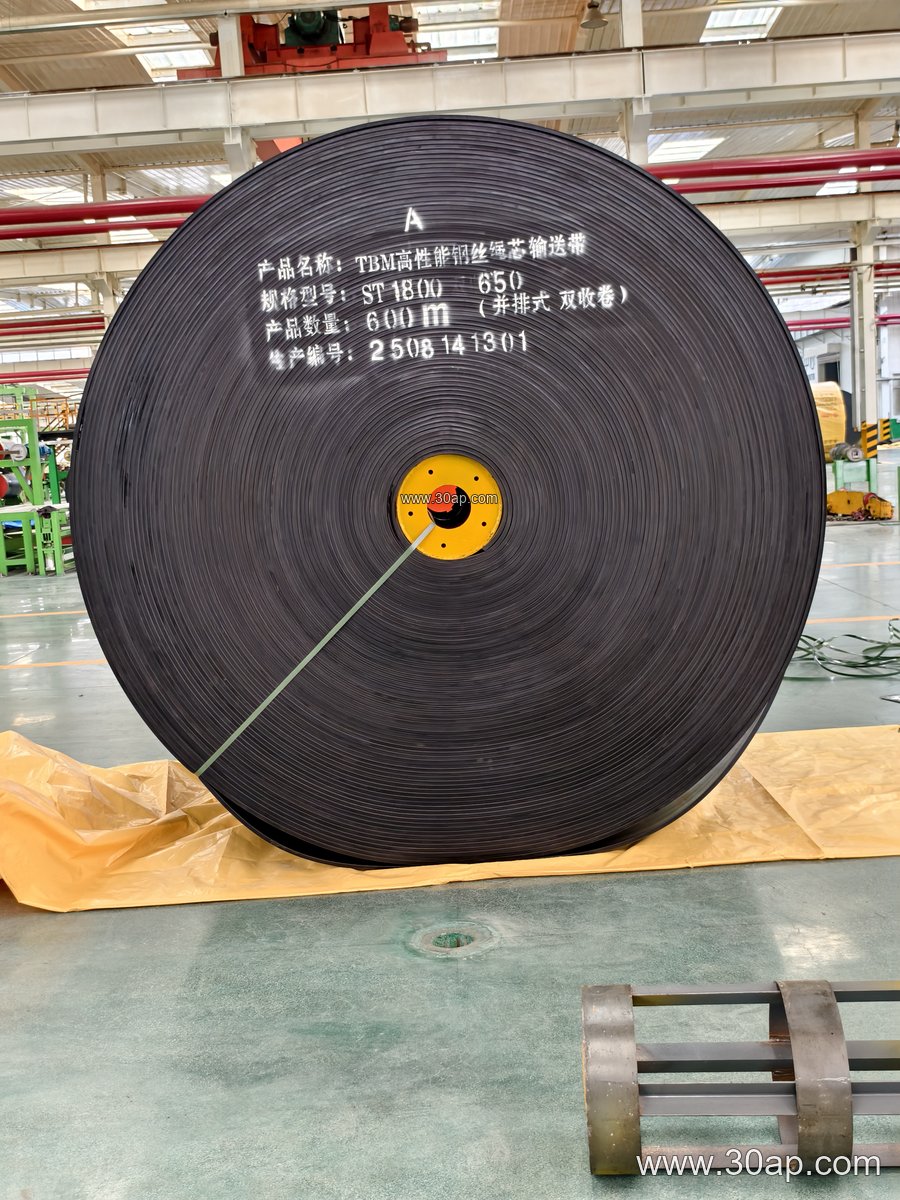
Common strength grades for EP belts include EP200, EP400, EP630, EP1000, and EP1250. Steel cord belts are often specified by ST ratings such as ST1000, ST1600, or ST2500. Belt widths usually range from B500 to B2000, with B800, B1000, and B1200 being frequent choices in coal handling. Cover thickness might be 4+2 mm, 5+2 mm, or 6+2 mm, and carcass plies commonly run from 2 to 6 layers. These values are reference points; final selection depends on capacity, lump size, trough angle, and pulley diameter.
| Parameter | Common Range | Notes |
|---|---|---|
| Belt width | B500 to B2000 | B800, B1000, B1200 often used in coal yards |
| EP strength | EP200 to EP1250 | Higher grades for longer conveyors |
| Steel cord strength | ST1000 to ST2500 | For high tension and long distance |
| Cover thickness | 3+1.5 to 8+3 mm | Thicker covers for abrasive ash or coke |
| Ply count | 2 to 6 | Fabric core belts |
Where It Fits in the Plant
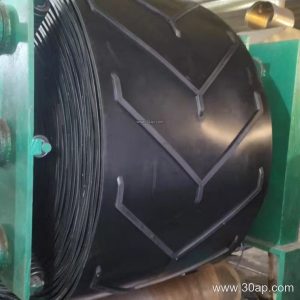
In a coal-fired station, the Power Plant Conveyor Belt moves raw coal from the wagon tippler or ship unloader to the crusher house, then to bunkers feeding the pulverizers. Ash handling systems use similar belts to carry bottom ash or fly ash to disposal areas. Limestone handling for flue gas desulfurization also relies on conveyor belts that resist abrasion and moisture. The same plant may also run a Chevron Conveyor Belt on an inclined section or a Corrugated Sidewall Conveyor Belt where space is tight and steep angles are needed.
Other industries use comparable belts. A quarry or aggregate plant will favor an Abrasion Resistant Conveyor Belt, while a cement kiln line may need a Heat Resistant Conveyor Belt. Underground coal mining frequently specifies a PVG Conveyor Belt or a Flame Retardant Conveyor Belt for safety. Ports and ship loading terminals often choose a Steel Cord Conveyor Belt for long booms. The Power Plant Conveyor Belt shares much of this technology but is tuned to the specific mix of coal, ash, and limestone found on site.
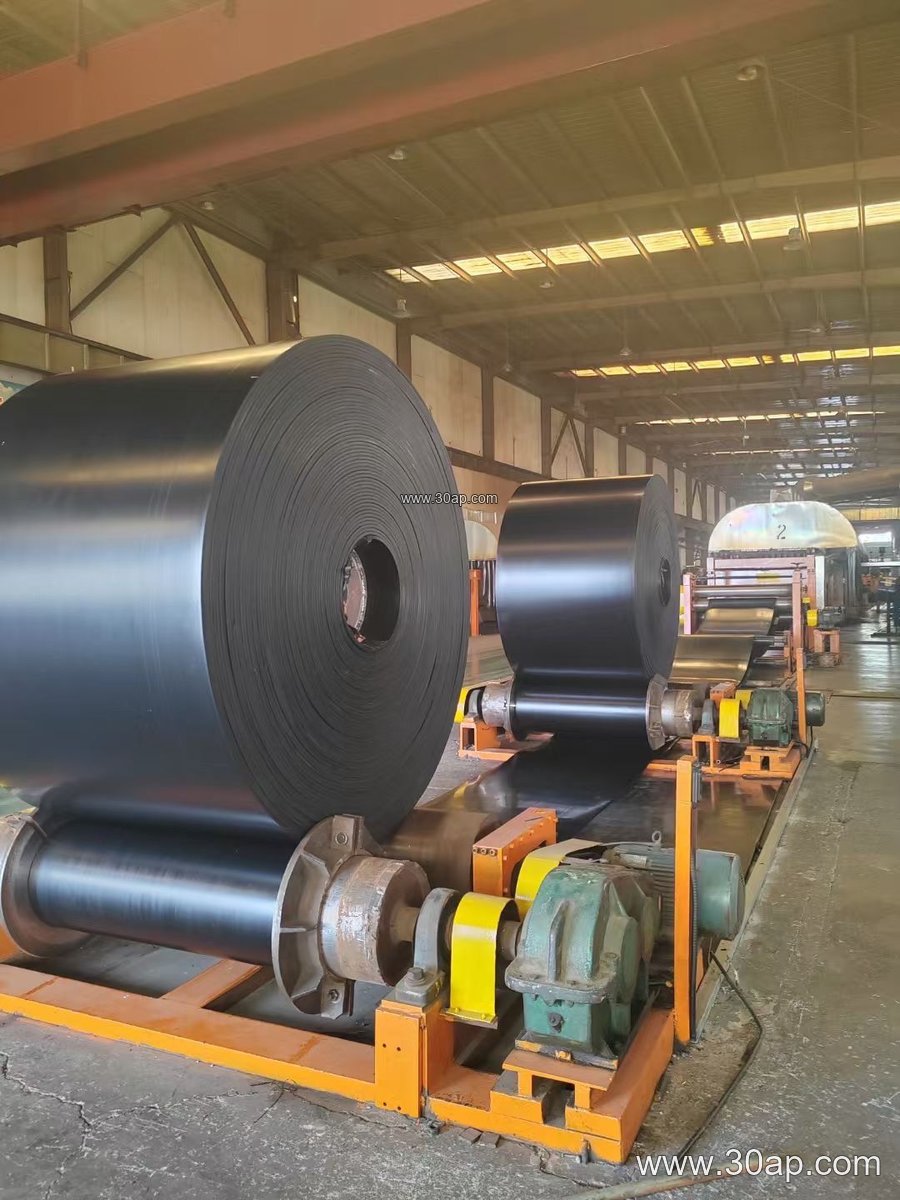
Selection and Maintenance Notes
Buyers should start with the material characteristics: lump size, moisture, temperature, oil content, and abrasiveness. Then match belt width and strength to the conveyor’s capacity and center distance. A belt that is too narrow for the lump size may suffer edge damage; one that is too stiff for the pulley diameter may crack. Do not assume a fixed shaft diameter from belt width alone—pulley and shaft sizing come from the conveyor designer.
During operation, check idler rollers for seized bearings, monitor pulley lagging for wear, and keep the belt tracking centered. Inspect splice joints, cover wear, and edge condition regularly. Store spare belts in a dry, shaded area and rotate stock. For a Power Plant Conveyor Belt, a small investment in alignment and cleaning equipment often extends service life more than upgrading the belt itself.
- Confirm material temperature and oil exposure before choosing cover grade.
- Check compatibility between belt thickness and pulley diameter.
- Use anti-static and flame retardant grades where dust or enclosed spaces require them.
- Keep idler rollers and conveyor brackets in good condition to avoid edge damage.
Whether the plant handles coal, biomass, ash, or limestone, the right Power Plant Conveyor Belt and a sensible maintenance routine keep material moving without unexpected stops.