What an NN200 Conveyor Belt Is
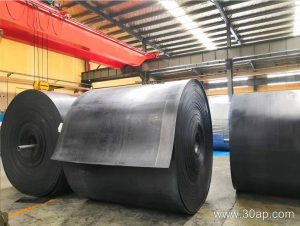
An NN200 Conveyor Belt is a multi-ply fabric core belt built on nylon (NN) carcass plies. The “200” refers to the nominal tensile strength of the carcass, commonly expressed in N/mm. In practice, this places the belt in a middle-to-heavy duty class: stronger than lighter NN grades such as NN100, yet more economical than high-strength constructions like NN300 or a steel cord design where very long centers demand it. Buyers who need a durable, fatigue-resistant belt for continuous bulk haulage often shortlist this grade alongside an EP Conveyor Belt of comparable strength.
Because the carcass is nylon, the belt offers good flexibility, high elongation under load, and strong resistance to repeated flexing around pulleys. That makes it a practical choice for primary and secondary haulage in mining, quarrying, cement, power generation, and sand and aggregate plants.
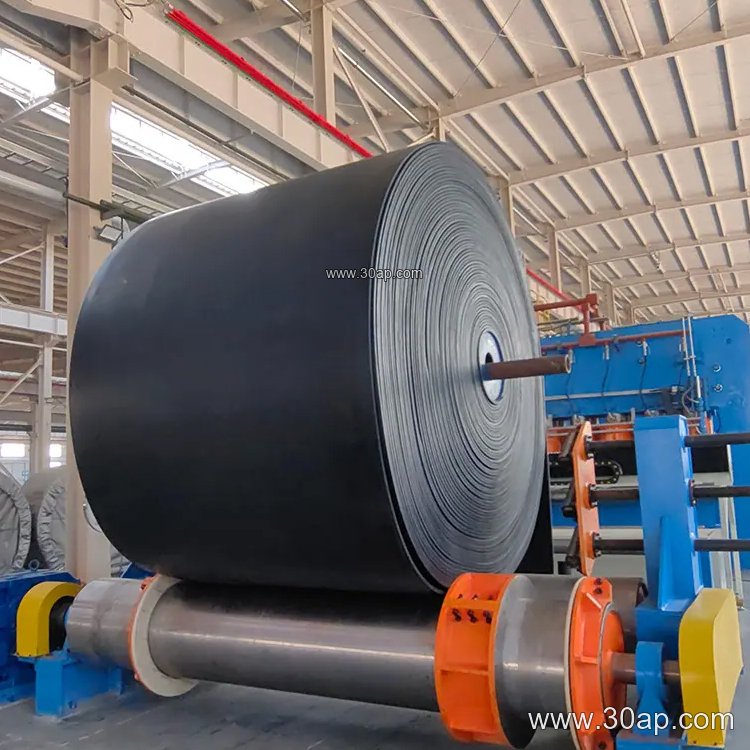
How the Belt Is Built
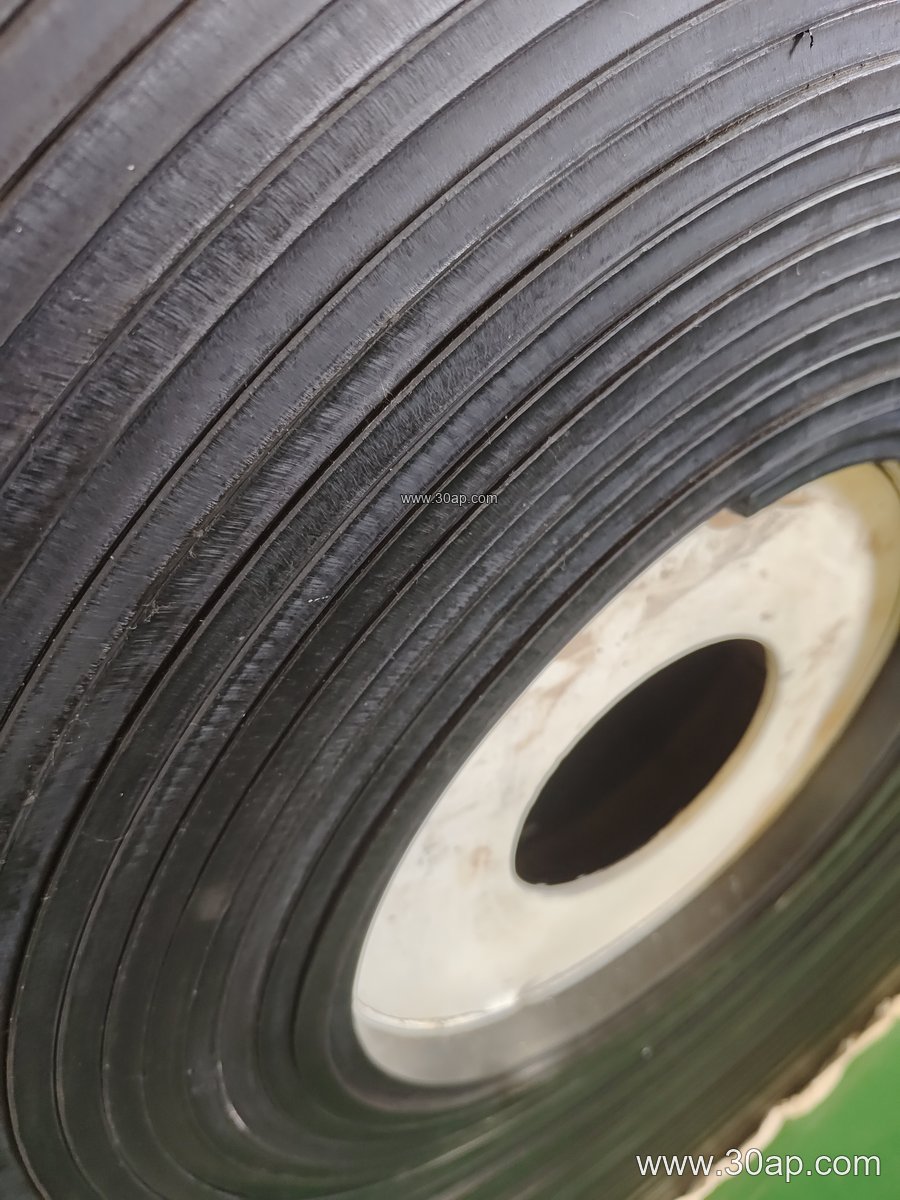
The construction is straightforward but the details matter. Nylon fabric plies are bonded with rubber skim compounds, then covered on both faces with abrasion-resistant rubber. Edge protection and a properly vulcanized splice complete the picture.
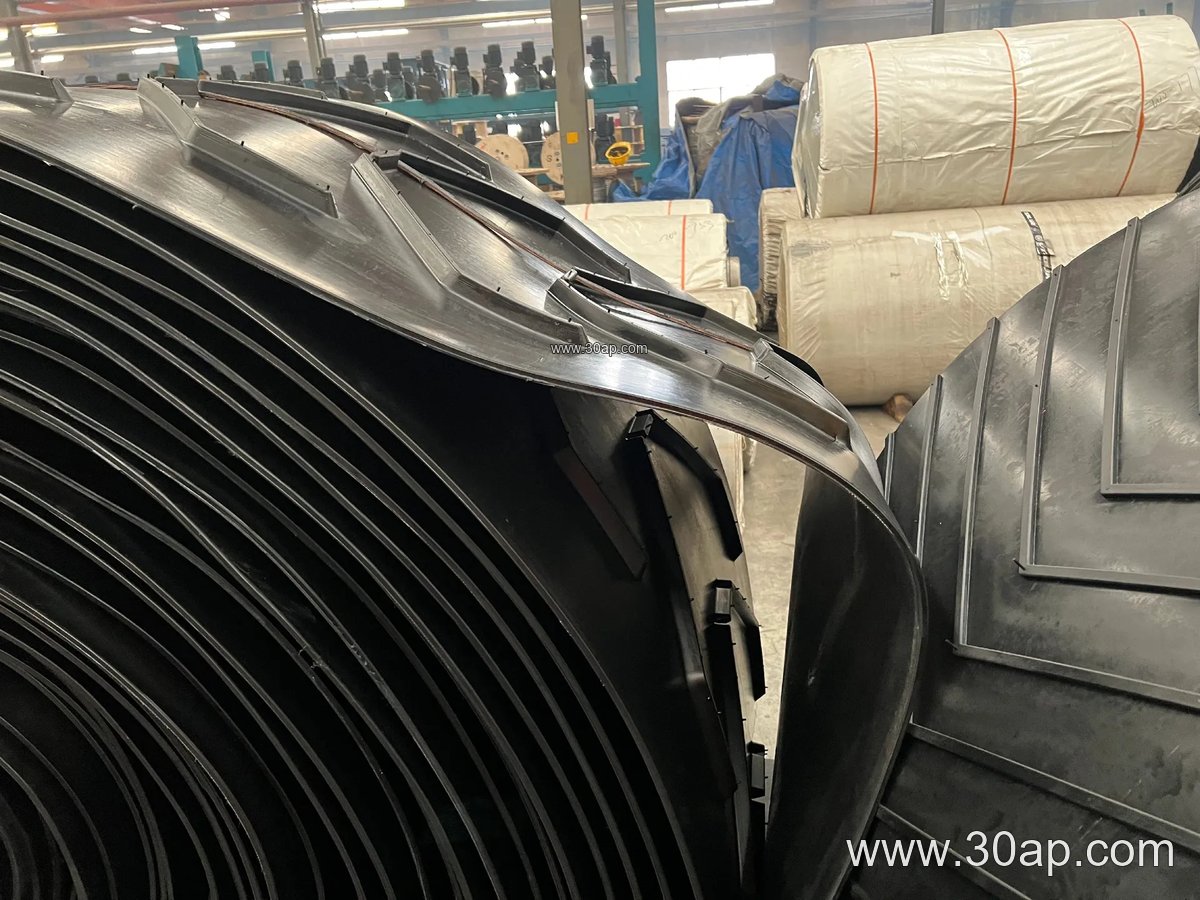
- Carcass: usually 2 to 6 plies of nylon fabric, depending on the required strength and safety factor.
- Cover rubber: common gauge combinations include 3+1.5 mm, 4+2 mm, 5+2 mm, 6+2 mm, and 8+3 mm, top and bottom.
- Grade options: standard abrasion-resistant covers, plus heat resistant, oil resistant, flame retardant, anti-static, and cold resistant variants for specific duty.
Nylon’s elastic behavior means the belt stretches more than polyester at start-up. That is not a defect, but it does affect take-up design and splice planning. The take-up travel on the conveyor should be sized for the expected elongation, and the belt should be run and tensioned before the final splice is made.
Typical Service Conditions
NN200 belts are frequently found on medium-duty to heavy-duty troughed conveyors carrying crushed rock, ore, coal, clinker, sand, gravel, and similar bulk materials. They suit:
- Mining and quarry conveyors moving run-of-mine or crushed stone.
- Cement plant raw material and clinker lines.
- Power plant coal handling and ash transport.
- Sand and aggregate plants feeding crushers and screens.
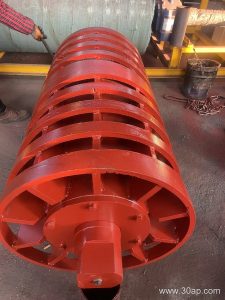
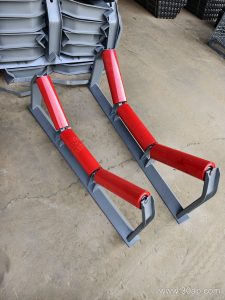
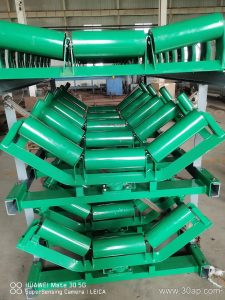
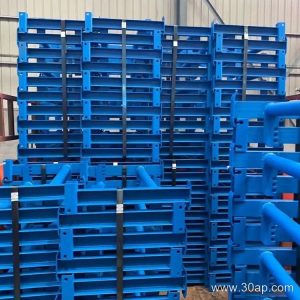
On a typical conveyor, the belt runs over idler rollers in the carrying run, returns on return idlers, and wraps the head (drive) pulley and tail pulley. A bend pulley may redirect the path, while conveyor brackets and frames hold the rollers in alignment. These components work as a system: a belt that is correctly matched to pulley diameters and idler spacing will run straighter and last longer.
Specifications and Reference Data
The table below shows common reference values. Actual figures are confirmed by the manufacturer and by conveyor design, and they vary between suppliers.
| Item | Common Reference |
|---|---|
| Carcass type | Nylon (NN) multi-ply fabric |
| Nominal strength | NN200 (200 N/mm class) |
| Ply count | 2 to 6 plies, by design |
| Belt width | B500, B650, B800, B1000, B1200, B1400, B1600, B1800, B2000 |
| Cover thickness | 3+1.5, 4+2, 5+2, 6+2, 8+3 mm |
| Cover grades | Abrasion resistant, heat resistant, oil resistant, flame retardant, anti-static, cold resistant |
Belt width and pulley diameter are separate design decisions. A wider belt does not automatically require one fixed pulley size, and pulley diameters are selected from belt thickness, splice type, and tension, not from width alone.
What a Buyer Should Confirm
- Strength margin: check the calculated maximum belt tension against the rated strength with an appropriate safety factor.
- Cover grade: match the rubber to the material. Hot clinker calls for a heat resistant cover; oily scrap or recycled material may need an oil resistant grade; underground coal work usually calls for flame retardant and anti-static properties.
- Splice method: vulcanized splices are typical for permanent installations; mechanical fasteners suit temporary or low-tension runs.
- Take-up and elongation: confirm that take-up travel accommodates nylon stretch.
- Pulley and roller compatibility: review drive pulley diameter, tail pulley wrap, bend pulley placement, idler roller spacing, and conveyor bracket condition before installation.
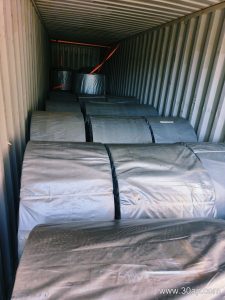
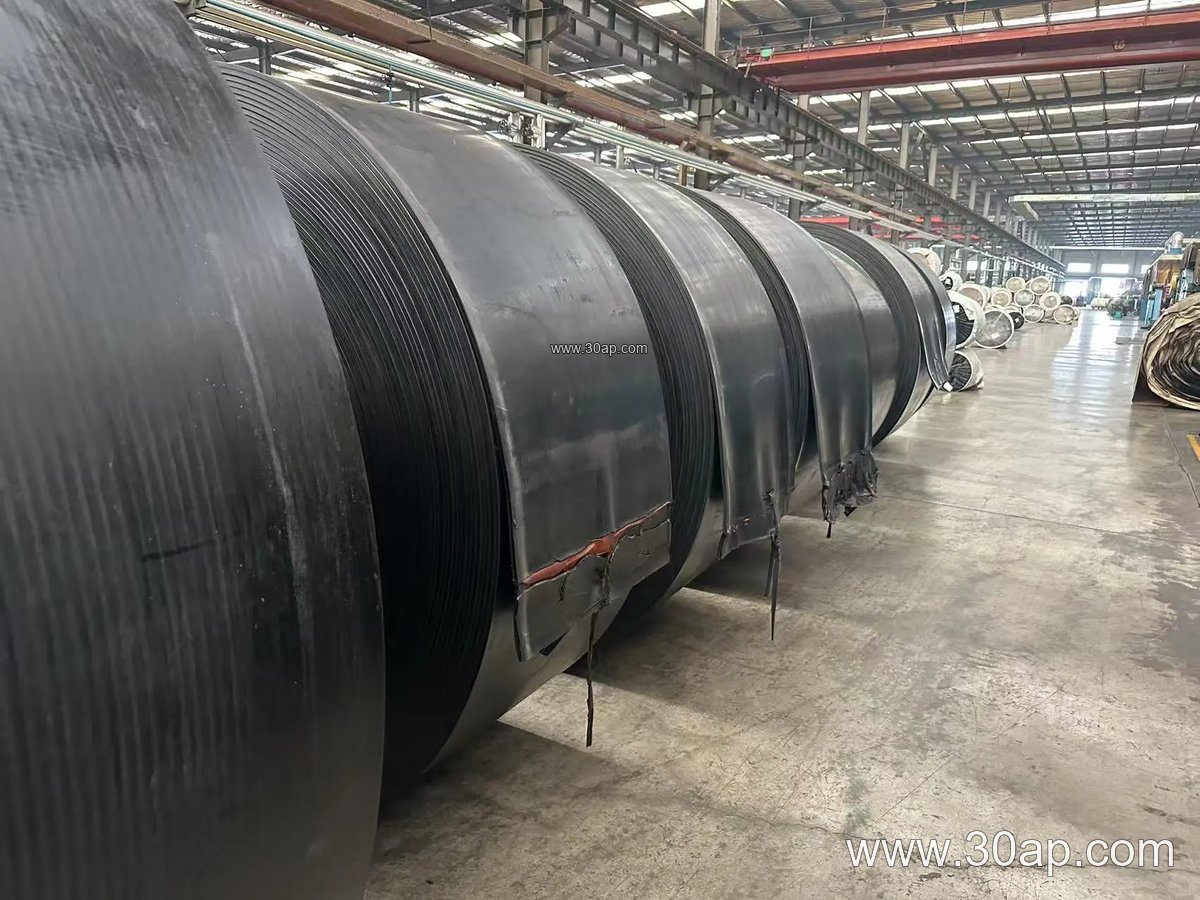
- Storage and handling: keep rolls supported and protected from sunlight, ozone, and moisture until installation.
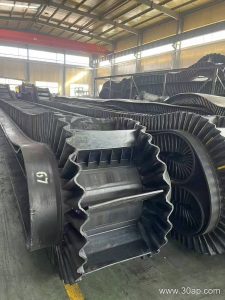
Where impact loading is severe, an impact resistant cover or a cushioning arrangement at the load point can extend service life. Where the route demands steep inclines, a chevron or corrugated sidewall belt may be a better fit, but for straight troughed haulage the NN200 grade remains a solid, widely used option.
For related bulk handling components and belt options, explore our Rubber Conveyor Belt range, our Fabric Core Conveyor Belt selection, and heavy-duty Mining Conveyor Belt solutions. Matching the belt, idlers, and pulleys as one system is the surest way to keep a conveyor running smoothly.