What a Rubber Impact Idler Does
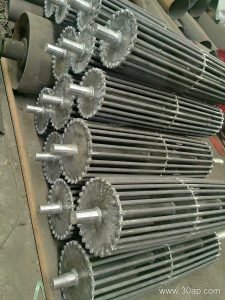
A rubber impact idler is the shock-absorbing roller set placed where material first lands on a conveyor belt. In a quarry, a coal preparation plant, or a crushing and screening line, the drop point is the hardest-working section of the whole conveyor. A rubber impact idler absorbs that energy through rubber rings or a rubber disc surface, protecting both the belt cover and the roller frame from repeated impact.
The product is also called a rubber disc impact roller or rubber-ring buffer idler, and the two names describe the same item. It is a subtype of buffer idler and should not be confused with a troughing idler, a return roller, or a conveyor pulley such as a drive pulley, tail pulley, or bend pulley. Each of those plays a different role in the conveyor system.
How the Roller Is Built
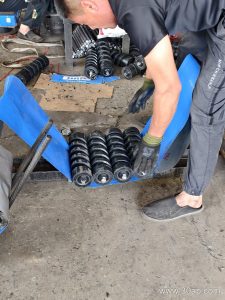
The core is usually a steel tube with a shaft running through it. Rubber rings, discs, or a rubber sleeve are fitted over the shell, and the ends carry sealed bearings. Standard bearing sizes commonly used in this family include 6204, 6205, 6305, 6306, 6308, and 6310, matched to the shaft and load rather than fixed by belt width alone. The rubber layer is the working surface; it cushions lumps, reduces noise, and lowers the peak force transmitted into the frame and conveyor bracket.
Typical construction details include:
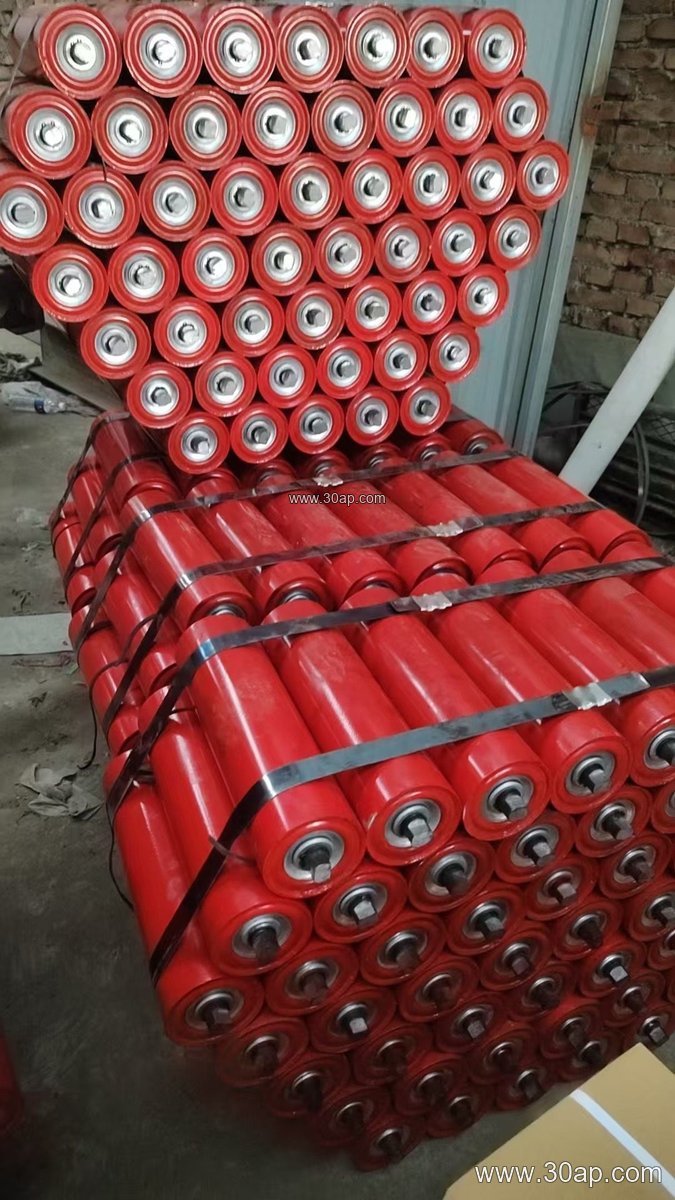
- Steel shell with welded end discs and a through shaft
- Rubber rings or a continuous rubber sleeve, often replaceable
- Labyrinth or contact seals to keep dust out in dry, gritty service
- Greased-for-life or regreasable bearing housings, depending on design
Where It Fits on the Conveyor
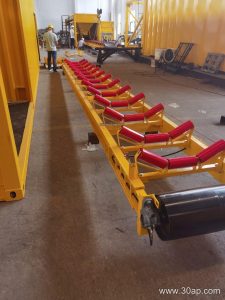
The rubber impact idler belongs at the loading point, directly under the chute or transfer tower. In a limestone mine, iron ore plant, or sand and gravel yard, this is where large lumps hit the belt at speed. A few impact idlers are usually installed in the first few metres after the feed point, with standard troughing idlers continuing downstream.
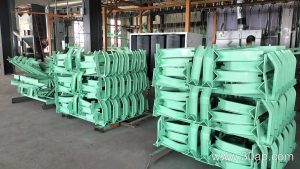
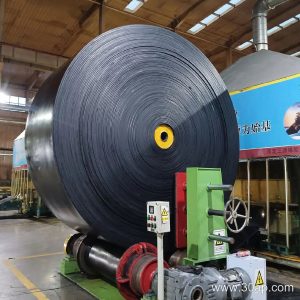
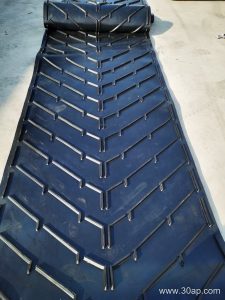
It works together with other components: the conveyor belt carries the load, the idler roller set supports it, the conveyor pulley drives or turns it, and the conveyor bracket holds everything in line. For heavy and abrasive duty, a high abrasion resistant conveyor belt or an impact resistant conveyor belt is often paired with rubber impact idlers at the same station.
Common Sizes and Configurations
Rubber impact idlers are made in the same roller diameter and belt width ranges as other idlers, so they can replace standard positions without changing the frame. Values below are common references, not fixed combinations; final dimensions follow the conveyor design.
| Parameter | Common range or example |
|---|---|
| Roller diameter | Ø89, Ø102, Ø108, Ø127, Ø133, Ø159, Ø178, Ø194, Ø219 mm |
| Belt width | B500, B650, B800, B1000, B1200, B1400, B1600, B1800, B2000 mm |
| Idler set form | Single roll, two-roll, three-roll troughing |
| Trough angle | 20°, 30°, 35°, 45° |
| Roller length (three-roll troughing example) | About 250 mm at B650, 315 mm at B800, 380 mm at B1000, 465 mm at B1200, 530 mm at B1400, 600 mm at B1600 |
| Surface | Rubber rings, rubber discs, rubber sleeve |
Side rollers and centre rollers may differ in length, and the figures above are only a guide. A B1200 conveyor, for instance, does not automatically require one particular shaft diameter; the shaft is chosen from load, span, and bearing size.
Buyer Checklist
When specifying rubber impact idlers for a project, confirm the belt width, the trough angle, the roller diameter, and the bearing size required by the existing frame. Ask how the rubber element is fixed and whether it can be replaced separately from the steel shell. Check the seal type for dusty service in a cement plant or power plant coal yard, and confirm the shaft and bearing match the conveyor bracket.
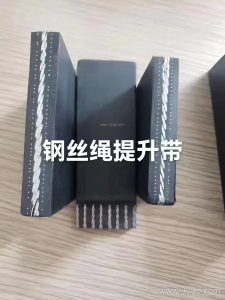
Also consider the material being handled. Sharp ore and rock call for thicker rubber and a robust shell; hot material may need a heat resistant conveyor belt and a different idler specification. For long overland lines, steel cord conveyor belt or EP conveyor belt constructions may run alongside standard idler sets, while flame retardant conveyor belt is common in underground coal mining conveyor systems.
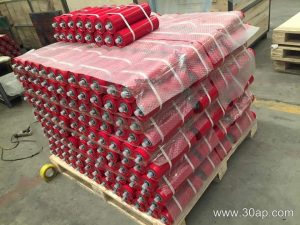
Finally, keep spare rubber rings or complete impact idlers at the loading station. Impact damage is progressive, and early replacement protects the belt, the idler roller, and the conveyor pulley downstream. More idler and belt guidance is available at conveyor idler and conveyor belt resources for plant engineers.