What the Ø108 Conveyor Idler Is and Where It Fits
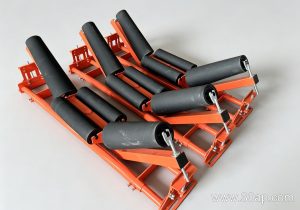
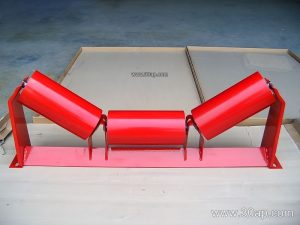
The Ø108 conveyor idler is a carrying or returning roller with a nominal shell diameter of 108 mm, commonly used in belt conveyor systems to support the conveyor belt and keep material moving efficiently. In a typical troughing arrangement, three of these idlers form a 30-degree or 35-degree trough, guiding the belt into a gentle U-shape that prevents spillage. The same 108 mm diameter also appears in flat return idlers, impact idlers at transfer points, and self-aligning idlers on longer runs. This article explains how the roller is built, where it is used, and what buyers should check before ordering.
Construction and Key Components
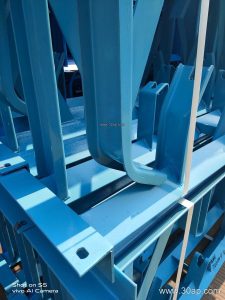
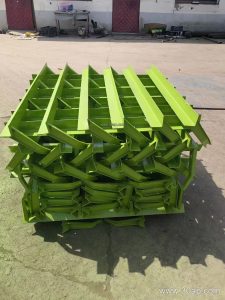
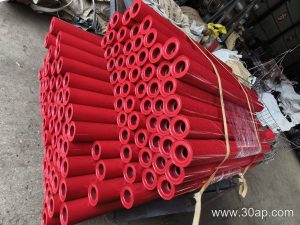
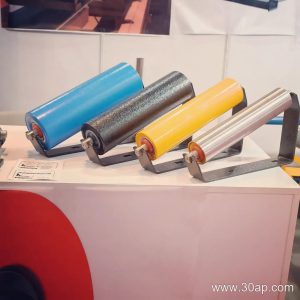
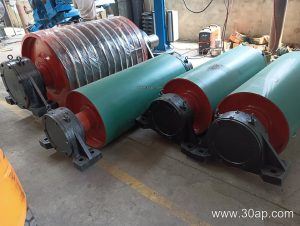
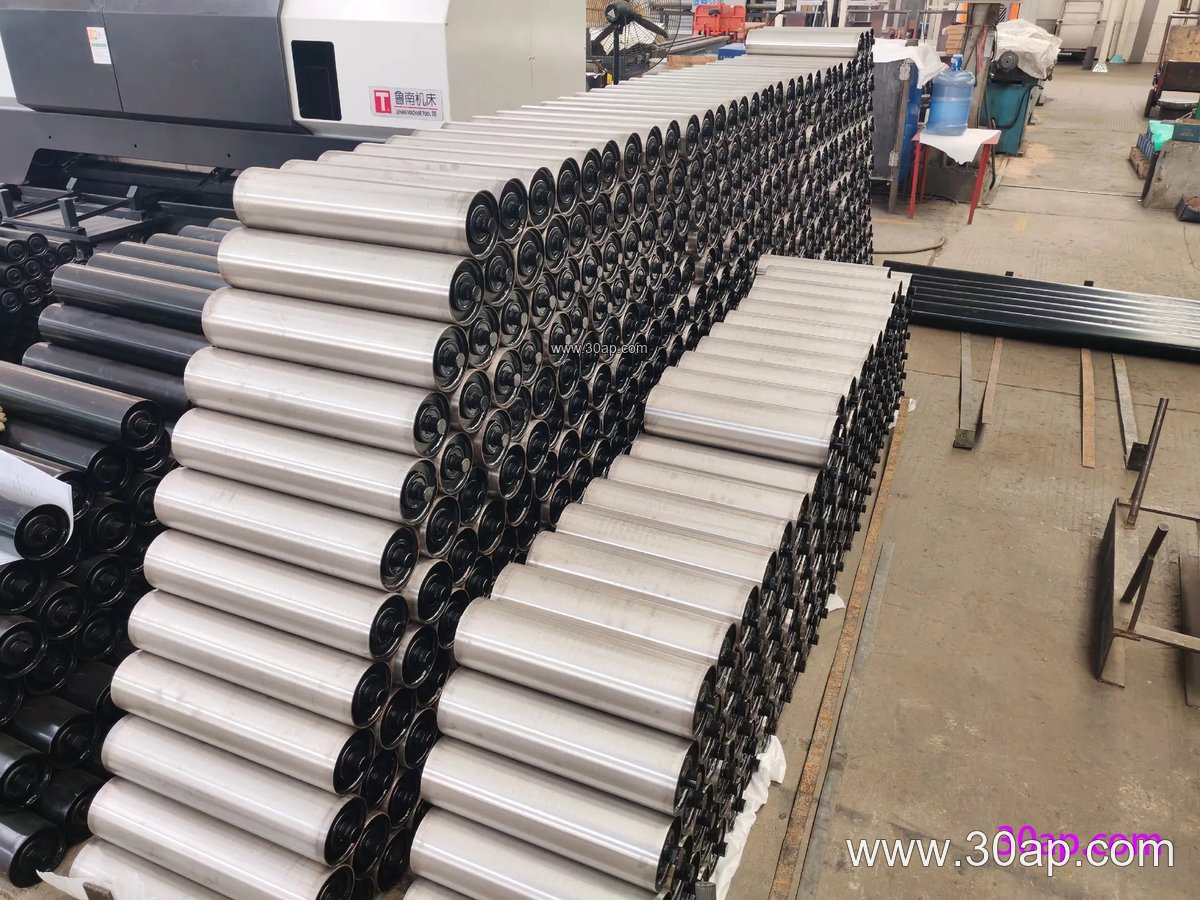
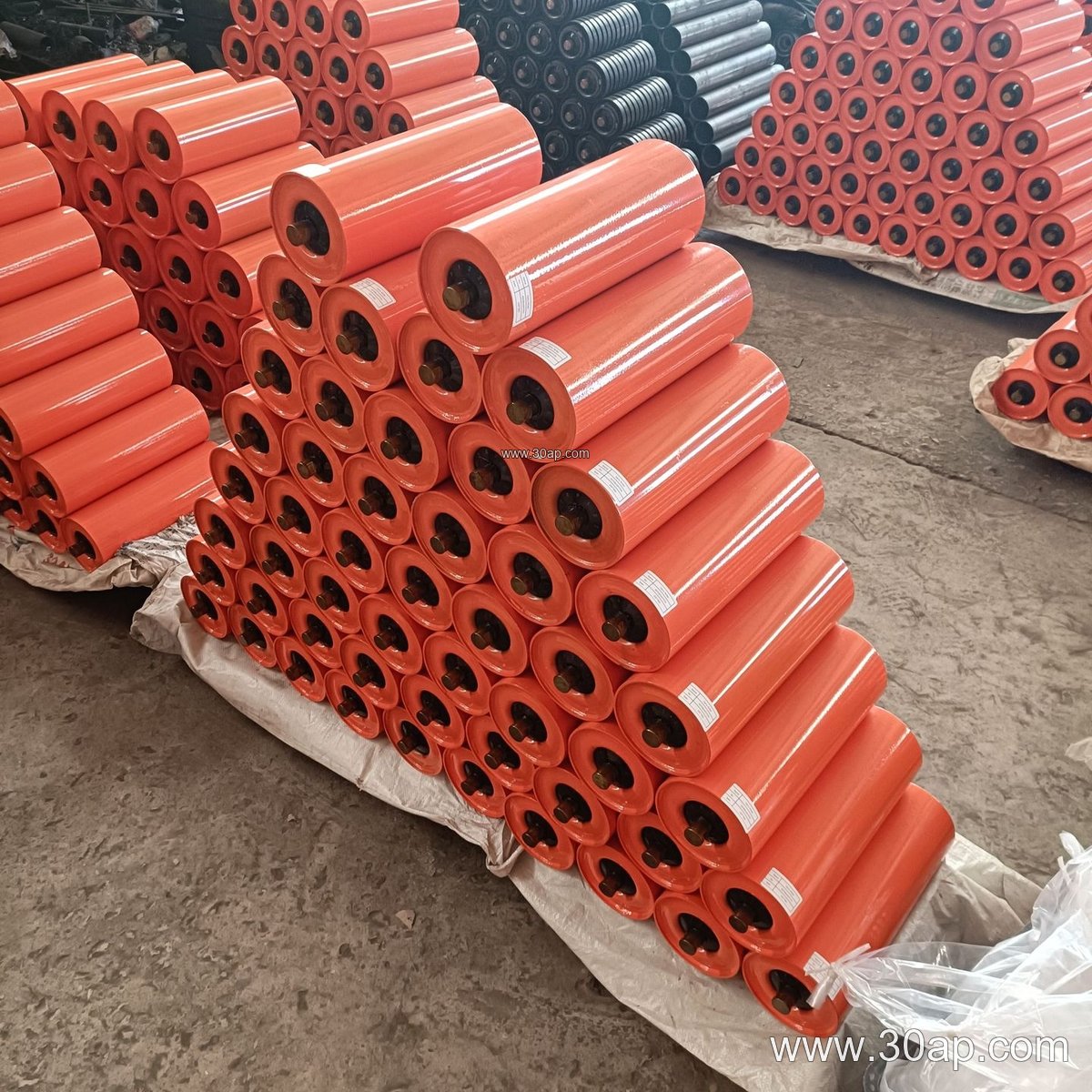
A standard Ø108 conveyor idler consists of a steel tube shell, bearing housings, a shaft, and a sealing system. The shell is often made from seamless or welded steel pipe, machined at both ends to seat the bearings. Common bearing sizes for this roller diameter include 6205, 6305, and 6306, though the final choice depends on load and speed. Sealing is critical in dusty environments such as a quarry or a cement plant, where fine particles can penetrate the bearing cavity. Many designs use a labyrinth seal combined with a grease retention lip. The roller surface may be plain steel, nylon-coated, or fitted with rubber rings for impact absorption. A conveyor bracket or frame holds each idler in place, and the whole assembly works with the conveyor pulley at the head and tail of the system.
Common Applications in Bulk Handling
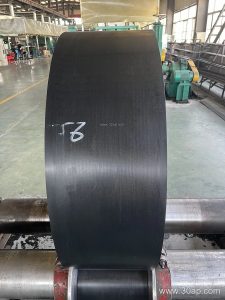
The Ø108 conveyor idler is widely found in sand and gravel lines, crushing and screening plants, and cement production. In a limestone quarry, troughing idlers carry the conveyor belt loaded with crushed rock, while return idlers support the empty belt on its way back. At a power plant coal yard, the same diameter is often used on coal conveying lines where flame retardant conveyor belt and anti-static properties matter. For heavier duties, such as iron ore or copper ore transport, a three-roll troughing set with 108 mm idlers and reinforced bearings can handle the load. The roller also appears in tunnel muck removal and fertilizer handling, where dust and moisture demand reliable sealing. When selecting a roller for a specific site, consider the belt width and the material being carried. For example, a 1000mm wide EP conveyor belt may use a three-roll troughing set with 380 mm roller length, but the exact roller length depends on the trough angle and frame design. Do not assume one belt width dictates a single pulley diameter or shaft size.
Dimensions, Trough Angles and Load Considerations
The 108 mm diameter is one of several standard roller sizes, including 89 mm, 102 mm, 127 mm, and 133 mm. The choice depends on belt width, capacity, and the load per idler. Common trough angles are 20, 30, 35, and 45 degrees; a 35-degree trough is typical for many aggregate and mining applications. Roller length varies with belt width and trough configuration. For reference, common three-roll troughing sets might use a center roller length of about 200 mm for a 500 mm belt, 315 mm for an 800 mm belt, 465 mm for a 1200 mm belt, and 600 mm for a 1600 mm belt. These are examples, not fixed rules. The table below lists typical reference values for the Ø108 conveyor idler when used in three-roll troughing sets. Always confirm the actual dimensions with the conveyor design.
| Belt Width (mm) | Typical Center Roller Length (mm) | Common Trough Angle (degrees) | Typical Bearing Size |
|---|---|---|---|
| 500 | 200 | 30, 35 | 6205, 6305 |
| 650 | 250 | 30, 35 | 6205, 6305 |
| 800 | 315 | 30, 35 | 6305, 6306 |
| 1000 | 380 | 30, 35 | 6306, 6308 |
| 1200 | 465 | 30, 35 | 6306, 6308 |
| 1400 | 530 | 30, 35, 45 | 6308, 6310 |
| 1600 | 600 | 30, 35, 45 | 6308, 6310 |
These figures are for general guidance. Side rollers are often shorter, and impact or transition idlers may differ. The shaft diameter is determined by the load and bearing selection, not by belt width alone.
Buyer Checklist for Ø108 Idlers
- Confirm the required roller length and trough angle for your belt width and frame.
- Specify the bearing size and sealing type suitable for the environment (dust, moisture, temperature).
- Choose the shell material and surface finish: plain steel for general use, rubber rings for impact zones, or nylon for reduced friction.
- Check that the idler shaft and bearing housing match your existing conveyor bracket.
- For coal mining or underground applications, verify flame retardant and anti-static properties of the complete belt system, including the conveyor belt and idler components.
- Consider the conveyor pulley and belt specifications together with the idler selection to ensure smooth operation.
Whether you are upgrading a sand and gravel line or maintaining a cement plant conveyor, the Ø108 conveyor idler offers a balance of load capacity and interchangeability. Buyers should always request dimensional drawings and material certificates from the supplier, and avoid assuming that one roller size fits every conveyor. For specific belt widths, such as 800mm or 1200mm, work with your conveyor designer to select the correct idler length, bearing, and seal for the duty.