What a Five-Roll Idler Bracket Does
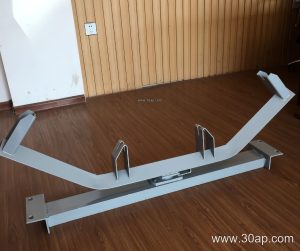
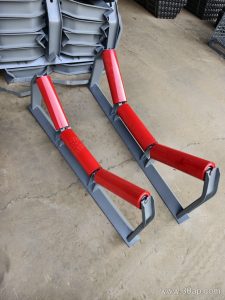
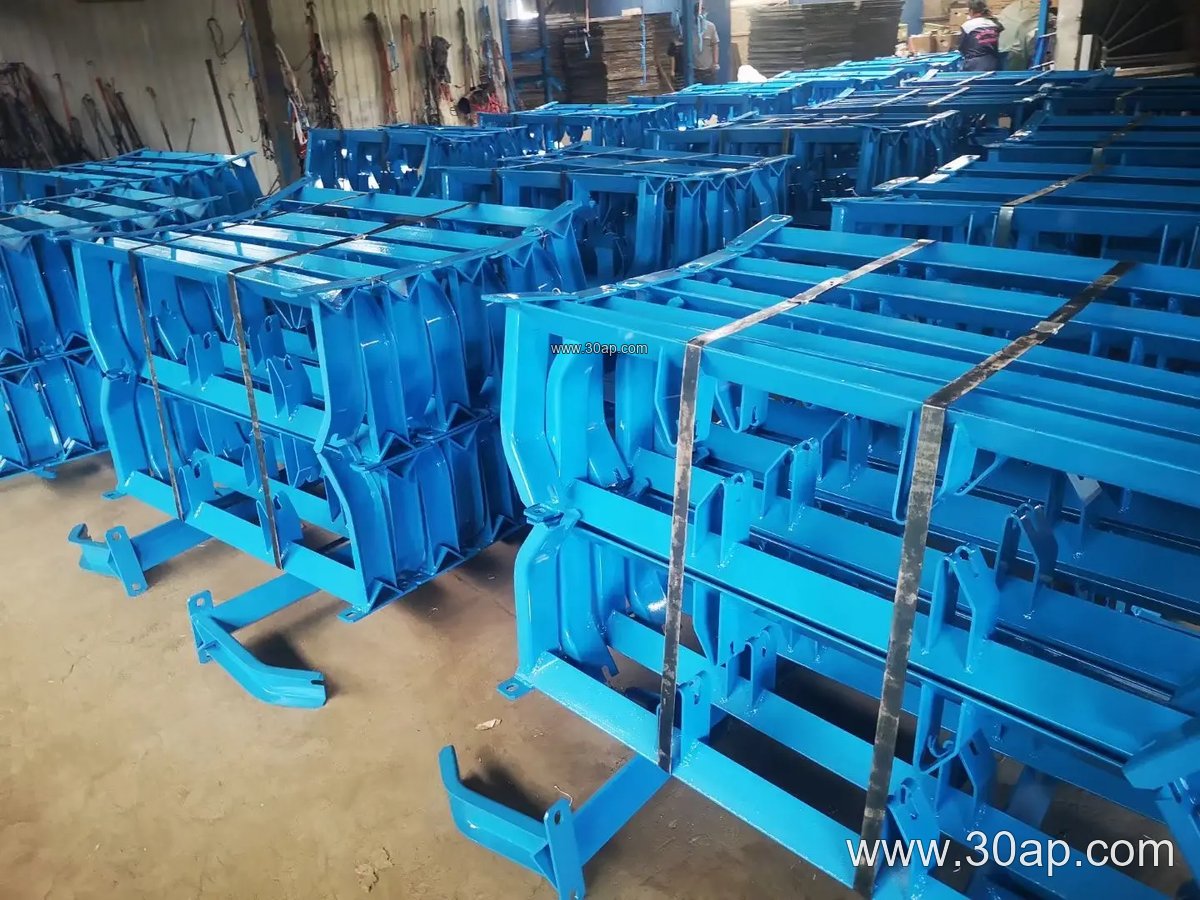
A Five-Roll Idler Bracket is a support frame that carries five idler rollers under a conveyor belt. Unlike the common three-roll troughing set, this bracket uses two extra rolls to shape the belt into a deeper, more gradual trough. The result is better material containment and less spillage on high-capacity lines. In a quarry conveyor or a power plant coal handling system, this bracket helps keep bulk material centered, especially when the conveyor belt is wide and the load is heavy.
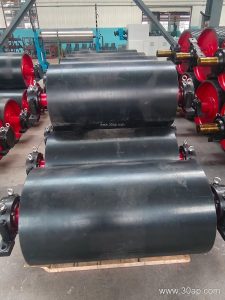
The product is also called a five-roll idler frame or five-roll troughing bracket. These names describe the same assembly. It is not a drive pulley, tail pulley, or bend pulley, and it should not be confused with a return bracket or a self-aligning bracket. Each of those plays a different role along the conveyor.
How the Bracket Is Built
Most five-roll brackets are fabricated from angle steel, channel steel, or folded steel plate. The frame holds five idler rollers in a fixed or adjustable trough angle. Common trough angles are 20, 30, 35, and 45 degrees. Adjustable versions let maintenance crews change the trough profile as belt loading conditions change. Fixed versions are simpler and often chosen where the conveyor runs at a steady load.
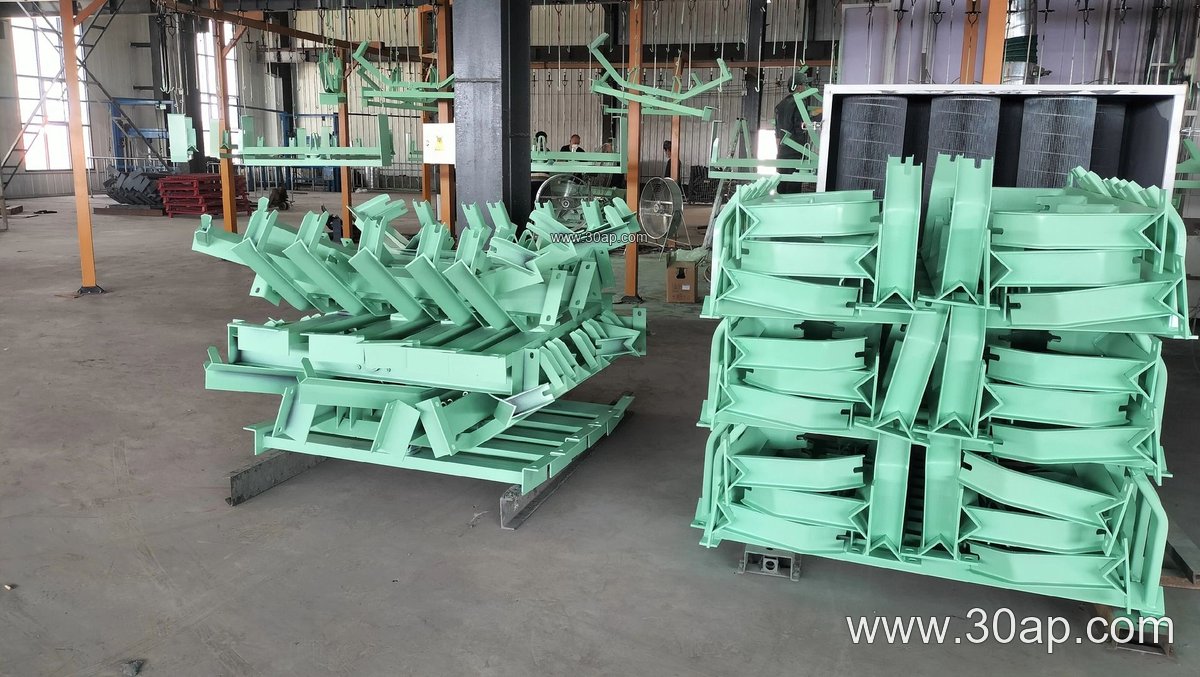
The bracket is designed to match the belt width and roller diameter. Typical belt widths include B500, B650, B800, B1000, B1200, B1400, B1600, B1800, B2000, and B2200. Roller diameters often range from Ø89 to Ø194. A bracket for B800 at 35 degrees with Ø108 rollers is a common reference point, but it is not a universal rule. Mounting hole spacing and crossbeam length vary with belt width and trough angle, so buyers should confirm dimensions with the supplier rather than assume a fixed number.
Common Reference Configurations
| Belt Width | Trough Angle | Roller Diameter | Typical Use |
|---|---|---|---|
| B650 | 30 degrees | Ø89 | Light to medium bulk handling |
| B800 | 35 degrees | Ø108 | Aggregate and sand lines |
| B1000 | 35 degrees | Ø133 | Cement plant and power plant conveyors |
| B1200 | 45 degrees | Ø133 | High-capacity ore and coal transport |
| B1400 | 45 degrees | Ø159 | Heavy-duty mining and port loading |
| B1600 | 35 degrees | Ø194 | Large bulk material conveyor systems |
These values are for reference only. The right combination depends on belt speed, material density, lump size, and the overall conveyor design.
Where Five-Roll Brackets Are Used
Five-roll idler brackets are common in industries that move large volumes of bulk material. In an iron ore or copper ore operation, the deeper trough helps contain heavy, abrasive loads. In a coal mining conveyor or underground mining conveyor, the bracket works with a flame retardant conveyor belt to keep coal centered and reduce spillage. Cement plants use them on clinker and raw meal lines, while power plants rely on them for coal handling.
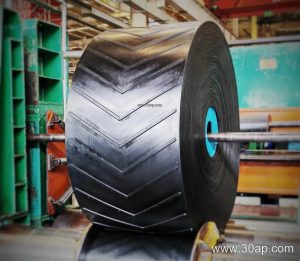
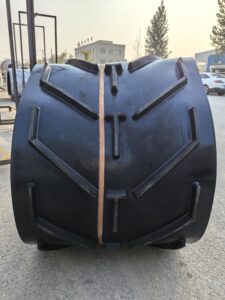
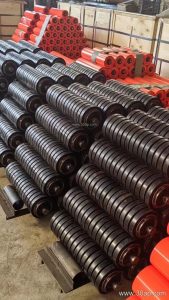
The bracket also suits port conveyor systems, ship loading conveyors, and quarry conveyor lines where wide belts carry crushed rock. On a belt with a corrugated sidewall or chevron pattern, the five-roll frame still supports the belt base, but the cleat height and belt stiffness must be considered during selection. For high-abrasion service, pairing the bracket with an abrasion resistant conveyor belt and quality idler rollers extends service life.
Selection and Maintenance Notes
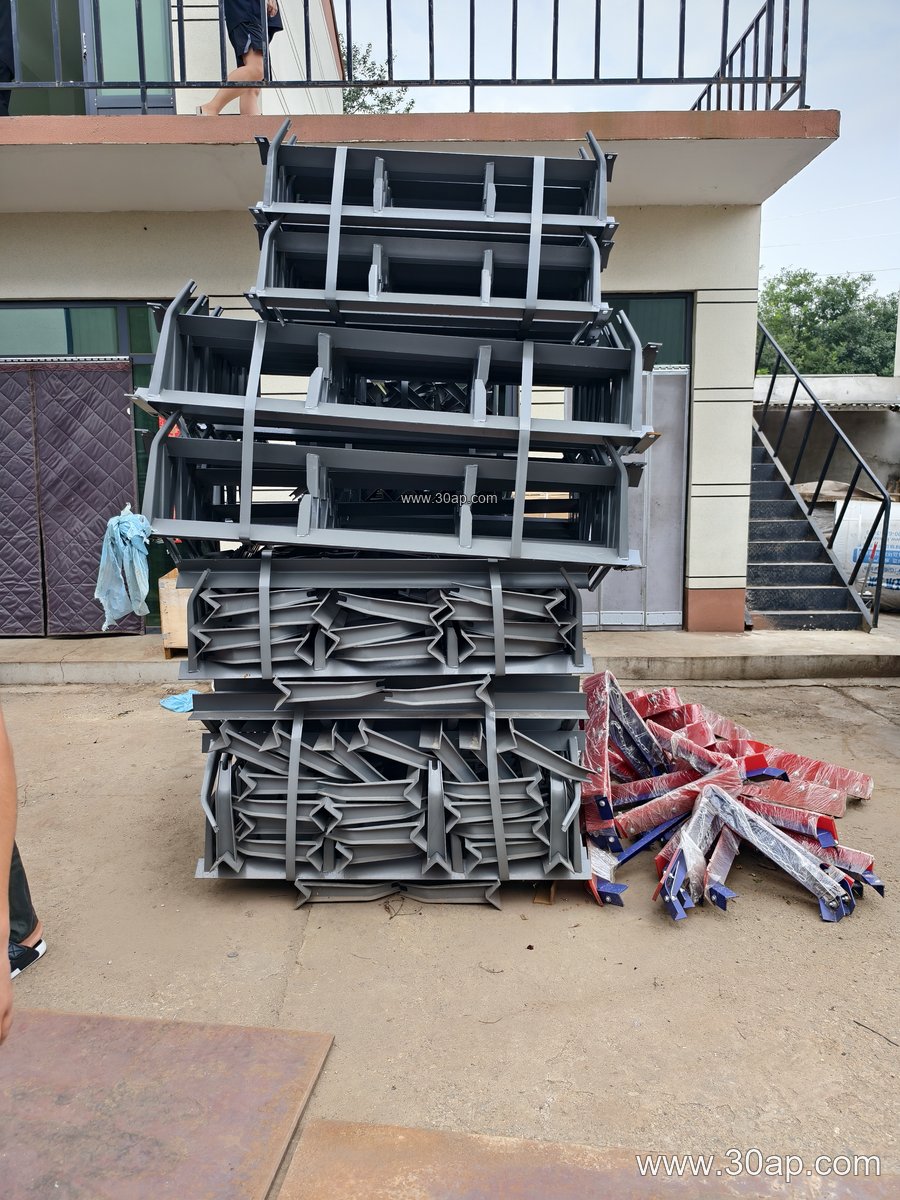
Buyers should confirm three things before ordering: belt width, required trough angle, and roller diameter. Also check the mounting hole pattern on the conveyor stringer. A five-roll bracket that does not match the existing frame will not sit correctly, which can cause belt misalignment and premature roller wear.
During operation, inspect the bracket for loose bolts, bent crossbeams, and worn roller seats. A damaged bracket can allow the conveyor belt to sag or drift, leading to edge damage and material spillage. In dusty environments such as a limestone mine or a crushing and screening plant, regular cleaning around the bracket helps prevent buildup that affects roller rotation.
For conveyors using an EP conveyor belt or a steel cord conveyor belt, the five-roll bracket should be matched to the belt’s stiffness and load profile. A belt that is too stiff for a deep trough may not contact all five rollers evenly, so the trough angle and roller spacing should be reviewed with the conveyor designer.
Buyer Checklist
- Confirm belt width and existing bracket mounting dimensions.
- Choose fixed or adjustable trough angle based on loading conditions.
- Match roller diameter to the idler rollers already in use.
- Check material of construction for the site environment.
- Review spare parts availability for rollers and bracket hardware.
A well-matched five-roll idler bracket supports the conveyor belt, keeps material contained, and helps the whole conveyor system run more smoothly. Whether the site is a sand and gravel line, a fertilizer plant, or a tunnel muck handling system, the bracket should be selected as part of the full conveyor design, not as a standalone item.