Q355 Conveyor Bracket Overview
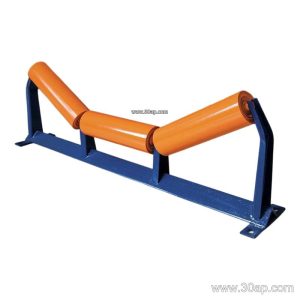
A Q355 Conveyor Bracket is a structural support component that holds idler rollers in the correct position beneath a conveyor belt. In many bulk handling operations, this bracket acts as the link between the idler roller and the conveyor frame. Because Q355 steel offers a good balance of strength and weldability, the bracket can handle the vibration and load that come with moving heavy materials such as ore, coal, clinker, or aggregate. The same product is often called a Q355 steel conveyor idler bracket or a Q355 belt conveyor support bracket.
Whether the line runs in a quarry, a cement plant, or a power plant coal yard, the bracket keeps the roller spacing and angle consistent so the belt tracks properly. It is a modest part by weight, yet it influences belt life, roller life, and the overall smoothness of material flow.
How the Bracket Is Built
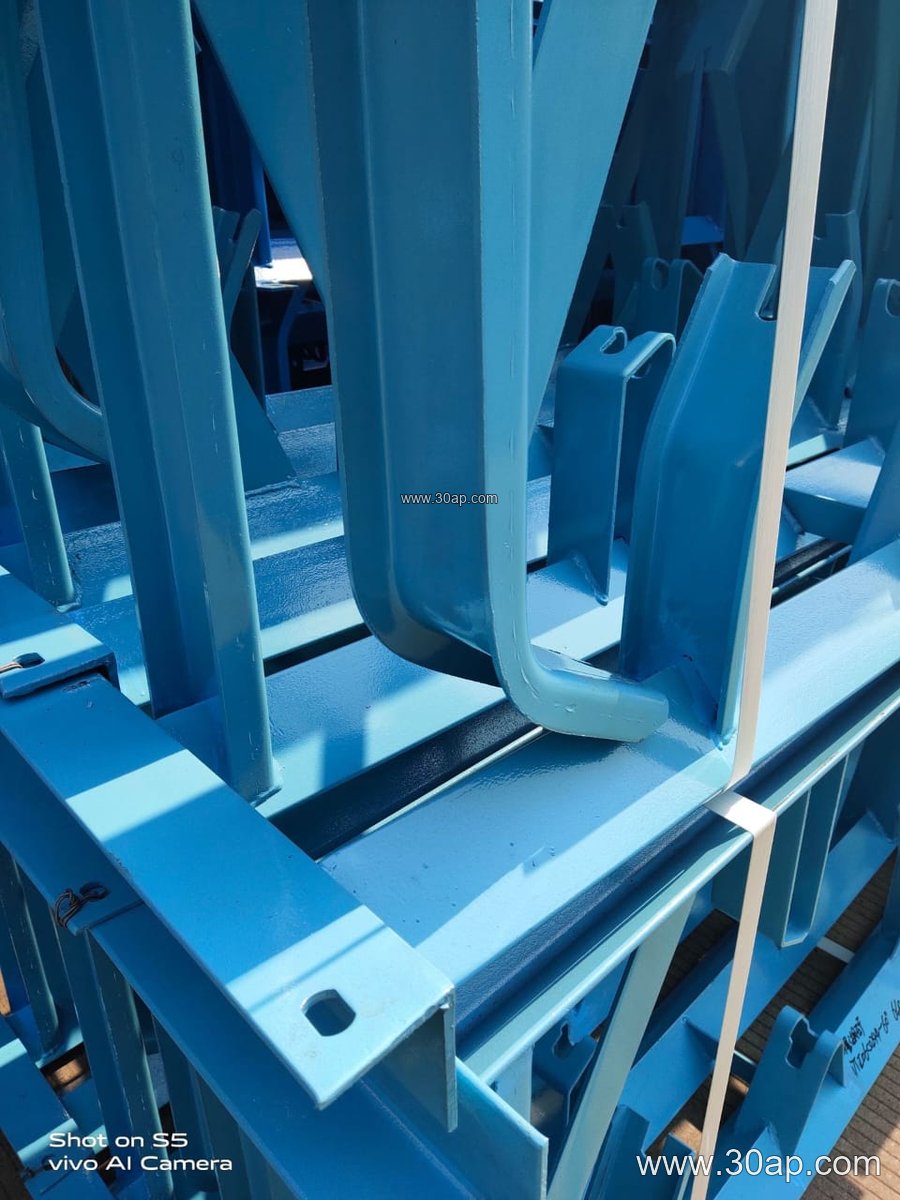
Most Q355 Conveyor Brackets are fabricated from angle steel, channel steel, or folded steel plate. The choice depends on the load case and the mounting method. A typical bracket includes a crossbeam, mounting lugs, and slotted or drilled holes that accept the roller shaft. Welds are usually continuous at load points to resist fatigue.
Because Q355 is a low-alloy structural steel, it provides higher yield strength than common carbon steel. That helps when the bracket must carry several rollers at once, or when it is installed on a wide belt where bending moments are larger. Surface treatment is often painting or galvanizing, depending on the environment.
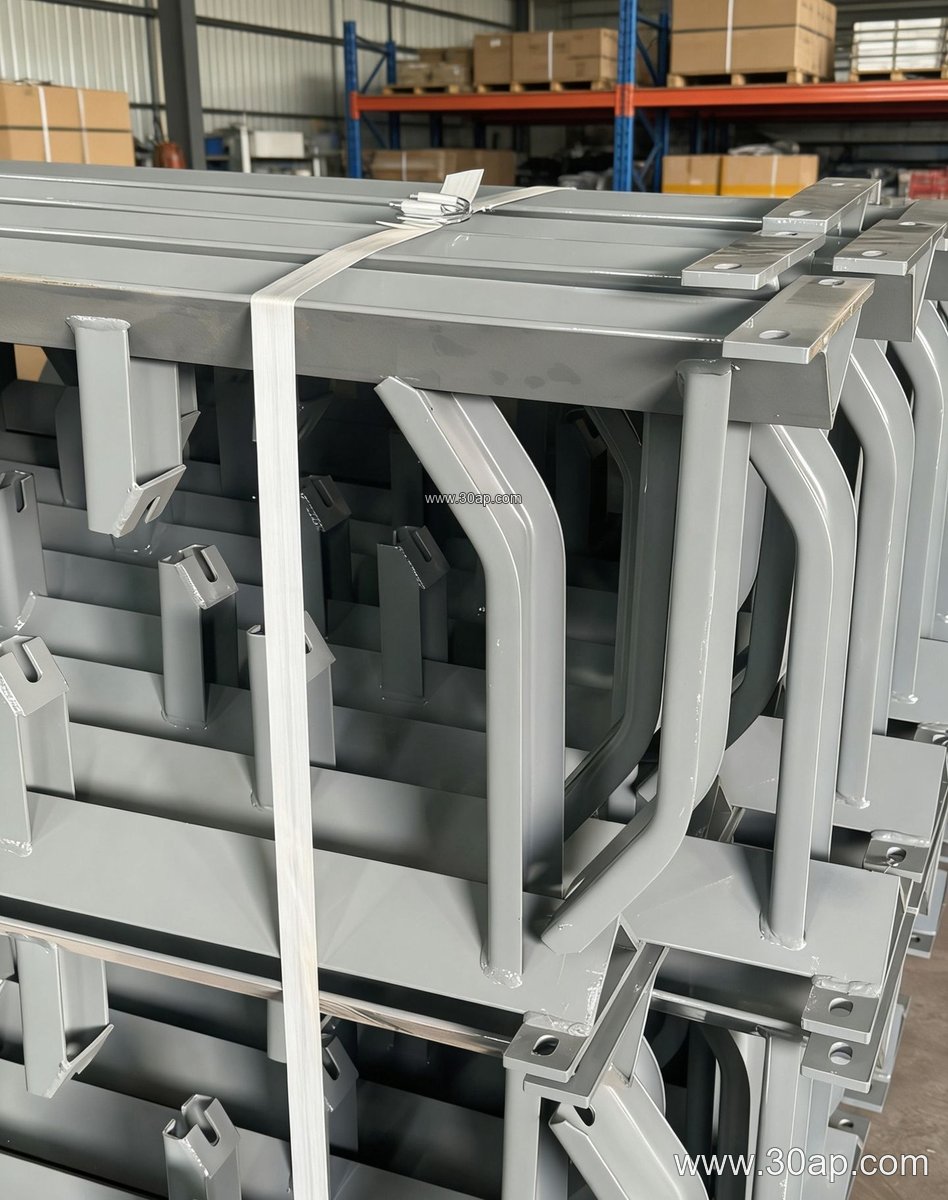
Common Bracket Types and Mounting Positions
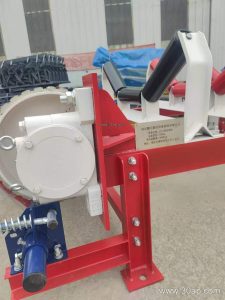
The bracket family covers several positions along the conveyor. Each type has a specific job, and they are not interchangeable with drum pulleys or with each other.
- Troughing bracket: supports the upper carrying rollers in a trough shape.
- Transition bracket: eases the belt from a flat to a troughed profile near the pulleys.
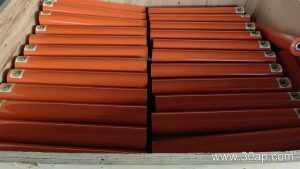
- Return bracket: holds the lower rollers that support the returning belt.
- V-return bracket: supports two rollers in a V arrangement for better belt centering.
- Impact bracket: sits under the loading point and works with impact rollers.
- Self-aligning bracket: allows slight rotation to correct belt tracking.
- Adjustable bracket: lets the user change the trough angle on site.
For comparison, a conveyor pulley at the drive or tail position redirects and tensions the belt, while a Q355 Conveyor Bracket only supports the rollers. The two work together but serve different functions.
Matching Belt Width, Trough Angle, and Roller Diameter
Selection starts with the belt width and the required trough angle. Common belt widths include B500, B650, B800, B1000, B1200, B1400, B1600, and B1800. Trough angles are often 20, 30, 35, or 45 degrees. Roller diameters such as Ø89, Ø108, Ø133, Ø159, and Ø194 are matched to the belt speed and load.
These values are reference points, not fixed pairs. A B800 belt may run with a 35 degree trough and Ø108 rollers, while a B1200 line might use 45 degrees and Ø133 rollers. Mounting hole spacing and crossbeam length usually change with belt width and trough angle, so they are determined by design rather than taken as a fixed number.
| Parameter | Common Reference Range |
|---|---|
| Belt width | B500 to B1800 (wider on request) |
| Trough angle | 20°, 30°, 35°, 45° |
| Roller diameter | Ø89, Ø108, Ø133, Ø159, Ø194 |
| Material | Q355 angle, channel, or folded plate |
| Mounting | Bolted or welded frame connection |
Where It Fits in the System
In a limestone quarry, a Q355 Conveyor Bracket supports the carrying rollers under a crusher discharge belt. In a coal-fired power plant, it keeps the idler roller alignment steady along the coal yard line. The bracket also appears in sand and gravel plants, cement clinker conveyors, and port bulk terminals.
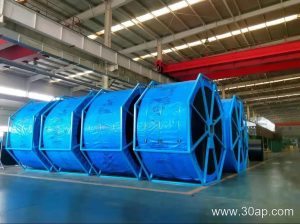
On long overland lines, the bracket spacing and roller quality affect the performance of the conveyor belt itself. A heavy-duty mining conveyor belt or a steel cord conveyor belt may need closer bracket spacing at transfer points. Where dusty or wet conditions exist, a well-aligned bracket helps prevent belt edge damage and reduces spillage.
What Buyers Should Check
Before ordering, confirm the belt width, trough angle, roller diameter, and frame hole pattern. Ask for the steel grade certificate and check that the bracket is truly Q355 rather than a generic carbon steel. Look at weld quality, hole tolerance, and coating. For adjustable versions, verify the angle range. For fixed versions, confirm the exact angle.
Finally, consider the environment. A wash-down area may call for galvanized brackets, while a high-vibration crusher area may need thicker plate. Matching the bracket to the conveyor pulley layout and the roller type keeps the whole conveyor stable and efficient.