What an Aggregate Conveyor Belt Does
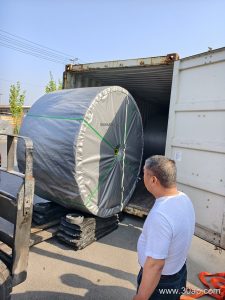
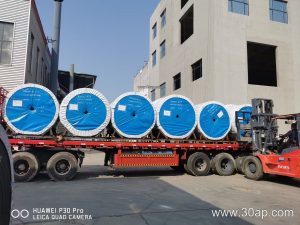
An aggregate conveyor belt is the load-carrying element that moves crushed stone, sand, gravel and screened rock between a crusher, screen deck, stockpile and loadout point. In a quarry or sand and gravel pit, the belt is exposed to sharp-edged material, impact at transfer points, dust and frequent starts under load. That combination makes the cover compound and the carcass construction more important than the belt’s appearance. The same product is often called a rock conveyor belt or a crusher conveyor belt, and in cement plants, power plants and port terminals it handles similar bulk material under comparable strain.
Construction of the Belt
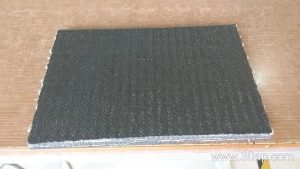
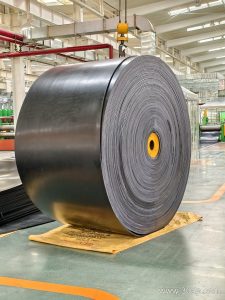
Most aggregate duty belts are fabric-cored. An EP conveyor belt uses polyester warp and nylon weft, giving low stretch and good troughability. An NN conveyor belt uses nylon in both directions and offers high flexibility with slightly higher elongation. Multi-ply fabric core conveyor belt designs with two to six plies are common for medium and long conveyor runs. Where tonnage and lift are very high, a steel cord conveyor belt may be chosen instead, though most quarry conveyors stay with fabric cores for easier splicing and repair.
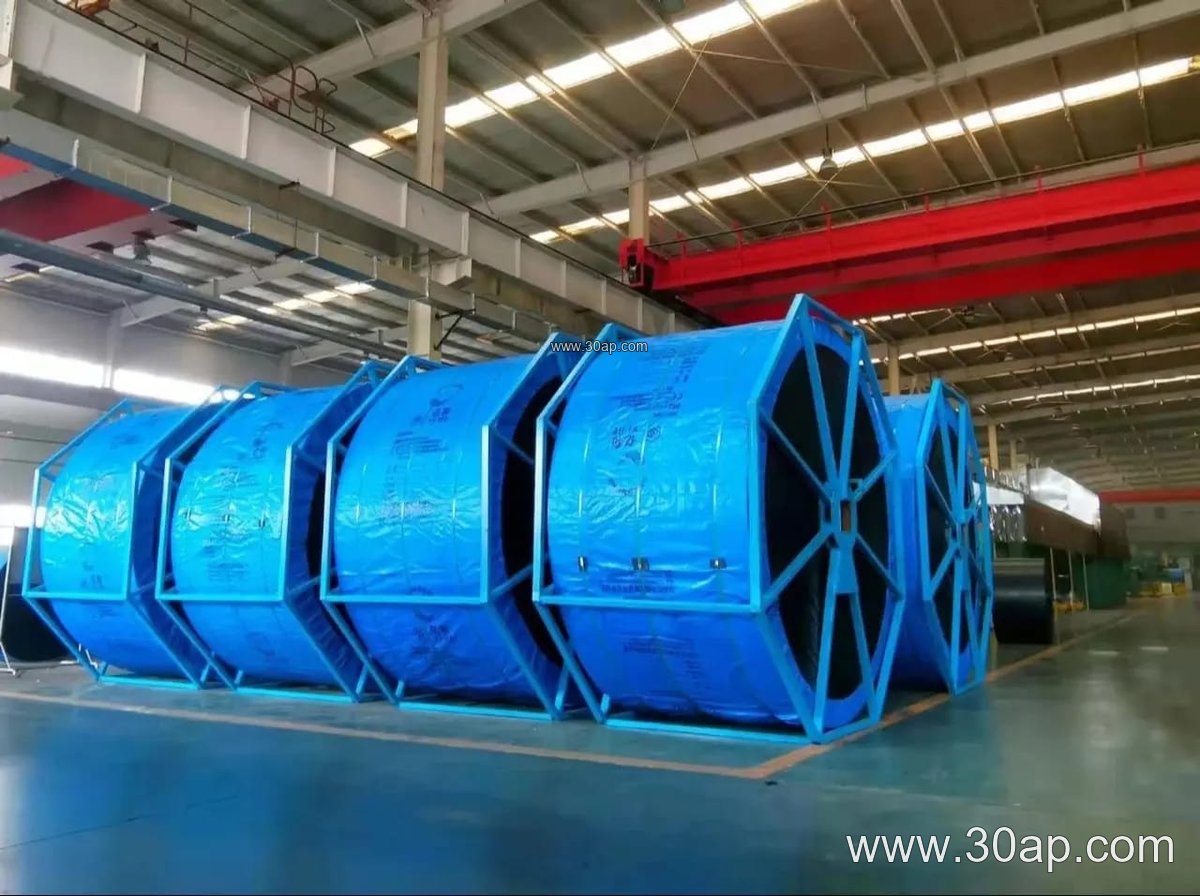
The top cover is usually an abrasion resistant conveyor belt compound, often 4+2 mm or 5+2 mm, with 6+2 mm and 8+3 mm used at heavy impact points. The bottom cover is thinner. Edge construction, splice type and cover grade should be specified together, because a good cover on a weak carcass still fails early.
Typical Specifications
Values below are common reference ranges, not fixed supply promises. Final figures are confirmed by design for each conveyor.
| Item | Common Options | Notes |
|---|---|---|
| Fabric core type | EP200, EP315, EP400, EP500, EP630, EP800, EP1000, EP1250 | Higher grades for longer runs and higher tension |
| Nylon core type | NN100, NN200, NN300, NN400 | Flexible, suited to smaller pulleys |
| Belt width | B500, B650, B800, B1000, B1200, B1400, B1600, B1800, B2000 | Width follows tonnage and lump size |
| Cover thickness | 3+1.5, 4+2, 5+2, 6+2, 8+3 mm | Thicker top cover at impact zones |
| Ply count | 2 to 6 plies | Matched to tension and pulley diameters |
| Special grades | Heat resistant, oil resistant, flame retardant, anti-static, cold resistant | Selected by site conditions |
Belt width and pulley diameter are matched by conveyor design, not by a single fixed rule, so a 1000mm belt may run on different pulley sizes in different plants.
Where It Is Used
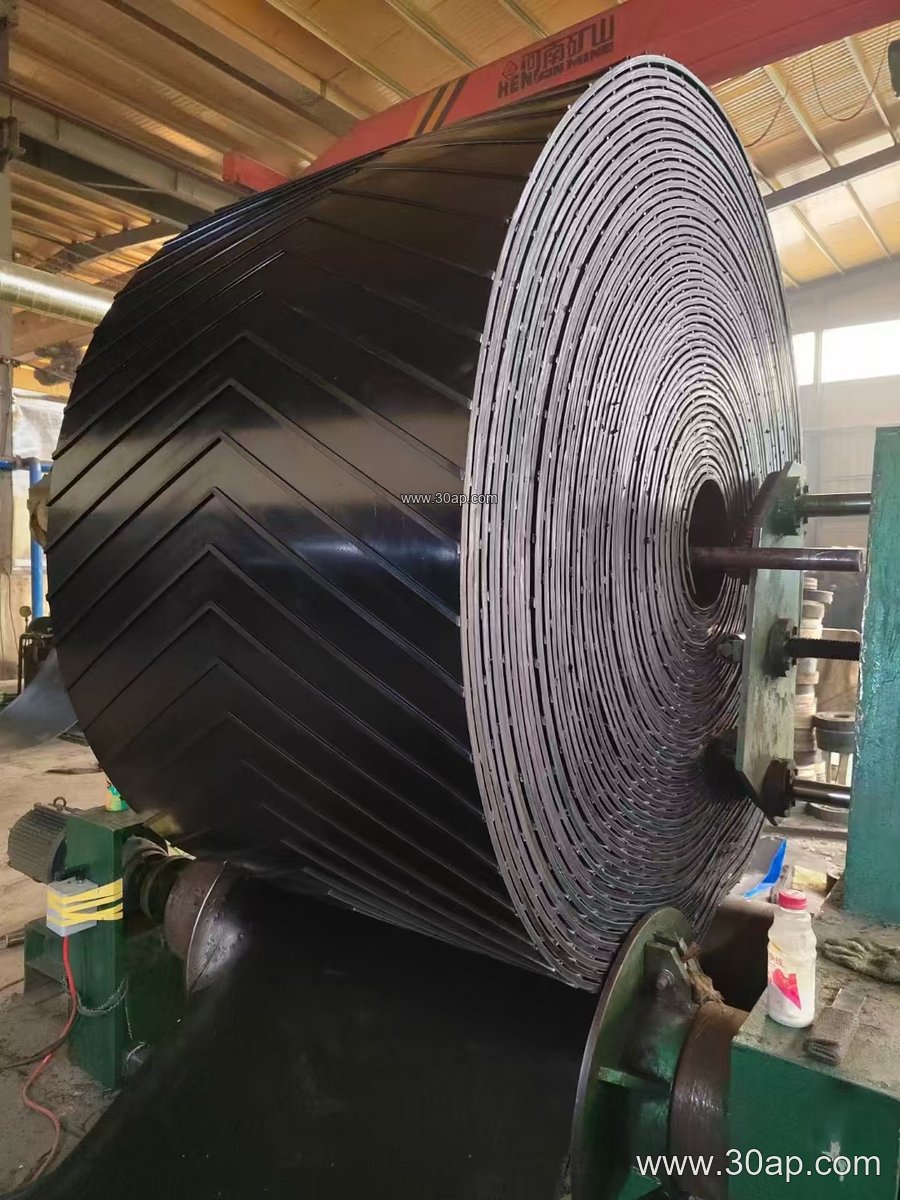
Besides quarries, this belt appears in cement plants feeding clinker and limestone, in coal preparation and underground coal mining conveyor systems where flame retardant conveyor belt grades are required, in power plant coal yards, and in port ship loading lines. A chevron conveyor belt or corrugated sidewall conveyor belt is sometimes selected for steep inclines inside the same plant, but those are separate designs with different profiles and should not be treated as substitutes for a flat aggregate belt.
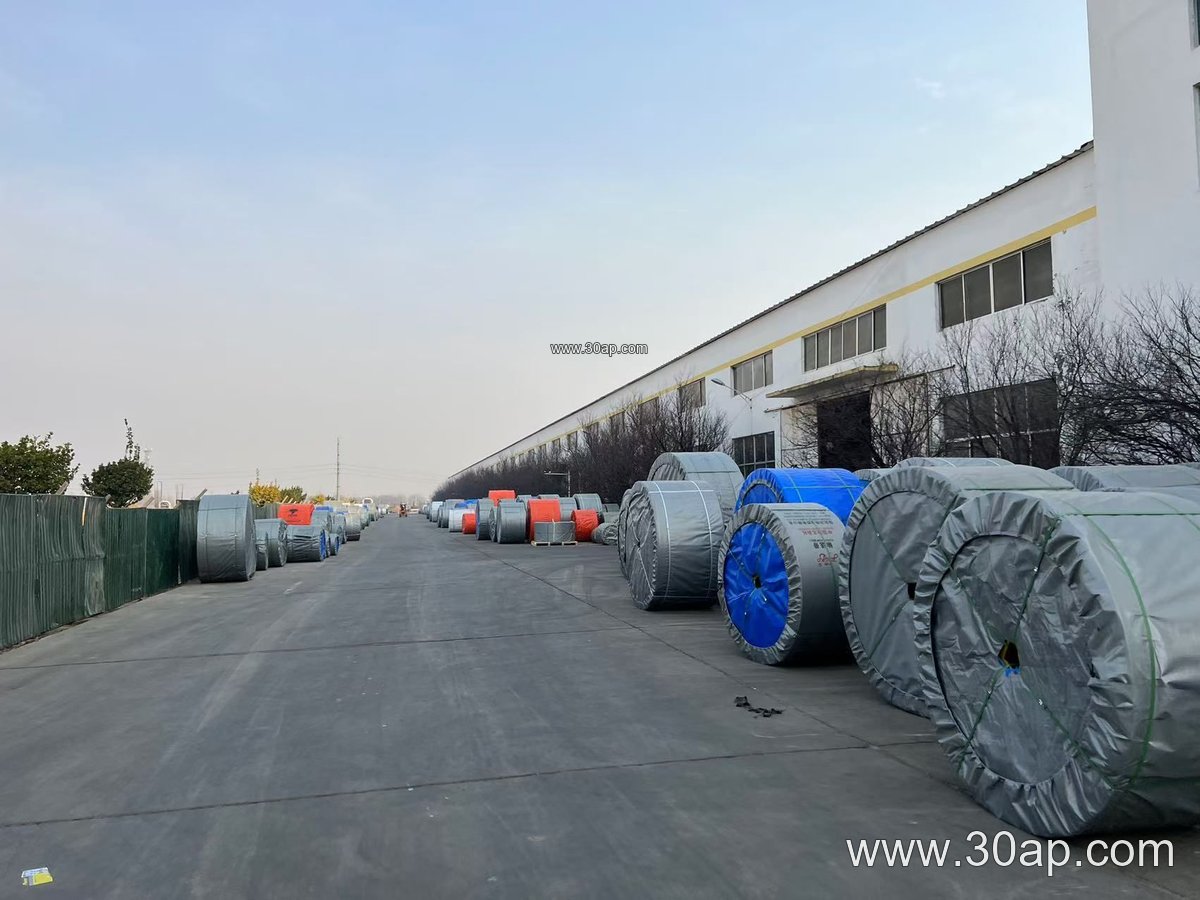
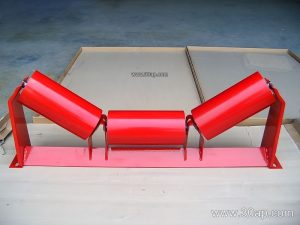
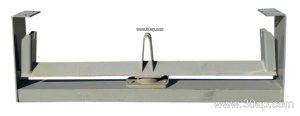
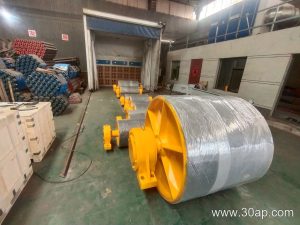
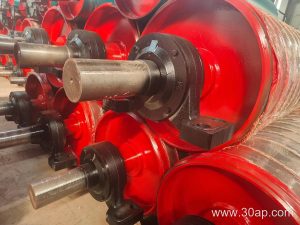
Supporting hardware matters as much as the belt. Troughed idler roller sets shape the load, conveyor pulley assemblies at head and tail transfer the drive force, and conveyor bracket frames keep alignment stable. A poorly aligned frame shortens belt life faster than most cover wear.
Buyer Checklist
- State the material, lump size, tonnage per hour and conveyor length.
- Confirm the required cover grade, for example abrasion resistant, heat resistant or flame retardant.
- Give the pulley diameters and trough angle so the carcass can be matched.
- Decide the splice method and whether an endless conveyor belt is preferred for a permanent installation.
- Check that the selected width suits both the chute opening and the existing frame.
For buyers sourcing from China, a clear specification sheet with core type, ply count, cover thickness and width avoids most order disputes. Visit www.beltconveyorsystem.com for related conveyor belt, idler roller and conveyor pulley references when preparing a comparison.