What Makes a Conveyor Belt Heavy-Duty
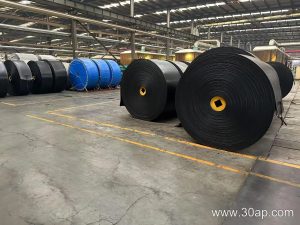
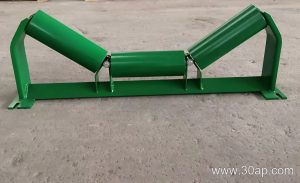
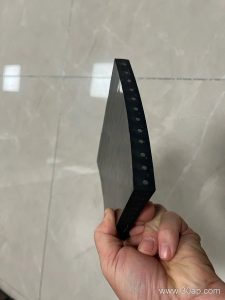
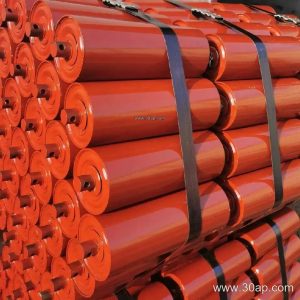
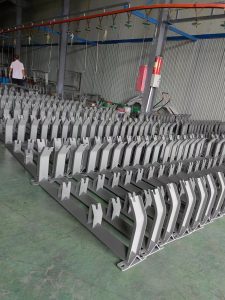
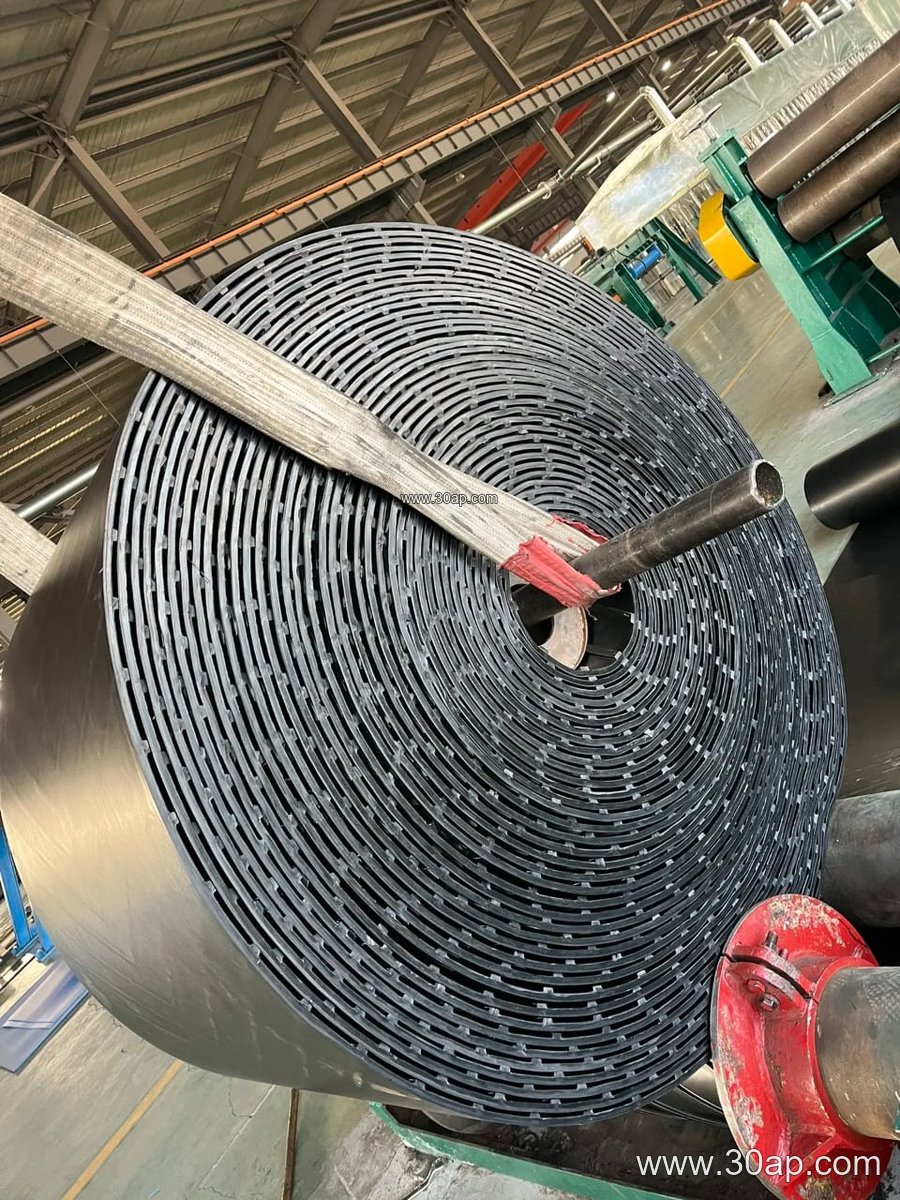
A heavy-duty conveyor belt is a reinforced rubber belt engineered for continuous transport of abrasive, heavy or high-impact bulk materials. It is the load-bearing element of a conveyor system, running over idler rollers and wrapping around the head, tail and bend pulleys, with the whole assembly held by conveyor brackets and frames. In mines, quarries, cement works, power plants and port terminals, this belt class is chosen where standard belting would wear through too quickly or fail under shock loading.
Construction and Core Options
The strength of a heavy-duty belt comes from its carcass. Fabric core designs use multiple plies of EP (polyester-cotton) or NN (nylon-nylon) fabric, while steel cord types embed brass-plated wires for very long runs and high tension. Cover compounds are selected for the duty: abrasion resistant rubber for rock and ore, heat resistant grades near clinker or sinter, flame retardant and anti-static versions for underground coal mining, and oil or chemical resistant covers where exposure demands it.
Typical Reference Data
| Property | Common Range (reference only) |
|---|---|
| Fabric core types | EP200, EP315, EP400, EP500, EP630, EP800, EP1000, EP1250, EP1600, EP2000 |
| Steel cord grades | ST1000 to ST3150 class |
| Belt width | B500, B650, B800, B1000, B1200, B1400, B1600, B1800, B2000 |
| Cover thickness | 3+1.5, 4+2, 5+2, 6+2, 8+3 mm |
| Ply count | 2 to 6 layers, depending on design |
These values illustrate the range available; final specifications are confirmed by the belt designer against the conveyor profile, capacity and material characteristics.
Where Heavy-Duty Belting Is Used
Mining conveyor belts carry run-of-mine ore and waste rock, often on steep inclines. Coal mining conveyor belts in underground operations typically require flame retardant and anti-static properties, such as PVG or PVC solid-woven constructions. Cement plants move limestone, clinker and additives; power plants handle coal and ash; sand and gravel plants feed crushers and screens. Port and ship-loading conveyors use wide belts, sometimes 1800mm or 2000mm, to move bulk cargo at high rates.
Special Profiles and Surface Forms
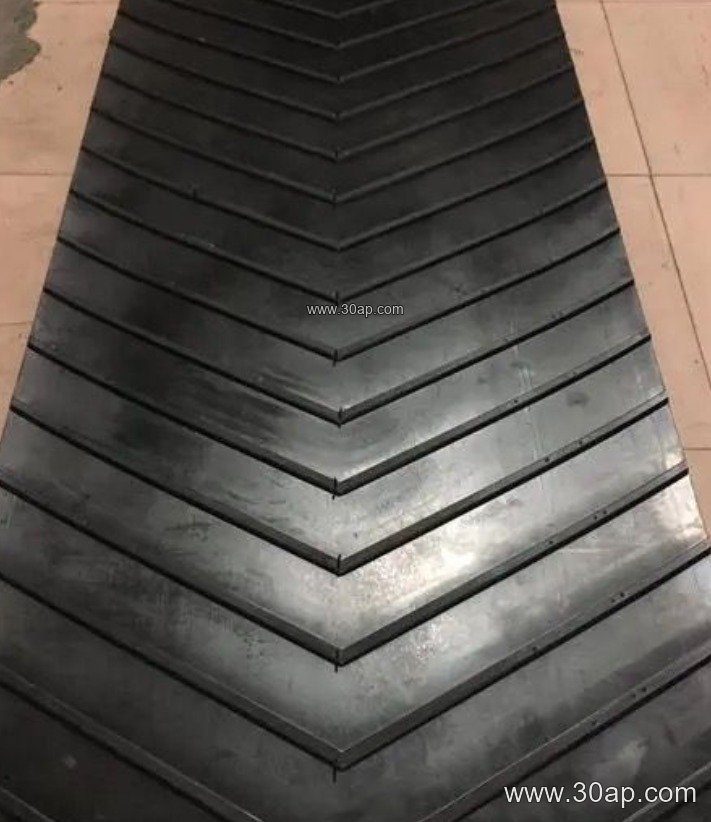
Where material would slide back on an incline, a chevron conveyor belt with raised ribs provides grip. Corrugated sidewall belts with cleats contain material on steep or vertical sections, and pipe conveyor belts enclose the load to reduce spillage and dust. These are variants of the same heavy-duty platform, chosen for the geometry of the route rather than as substitutes for the flat belt.
Buyer Checklist
- Match carcass strength to the maximum operating tension, not just average load.
- Select the cover grade for the dominant wear mode: abrasion, heat, oil, or impact.
- Confirm belt width against the conveyor’s existing pulleys and idler roller spacing; width and pulley diameter are separate design decisions.
- Check splice method and whether an endless conveyor belt is required for the application.
- Review ambient conditions: cold resistant grades for winter operations, heat resistant grades near hot material transfer points.
- Ask for the manufacturer’s data sheet for the specific grade rather than relying on generic tables.
Regular inspection of the belt edges, splices and tracking helps prevent premature failure. Worn idler rollers or misaligned conveyor pulleys can damage even a high abrasion resistant belt, so maintenance of the whole conveyor line matters as much as the belt specification itself.
Matching Belt to System
A heavy-duty conveyor belt is only one part of the material handling chain. Drive, tail and bend pulleys each perform distinct roles and are not interchangeable; the same applies to carrying and return idler rollers. When specifying a replacement, record the existing belt’s width, ply or cord construction, cover thickness and splice type, then verify these against the conveyor design. For assistance with heavy-duty belt selection for mining, quarry or plant conveyors, contact our engineering team.