What a Self-Cleaning Idler Does
In a quarry or a limestone mine, the conveyor belt often carries damp, clay-rich material that clings to idler surfaces. A self-cleaning idler is designed so that fines and moisture fall away instead of building up on the roller. This keeps the belt tracking steady, reduces drag, and cuts the labor needed for manual scraping. The self-cleaning idler is not a single fixed shape; it is a family of return-side and load-side rollers built with spiral, disc, or comb profiles that shed material as they turn.
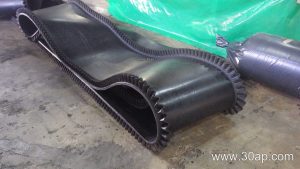
When specifying a self-cleaning idler, buyers should also look at the conveyor belt it will support. A heavy-duty mining conveyor belt may need a more robust return roller, while a chevron conveyor belt or corrugated sidewall conveyor belt can interfere with certain spiral profiles. The idler must match the belt surface and the material being handled.
How the Roller Sheds Material
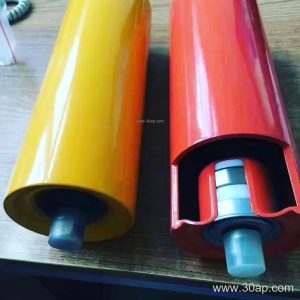
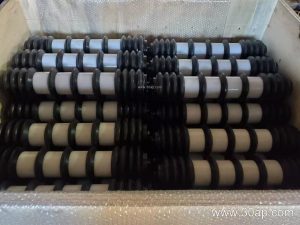
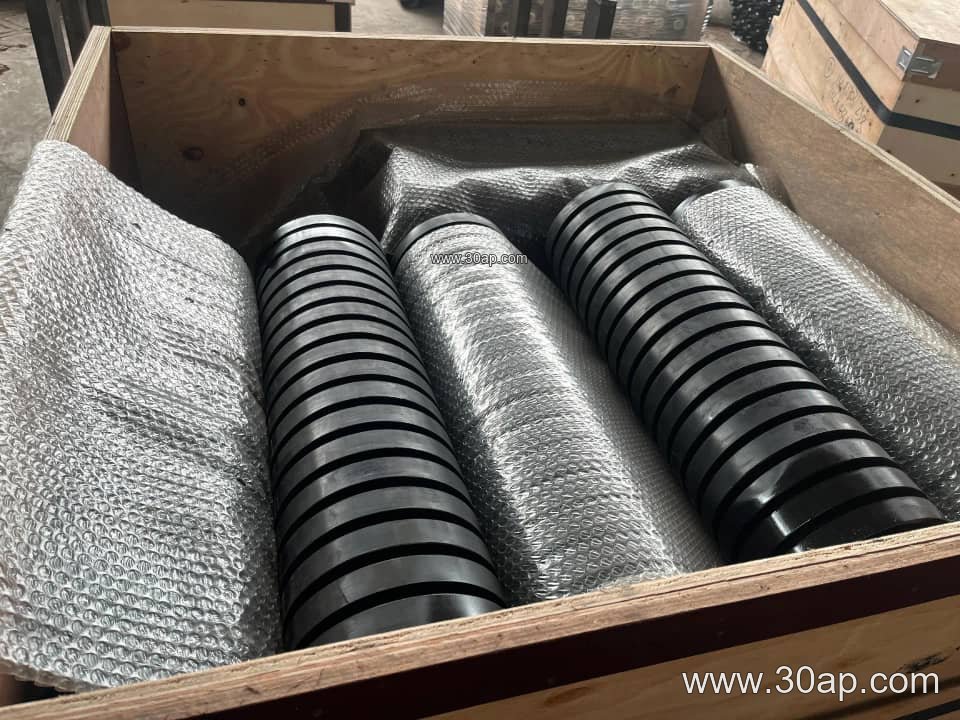
The most common self-cleaning idler uses a spiral steel or rubber helix on the roller face. As the idler roller spins, the spiral pushes sticky fines toward one end and off the shell. Some designs use staggered rubber discs or a comb-like cage that lets lumps drop through instead of compacting. The bearing housing is usually sealed to keep out water and grit, which is important in wash-down areas or tunnel muck removal.
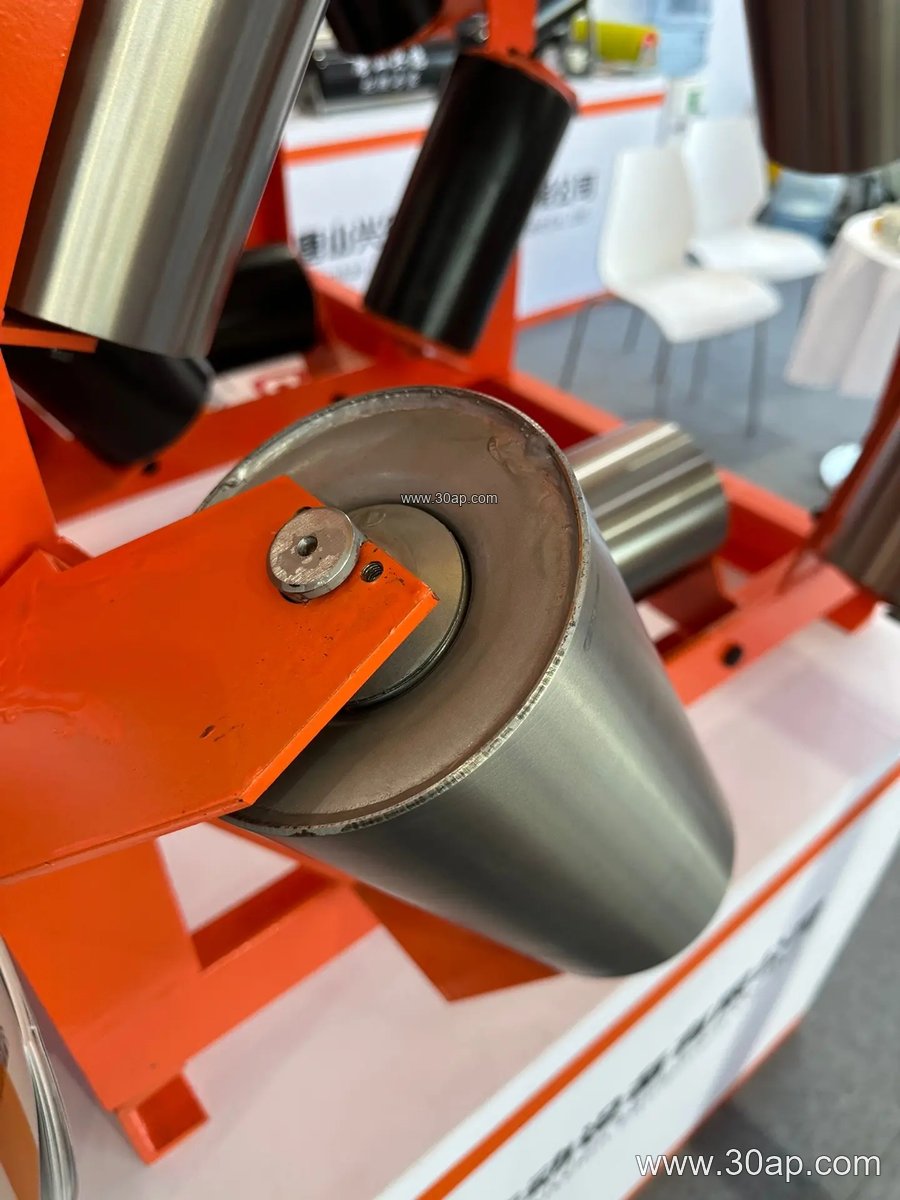
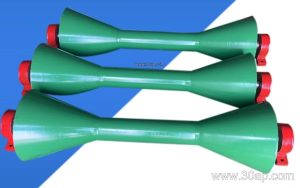
These idlers are often placed on the return strand, where a plain flat return roller can quickly wrap with mud. A V-type return idler may still be used for belt training, but the spiral self-cleaning idler handles the carryback. On the load side, a rubber disc impact idler can be paired at transfer points, but the self-cleaning spiral remains the main subject for sticky fines.
Where It Fits in the Conveyor Line
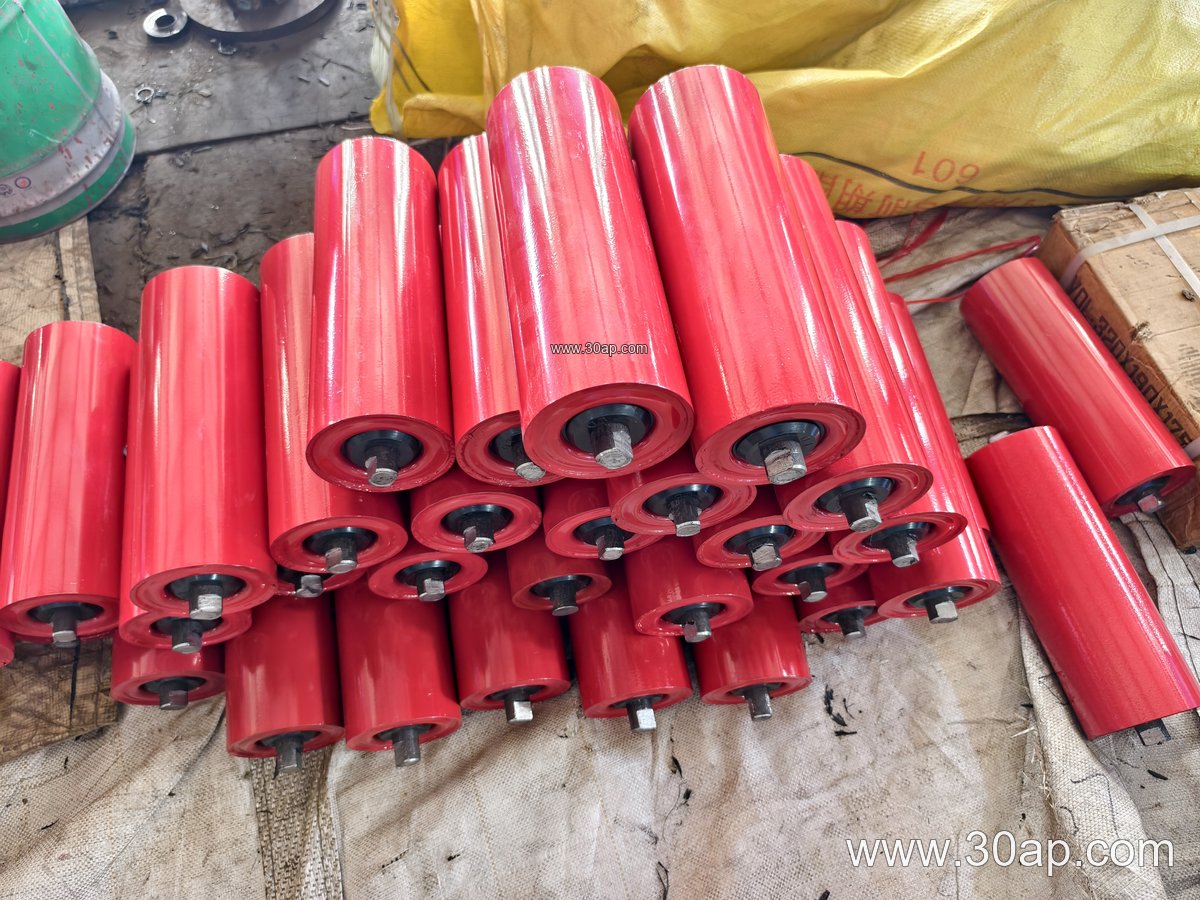
Self-cleaning idlers are common in sand and gravel plants, cement raw-material handling, and power-plant coal yards where moisture varies. In a coal preparation plant, a self-cleaning return idler helps prevent wet coal fines from wrapping the roller. In a fertilizer or grain terminal, the same principle reduces buildup without using water. The idler works with the conveyor bracket and frame, so the mounting dimensions must be checked against the existing structure.
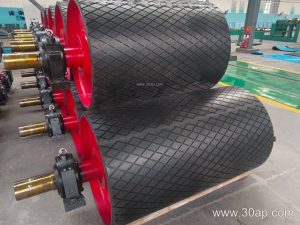
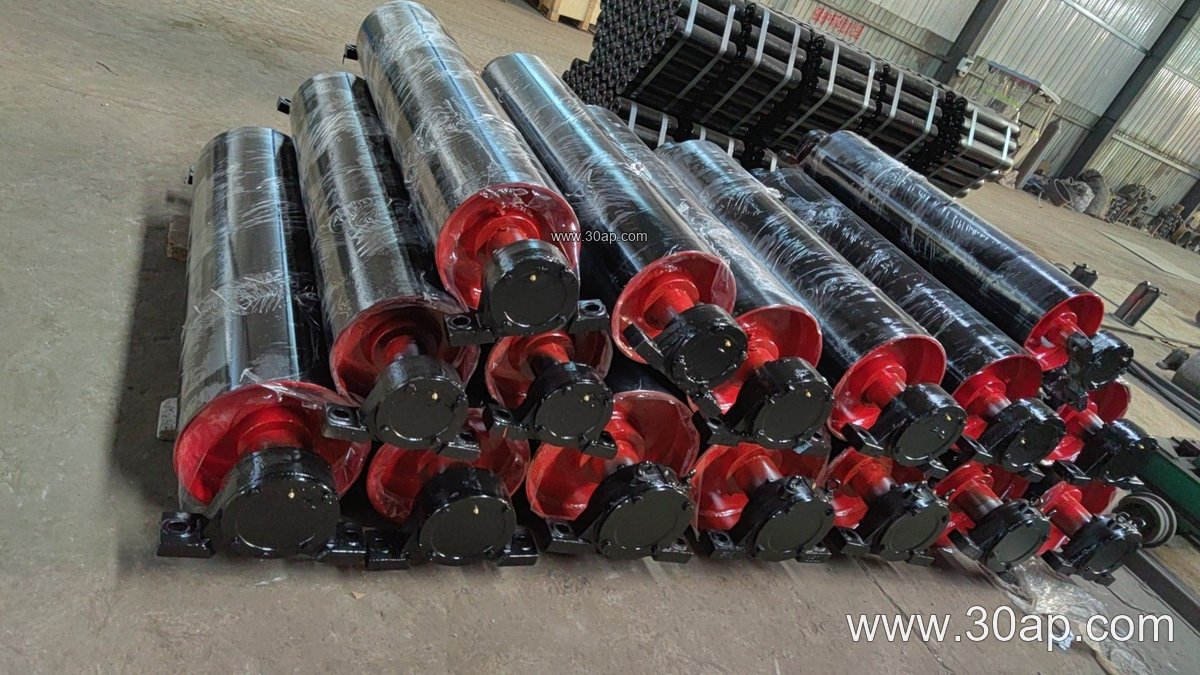
Drive pulleys, tail pulleys, and bend pulleys are not interchangeable with idlers; they serve different functions and should not be substituted. A self-cleaning idler is a carrying or return component, not a pulley. When replacing a standard return roller, confirm the shaft end, bearing type, and drop-in dimension before ordering.
Common Sizes and Configurations
Self-cleaning idlers are available in common roller diameters such as Ø89, Ø102, Ø108, Ø127, and Ø133 mm, with larger sizes for wide belts. The table below shows typical reference ranges; actual dimensions are determined by belt width, trough angle, and frame design.
| Belt Width | Common Roller Diameter | Typical Bearing |
|---|---|---|
| B500–B800 | Ø89–Ø108 mm | 6204, 6205, 6305 |
| B1000–B1200 | Ø108–Ø133 mm | 6305, 6306, 6308 |
| B1400–B1800 | Ø133–Ø159 mm | 6308, 6310 |
| B2000 and wider | Ø159–Ø194 mm | 6310 or larger |
These values are examples, not fixed pairings. A 1000mm conveyor belt may use a Ø108 mm self-cleaning idler in one plant and a Ø127 mm roller in another, depending on load and speed. Roller length also varies with belt width and trough angle; a three-roll trough set uses different roll lengths for the side and center rolls.
Buyer Checklist for Self-Cleaning Idlers
- Material and coating: Steel, nylon, ceramic, or rubber-covered shells each suit different abrasion levels. A high abrasion resistant conveyor belt may demand a wear-resistant roller face.
- Bearing seal: Check the seal class for dusty or wet conditions. Common bearings such as 6205 or 6306 are available with different clearance and sealing options.
- Mounting: Confirm shaft diameter, flat or keyed ends, and the conveyor bracket hole spacing.
- Belt compatibility: Spiral idlers may not suit every cleated or pipe conveyor belt; check clearance with the belt and skirt.
- Environmental fit: In cold climates, a cold resistant conveyor belt may be used, but the idler bearing grease should also match low temperatures.
For sticky ores and wet aggregates, a self-cleaning idler reduces downtime and keeps the belt centered. Buyers should match the idler to the conveyor belt, the frame, and the material, rather than selecting by belt width alone.