What a Wide Conveyor Belt Is
A wide conveyor belt is a heavy-duty rubber or PVC belting product built in larger bandwidths to carry high volumes of bulk material in a single pass. In practice, the term usually refers to belts from around B1400 upward, though B1200 and B1600 are common working sizes in mines, coal preparation plants, cement works, power stations and sand and gravel yards. The wider the belt, the more material it can transport at a given speed, which often lets operators reduce belt speed, cut dust generation and lower wear on idler rollers and pulleys.
The product is not simply a scaled-up narrow belt. Wider carcasses need stiffer cross-direction stability, more careful splice design and stronger support structures, because a large belt span is more sensitive to misalignment and edge damage.
Construction and Common Specifications
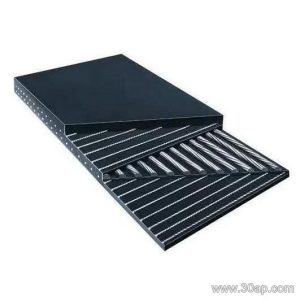
A typical wide belt combines a fabric or steel cord carcass with rubber covers on both faces. The carcass provides tensile strength and troughability, while the cover compounds resist abrasion, heat, oil, flame or cold depending on the duty. Common carcass types include EP polyester-cotton, NN nylon and steel cord constructions. Cover thickness is usually stated as top plus bottom, for example 6+2 mm or 8+3 mm on demanding duties.
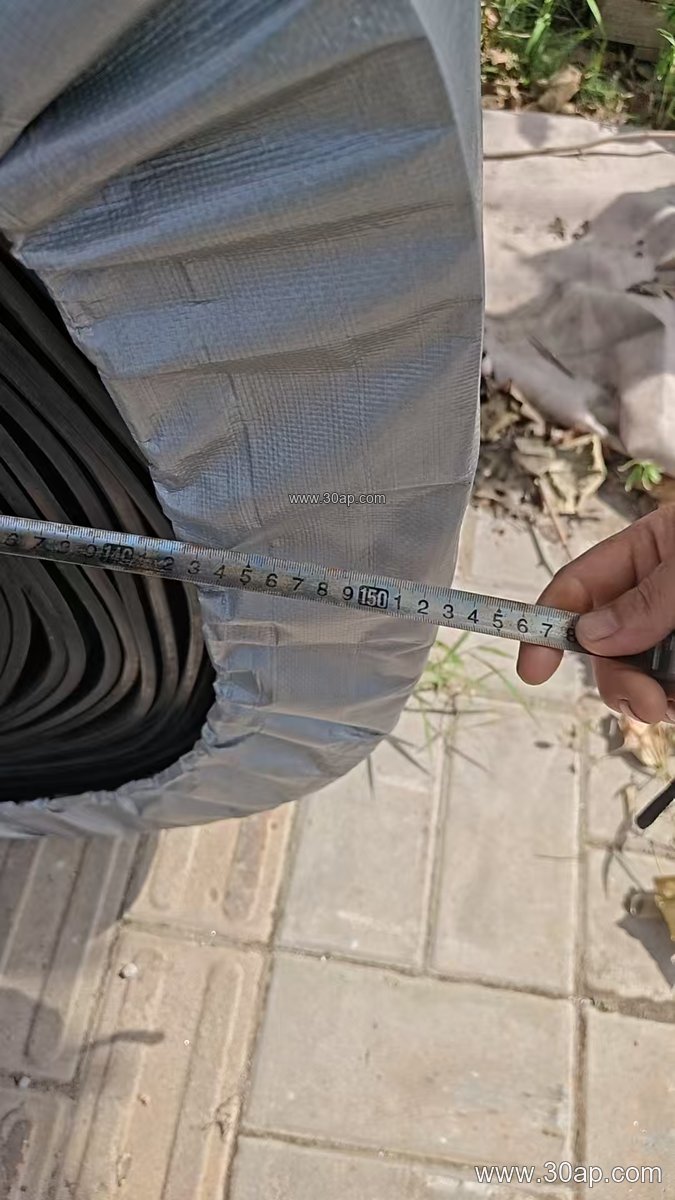
The table below gives reference values that appear in supplier catalogues; actual figures are confirmed by design for each conveyor.
| Parameter | Common reference values |
|---|---|
| Belt width | B1000, B1200, B1400, B1600, B1800, B2000 |
| Strength grades (EP) | EP200, EP315, EP400, EP500, EP630, EP800, EP1000, EP1250, EP1600, EP2000 |
| Carcass layers | Usually 2 to 6 plies for fabric belts |
| Cover thickness | 3+1.5, 4+2, 5+2, 6+2, 8+3 mm |
| Surface forms | Smooth, patterned, chevron, corrugated sidewall |
Special grades such as wear-resistant, heat-resistant, oil-resistant, flame-retardant, antistatic, cold-resistant and acid-alkali-resistant compounds are selected according to the material and environment. A wide belt in a coal mine may need flame retardancy and antistatic properties, while a cement plant may prioritise heat and abrasion resistance.
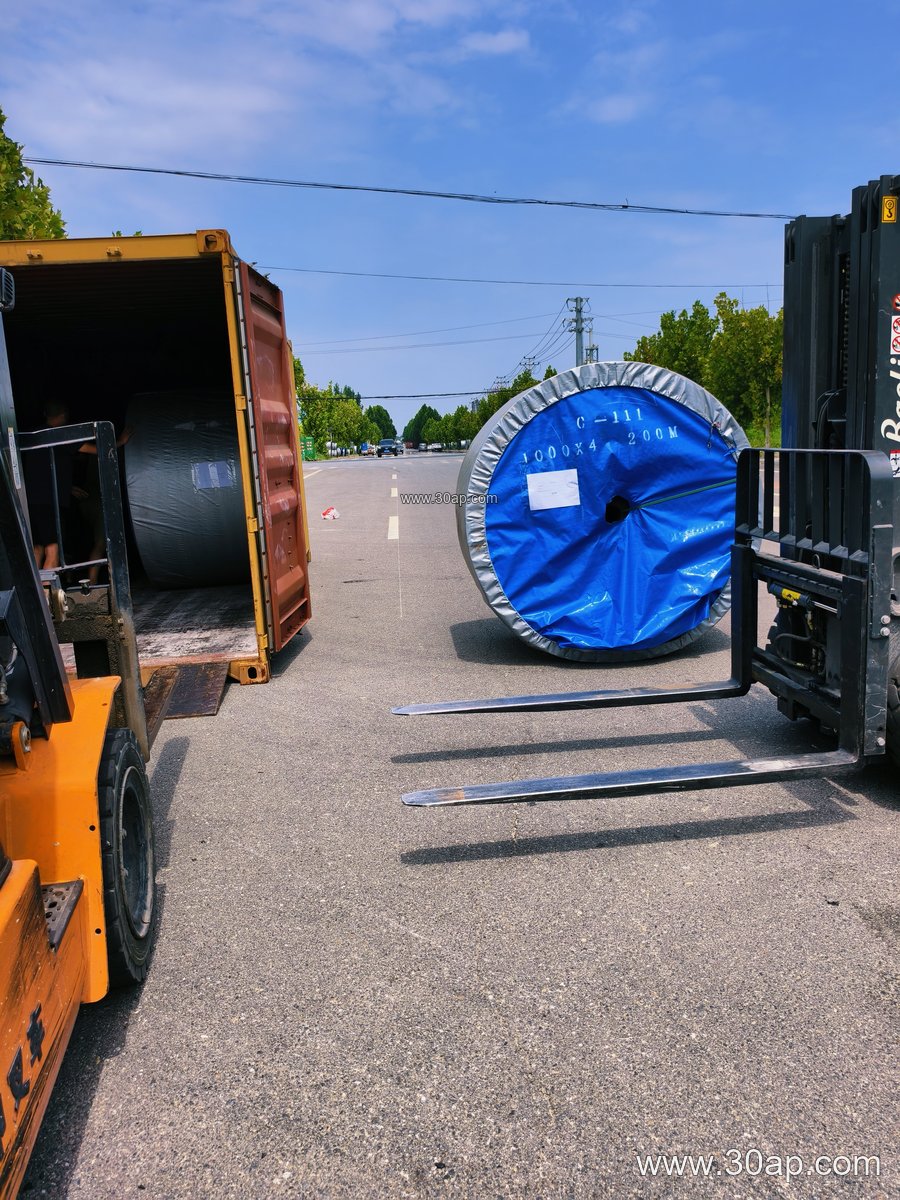
Where Wide Belts Are Used
These belts suit continuous, high-tonnage flows. In mining and coal handling they move run-of-mine ore and crushed coal from tipping points to stockyards. Cement plants use them for clinker, limestone and raw meal. Power stations rely on them for coal feed lines, and sand and gravel operations use them for aggregate transfer. Port terminals and steel works also deploy wide belting on long overland or yard conveyors.
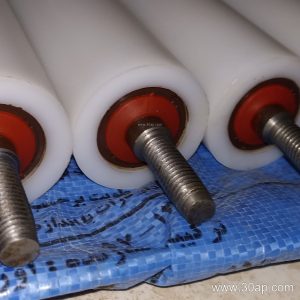
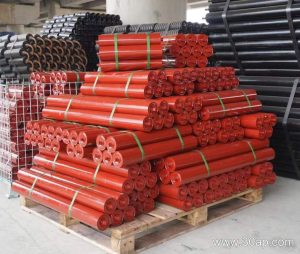
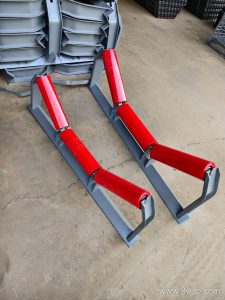
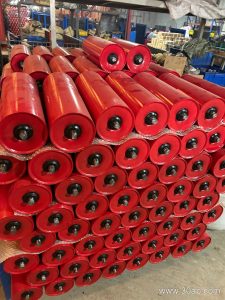
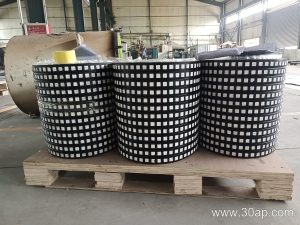
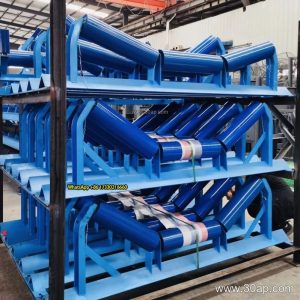
Supporting equipment matters as much as the belt itself. A properly spaced idler roller set forms the trough that keeps material centred, conveyor pulleys at the drive and tail ends transfer power and tension, and each conveyor bracket keeps the frame rigid. On wide installations, training idlers and careful pulley alignment are especially important because edge wander is harder to correct on a broad carcass.
What Buyers Should Check
- Actual duty and peak load. Confirm the maximum tonnage per hour, lump size and material temperature before choosing a strength grade.
- Width versus pulley and shaft design. Belt width does not by itself fix pulley diameter or shaft size; these follow from tension, wrap angle and frame design. Drive, tail and bend pulleys each have their own role and are not interchangeable.
- Cover compound. Match the cover to abrasion, heat, oil or flame exposure rather than defaulting to the thickest option.
- Splice method. Wide belts are usually spliced on site; check that the chosen carcass and cover suit the available vulcanising or mechanical splice method.
- Environmental conditions. Cold, humidity and dust affect compound choice and electrical conductivity requirements.
Installation and Maintenance Notes
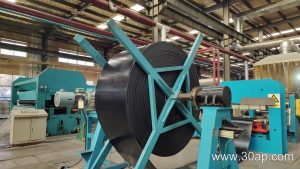
Store wide rolls on a supported core and avoid sharp bends. During installation, keep the belt centred and tensioned gradually, then check tracking over several empty and loaded runs. Inspect edges, splices and cover wear regularly, and watch idler roller rotation, since a seized roller can quickly damage a wide belt surface. Keep conveyor pulleys clean and confirm lagging condition, because poor traction at the drive pulley leads to slip and heat. With correct selection and routine inspection, a wide conveyor belt delivers reliable service in the toughest bulk handling environments.