What a Heavy-Duty Belt Conveyor Idler Does
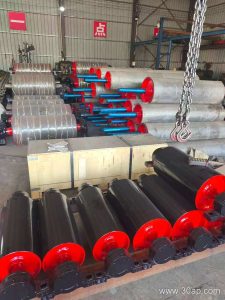
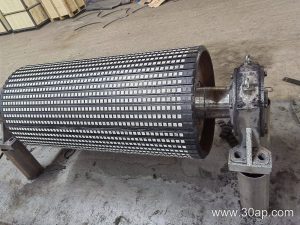
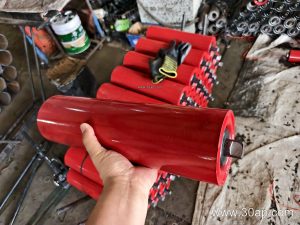
A heavy-duty belt conveyor idler is the rotating support that carries the conveyor belt and its load along the length of a bulk handling system. In a quarry, limestone mine, or aggregate line, these rollers take constant impact and abrasion, so the idler must be built to keep turning smoothly under harsh conditions. The idler roller is not a drive component; it simply supports the belt. Drive, tail, and bend pulleys are separate parts with different functions and are not interchangeable with idlers.
Construction and Common Configurations
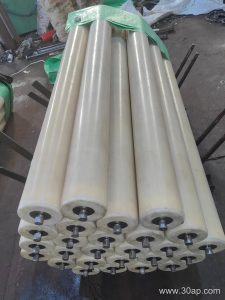
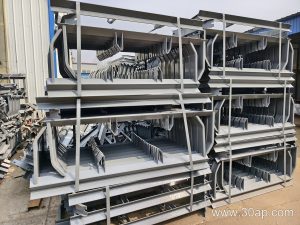
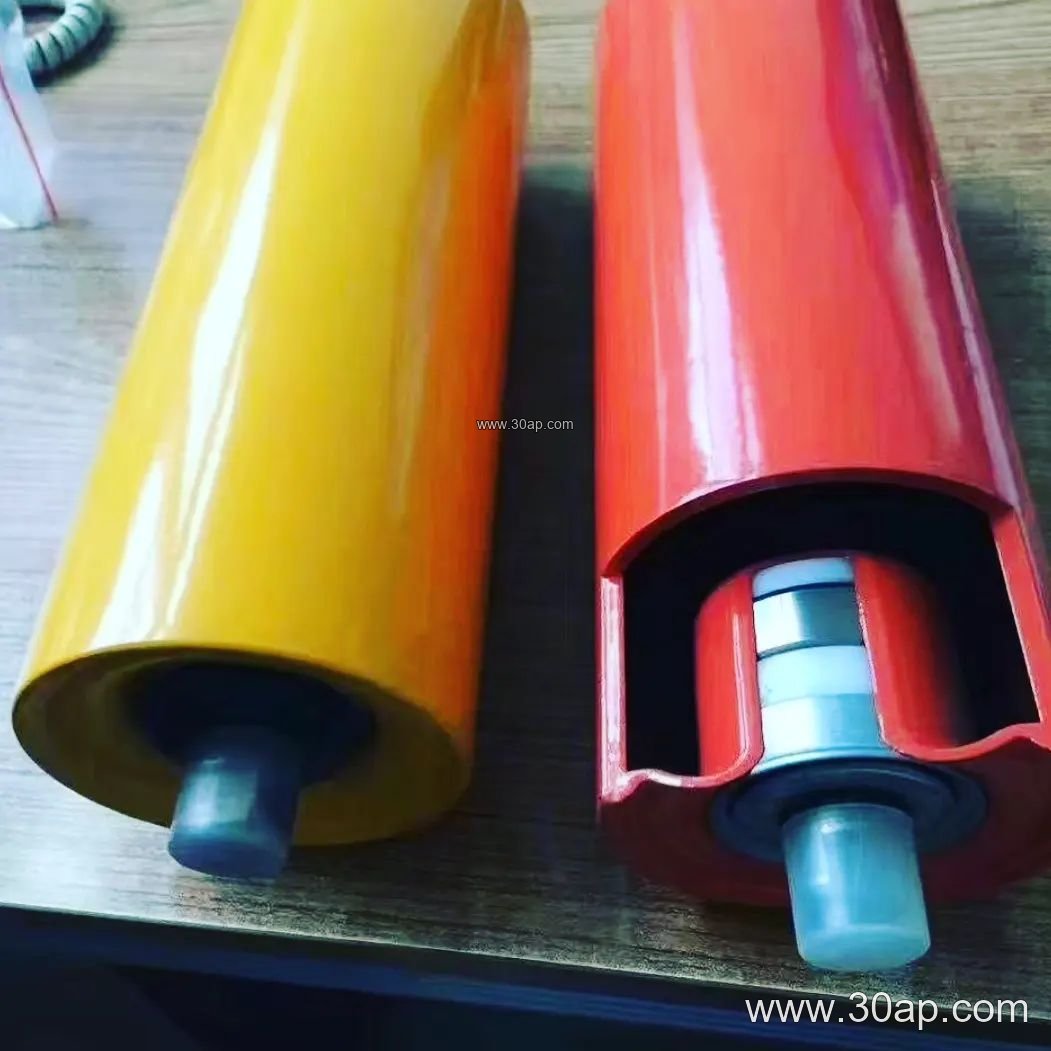
Most heavy-duty idlers use a steel tube shell, sealed bearings, and a shaft mounted in a sturdy conveyor bracket. The roller surface can be plain steel, nylon, ceramic, or rubber-covered. For high-impact zones, rubber disc impact idlers are often chosen, while return runs may use flat or V-shaped return idlers. Troughing idlers are typically arranged in two or three rolls to form a trough that keeps bulk material centered. Common roll diameters include Ø89, Ø108, Ø127, Ø133, Ø159, and Ø178 mm, and bearings such as 6205, 6305, 6306, and 6308 are frequently used. The exact bearing is matched to the load and roll diameter by the designer, not fixed by belt width alone.
Where Heavy-Duty Idlers Fit in the System
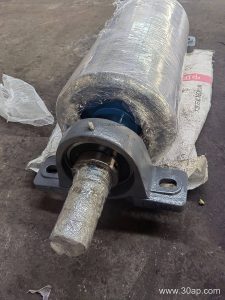
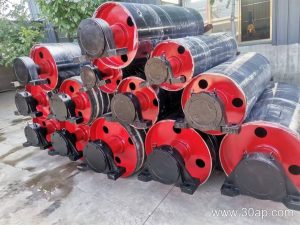
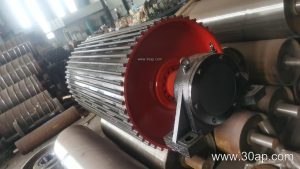
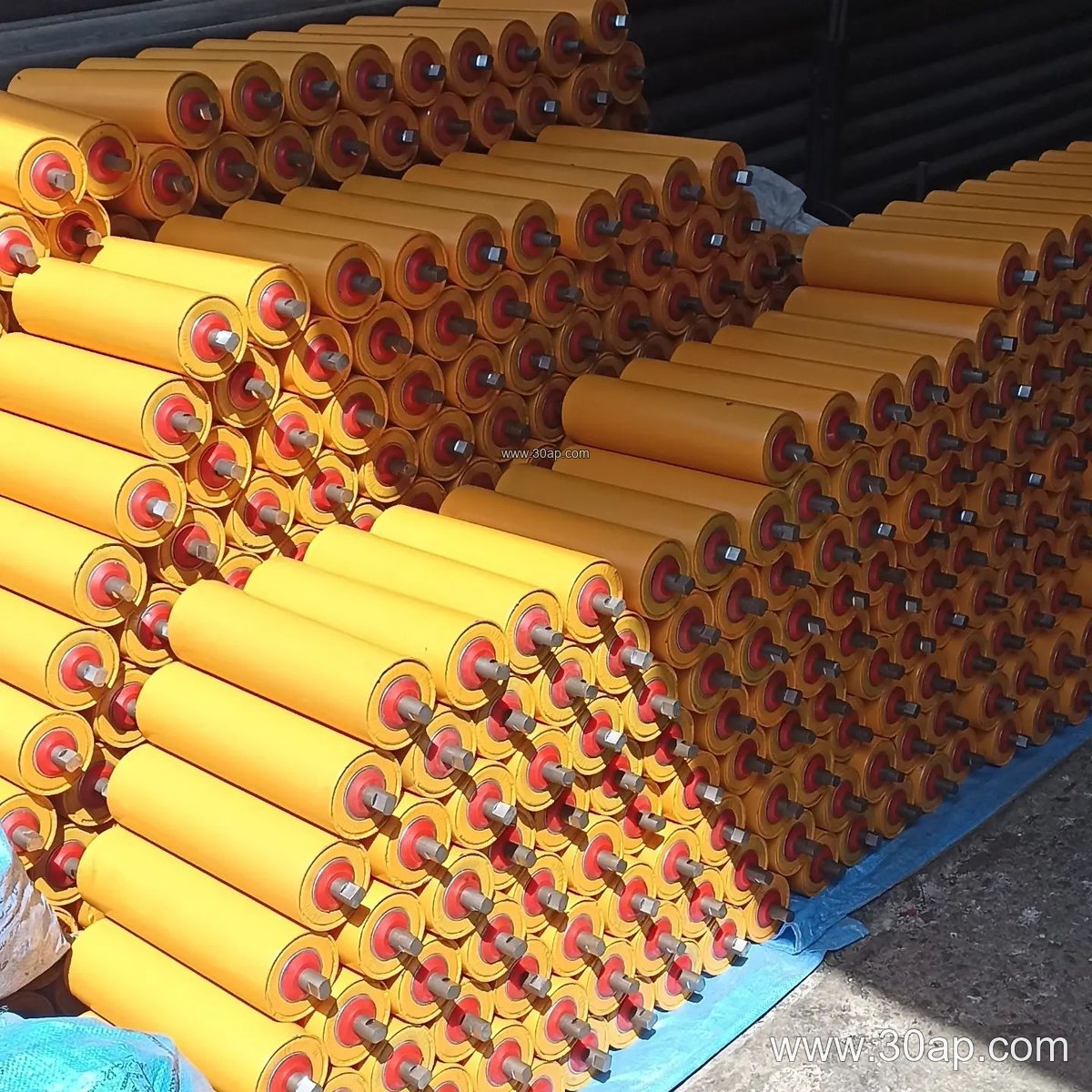
These idlers appear in stone crushing plants, cement works, power plant coal handling, and port bulk terminals. A heavy-duty mining conveyor belt may run over hundreds of idlers, and each one must resist dust, moisture, and occasional spillage. In a coal mining conveyor belt system, flame retardant and anti-static properties are often required for the belt itself, and the idler seals must keep grit out. For a quarry conveyor belt carrying sharp rock, abrasion resistant idler surfaces and reinforced shells help extend service life. The idler works together with the conveyor pulley at the head and tail, and with the conveyor bracket that holds the idler frame in alignment.
Matching Roll Diameter and Belt Width
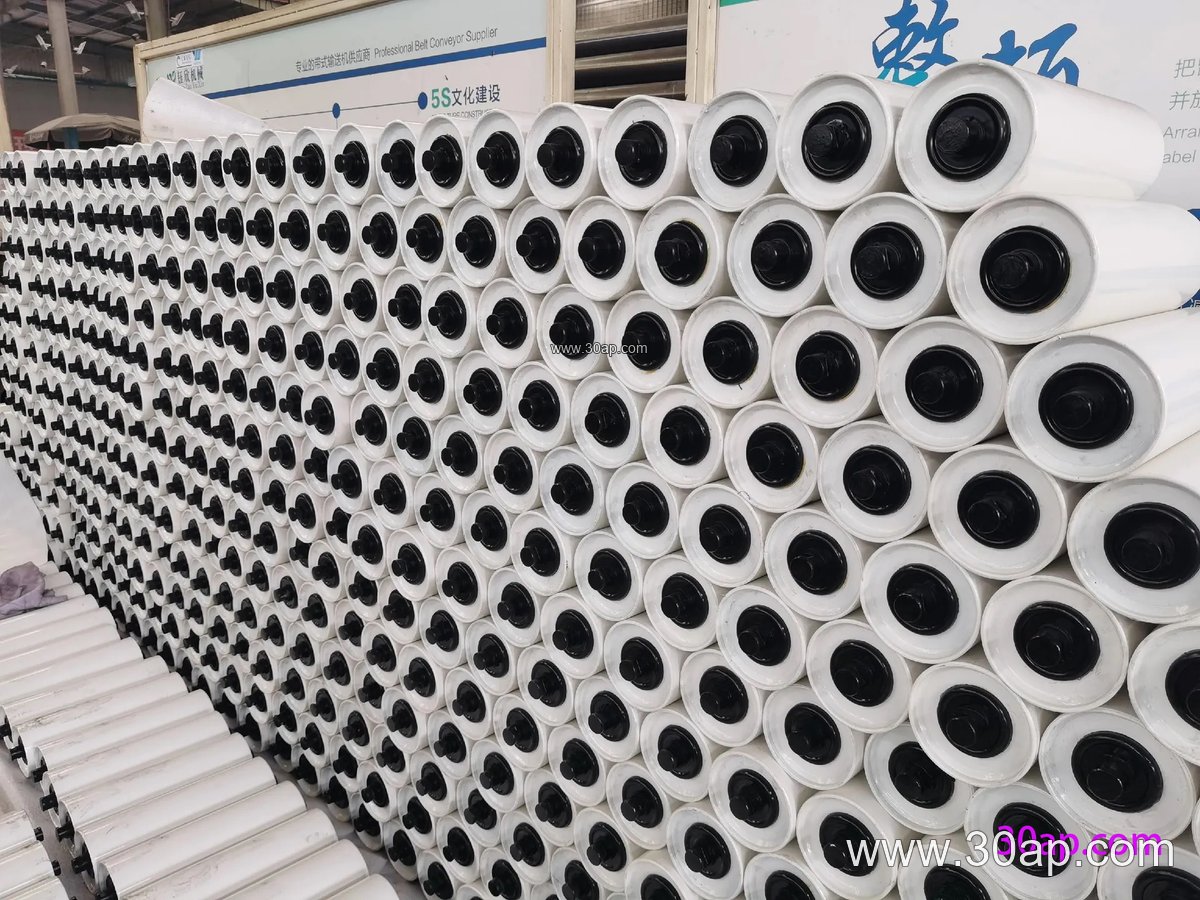
Roll diameter and belt width are related but not locked in a one-to-one pairing. A 1200mm wide conveyor belt may use idlers with Ø127 or Ø159 rolls depending on load and speed, while a narrower 800mm belt might use Ø108 or Ø127 rolls. The roll length changes with belt width, trough angle, and idler arrangement. For example, a three-roll troughing set might use approximately 315 mm rolls on a B800 belt and 465 mm rolls on a B1200 belt, but side rolls and center rolls can differ. These are common examples, not fixed rules.
Buyer Checklist for Heavy-Duty Idlers
- Application: Identify whether the idler is for carrying, impact, return, or training duty. A rubber disc impact idler suits a crusher discharge, while a plain return idler suits the empty strand.
- Roll diameter and shell: Confirm the required roll diameter, wall thickness, and surface type. Heavy-duty service often calls for thicker shells and robust seals.
- Bearing and sealing: Ask about bearing size and seal design. Good sealing matters in dusty cement plants and wet coal handling.
- Belt width and trough angle: Provide the belt width (for example B650, B1000, or B1400) and the trough angle, commonly 20, 30, 35, or 45 degrees. This determines the idler frame and roll length.
- Compatibility: Check that the idler fits the existing conveyor bracket and aligns with the conveyor pulley centerline.
Maintenance and Replacement Notes
Inspect idlers for seized bearings, worn shells, and buildup of sticky material. A worn idler can misalign the belt and increase wear on the conveyor pulley and belt edges. Keep spare idlers in common roll diameters for fast replacement. For harsh duty, consider idlers with reinforced shafts and heavy-duty seals. The goal is to keep the belt running true and reduce downtime in continuous operations such as ore conveying, aggregate handling, and ship loading.