What Is an ST1600 Conveyor Belt?
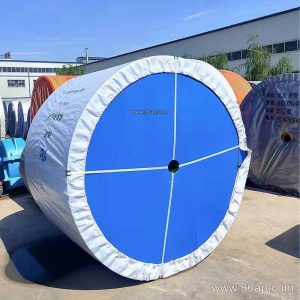
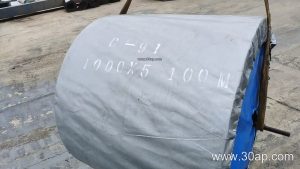
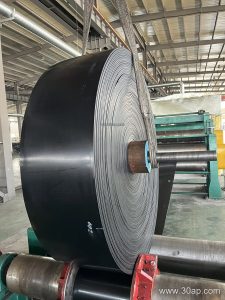
The ST1600 Conveyor Belt is a steel cord conveyor belt with a nominal tensile strength of 1600 N/mm. It belongs to the ST series, where “ST” stands for steel cord and the number indicates the breaking strength of the belt. This belt is designed for long-distance, high-capacity conveying in demanding industries such as mining, coal preparation, cement plants, power stations, and large quarries. As a heavy-duty conveyor belt, it is often chosen when fabric-core belts reach their tension limits and a stronger, more durable solution is needed.
Construction and Key Components
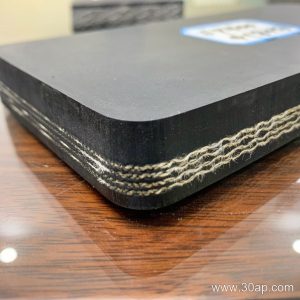
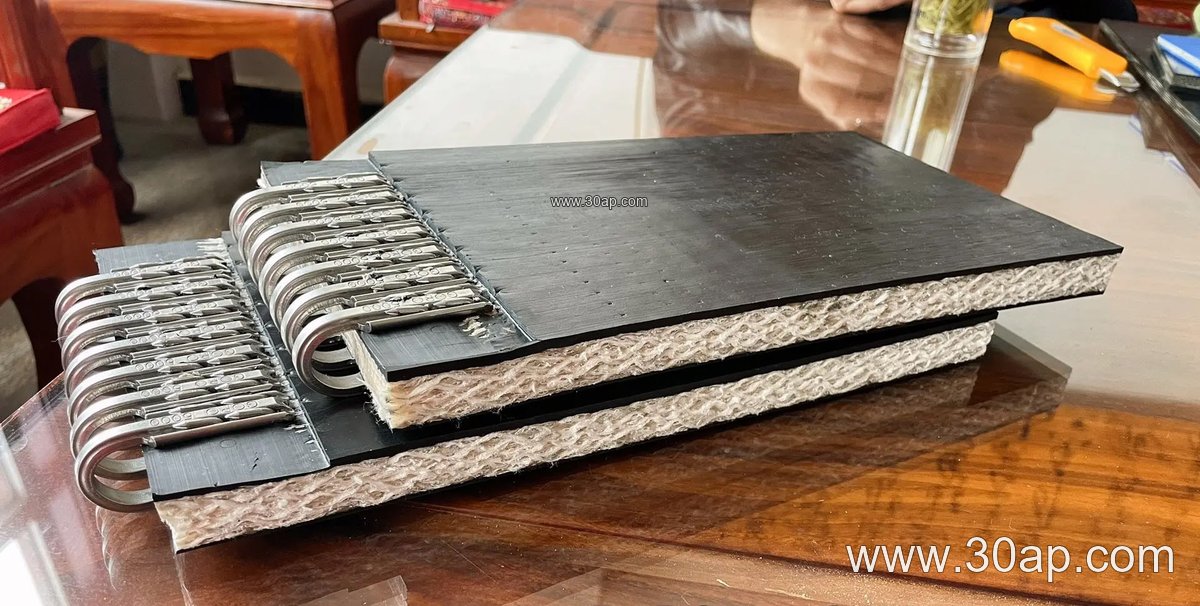
An ST1600 belt is built around a core of parallel steel cords embedded in rubber. The cords are arranged in a single plane and are typically brass-plated to promote adhesion to the surrounding rubber compound. The core is protected by top and bottom cover rubber, with the top cover usually thicker to resist abrasion and impact. Common cover thickness combinations include 6+2 mm, 8+3 mm, and other values selected according to the application. The belt edges are sealed to prevent moisture and material ingress.
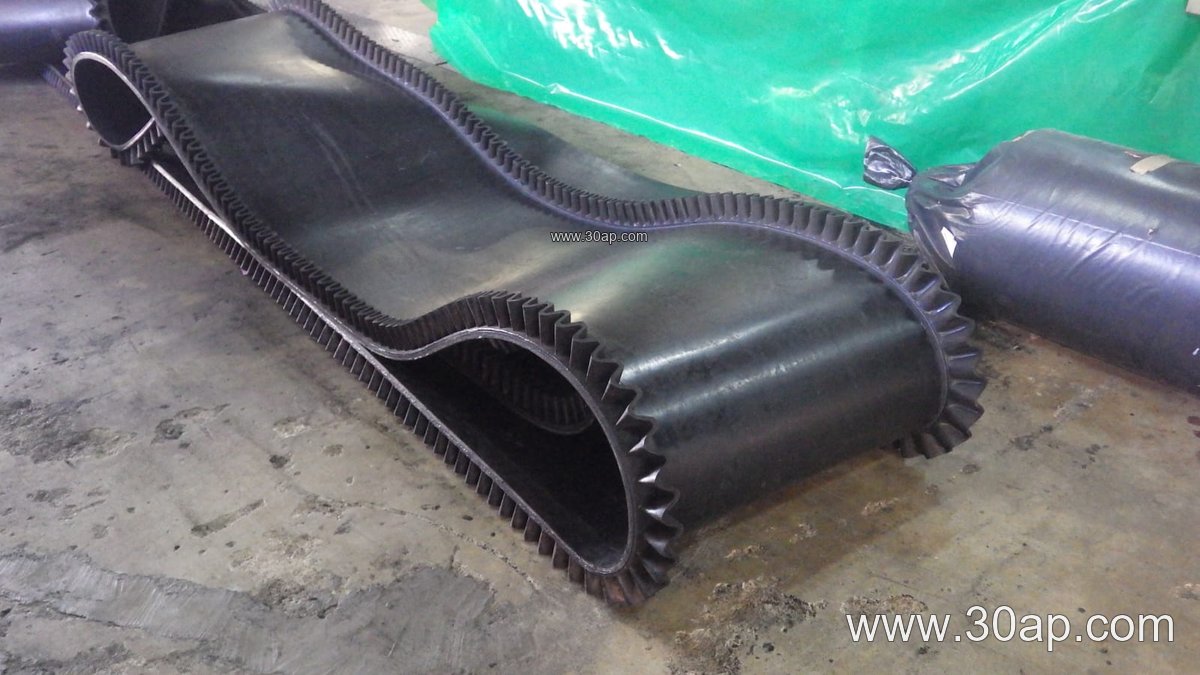
Because of its steel cord reinforcement, the ST1600 Conveyor Belt offers low elongation under load, excellent longitudinal flexibility, and high resistance to ripping and impact. It can handle large lump sizes and sharp materials better than many fabric-reinforced belts. For comparison, an EP Conveyor Belt or NN Conveyor Belt may be suitable for shorter conveyors or lower tension requirements, but the steel cord design of the ST1600 is preferred for high-tension, long-haul systems.
Typical Applications
The ST1600 Conveyor Belt is widely used in bulk material handling where reliability and uptime are critical. Typical installations include:
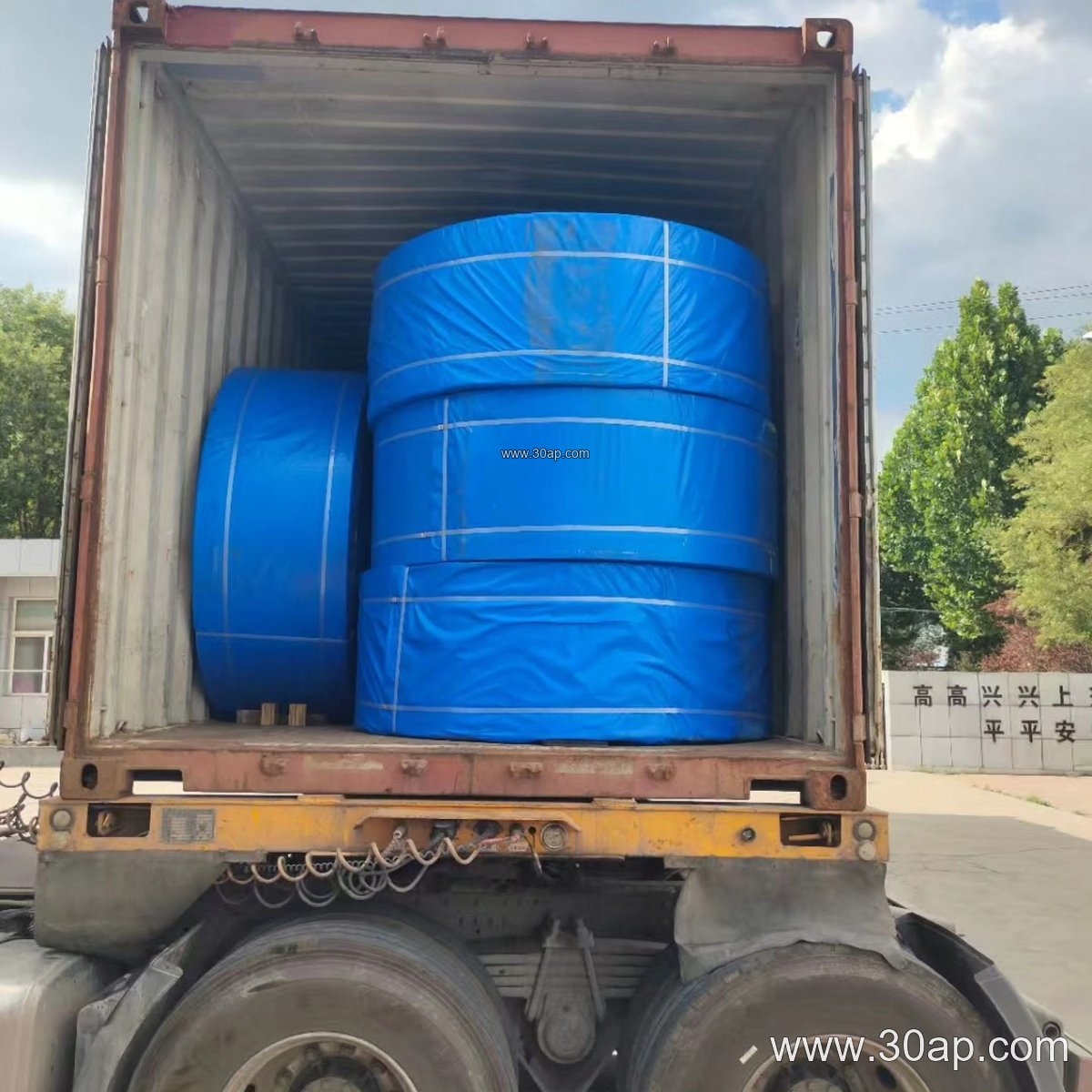
- Main haulage conveyors in underground coal mining and surface coal mines
- Ore transport in iron ore, copper ore, and gold mining operations
- Raw material handling in cement plants and power plants
- Primary and secondary crushing circuits in quarries and aggregate plants
- Port and ship loading facilities for fast material transfer
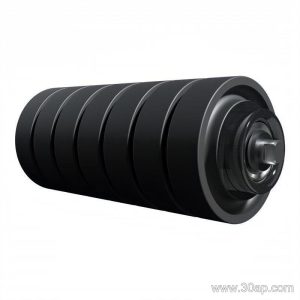
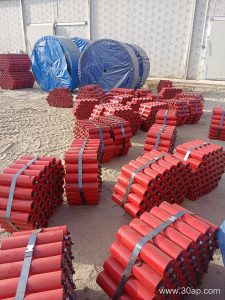
In these environments, the belt works alongside conveyor pulleys, idler rollers, and conveyor brackets to form a complete conveying system. The drive pulley, tail pulley, and bend pulleys each play a specific role, and the ST1600 belt must be matched to the pulley diameters and troughing idlers for optimal performance.
Specifications and Related Product Data
While ST1600 refers to the steel cord belt, buyers often compare it with other belt types. The table below shows typical reference values for steel cord and fabric belts; actual specifications should be confirmed with the manufacturer.
| Belt Type | Common Strength Grades | Common Widths (mm) | Typical Cover Thickness (mm) |
|---|---|---|---|
| Steel Cord (ST series) | ST1000, ST1250, ST1600, ST2000, ST2500 | 800, 1000, 1200, 1400, 1600, 1800, 2000 | 6+2, 8+3, 10+4 |
| EP Conveyor Belt | EP200, EP400, EP630, EP800, EP1000 | 500, 650, 800, 1000, 1200, 1400 | 4+2, 5+2, 6+2 |
| NN Conveyor Belt | NN100, NN200, NN300, NN400 | 500, 650, 800, 1000, 1200 | 3+1.5, 4+2, 5+2 |
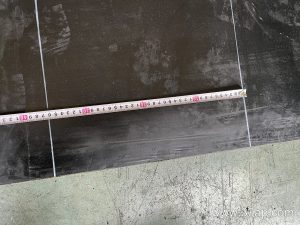
For the ST1600 Conveyor Belt itself, common widths range from 800 mm to 2000 mm, with 1200 mm and 1400 mm being frequent choices in mining and cement applications. The belt thickness depends on the cover grade and cord construction; a typical ST1600 belt might have a total thickness of 15 to 25 mm. Special constructions such as flame retardant, heat resistant, oil resistant, and anti-static versions are available for specific operating conditions.
Selection and Maintenance Tips
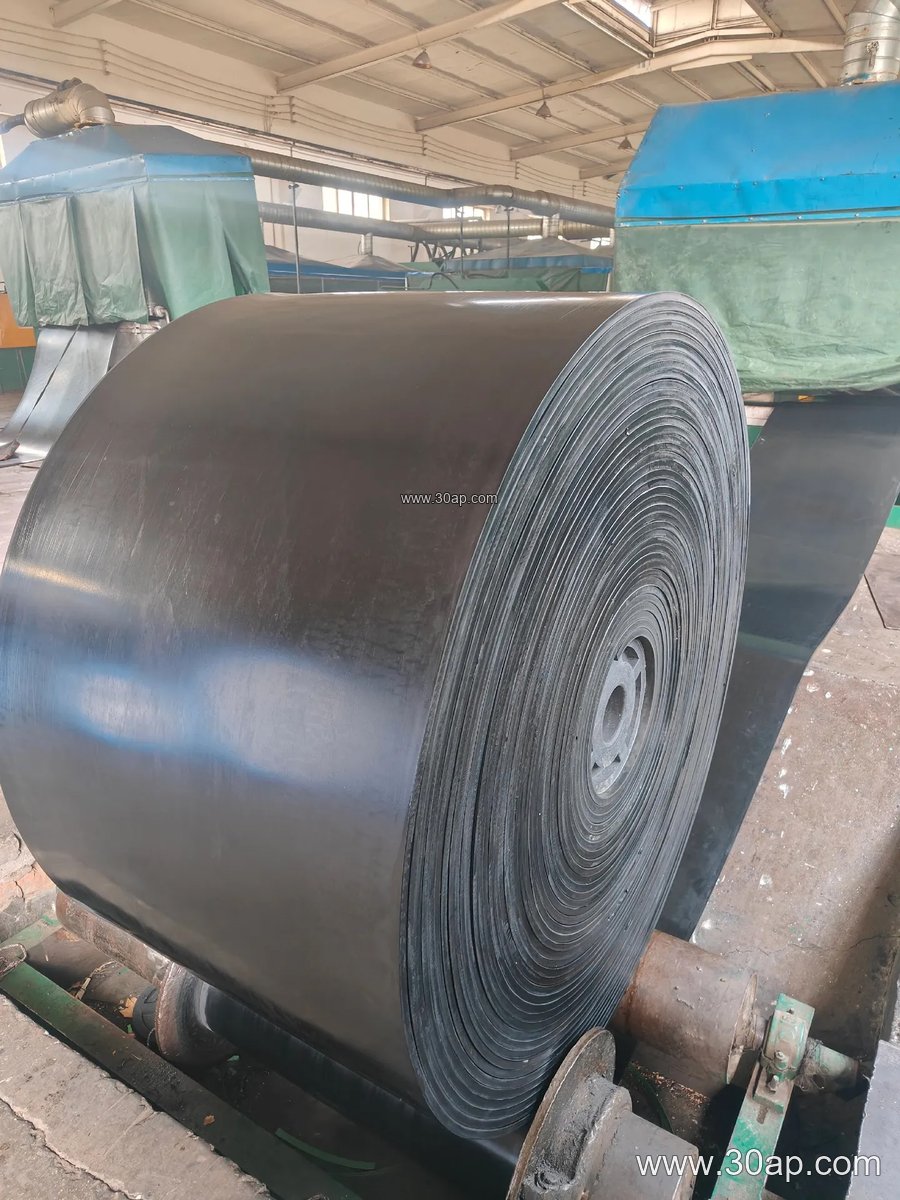
Choosing the right ST1600 belt involves more than checking the strength grade. Consider the maximum lump size, material abrasiveness, operating temperature, and the conveyor geometry. The pulley diameters—drive, tail, and bend—must be compatible with the belt’s cord pitch and flexibility requirements. Idler roller spacing and trough angle also affect belt life. During operation, regular inspection of the belt surface, edges, and splices helps prevent unexpected failures. Keeping idlers turning freely and maintaining proper belt tracking reduce wear on the ST1600 belt and extend service life.
For any conveyor system, whether using an ST1600 steel cord belt or a fabric-core alternative, the interaction between belt, pulleys, idlers, and brackets determines overall efficiency. Buyers should request detailed technical data and discuss application specifics with the supplier to ensure the selected belt meets the demands of the site.