What a Tail Bend Pulley Does
A tail bend pulley is a return-side redirect pulley mounted near the tail of a conveyor. Its job is not to drive the belt and not to carry the load like a head pulley. Instead, it guides the returning belt into the tail pulley or take-up zone at a controlled wrap angle, keeping the belt tracking steady before it passes under the loading point. In a long overland line at a quarry, or a compact transfer house in a cement plant, this small redirecting drum often decides whether the belt runs centered or wanders against the frame.
The name matters in procurement. A tail bend pulley is a specific redirecting component, not a drive pulley, not a tail pulley, and not a snub pulley. Confusing these in a parts request leads to the wrong shaft, the wrong bearing housing, and a belt that cannot be tensioned correctly.
Construction and Surface Options
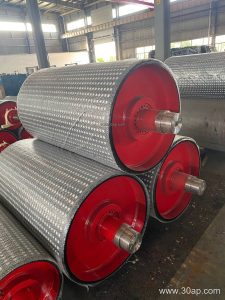
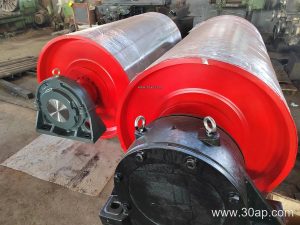
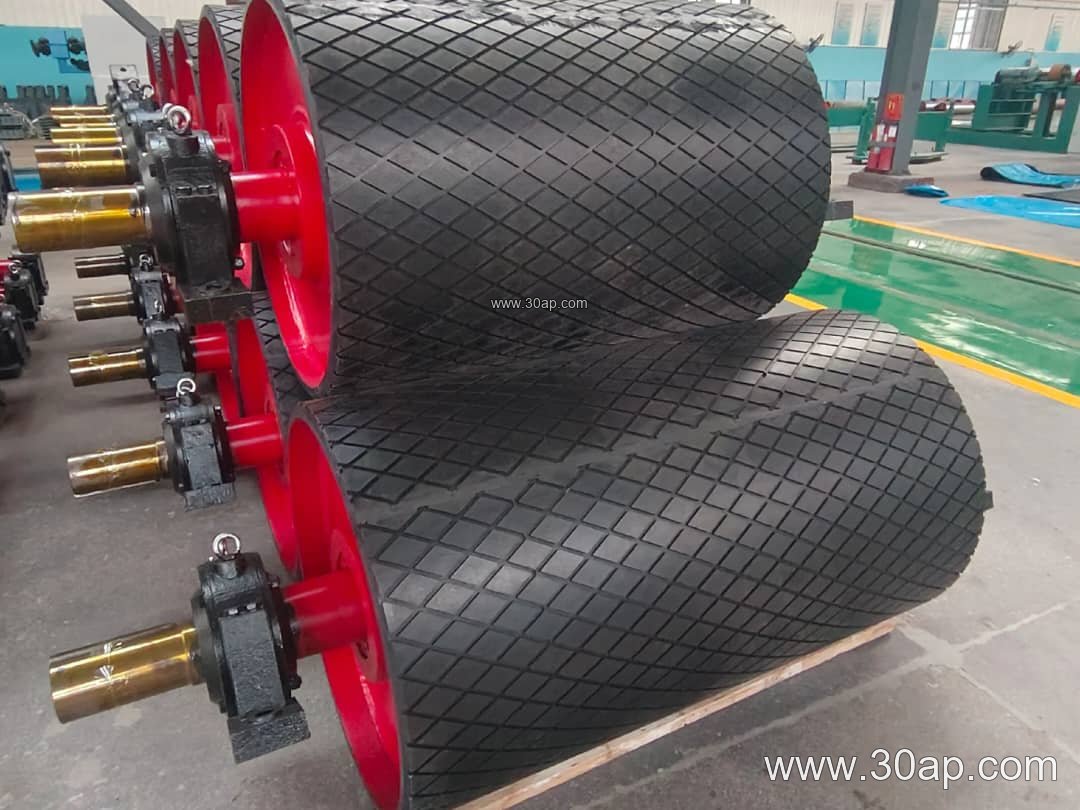
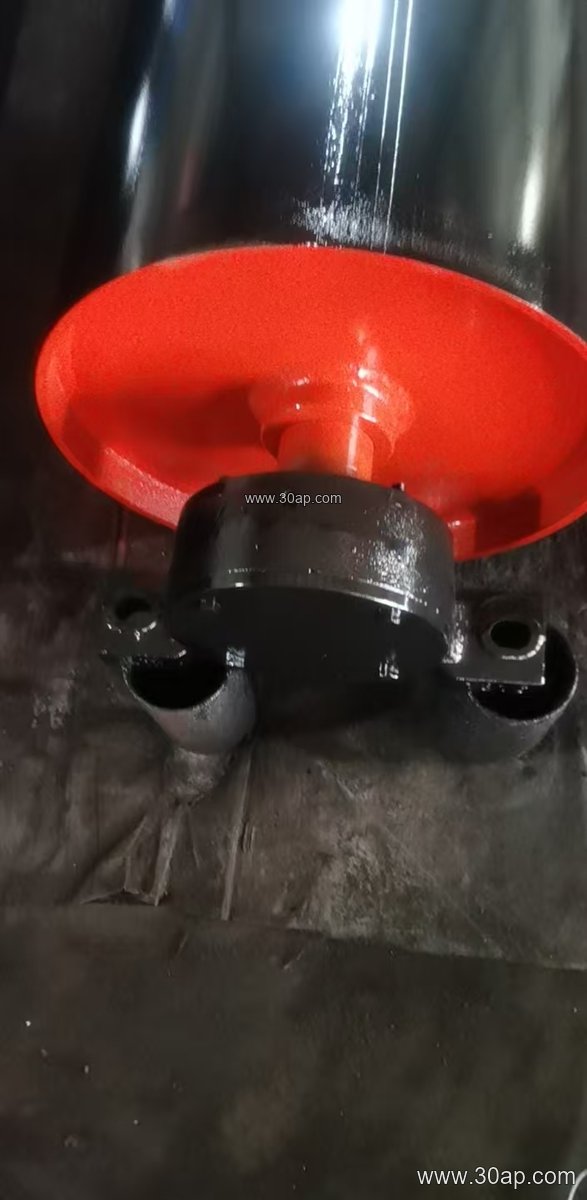
The body is usually a welded steel shell with machined end discs, a through shaft, and bearing housings bolted to a conveyor bracket or frame. Shell diameter and face width follow the belt width and the layout of the tail section. Common face widths are slightly wider than the belt, for example about 750 mm for a B650 belt or about 1150 mm for a B1000 belt, while diameters such as Ø320, Ø400, or Ø500 appear in many tail bend positions. Larger drums like Ø630 or Ø800 are used where the belt is stiff or the wrap angle is generous.
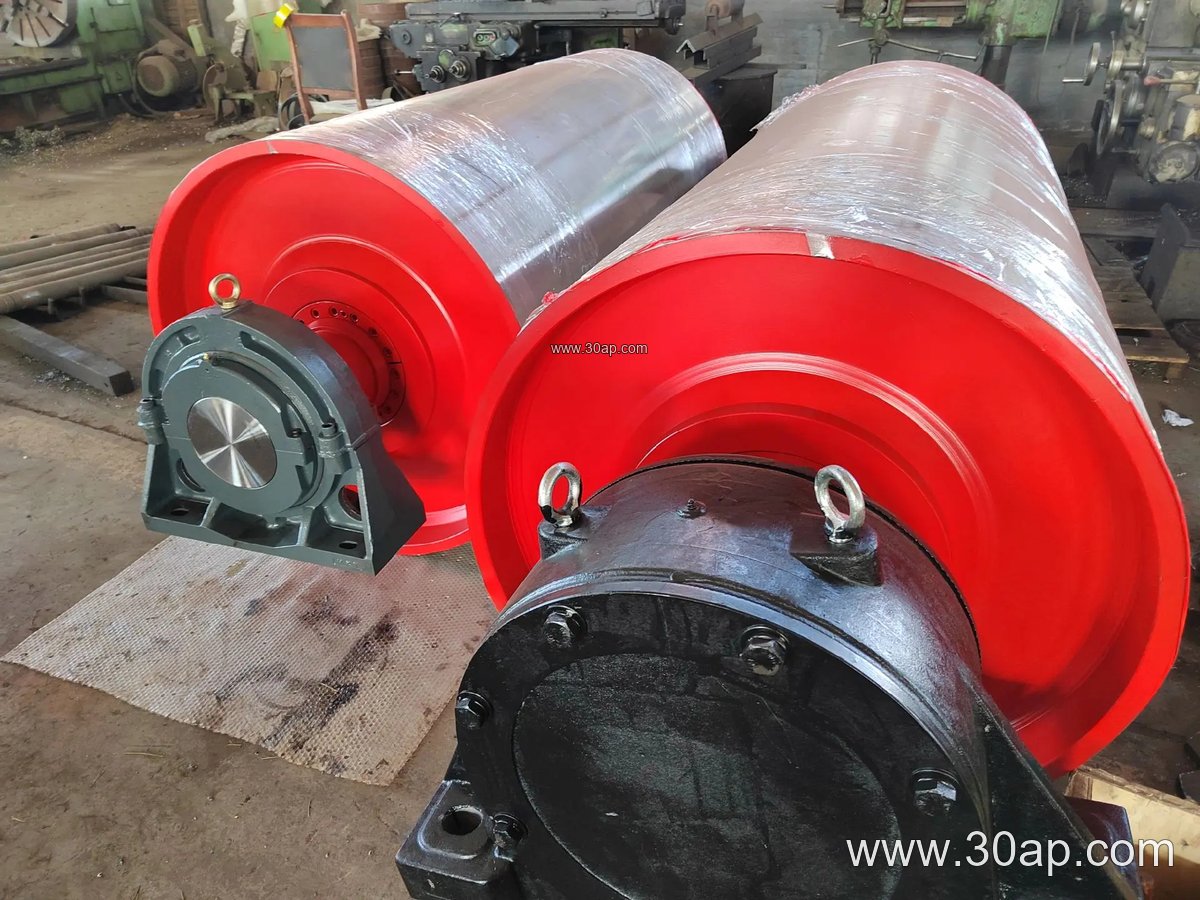
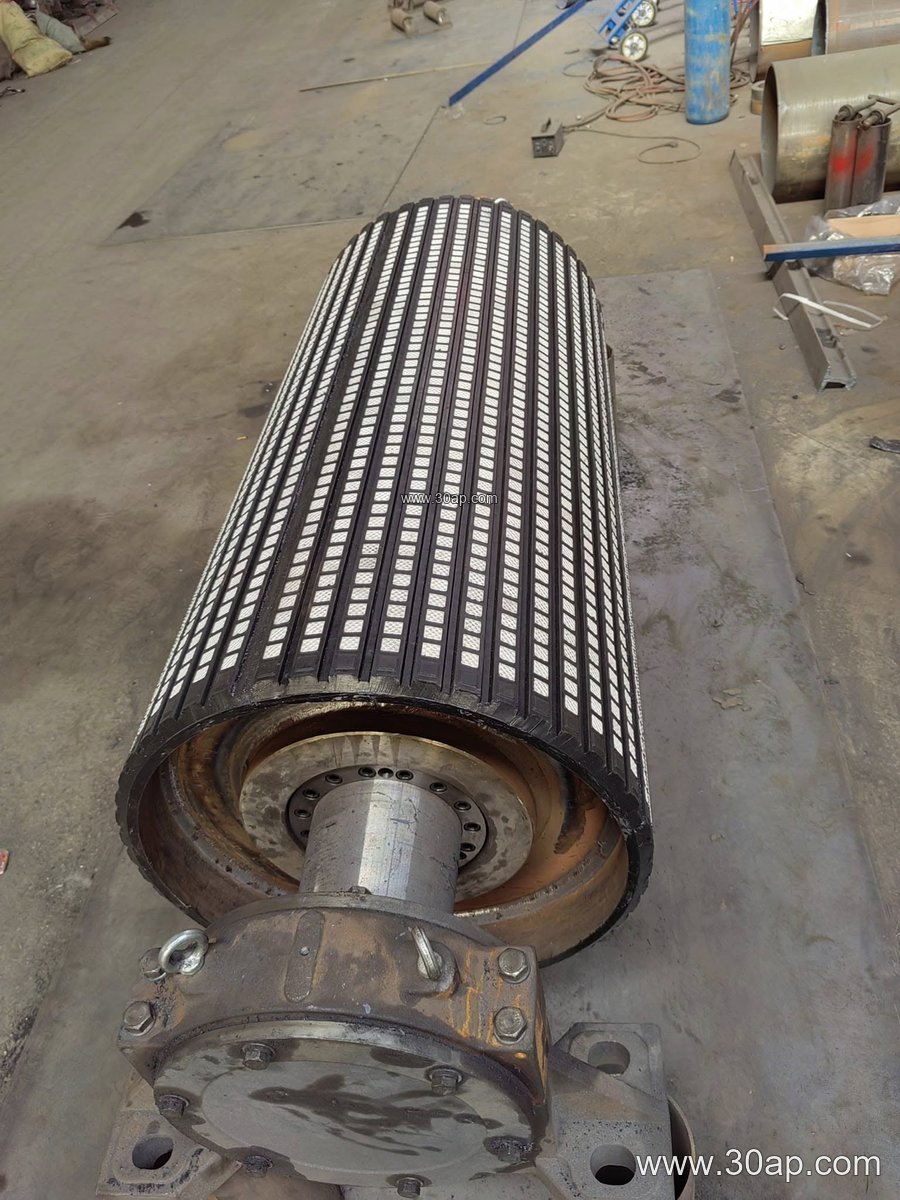
Surface treatment depends on duty. Plain finish suits light, clean service. Rubber lagging, either cold-bonded or hot-vulcanized, improves grip and protects the shell from abrasive fines. Diamond or herringbone grooving helps shed water and dust in wet washing stations or port terminals. Ceramic lagging is chosen where slip and wear are both severe. Lagging thickness of 8, 10, 12, or 15 mm is common, with 20 mm reserved for heavy contact.
Where It Fits in the Line
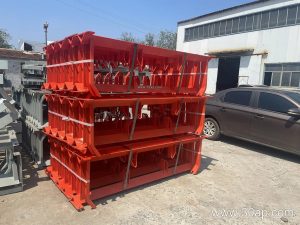
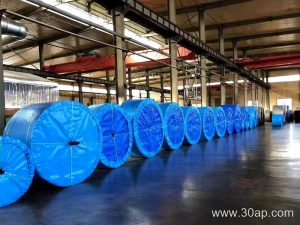
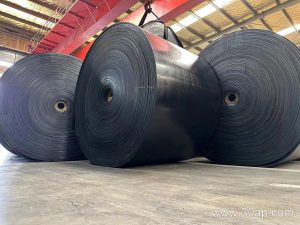
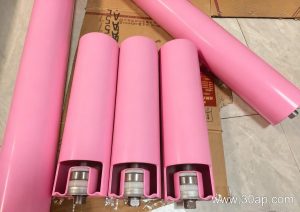
Tail bend pulleys appear in stone crushing plants, aggregate washing lines, coal handling systems, and power plant coal yards. In a sand and gravel operation, one redirecting drum may sit just behind the tail pulley to increase belt wrap and reduce sag on the return run. In an underground coal mine, the same component must work with a flame retardant conveyor belt and fit within tight clearances. The surrounding equipment usually includes the conveyor belt itself, idler roller sets, additional conveyor pulleys, and a fabricated conveyor bracket that carries the bearing blocks.
Belt choice interacts with pulley design. A heavy-duty mining conveyor belt or a steel cord conveyor belt needs a larger diameter to limit bending stress, while a multi-ply fabric core belt or an EP conveyor belt may accept a smaller drum. Abrasion resistant conveyor belts in iron ore or copper ore service put more dust on the return side, so lagging and bearing seals deserve attention.
Specification Notes for Buyers
When requesting a tail bend pulley, give the belt width, the required diameter, the shaft size, the bearing type, the lagging specification, and the mounting position. Shaft diameter is determined by torque and load, not by belt width alone. A B800 belt might use a Ø80 shaft in one layout and a Ø100 shaft in another, depending on tension and bearing span.
- Belt width: B500, B650, B800, B1000, B1200, B1400
- Common diameters: Ø250, Ø315, Ø400, Ø500, Ø630, Ø800
- Shaft sizes: Ø60, Ø70, Ø80, Ø90, Ø100, Ø120, Ø140
- Lagging: plain, rubber, diamond, ceramic; 8 to 20 mm thick
Combinations such as B800 x Ø500 or B1200 x Ø630 are common references, not fixed rules. Always confirm the actual layout with the conveyor designer, especially where the tail bend pulley shares a frame with the take-up pulley or a snub pulley.
Maintenance and Tracking Checks
Inspect lagging wear, shaft key condition, and bearing temperature at each shutdown. A tail bend pulley running out of alignment pulls the belt sideways and loads one edge of every idler roller downstream. In dusty plants, regrease bearings on schedule and clear buildup from the shell face. Where a skirted conveyor belt or corrugated sidewall conveyor belt is used, check that the belt edge clearance at the bend pulley is still adequate after belt stretch. Replacing a worn lagging surface early is cheaper than replacing a scored shell or a damaged belt edge.