What a Plastic Idler Is and Where It Fits
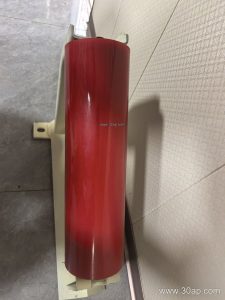
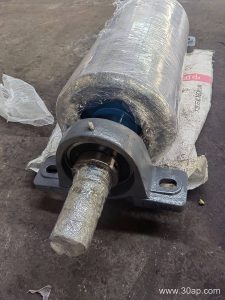
A plastic idler is a conveyor roller whose outer shell is made from engineering plastic rather than steel. It is used to support the conveyor belt on the carrying side or the return side of a belt conveyor, and it belongs to the same family as the idler roller and conveyor pulley components that keep a belt running true. In a quarry or a cement plant, dust and moisture are constant companions, and a plastic idler can be attractive where corrosion resistance and light weight matter. The accurate equivalent name for the same product is plastic conveyor roller; the two terms describe the same component and are used interchangeably here.
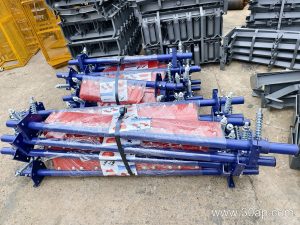
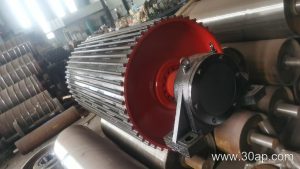
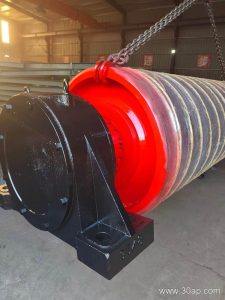
It is important not to confuse a plastic idler with a drive pulley, tail pulley, or bend pulley. Those are conveyor pulleys that transmit power or change belt direction, and they are not interchangeable with idlers. A plastic idler simply carries the belt. On the same conveyor, you may also find a conveyor bracket that holds the idler in place, and the bracket type must match the idler shaft and the frame.
How a Plastic Idler Is Built
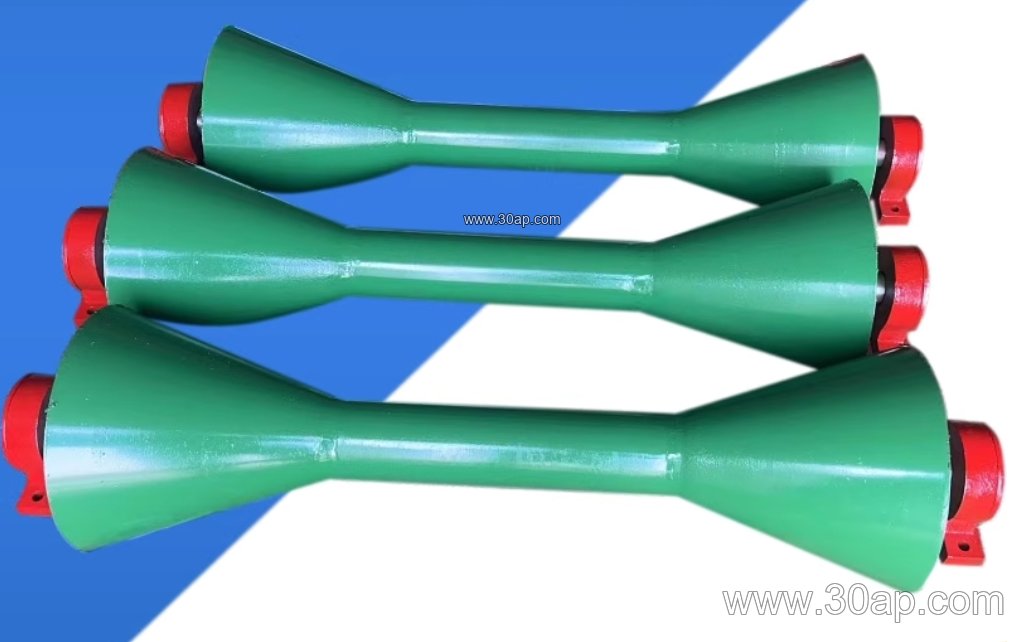
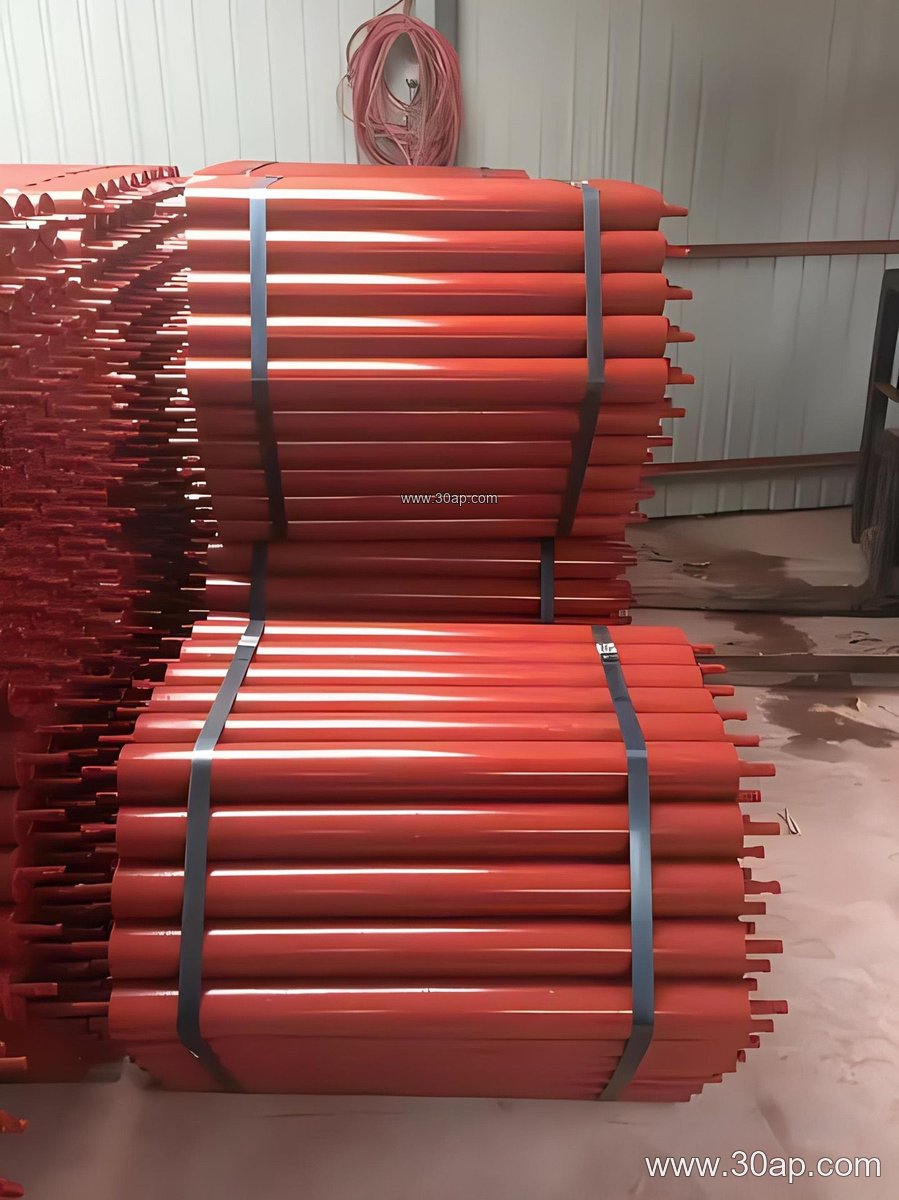
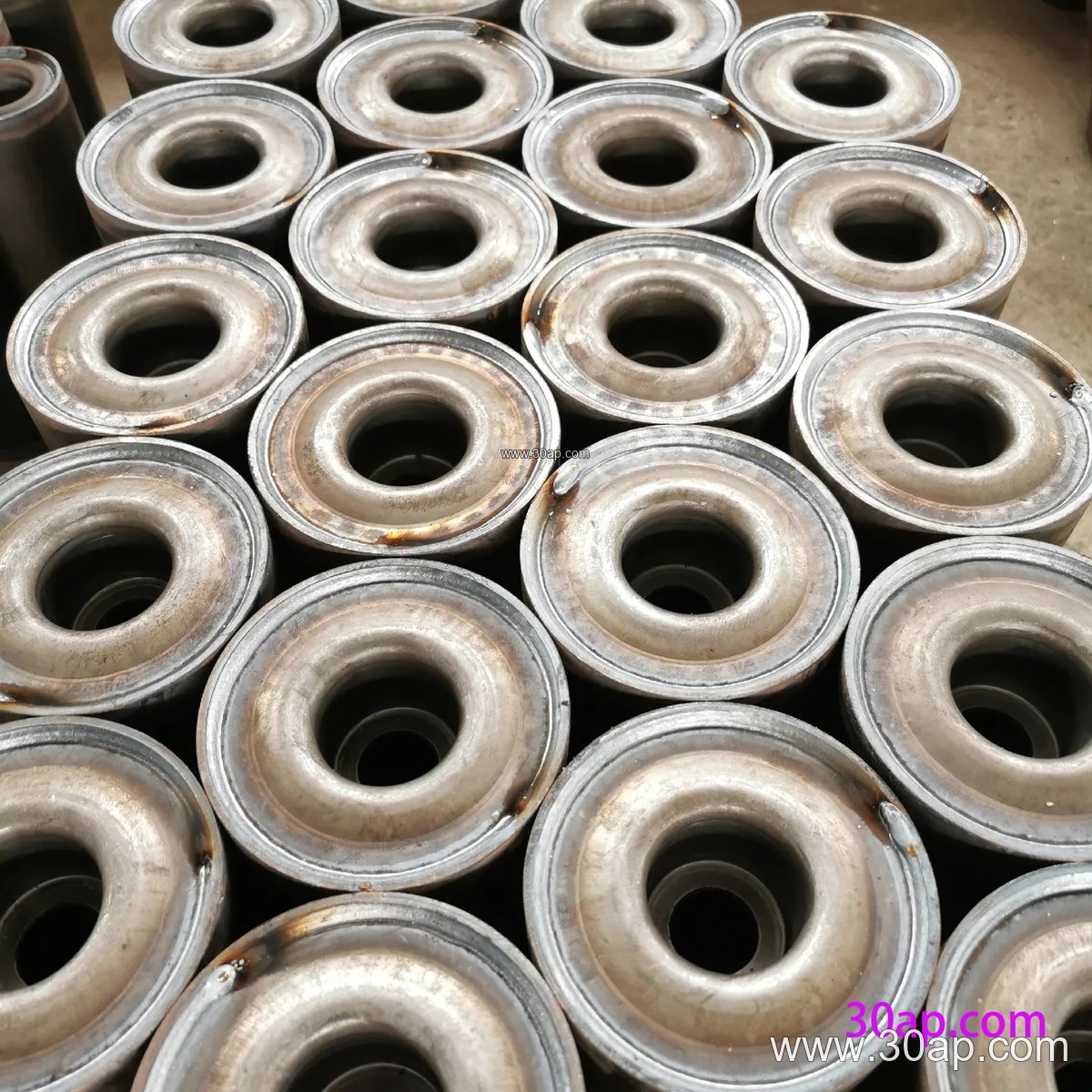
The typical construction includes a plastic tube, a shaft, bearing housings, and seals. The plastic shell may be a thermoplastic or a reinforced composite, chosen for resistance to abrasion, moisture, and some chemicals. Bearings are usually deep-groove ball bearings such as 6204, 6205, 6305, 6306, 6308, or 6310, but the bearing size is selected by the idler manufacturer based on load and speed, not by belt width alone. Seals are critical in dusty environments, and a labyrinth or contact seal helps keep grit out of the bearing cavity.
Roller diameter is one of the first things a buyer sees. Common plastic idler diameters include Ø63, Ø76, Ø89, Ø102, Ø108, Ø127, Ø133, Ø159, Ø178, Ø194, and Ø219 mm. Smaller diameters are often used on return runs or light-duty sections, while larger diameters appear where belt speed and load are higher. The roller length depends on belt width, trough angle, and idler arrangement. For a three-roll troughing set, common roll lengths are approximately 200 mm for B500, 250 mm for B650, 315 mm for B800, 380 mm for B1000, 465 mm for B1200, 530 mm for B1400, 600 mm for B1600, 670 mm for B1800, and 750 mm for B2000. These are examples, not fixed rules, and side rolls may differ from the center roll.
Trough Angles and Belt Support
The trough angle affects how the belt carries bulk material. Common trough angles are 20, 30, 35, and 45 degrees. A 20-degree trough is gentle and suits materials that should not shift too much, while a 35- or 45-degree trough gives a deeper channel for higher capacity. A plastic idler set may be supplied as a single-roll, two-roll, or three-roll troughing arrangement. The choice depends on the conveyor design and the material being handled, such as aggregate in a quarry or clinker in a cement plant.
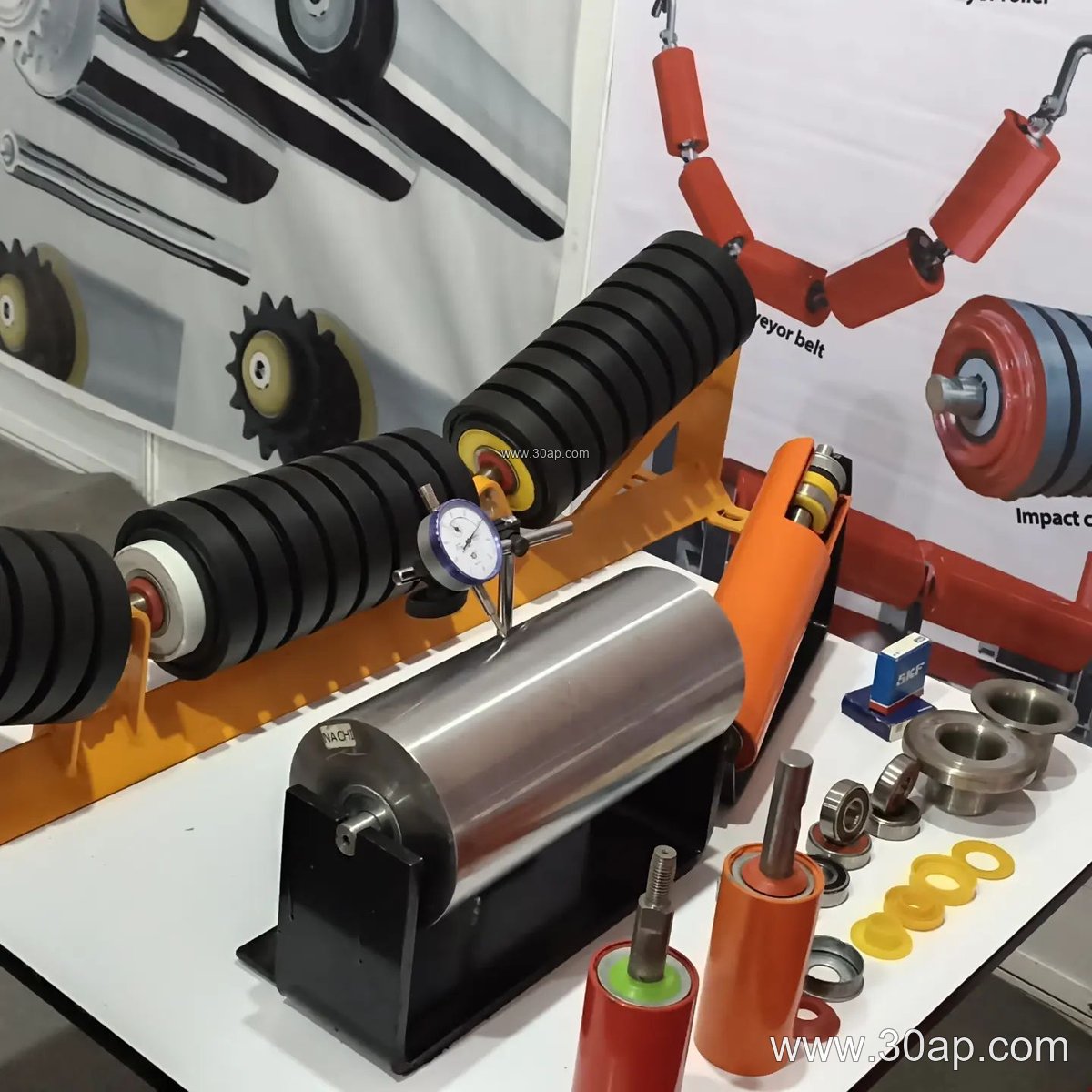
On the return side, a flat return idler or a V-return idler may be used. These are different subtypes and should not be substituted for a troughing idler without checking the conveyor layout. When the belt needs centering, a self-aligning idler may be considered, but that is a separate function from the standard plastic idler discussed here.
Where Plastic Idlers Are Used
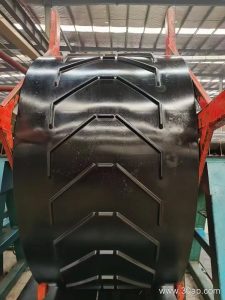
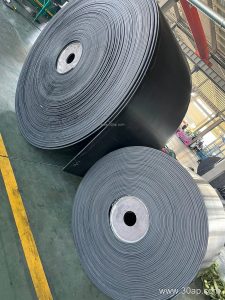
Plastic idlers are often found in quarries, sand and gravel lines, cement plants, and some port applications where corrosion or weight is a concern. They can also appear in recycling and light bulk handling. In these settings, a rubber conveyor belt or an EP conveyor belt may run over the idlers, and the idler surface should be compatible with the belt cover. For example, an abrasion resistant conveyor belt may be used on the carrying side in a crusher conveyor, while a flame retardant conveyor belt may be required in coal handling areas. The plastic idler itself does not replace the conveyor pulley or the drive system; it is a supporting component.
Buyer Checklist
- Confirm the belt width and the idler arrangement: single, two-roll, or three-roll troughing.
- Check the required roller diameter and shaft size against the conveyor bracket.
- Ask about bearing size and seal type for the actual dust and moisture level.
- Verify the trough angle and the roll length for the specific conveyor section.
- Consider the belt type, such as a fabric core conveyor belt or a steel cord conveyor belt, and any special cover requirements.
- Do not assume that one belt width matches only one pulley diameter, or that one bearing fits every roller diameter.
For a reliable selection, share the conveyor layout, belt width, material, and environmental conditions with the supplier. A plastic idler can be a practical choice in the right application, but it must be matched to the conveyor and the duty.