What an Underground Mining Conveyor Belt Does
An underground mining conveyor belt is the load-carrying element of a continuous haulage system installed in tunnels, declines and shaft-adjacent roadways. It moves run-of-mine rock, coal, ore or aggregate from the working face or loading point to a transfer station, skip or surface stockpile. Because the belt operates in a confined, often wet and dusty environment, its construction must balance tensile strength, abrasion resistance, flame safety and dimensional stability.
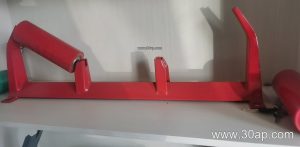
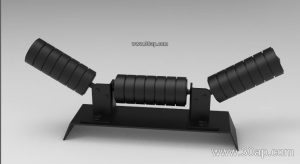
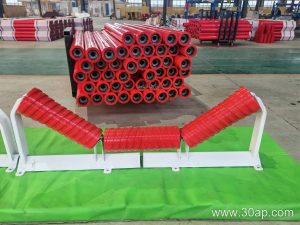
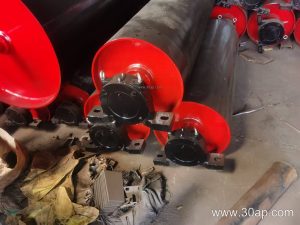
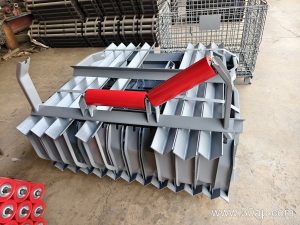
The belt is not a standalone item. It runs on a frame fitted with idler rollers, wraps around a head drive pulley, a tail pulley and bend pulleys, and is supported by conveyor brackets along the structure. Each of these parts has a distinct role; drive, tail and bend pulleys are separate components and should never be treated as interchangeable.
Construction and Common Configurations
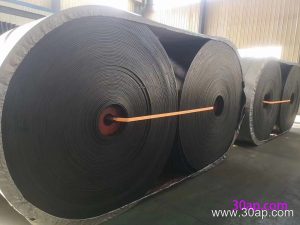
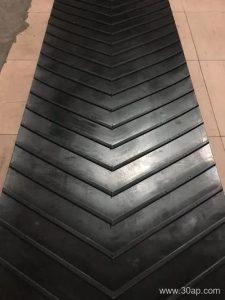
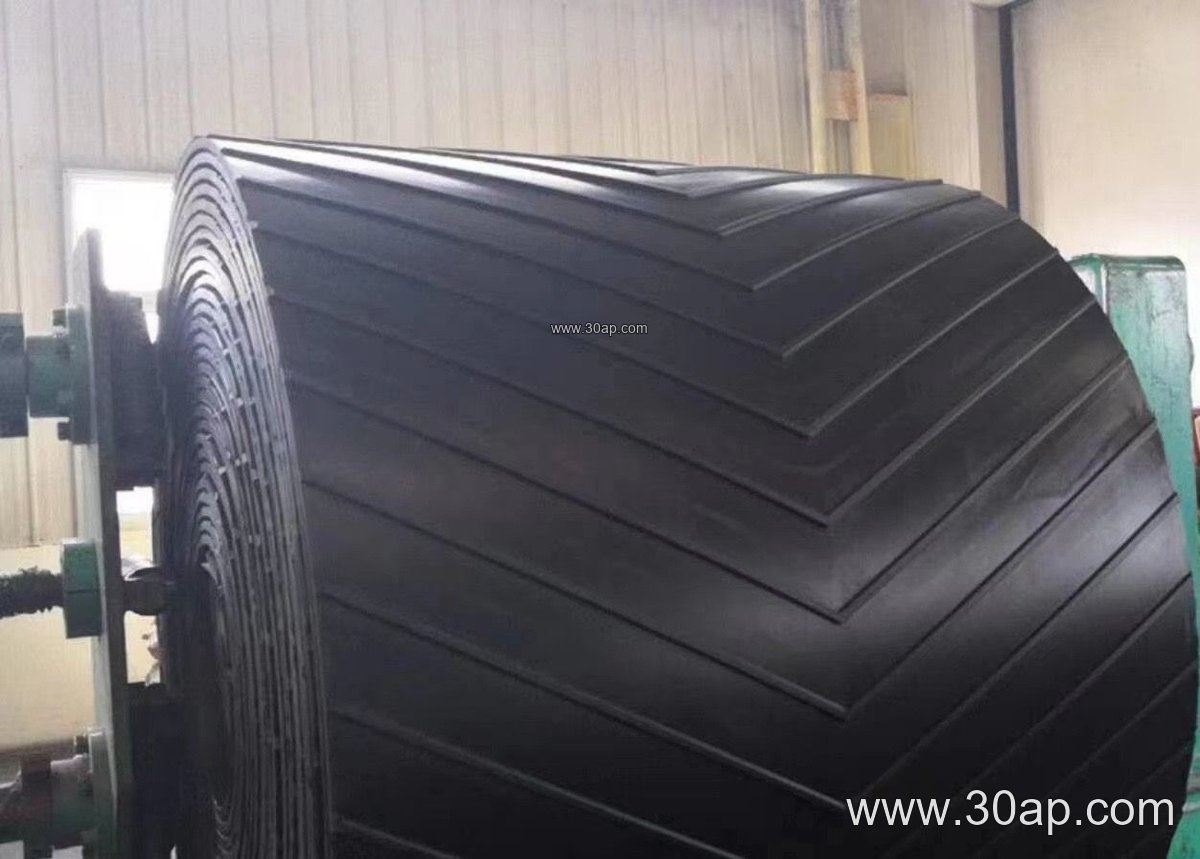
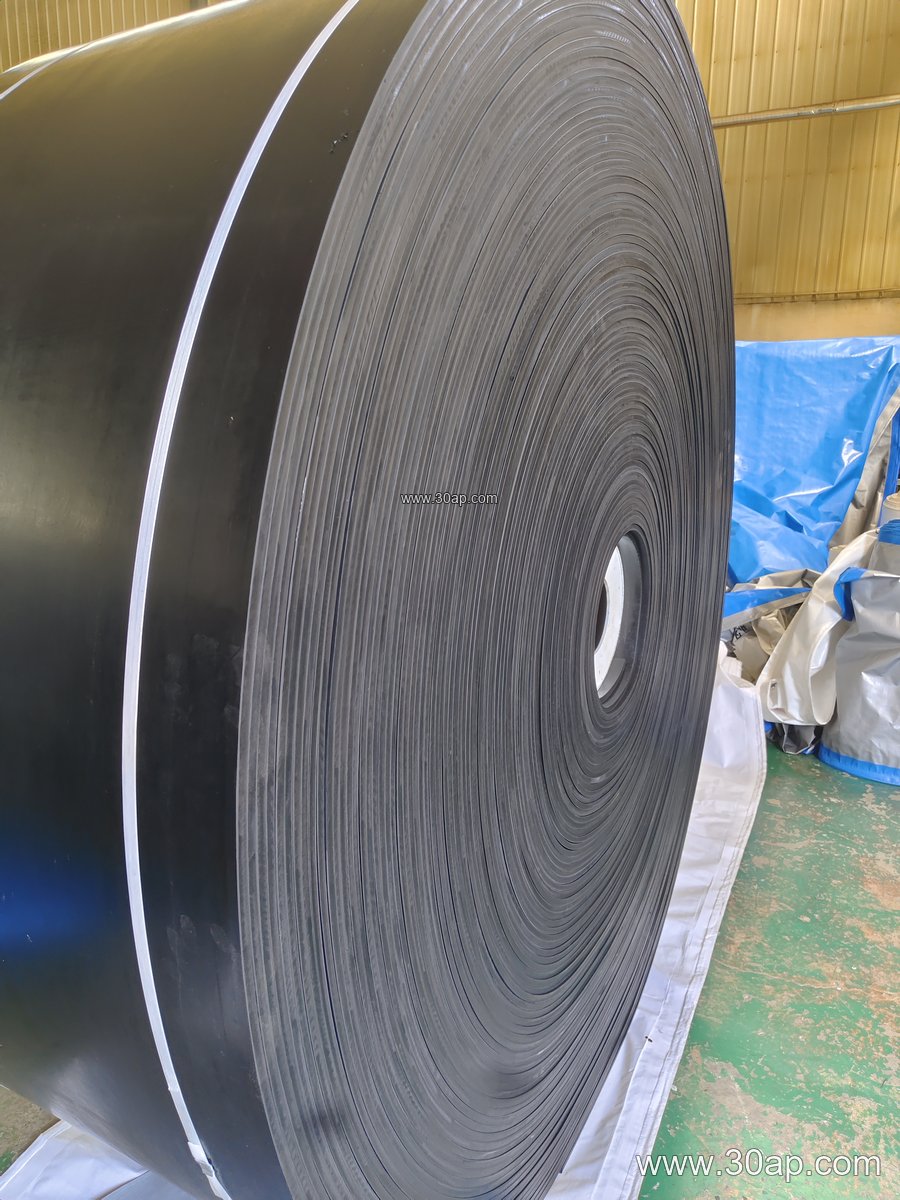
Most underground belts use a fabric core or a steel cord carcass covered with rubber or PVC-based compounds. Fabric constructions are popular in roadways with moderate loads and frequent extensions, while steel cord designs suit long, high-tension profiles. Common carcass options include EP Conveyor Belt, NN Conveyor Belt and Steel Cord Conveyor Belt. For gassy coal roadways, PVG Conveyor Belt and PVC Mining Conveyor Belt are frequently specified for their flame retardant and anti-static behavior.
| Item | Typical reference values |
|---|---|
| Belt width | B500, B650, B800, B1000, B1200, B1400, B1600, B1800, B2000 |
| EP strength grades | EP200, EP315, EP400, EP500, EP630, EP800, EP1000, EP1250, EP1600, EP2000 |
| Cover thickness | 3+1.5 mm, 4+2 mm, 5+2 mm, 6+2 mm, 8+3 mm |
| Fabric plies | 2 to 6 layers, depending on design |
Width and strength are independent variables, so a given belt width does not dictate one pulley diameter or shaft size. Those values are set by the conveyor designer using tension, wrap angle and take-up travel.
Where It Fits in the Mine Circuit
Underground installations appear in coal mines, metal mines, limestone operations and tunnel projects. A typical circuit includes a face conveyor discharging onto a gate road belt, which feeds a main trunk conveyor and then a surface incline. In hard-rock mines, an Ore Conveyor Belt may carry copper or iron ore after primary crushing, while a Quarry Conveyor Belt handles stone in adjacent aggregate plants.
Related industries use similar belts: cement plants move clinker and raw meal, power plants handle coal, and sand making plants transport crushed stone. In these settings, a Heavy-Duty Mining Conveyor Belt with an Abrasion Resistant Conveyor Belt cover is often chosen for sharp, high-impact material. Where oil or heat is present, an Oil Resistant Conveyor Belt or Heat Resistant Conveyor Belt may be required.
Selection Points for Buyers
- Confirm the material type, lump size and drop height; impact at the loading point often governs cover thickness.
- Check the required tensile grade against the conveyor’s calculated tension, not against belt width alone.
- For coal roadways, verify flame retardant and anti-static properties of the PVG or PVC construction.
- Consider troughability and flexibility if the route has small-diameter idler rollers or tight bends.
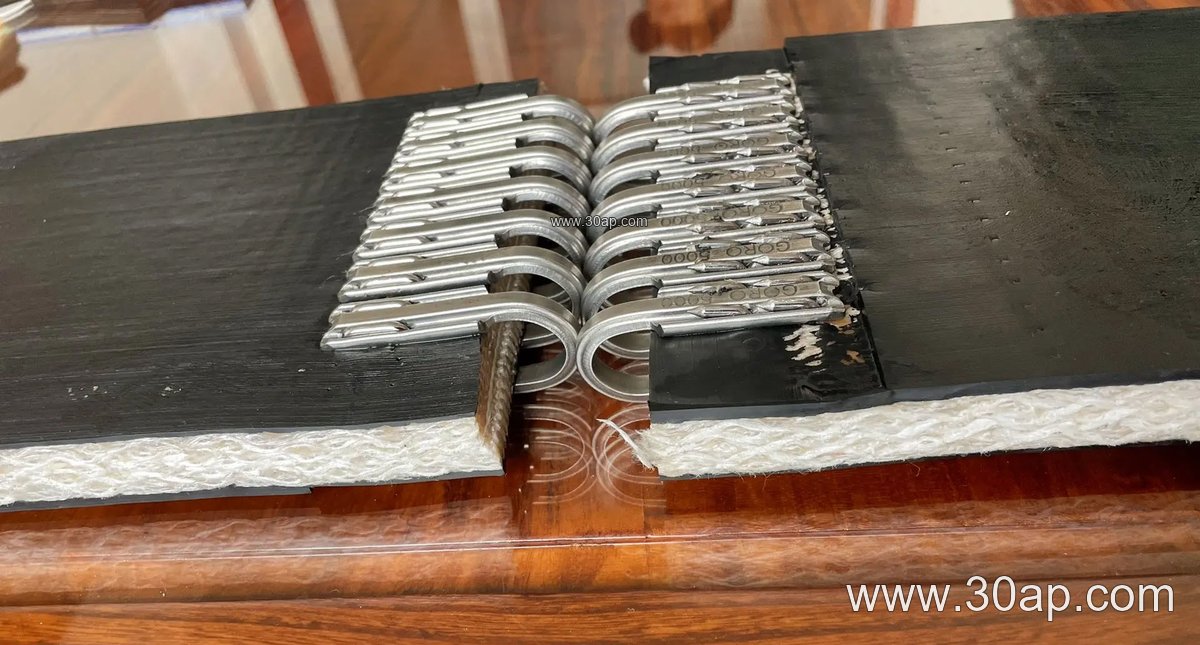
- Review splice compatibility and whether an Endless Conveyor Belt is preferred for fixed installations.
- Match the belt to the pulley and idler layout supplied by the conveyor builder.
Maintenance and Service Life
Inspect the belt regularly for edge wear, cover gouges and carcass exposure. Keep idler rollers turning freely, check pulley lagging for wear, and confirm that conveyor brackets remain aligned so the belt tracks centrally. Misalignment accelerates edge damage and can cause spillage at transfer points. Store spare belts flat and away from direct sunlight and ozone sources.
For more information on matching belts with rollers and pulleys, visit conveyorbeltpro.com and review our notes on idler roller and conveyor pulley selection for underground mining conveyor belt projects.