What a Parallel Idler Bracket Does
A parallel idler bracket is the stationary support frame that holds the carrying-side idler rollers in a fixed, parallel arrangement along a conveyor. Instead of tilting the rollers into a trough, this bracket keeps them level, so the belt runs flat across the support line. It is a common sight in plants where the load is light, the belt is wide, or the material needs a stable, flat profile — cement plants handling additives, power plant coal yards, and sand and gravel lines all use flat carrying sections at certain points.
The bracket is not a rotating part. Its job is to position the idler roller correctly, transfer the load into the conveyor frame, and keep spacing consistent so the conveyor belt does not sag between supports. Because the rollers stay parallel to the frame, the bracket is sometimes called a flat carrying bracket or a parallel roller support, and the two names refer to the same component.
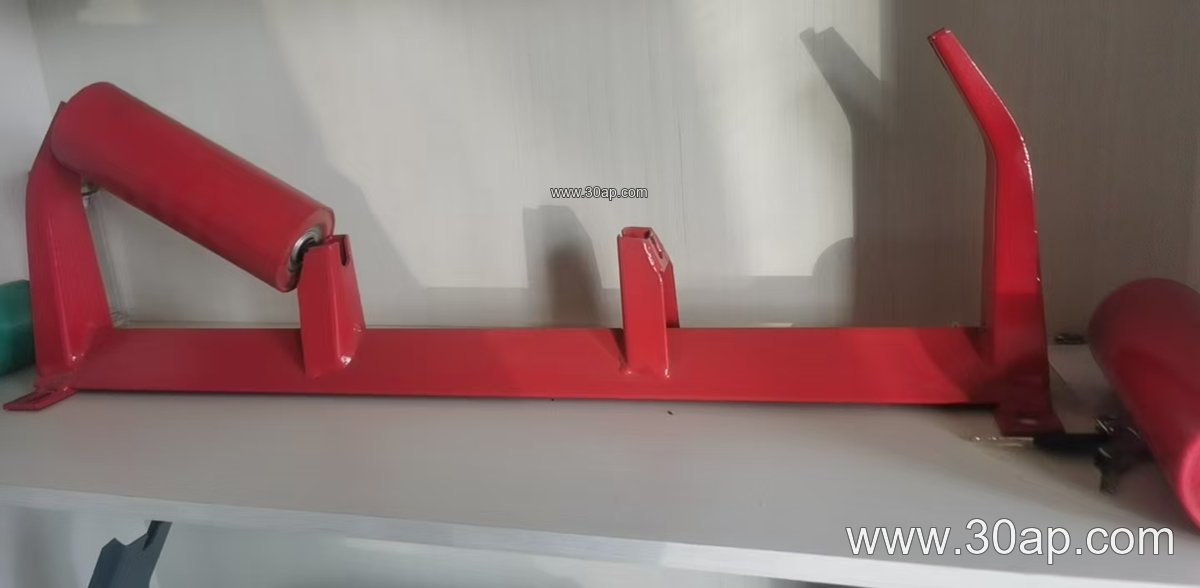
How the Bracket Is Built
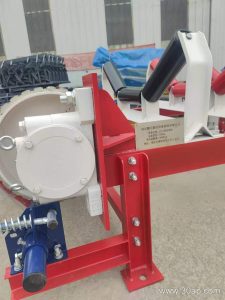
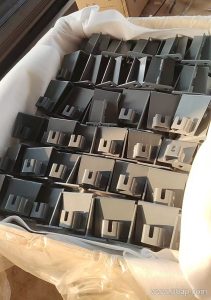
Most parallel idler brackets are fabricated from angle steel, channel steel, or bent steel plate. The frame usually consists of a horizontal cross member with two or more mounting pads or slots, plus vertical legs or hooks that attach to the conveyor stringer. Roller seats are positioned to match the idler shaft ends, and the hole spacing is determined by the belt width and the roller diameter rather than being a universal figure.
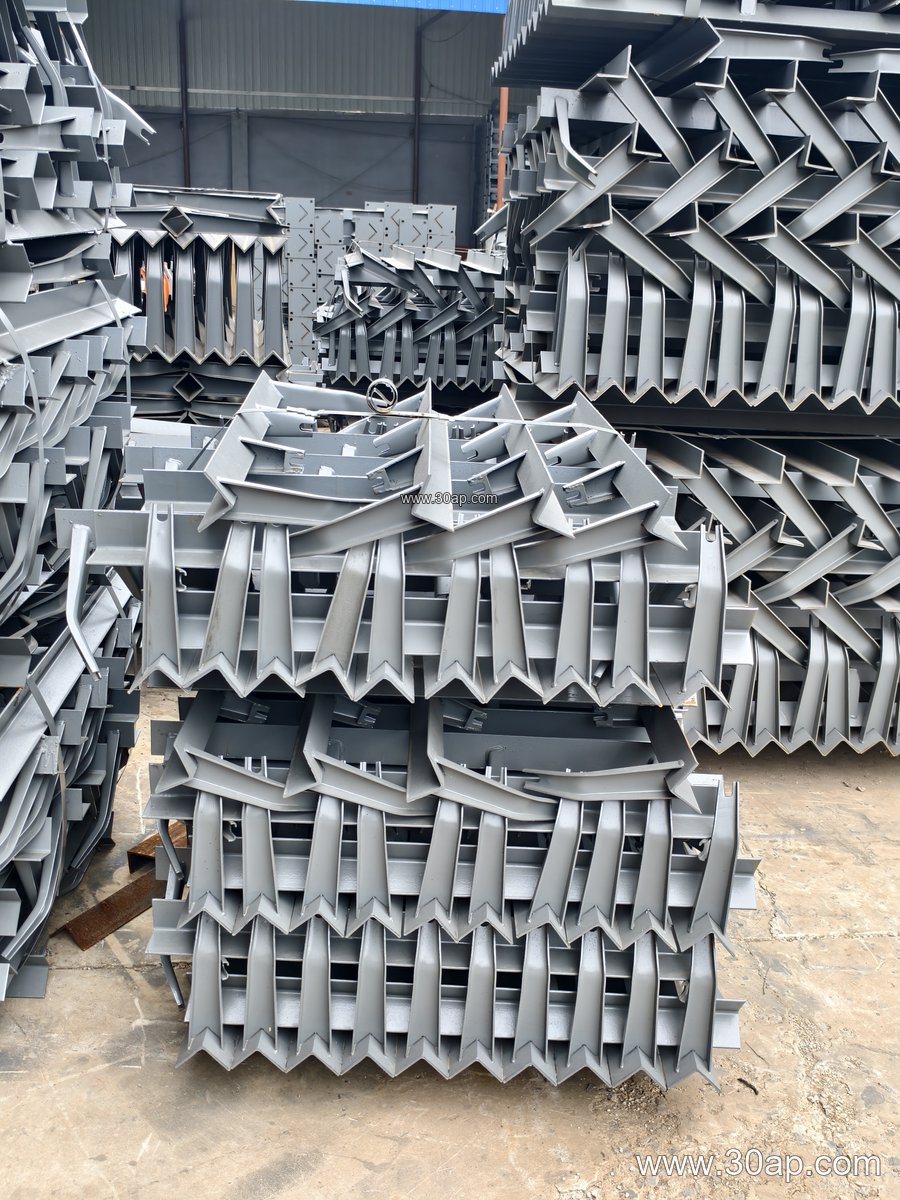
- Cross member: angle or channel, drilled for roller mounting
- Mounting pads: slotted to allow small position adjustment
- Finish: painted or galvanized, depending on the environment
- Attachment: bolted to the stringer or hooked over the frame
Because the bracket carries the weight of the belt and material, the steel section must suit the load. A heavy-duty mining conveyor belt moving ore at high tonnage needs a stiffer bracket than a light aggregate conveyor belt in a small quarry line.
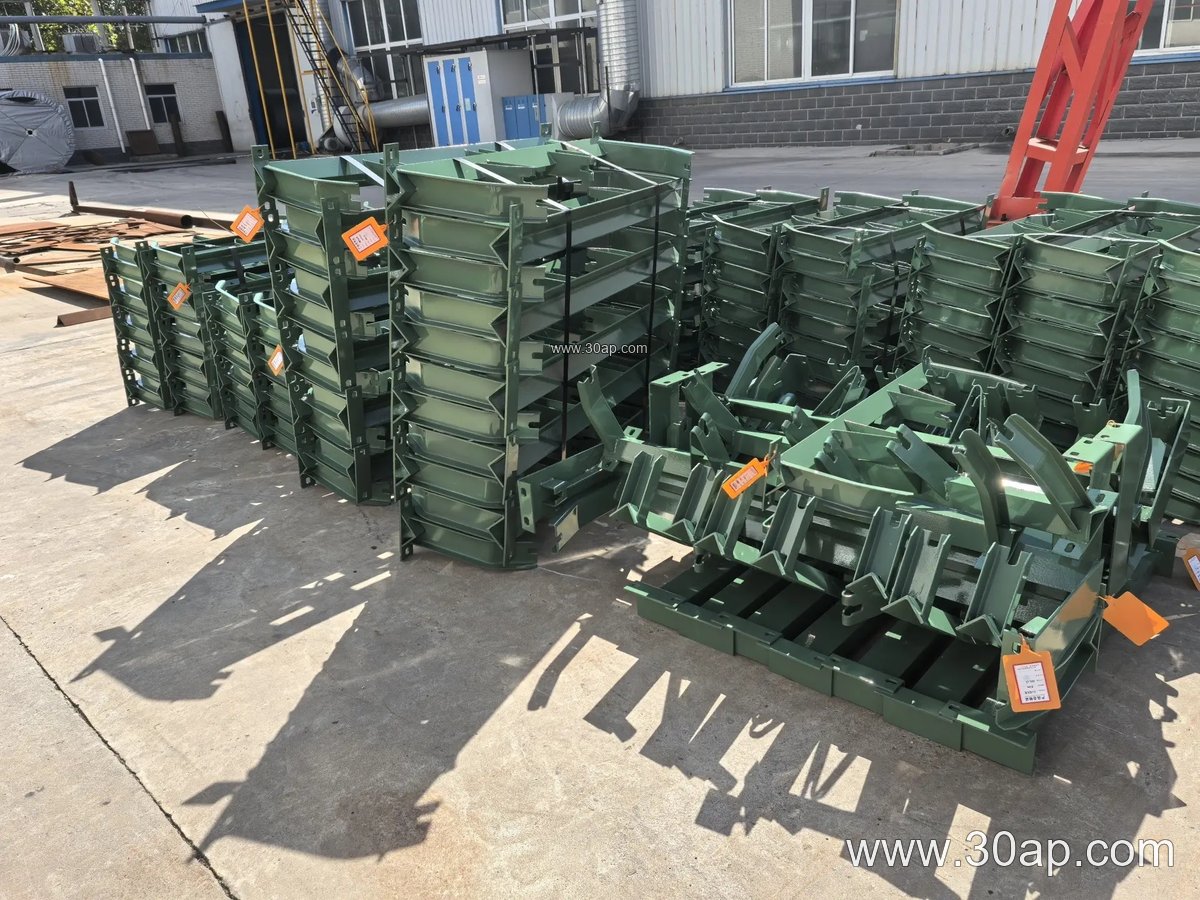
Where Parallel Brackets Fit in a Conveyor
Flat carrying sections appear at loading points, transfer stations, and anywhere the material profile must stay low. In a coal mining conveyor belt system, a parallel bracket may be used just after a crusher discharge where the load is spread wide. In a cement plant, flat sections are common on additive and clinker transport lines. Port and ship loading conveyors also use flat runs where the belt must pass under a chute or a tripper.
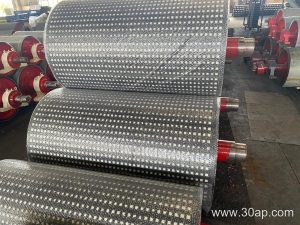
It is important not to confuse this bracket with its neighbours. A troughing bracket sets the rollers at a trough angle, while a return bracket supports the empty side of the belt. A V-return bracket and a parallel bracket serve opposite sides of the belt and are not interchangeable. Likewise, the pulley at the head or tail of the conveyor — the drive pulley or tail pulley — is a completely different component from any idler bracket.
Matching Bracket, Roller, and Belt Width
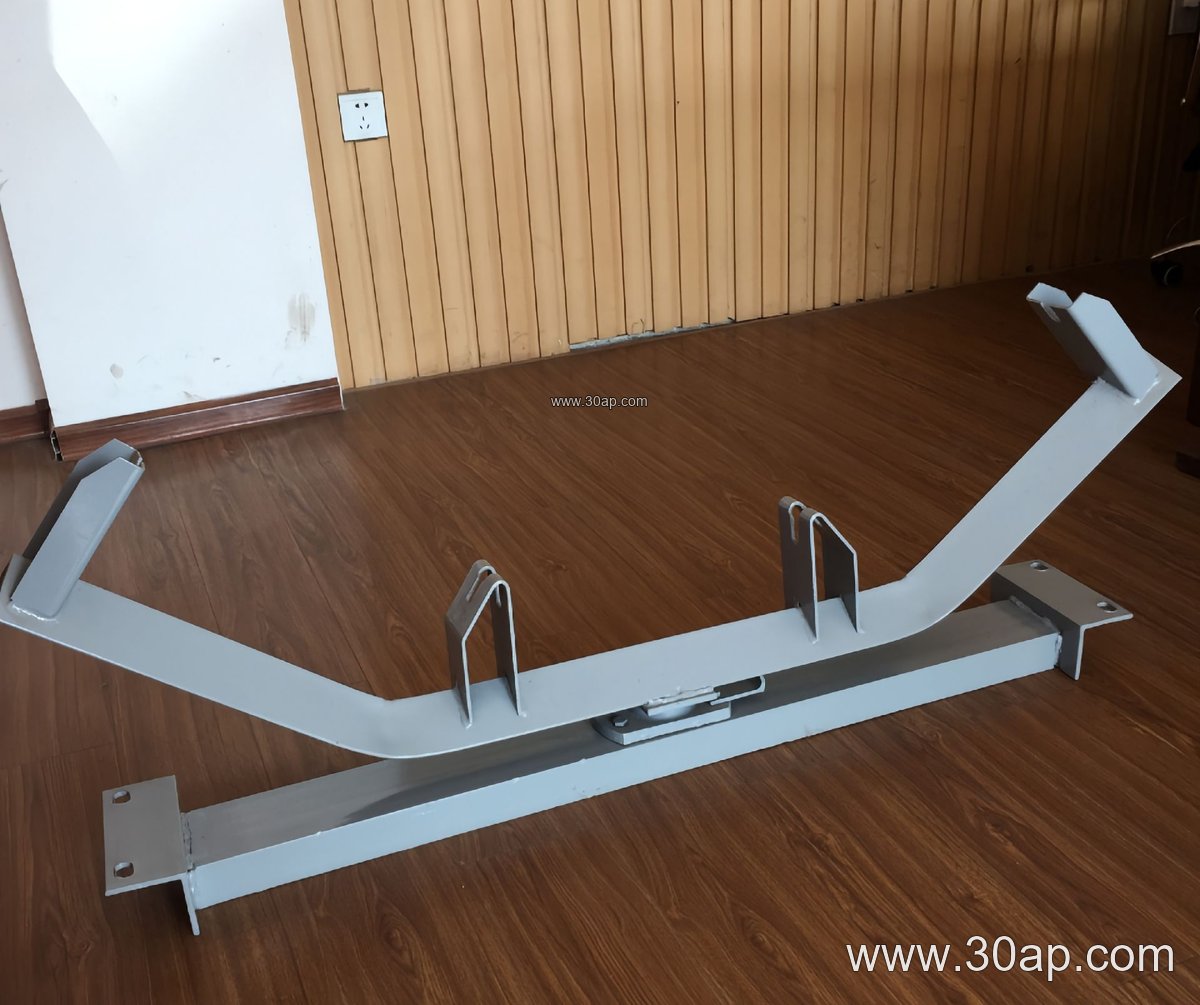
Selection starts with belt width and roller diameter. Common belt widths include B500, B650, B800, B1000, B1200, B1400, B1600, B1800 up to B2000 and beyond, and common roller diameters include Ø89, Ø108, Ø133, Ø159, and Ø194. These are reference ranges, not fixed pairings; a B800 belt may run with Ø108 rollers in one plant and Ø133 in another, depending on load and speed.
| Belt Width | Typical Roller Diameter | Bracket Note |
|---|---|---|
| B500 – B650 | Ø89 – Ø108 | Light frame, short cross member |
| B800 – B1000 | Ø108 – Ø133 | Standard angle or channel frame |
| B1200 – B1400 | Ø133 – Ø159 | Reinforced cross member |
| B1600 – B2000 | Ø159 – Ø194 | Heavy fabricated frame |
Mounting hole distance and cross-member length change with belt width and roller size, so the bracket should be ordered against the actual conveyor drawing. A bracket built for a 1200mm wide conveyor belt will not fit a 650mm frame.
Buyer Checklist
Before ordering, confirm the belt width, the idler roller diameter, the shaft end type, and the stringer attachment method. Ask whether the frame needs to be fixed or adjustable, and check the steel thickness against the load. For abrasive or hot material, consider how the bracket will be protected from spillage and heat. A well-matched parallel idler bracket keeps the belt flat, reduces edge wear, and supports trouble-free running in quarry, coal, cement, and power plant service.