What Is a Non-Standard Conveyor Bracket?
A non-standard conveyor bracket is a support component made to order when a stock bracket cannot fit the conveyor structure, the idler roller position, or the belt path. Instead of forcing a standard part into a layout that does not match, engineers specify a custom bracket that follows the actual frame dimensions, the required trough angle, and the mounting hole pattern. This kind of bracket is common in quarry lines, coal preparation plants, and cement plants where conveyors are often modified or built around existing steelwork.
The bracket is not a single item. It can be an upper trough bracket, a return bracket, a transition bracket, a self-aligning bracket, or an adjustable bracket. Each type serves a different position along the conveyor, and each one is made to suit the local frame rather than a catalogue page.
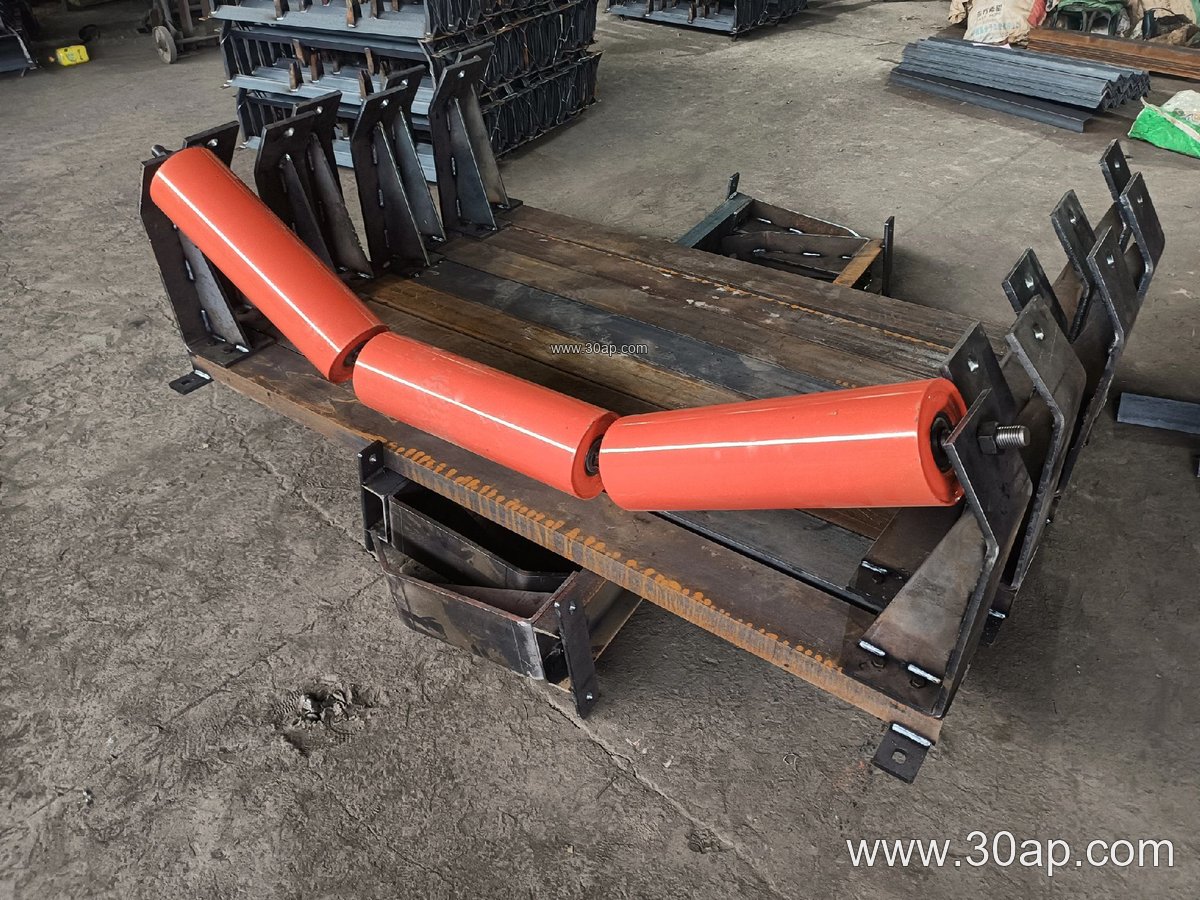
How a Custom Bracket Is Built
Most non-standard conveyor brackets are fabricated from angle steel, channel steel, or folded steel plate. The fabricator cuts, punches, and welds the part according to a drawing that shows the belt width, the trough angle, the idler roller diameter, and the distance between mounting holes. Because the bracket ties the idler roller to the conveyor frame, small differences in hole spacing or beam length matter. A bracket that is a few millimetres off can cause the roller to sit unevenly and the belt to track poorly.
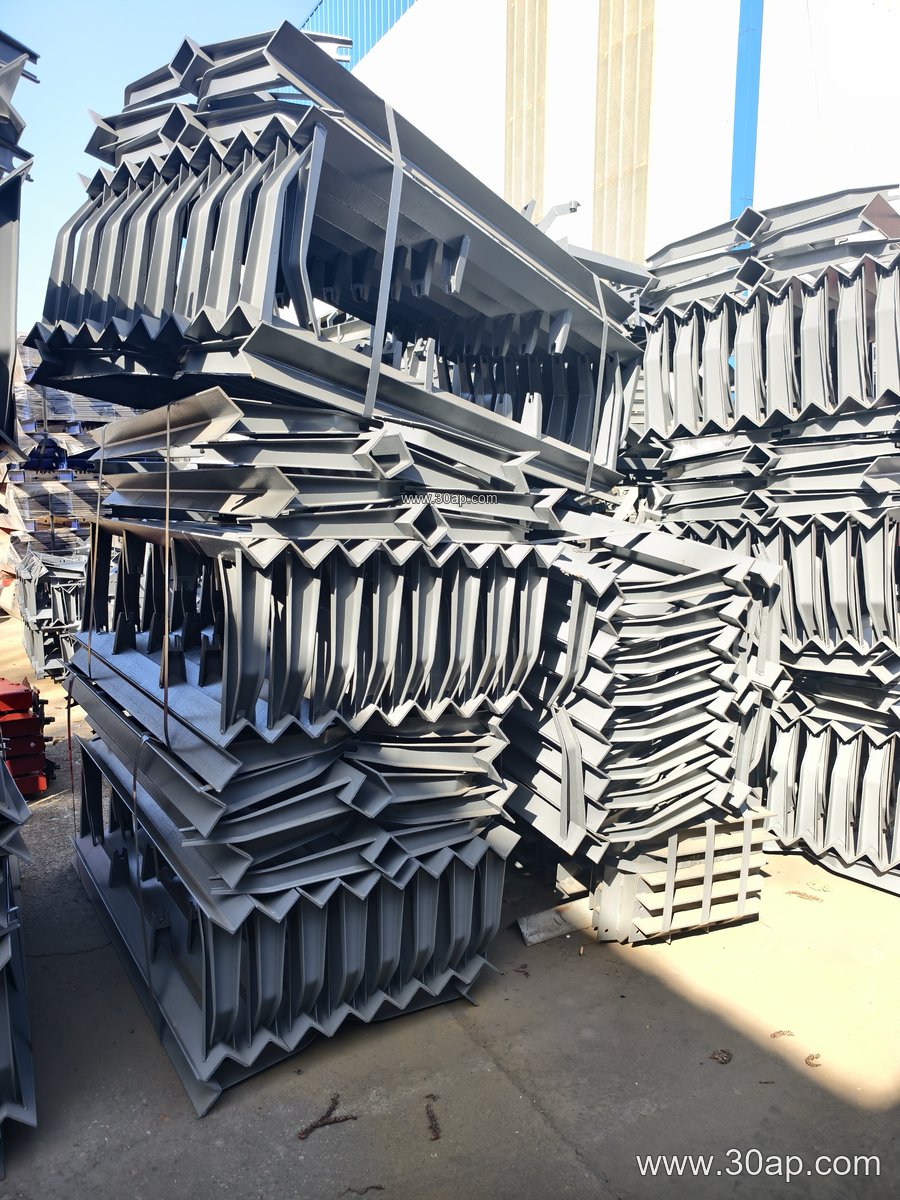
Common belt widths for these brackets include B500, B650, B800, B1000, B1200, B1400, B1600, B1800, B2000, B2200. The trough angle is usually 20, 30, 35, or 45 degrees, and an adjustable bracket can move between these angles. Roller diameters such as Ø89, Ø108, Ø133, Ø159, and Ø194 are often referenced when the bracket is designed. A typical combination might be written as B800, 35 degrees, Ø108, but the exact hole spacing and crossbeam length are always determined by the design, not by a fixed rule.
Where Non-Standard Brackets Are Used
These brackets appear wherever a conveyor has to fit around existing structures. In a limestone mine, a transfer point may need a transition bracket that guides the belt from a flat pulley into a troughed run. In a coal washing plant, a self-aligning bracket may be added to correct belt wander on a long incline. In a sand and gravel line, a buffer bracket may be used under a loading point to absorb impact from large lumps. The same idea applies in power plant coal handling, steel plant sinter lines, and port loading systems.
When the conveyor carries a heavy-duty mining conveyor belt or an abrasion resistant conveyor belt, the bracket must be strong enough to hold the idler roller under load without flexing. A non-standard bracket is often the practical answer when the frame is not square, when the belt width changes along the line, or when a standard bracket would leave the roller too high or too low.
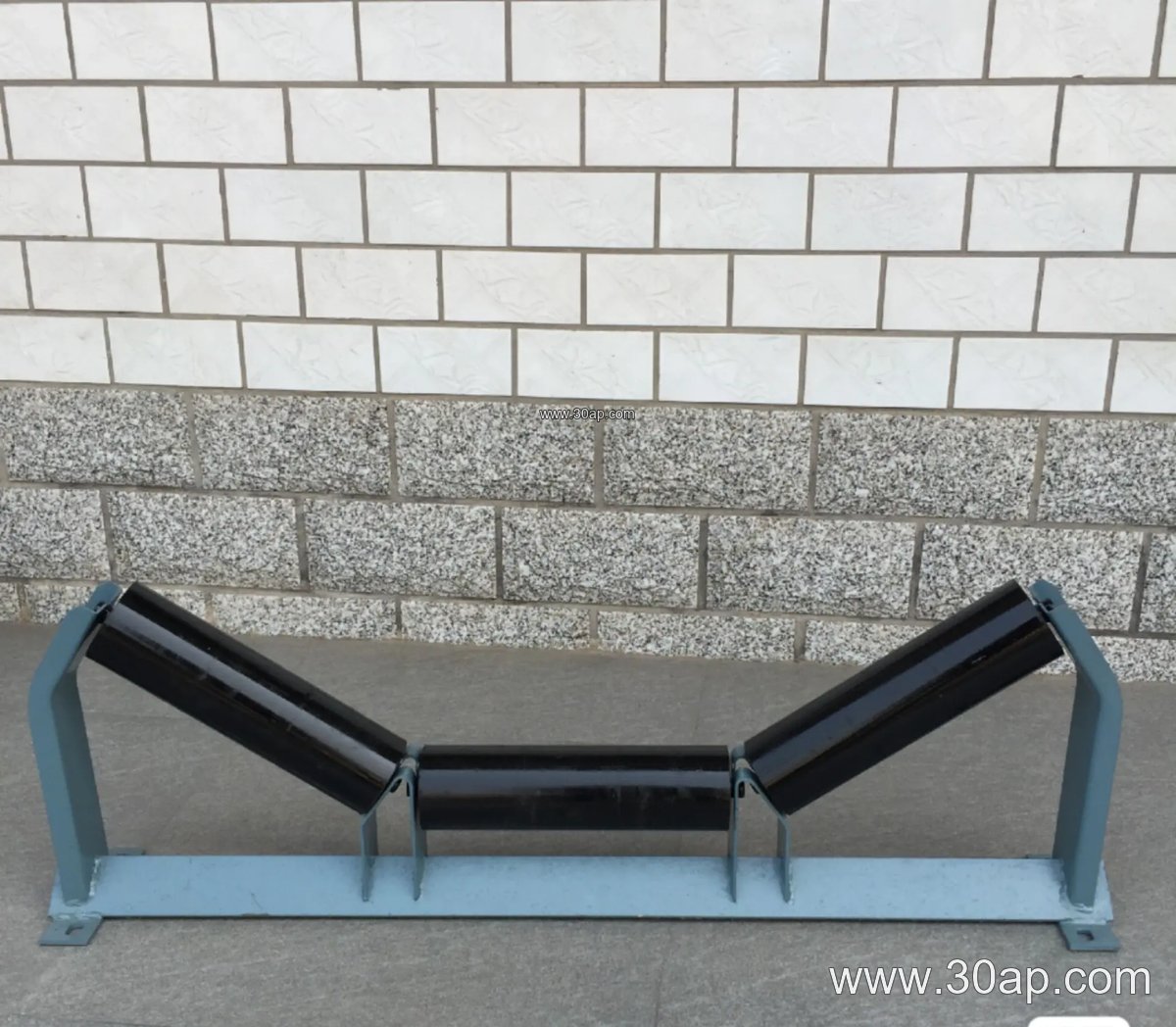
Adjustable and Fixed Brackets
An adjustable non-standard conveyor bracket allows the trough angle to be set on site. This is useful during commissioning, when the belt needs to be centred and the load profile is being checked. A fixed bracket is welded or bolted in one position and is simpler to maintain. The choice depends on whether the conveyor is expected to run at a single setting or whether future changes are likely. In both cases, the bracket should be matched to the idler roller and the conveyor belt, not selected in isolation.
What Buyers Should Check
- Confirm the belt width and the required trough angle before requesting a quote.
- Provide the idler roller diameter and the actual mounting hole spacing from the frame.
- State the conveyor position: upper trough, return, transition, or self-aligning.
- Ask for the material and surface treatment, since dusty or wet conditions affect longevity.
- Check that the bracket design leaves enough clearance for the conveyor belt and the pulley.
A non-standard conveyor bracket is a small part, but it decides how well the idler roller sits and how straight the belt runs. For custom layouts in quarry, mining, and bulk material handling, it is often the difference between a conveyor that tracks well and one that needs constant adjustment.