What the Head Drive Pulley Does
The head drive pulley is the powered roller at the discharge end of a belt conveyor. It grips the conveyor belt through friction and pulls the loaded strand toward the head, where material is released into a chute, screen, or stockpile. Because it transmits the drive torque, this component is often called the drive drum or head drum, and in some plants simply the main pulley. It should not be confused with a tail pulley, which turns freely at the loading end, or with a bend pulley, which only redirects the belt path.
In a quarry conveyor or a cement plant clinker line, the head drive pulley is usually the largest and most heavily built pulley on the machine. Its job is simple in principle and demanding in practice: move a continuous, heavily loaded belt without slipping, while resisting abrasion and keeping the belt centered.
Construction and Surface Options
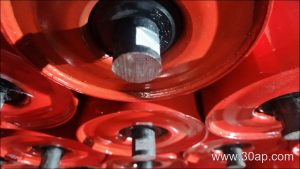
A typical unit combines a cylindrical shell, end discs, a shaft, bearing housings, and a lagging layer on the shell face. The shell is welded from rolled steel plate; the shaft is sized by torque and radial load rather than by belt width alone. Common shaft diameters include Ø80, Ø100, Ø120, Ø140, and Ø160, but the final value must come from the drive calculation.
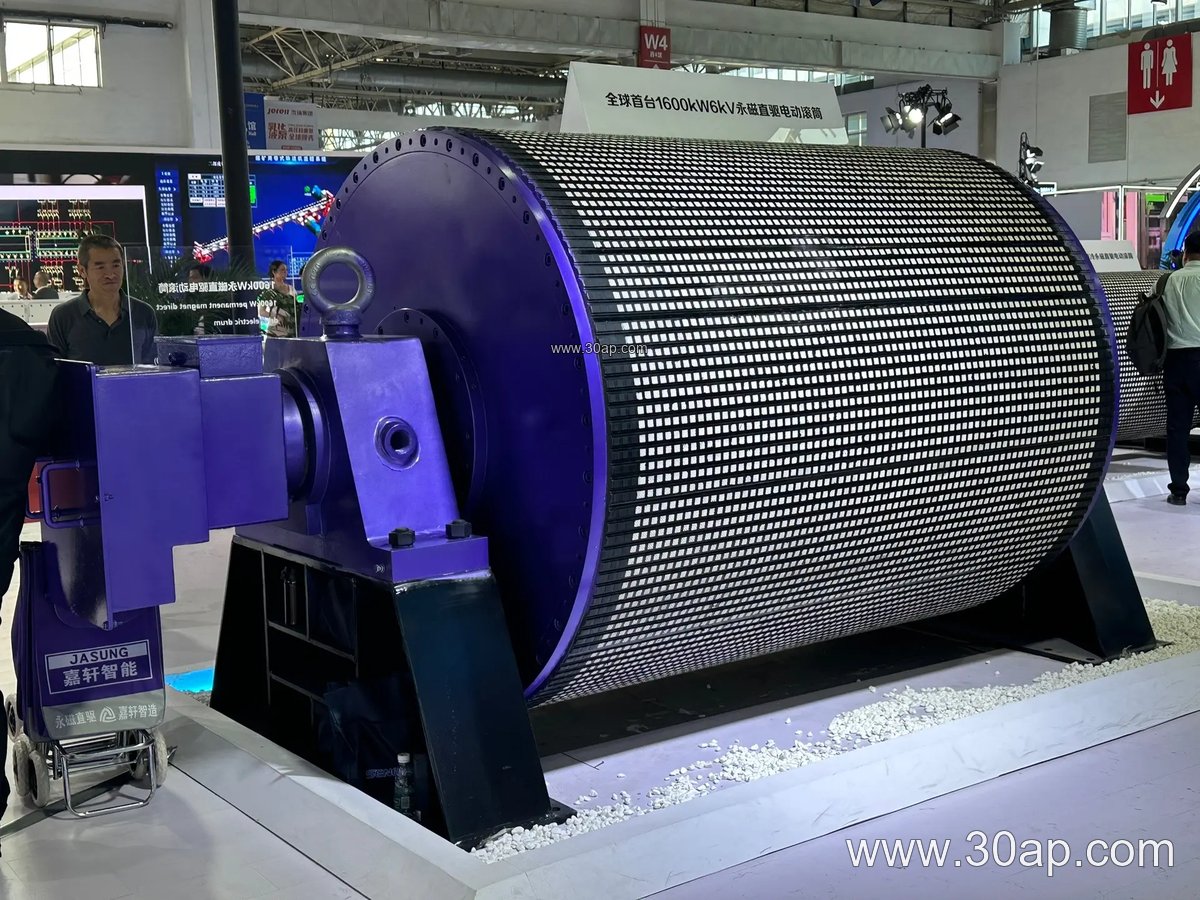
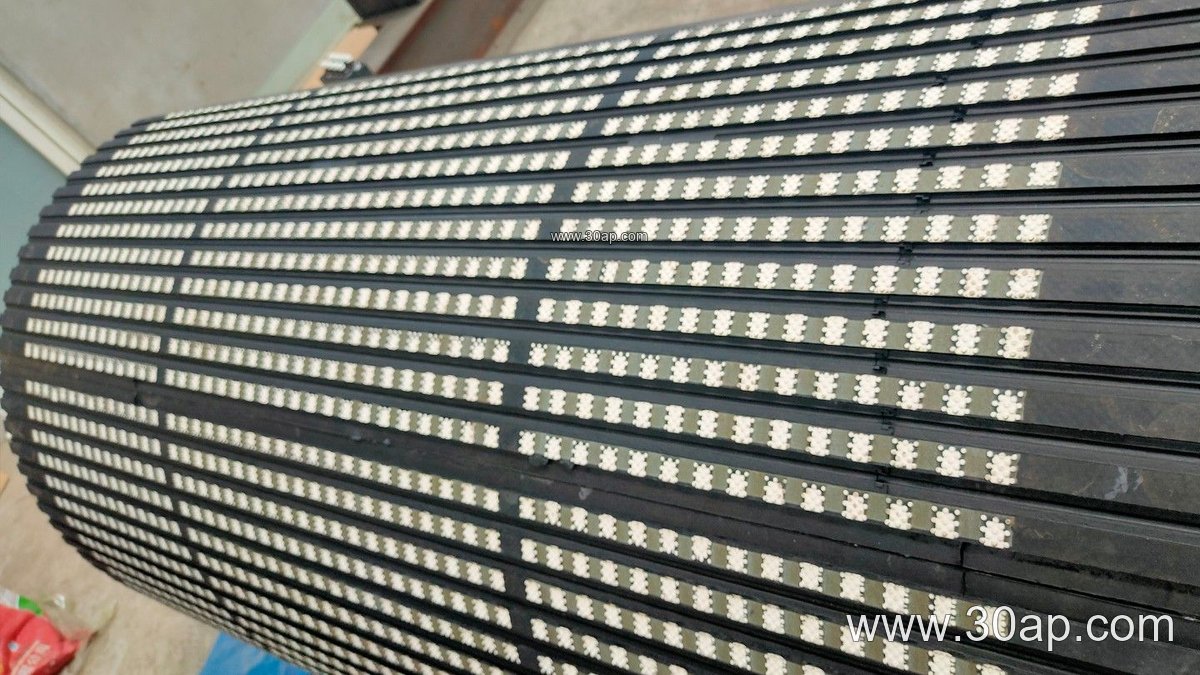
Lagging is where buyers have real choices. Plain (smooth) shells suit some light-duty or cleaning-sensitive duties. Rubber lagging, applied by cold bonding or hot vulcanizing, raises friction and protects the shell. Diamond grooving improves water shedding, while herringbone patterns help with tracking in wet or dusty conditions. Ceramic lagging is chosen where slip and abrasive wear are both severe. Common lagging thicknesses are 8, 10, 12, 15, and 20 mm.
Surface form matters as much as thickness. A head pulley running in a wash-down area may benefit from grooved rubber, while a dry, high-torque drive in a power plant coal handling system may use plain or diamond lagging. The choice should follow the actual friction demand and the belt’s cover compound.
Matching Belt Width and Pulley Size
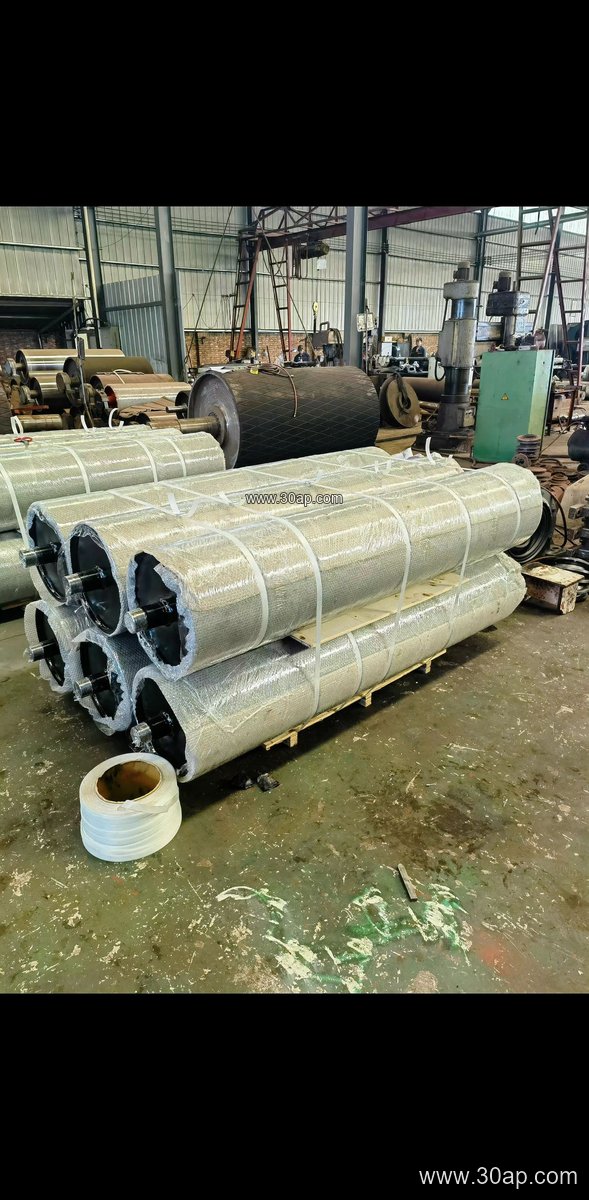
Pulley face width is normally wider than the belt so the belt has room to track. Reference pairings often look like B800 with a 950 mm face, B1000 with about 1150 mm, B1200 with about 1400 mm, and B1400 with about 1600 mm. Diameter is a separate decision driven by belt tension, wrap angle, belt stiffness, and the allowable surface pressure on the belt cover.
Common combinations include B800 × Ø500, B1200 × Ø1000, and B1400 × Ø800. These are examples, not fixed rules. A wider belt does not automatically require a larger diameter, and a given belt width can work with more than one pulley diameter. The table below shows typical reference values.
Reference Dimensions
| Belt width | Typical pulley face | Example diameter |
|---|---|---|
| B500 | about 600 mm | Ø315 or Ø400 |
| B650 | about 750 mm | Ø400 or Ø500 |
| B800 | about 950 mm | Ø500 or Ø630 |
| B1000 | about 1150 mm | Ø630 or Ø800 |
| B1200 | about 1400 mm | Ø800 or Ø1000 |
| B1600 | about 1800 mm | Ø1000 or Ø1250 |
Larger diameters reduce belt bending stress and can improve wrap behavior, but they add weight and cost. The engineering balance is best left to the conveyor designer.
Where It Fits in the Plant
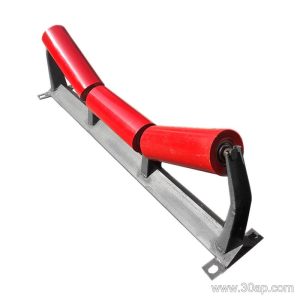
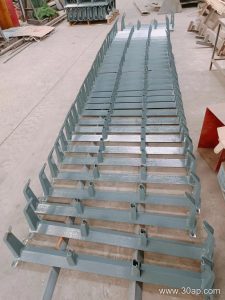
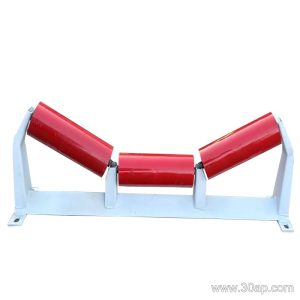
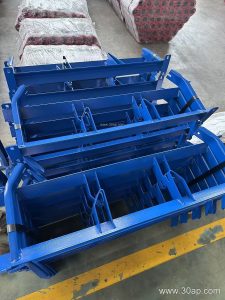
You will find head drive pulleys in limestone mines feeding a crusher, in aggregate plants transferring material between screens, in port bulk terminals loading ships, and in steel plant sinter lines. In each case the pulley works with the conveyor belt, idler roller sets, and conveyor bracket frames that support the belt along its run. The discharge end is often the dirtiest and most loaded point, so bearing seals and lagging wear deserve attention.
Different belt constructions change the load on the drive. A heavy-duty mining conveyor belt with a steel cord carcass carries high tension and may call for a larger shaft and a carefully selected lagging. An EP conveyor belt or a multi-ply fabric core belt is more forgiving but still needs correct friction. In underground coal mining, a flame retardant conveyor belt is common, and the drive pulley’s lagging should be compatible with the fire-resistant cover compound. Heat resistant conveyor belt duties in cement or coke plants may require lagging that tolerates elevated surface temperature.
Buyer Checklist
- Confirm the belt width, belt type, and expected operating tension before choosing diameter.
- Specify the lagging form and thickness for the actual environment, not just the heaviest option.
- Check shaft diameter against the drive torque and bearing load, not against a simple width table.
- Ask how the pulley will be balanced and how the lagging is bonded.
- Review bearing housing and seal design for dust, water, and wash-down.
- Plan inspection of lagging wear and pulley alignment during routine shutdowns.
For more on matching drums to conveyor belts and idler roller layouts, speak with a pulley supplier who can review the full conveyor layout rather than a single dimension.