What Is a Tail Pulley?
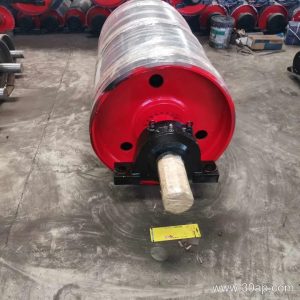
A tail pulley is the pulley located at the rear end of a conveyor belt loop, opposite the drive pulley. Its primary function is to redirect the belt and maintain proper tension, working in tandem with the take-up system. In industries such as mining, quarrying, cement plants, and power generation, the tail pulley ensures smooth belt return and reliable material transport. Unlike the drive pulley, which transmits power, or a bend pulley that changes belt direction at intermediate points, the tail pulley is specifically positioned at the tail end of the conveyor frame. This distinction is critical when specifying components for a conveyor system.
Construction and Key Components
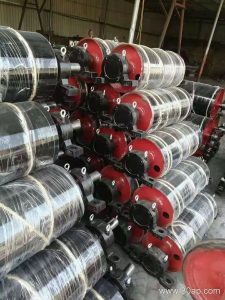
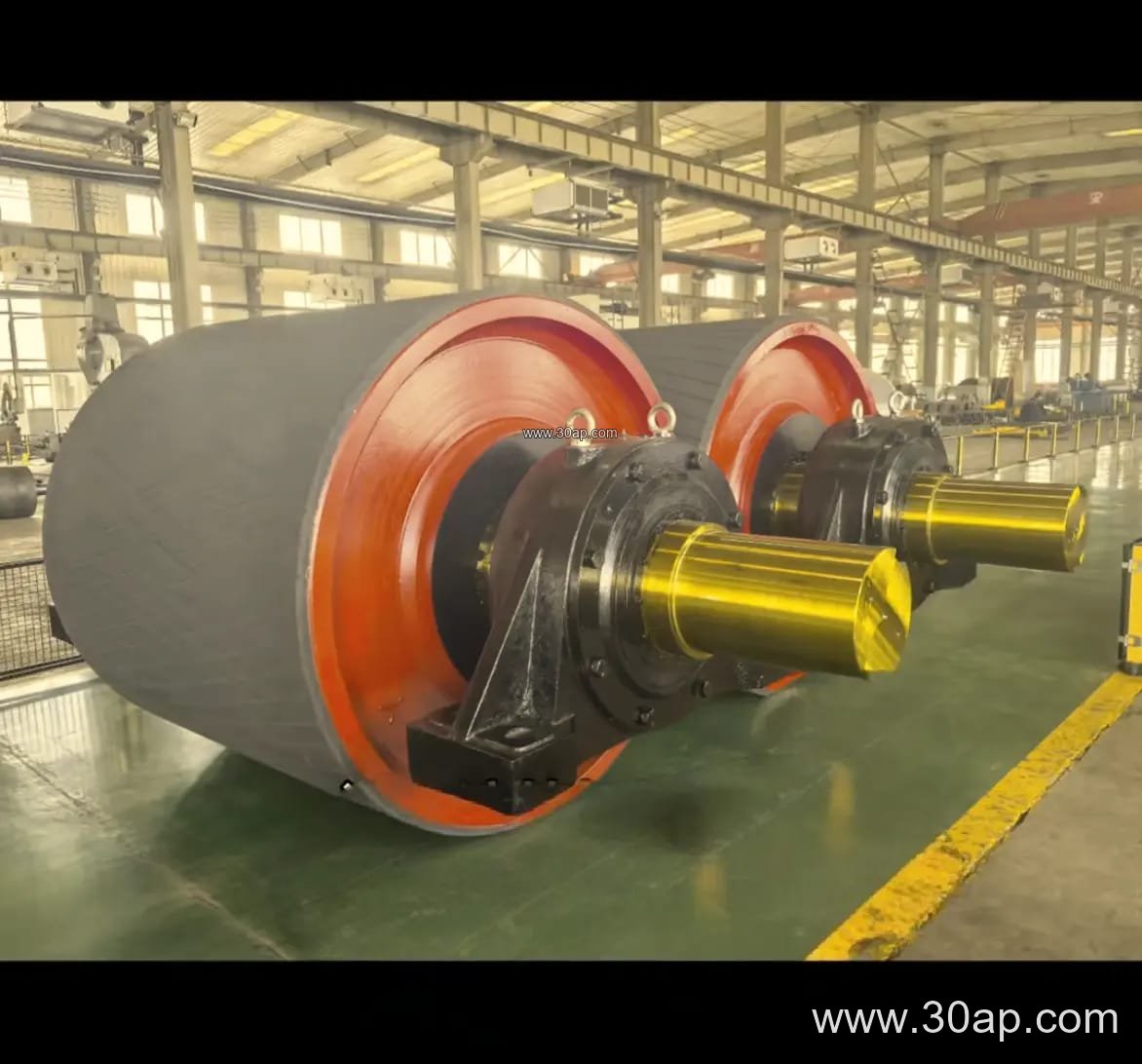
A typical tail pulley consists of a cylindrical shell, shaft, bearings, and end discs. The shell is often made from steel pipe or plate, with machined faces for balance. Shafts are sized according to torque and load requirements, commonly ranging from Ø50 to Ø200 mm, but the exact diameter must be determined by design calculations, not by belt width alone. Bearings are housed in bearing blocks mounted on the conveyor bracket. Surface options include plain, rubber lagged, or ceramic lagged, depending on the application. Lagging thicknesses of 8, 10, 12, 15, or 20 mm are common. The pulley face width usually exceeds the belt width by approximately 100 to 200 mm; for example, a B800 belt may use a pulley face of about 950 mm, while a B1200 belt typically pairs with a face width around 1400 mm.
Where Tail Pulleys Are Used
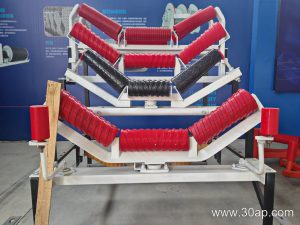
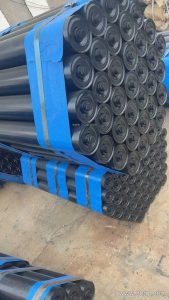
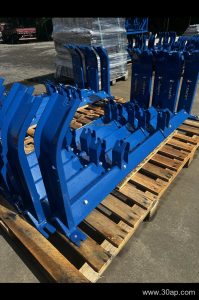
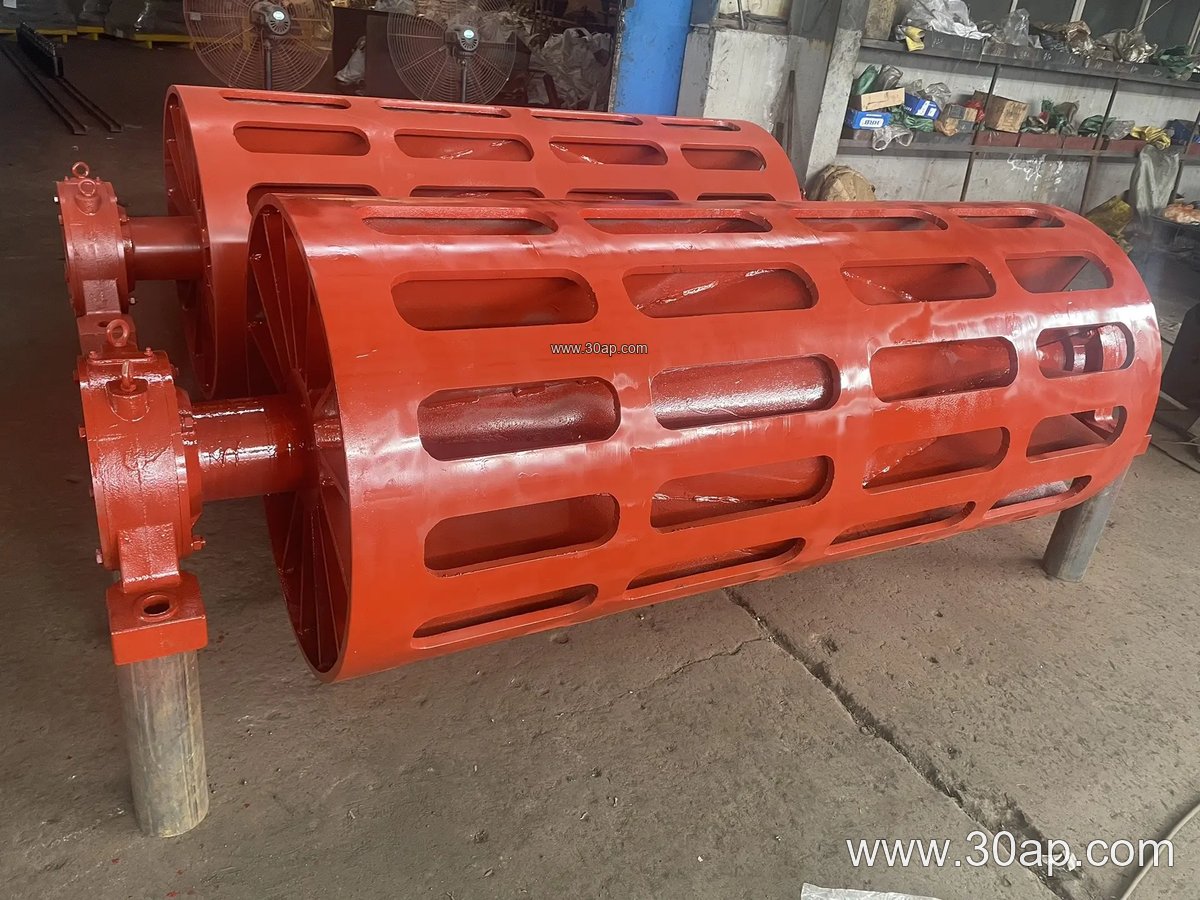
Tail pulleys are found in a wide range of bulk handling operations. In a limestone quarry, they help maintain belt alignment on long overland conveyors. In a coal washing plant, they operate in dusty and often wet conditions, requiring robust sealing. Cement plants use them on clinker and raw material conveyors, where heat and abrasion resistance are important. Power plants rely on tail pulleys in coal handling systems, often with flame retardant conveyor belts. The tail pulley works with the conveyor belt, idler rollers, and conveyor brackets to keep the system running efficiently.
Selection and Sizing Considerations
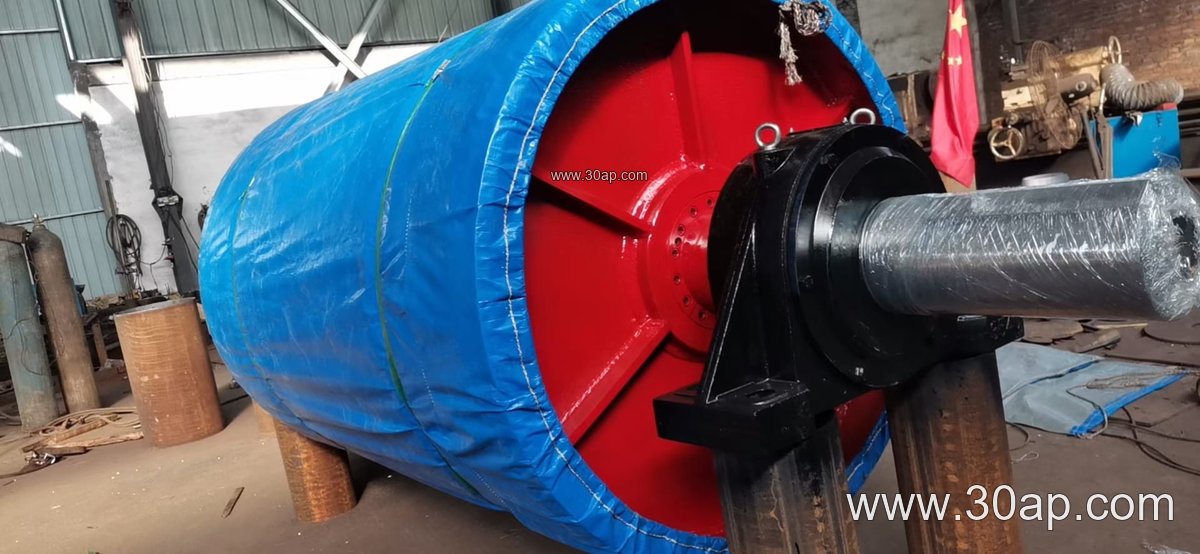
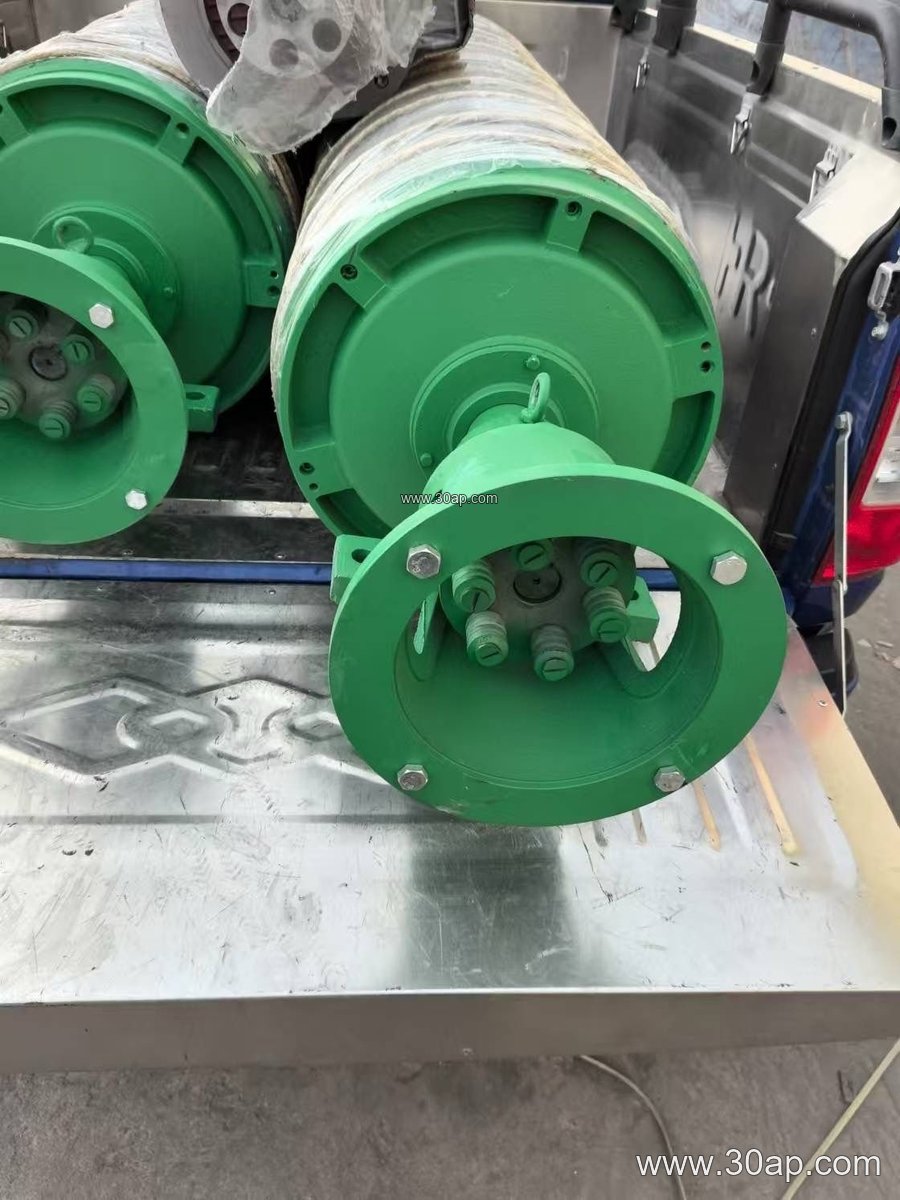
When selecting a tail pulley, engineers consider belt width, belt tension, pulley diameter, shaft load, and environmental factors. There is no fixed rule that a specific belt width must match a single pulley diameter; instead, the diameter is chosen based on belt thickness, flexibility, and the required arc of contact. Common combinations include B800 × Ø500, B1200 × Ø1000, and B1400 × Ø800, but these are examples, not mandatory pairings. The shaft diameter is determined by the torque and radial loads, with typical sizes from Ø50 to Ø200 mm. Surface lagging is selected to suit the material: rubber lagging for general grip, ceramic lagging for high abrasion, and plain surface for light-duty applications. The tail pulley must also be compatible with the take-up mechanism, whether screw or gravity type.
Maintenance and Troubleshooting
Regular inspection of the tail pulley helps prevent belt misalignment and premature wear. Check lagging for wear or damage, bearing condition, and shaft alignment. In dusty environments such as aggregate conveyor belts or ore conveyor belts, keep the pulley area clean to avoid material buildup. Lubricate bearings according to the manufacturer’s schedule. If the belt tracks off-center at the tail, verify pulley level and belt tension. Replacing worn lagging improves grip and extends pulley life. Always follow safety procedures during maintenance.
Buyer’s Checklist
- Confirm belt width and pulley face width (e.g., B650 with 750 mm face).
- Specify pulley diameter based on belt flexibility and tension (e.g., Ø400, Ø630, Ø800).
- Provide shaft diameter per torque calculation (Ø80, Ø100, Ø120, etc.).
- Choose lagging type and thickness for the material (e.g., 10 mm rubber, 15 mm ceramic).
- Ensure compatibility with conveyor brackets and take-up system.
- Consider environmental factors: dust, moisture, temperature, and fire risk.
For reliable conveyor operation, the tail pulley must be correctly matched to the belt and the entire system. Whether handling coal mining conveyor belts, quarry conveyor belts, or cement conveyor belts, proper selection and maintenance of the tail pulley contribute to reduced downtime and longer service life.