What a Lower Return Idler Does
A lower return idler, also called a return roller or bottom idler, supports the empty side of a conveyor belt on its way back to the tail pulley. Unlike carrying idlers that sit under the loaded belt, return idlers are mounted below the belt structure and keep the belt from sagging between pulleys. In a quarry or a coal washing plant, these idlers are often the first components to show wear because they handle the belt’s full weight without the cushioning of material. A well-chosen lower return idler reduces belt tracking problems and extends the life of the conveyor belt itself.
Construction and Common Types
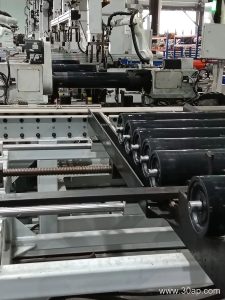
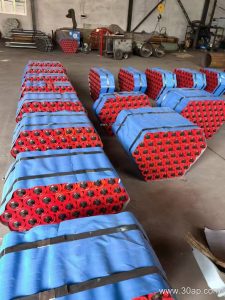
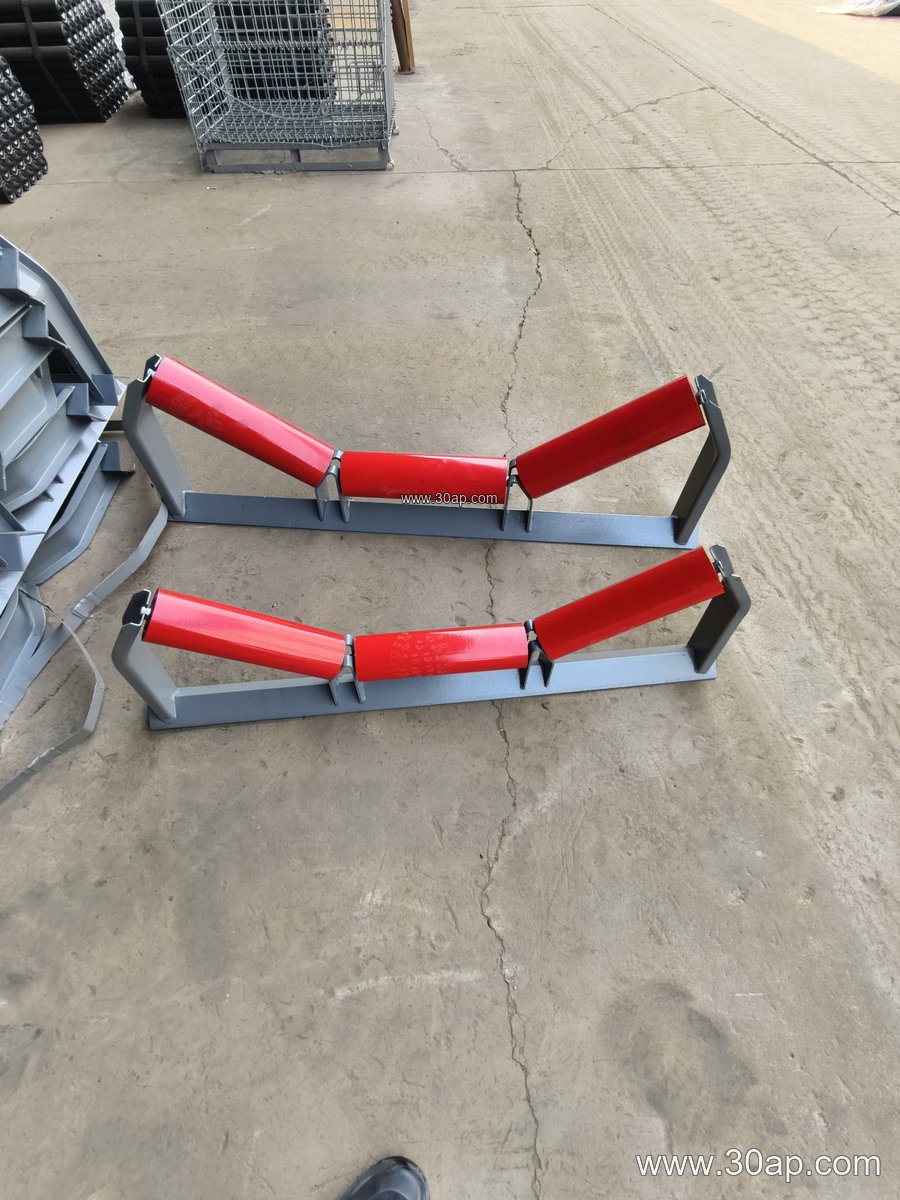
Most lower return idlers use a steel tube shell fitted with sealed bearings inside a bearing housing. The shaft runs through the roller and is held by conveyor brackets attached to the conveyor frame. Common roller diameters include Ø89, Ø108, Ø133, and Ø159 mm, though larger diameters such as Ø178 or Ø219 mm may appear on wide belts or heavy-duty lines. The roller face can be plain steel, nylon, or rubber-covered for different conditions. Several return idler forms exist: the flat return idler, the V-type return idler, and the spiral or helical return idler. The V-type helps center the belt, while the spiral form sheds sticky material in wet or muddy service. For comparison, a carrying idler in a three-roll trough set is not a substitute for a return idler because its trough angle and roll arrangement serve a different purpose.
Where It Fits in the Conveyor System
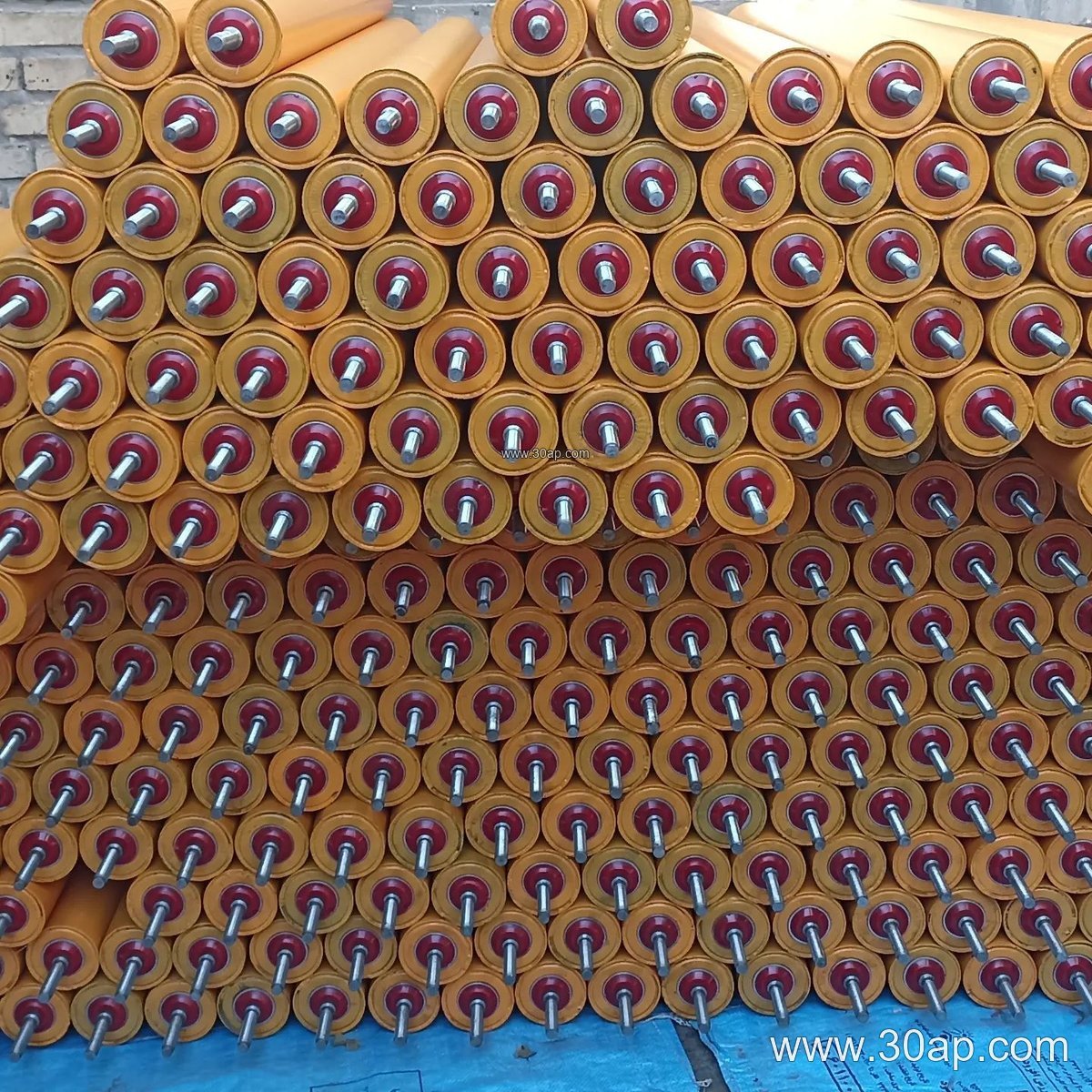
Return idlers are spaced along the return strand, typically at wider intervals than carrying idlers. In a cement plant or a power plant coal yard, they are often mounted on a stringer or cross-member using a conveyor bracket. The idler roller must match the belt width and the frame height. Belt widths from B500 to B2400 are common in bulk material handling, and the return idler length is selected to support the belt without overhang. A 1200mm wide conveyor belt, for example, may use a return idler with a shell length around 465 mm in some designs, but this depends on the frame and the idler manufacturer. No single belt width locks in one pulley diameter or one shaft size; those choices come from the conveyor design.
Selection Points for Buyers
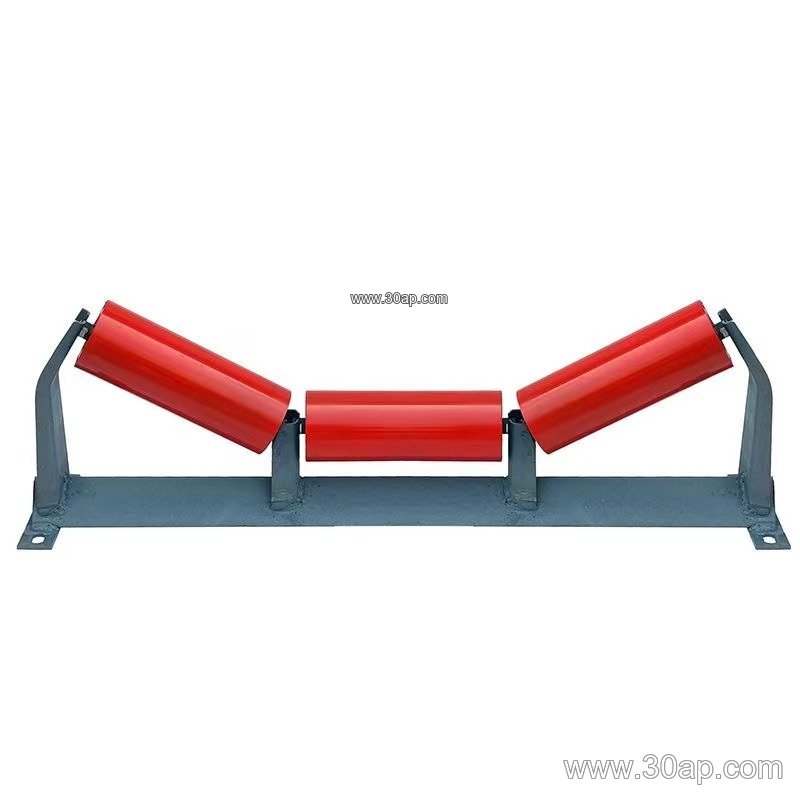
When specifying a lower return idler, consider the belt width, the material being conveyed, and the environment. In a crusher conveyor line handling abrasive rock, a rubber-covered return roller can reduce belt wear. In a fertilizer or grain facility, a smooth steel roller may be preferred to avoid material buildup. Bearing sizes such as 6205, 6305, or 6308 are common, and the bearing should be protected by a good seal against dust and water. The shaft diameter is not fixed by belt width alone; it depends on the load and the bracket design. Buyers should also check the roller’s concentricity and the quality of the bearing housing, because a wobbly return idler quickly damages the belt edge. For conveyors using a flame retardant conveyor belt or an abrasion resistant conveyor belt, the return idler should be selected with the same duty level in mind.
Maintenance and Troubleshooting
Seized or worn return idlers are a frequent cause of belt misalignment and power loss. In a sand and gravel plant or an iron ore terminal, routine inspection of the return strand can catch a failing bearing before it scars the belt. Listen for squealing, check for play in the roller, and look for material buildup on the shell. Replacing a lower return idler is usually straightforward with the right conveyor bracket and lifting equipment, but always lock out the conveyor first. Keep a few common sizes on hand, such as Ø108 and Ø133 mm rollers, to reduce downtime. Remember that drive pulleys, tail pulleys, and bend pulleys are separate components and should not be confused with return idlers when ordering spare parts.